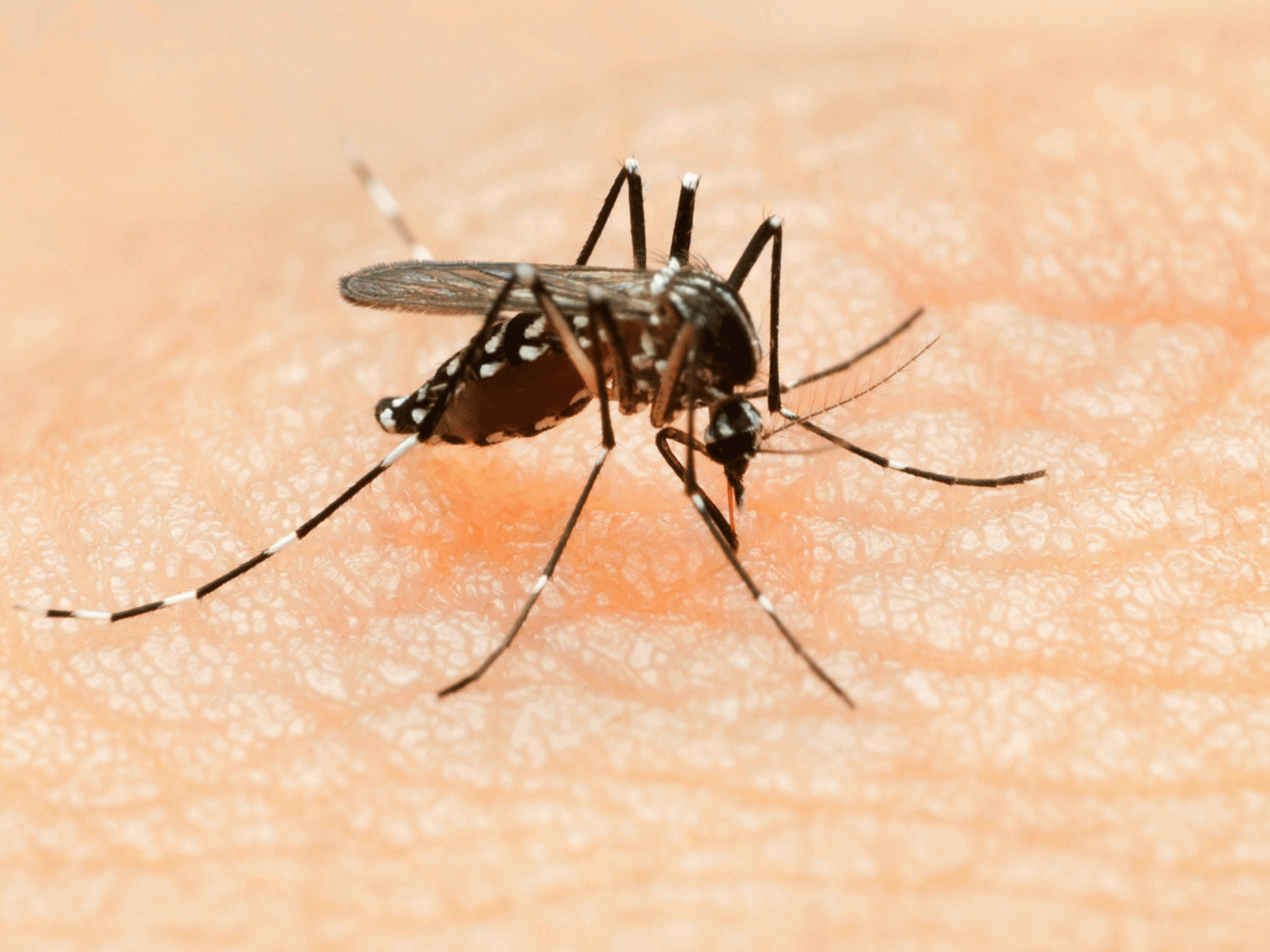
The Zika virus may have spread to Britain, after experts claim to have found mosquitoes that can carry the disease in the UK.
The Aedes Aegypti mosquito has been seen in the British countryside on the Kent coast and in West Sussex, according to Howard Carter, one of the country’s leading bite experts, the Mail Online reports.
This type of mosquito, which carries diseases including Dengue fever and Yellow fever, can also carry Zika - linked to a microcephaly epidemic in Brazil and the Americas, causing babies to be born with abnormally small heads with a circumference of less than 31.5 or 32 cm.
Mr Carter says the mosquitoes are being transported into Britain in the tread of car tyres, where the females lay their eggs in trapped stagnant water.
He added the mosquitoes are not in the UK in “any great number”, but thinks it is “only a matter of time before that becomes the case”, and suggested global warming is creating a "warmer and more attractive climate" in the UK.
Three British people have already contracted the disease after travelling to South and Central America, Public Health England confirmed on Saturday.
US scientists are urging the World Health Organisation (WHO) to learn from the Ebola outbreak and take urgent on combatting the virus action now, which they say has “explosive pandemic potential”, the BBC reported.
Dilma Roussef, Brazil’s president said at a summit in Ecuador that sharing knowledge between the Latin American countries is the best way to combat the epidemic.
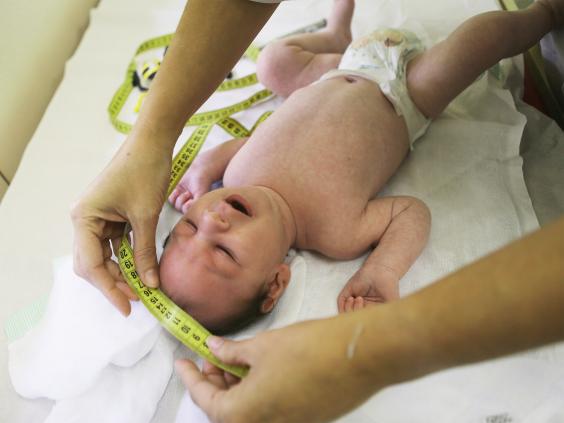
Already, thousands of people have been affected by the disease, which has spread across 20 countries since late 2015.
Brazil is the worst hit country, with around a million people thought to be infected. People travelling to the Americas are warned to cover up to protect from bites and use a repellent with PMD in it, which is effective against the Aedes Aegypti mosquito, according to Mr Carter.
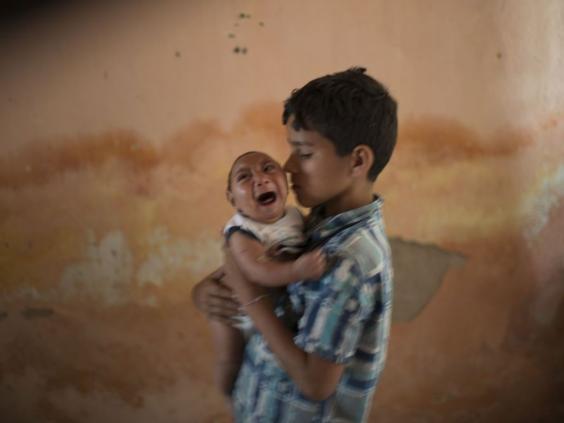
Women have been urged by the El Salvador government not to get pregnant for as long as two years, in a bid to avoid the birth defects associated with the virus, while those who are already pregnant should stay covered outdoors to reduce the risk of bites.
The Colombian government has also warned women that they should delay becoming pregnant for six to eight months, until the disease is under control.
Symptoms include flu-like aches, joint pain, rashes, itching, and inflammation of the eyes, headaches but not everyone displays signs of the disease, according to UK government guidance on the virus.
It was first found in Africa in the 1940s, but was not a threat to humans.
There is currently no vaccine for the virus, but scientists at the University of Texas Medical Branch have visited Brazil to carry out research in order to find one.
The best way to prevent the virus spreading is to clear stagnant water, where the mosquitoes lay eggs, and to protect against bites.