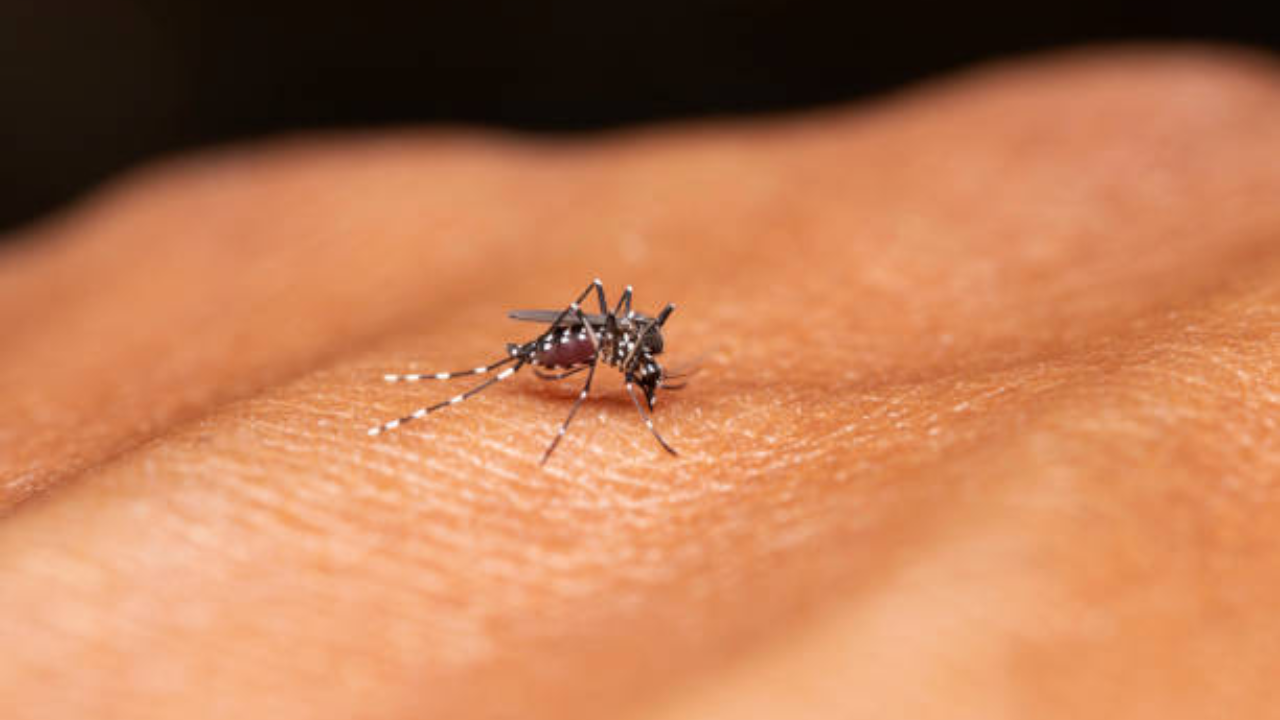
If you had Zika infection earlier, then your chances of having a severe form of dengue will increase. An analysis study by a team of Brazilian researchers showed that patients with a history of Zika infection had a 2.34 times higher risk of developing severe dengue. These individuals also had a 3.39 times higher risk of hospitalization.
The study has been published in the journal PLOS Neglected Tropical Diseases.
Zika infection is a viral illness primarily transmitted through the bite of infected Aedes mosquitoes, though it can also spread through sexual contact and from mother to fetus during pregnancy. Most people infected with the Zika virus experience mild or no symptoms, including fever, rash, joint pain, and conjunctivitis. However, Zika infection during pregnancy can lead to severe birth defects such as microcephaly and other neurological complications in newborns. Prevention measures include avoiding mosquito bites, practicing safe sex, and taking precautions during pregnancy, particularly in areas where Zika virus transmission is prevalent.
How does Zika infection influence dengue?
The mechanism that exacerbates dengue infection following a case of Zika differs from that of two consecutive infections by the dengue virus, explained the team.
The viral load is higher in the second dengue episode, with high levels of inflammatory cytokines not seen in Zika.
5 walking mistakes that are ruining all your efforts
Detection of other markers suggested that the increase in severity may be due to the activation of T cells, key parts of the immune system that help produce antibodies, in a pathogenic immune response that has been termed the "original antigenic sin".
The process involves so-called T-cell memory, a response in which T cells produced during a previous infection stimulate the production of more T cells to combat a new infection. Because these new cells are not specific to the virus, they trigger an excessive release of inflammatory cytokines, which attack the organism’s proteins and tissues, potentially leading to hemorrhage.
(With inputs from IANS)