Ukraine’s president Volodymyr Zelensky has said revised US-brokered peace plans could be presented to Russia within days, following successful talks in Berlin.
The Ukrainian president left Germany confident that proposals negotiated with the US would soon be finalised after receiving crucial security guarantees from his European allies and Washington.
He said that American envoys were set to present the outcomes of this week’s talks to the Kremlin - but not before Russia could pour cold water on the plans.
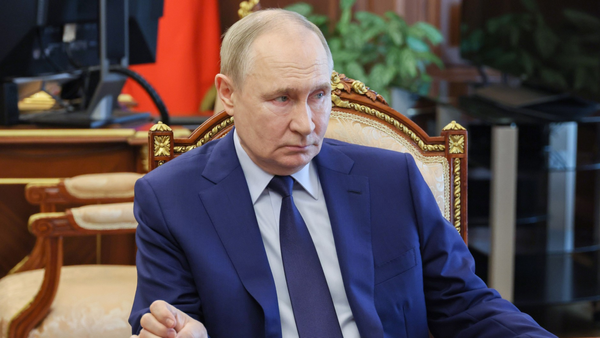
Deputy foreign minister Sergei Ryabkov reiterated that Moscow would not give back land to end the war, and would not accept any Nato peacekeepers stationed in a post-war Ukraine.
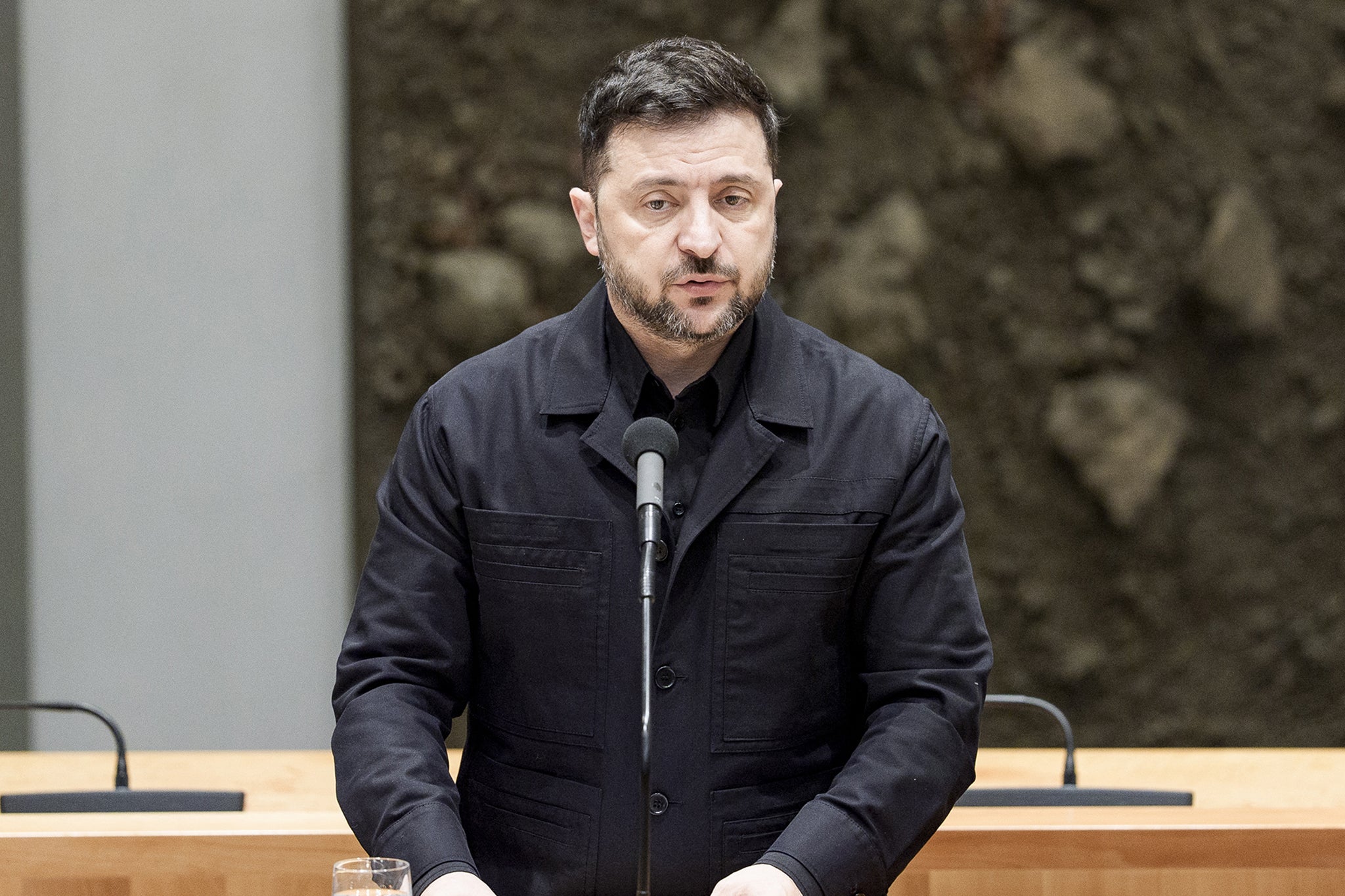
As Russia was accused of stalling efforts to end the conflict, hundreds of thousands of people were left without power in Ukraine following heavy bombardment nationwide.
The country’s deputy energy minister said early on Tuesday that the entire Donetsk region had been cut off following a Russian attack.
Nearly 290,000 people in Odesa were left in the dark, even after workers restored power to 330,000 homes.
Maxim Timchenko, head of Ukraine’s biggest energy provider, told the BBC that Russian strikes were now so frequent that “we just don't have time to recover”.
President Zelensky told the Dutch parliament during his visit to The Hague that Russia was cynically and deliberately targeting Ukraine’s energy infrastructure as winter set in.
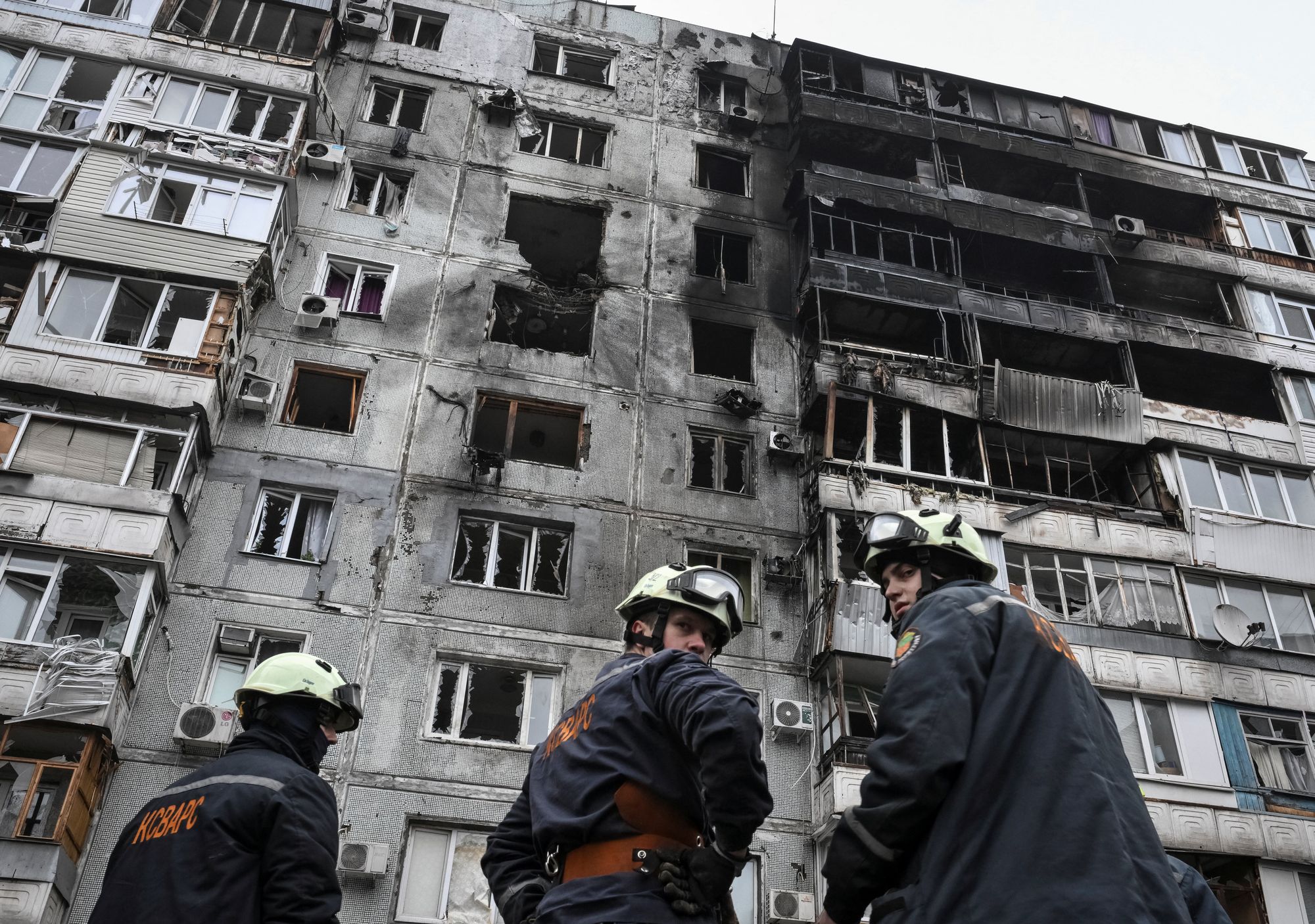
“They know that in our region, the winter cold can become one of the most dangerous weapons,” he said.
“They try to use it against Ukrainians, against just ordinary people, against normal life, and that’s why it’s so important not to relax or rely on diplomacy alone.”
Britain on Tuesday unveiled £600m in air defences to support Ukraine through the coming winter.
Defence minister John Healey said the air defence investment was “critical help to Ukrainians as they defend their towns, cities and energy infrastructure from Russia's barbaric attacks”.
Returning from “productive” talks in Berlin, Sir Keir Starmer cautioned that the path to peace in Ukraine was still “not an entirely straight line”.

The prime minister told his cabinet that there had been progress on Ukraine’s plea for clear security guarantees as European allies worked on a multinational force to be stationed in Ukraine after the war.
European officials also came together to set up an International Claims Commission tasked with ensuring Kyiv is compensated for damages from Russian attacks and alleged war crimes.
Details on how any damages awarded by the commission, to be based in the Netherlands, would be paid still need to be worked out.
Early discussions have touched on using Russian assets frozen by the EU, supplemented by member contributions.
Frozen assets remain a point of contention in the build-up to a major vote on Thursday, however.
While many of Ukraine’s backers are pushing to unlock some €210bn (£184bn) in assets to help fund Kyiv, the plan faces opposition from the countries most at risk of Russian reprisals.
Four EU diplomats told Politico that new assurances to dilute legal liability had not been enough to sway Belgium, where most of the assets are held, during a meeting of EU ambassadors on Monday.
Mr Zelensky told reporters in the Netherlands that Ukraine could not stay strong without the package, adding that it could offset the reduction in support from some countries.
Allies on the continent turned their attention to securing Europe’s eastern flank during a summit in Helsinki, where they called on the EU to take a bigger role in enhancing defence and security.
The EU “eastern flank” meeting, bringing together leaders from Finland, Sweden, Estonia, Latvia, Lithuania, Poland, Romania and Bulgaria, said the region's defences must be prioritised to counter what they called a long-term threat posed by Russia.
Polish prime minister Donald Tusk stressed the need for defences, saying leaders were considering spending billions on an “anti-drone wall” in eastern Europe.
What is Nato and will Ukraine become a member?
Moment Ukrainian forces hit $400m Russian submarine using underwater drones for first time
Ukraine can and will win – if its allies get serious about defence
Revealed: Key details about latest Ukraine peace deal – and Russia’s objections
Ukraine war latest: Zelensky plays down hopes of peace deal by Christmas
Jared Kushner ditches Serbia hotel project after four officials charged with bribery