The Yurok Tribe in California, which lost 90 percent of its territory during the Gold Rush in the mid-1800s, is set to regain a portion of its land to establish a new gateway to the popular Redwood National and State Parks, attracting around 1 million visitors annually.
Under a historic memorandum of understanding signed by the Yurok Tribe, Redwood National and State Parks, and the nonprofit Save the Redwoods League, the tribe will become the first Native people to manage tribal land in collaboration with the National Park Service.
The agreement involves the transfer of 125 acres of land near Orick in Humboldt County to the Yurok Tribe by 2026, following the restoration of Prairie Creek, a local tributary. This site will serve as an opportunity for visitors to learn about Yurok customs, culture, and history.

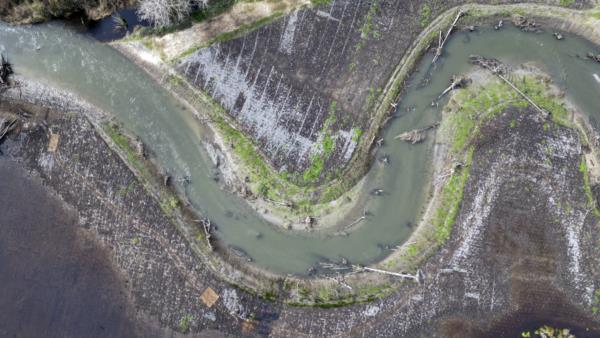
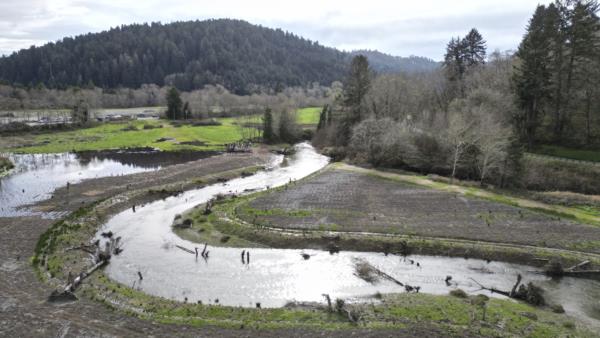
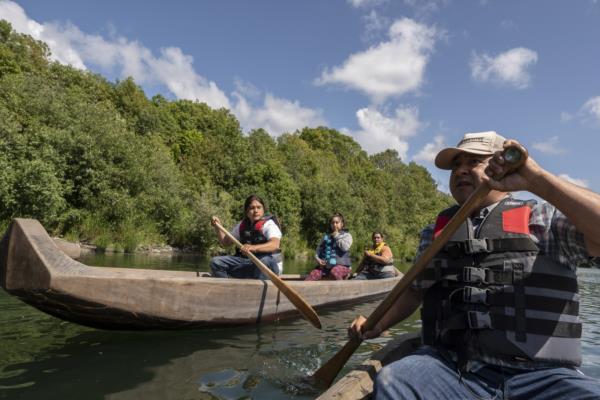
The area, known as ’O Rew in the Yurok Language, is home to the world's tallest trees, some exceeding 350 feet in height. Situated close to the Pacific coast and adjacent to the Redwood National and State Parks, the property holds significant cultural and historical value for the Yurok Tribe.
The return of this land, more than a century after it was taken from the Yurok Tribe, symbolizes the resilience and determination of the Yurok people. The property was exploited for its old-growth redwoods and other natural resources, leading to its acquisition by Save the Redwoods League in 2013.
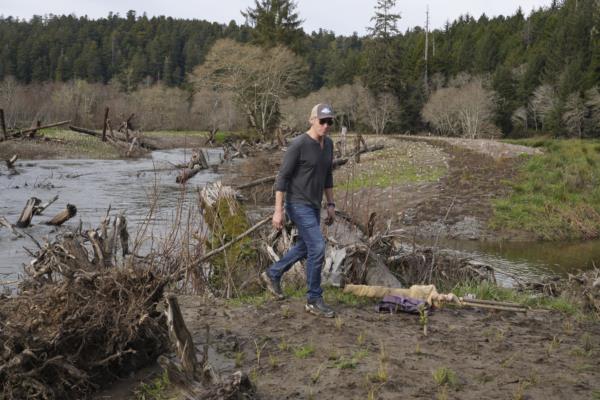
Efforts to restore the land involved addressing the impacts of a former lumber operation that paved over much of the property and buried Prairie Creek, a critical habitat for salmon. The restoration project aligns with a broader movement to return Indigenous homelands to their rightful owners and restore ecosystems to their original state.
The Yurok Tribe, recognized as the original stewards of the land, views the management of this property as a continuation of their traditional practices. Plans for the ’O Rew property include the construction of a traditional Yurok village, a visitor and cultural center, and new trails that will connect to existing park trails.
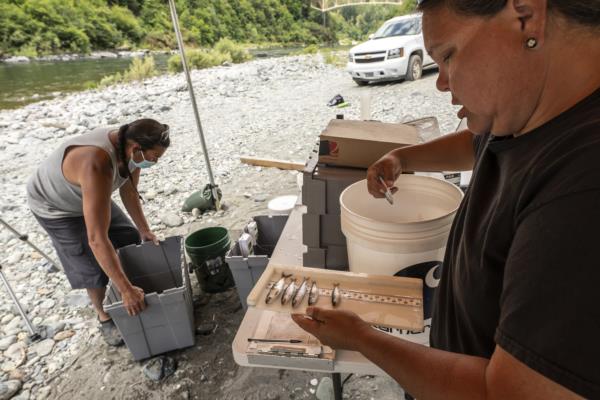
Additionally, the tribe has been actively engaged in salmon habitat restoration on the property, contributing to the recovery of various species in the region. The return of the land signifies a step towards healing the land and fostering positive relationships among all communities connected to the forest.