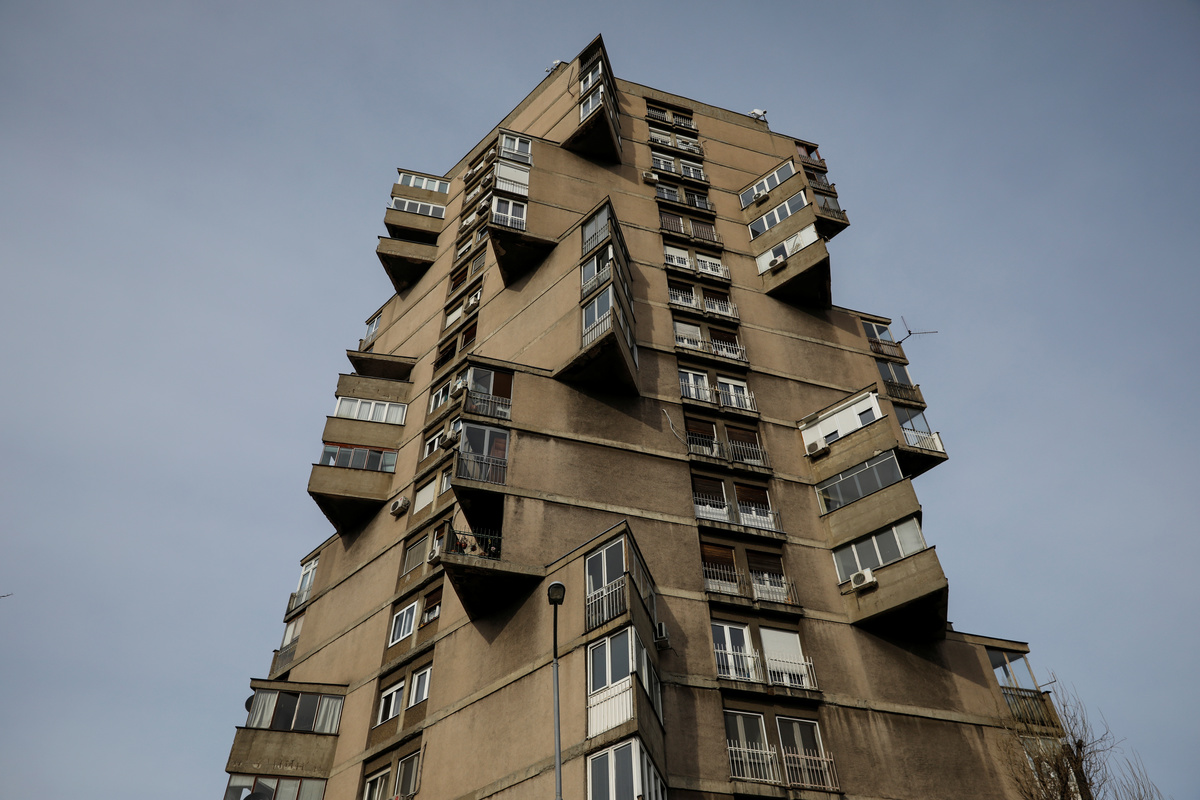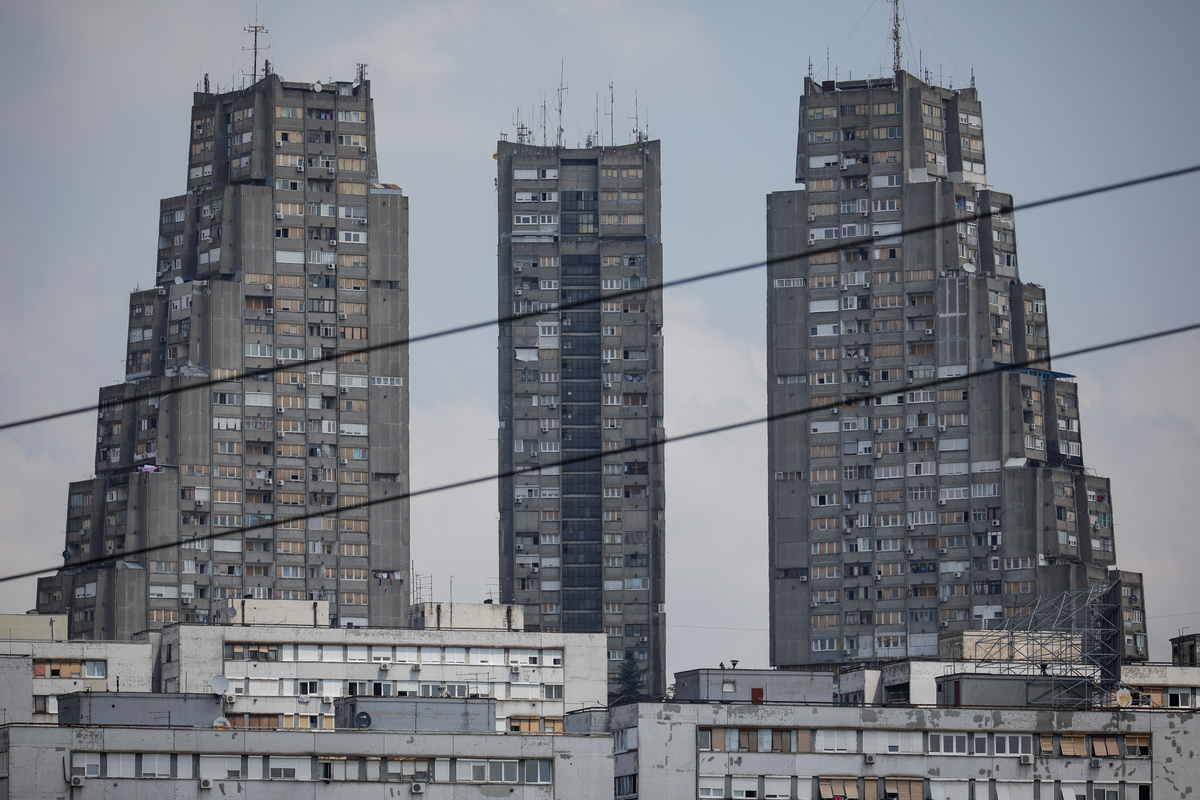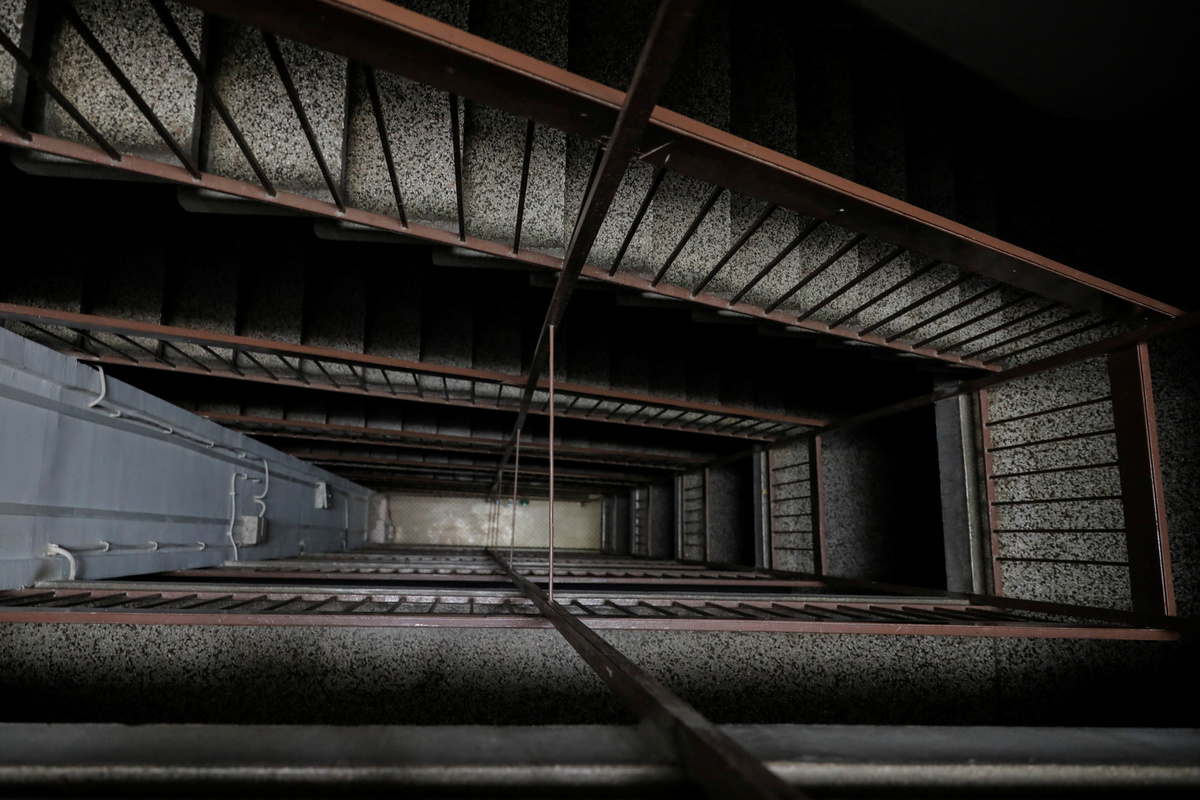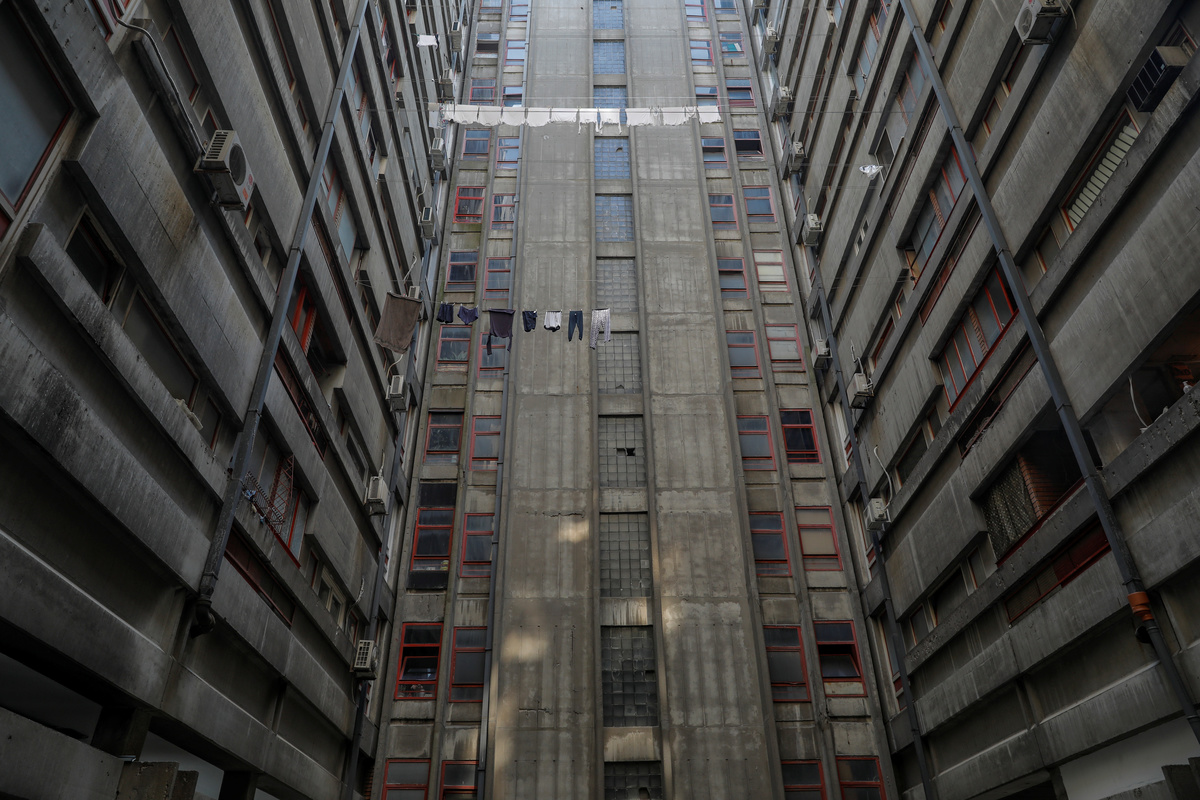
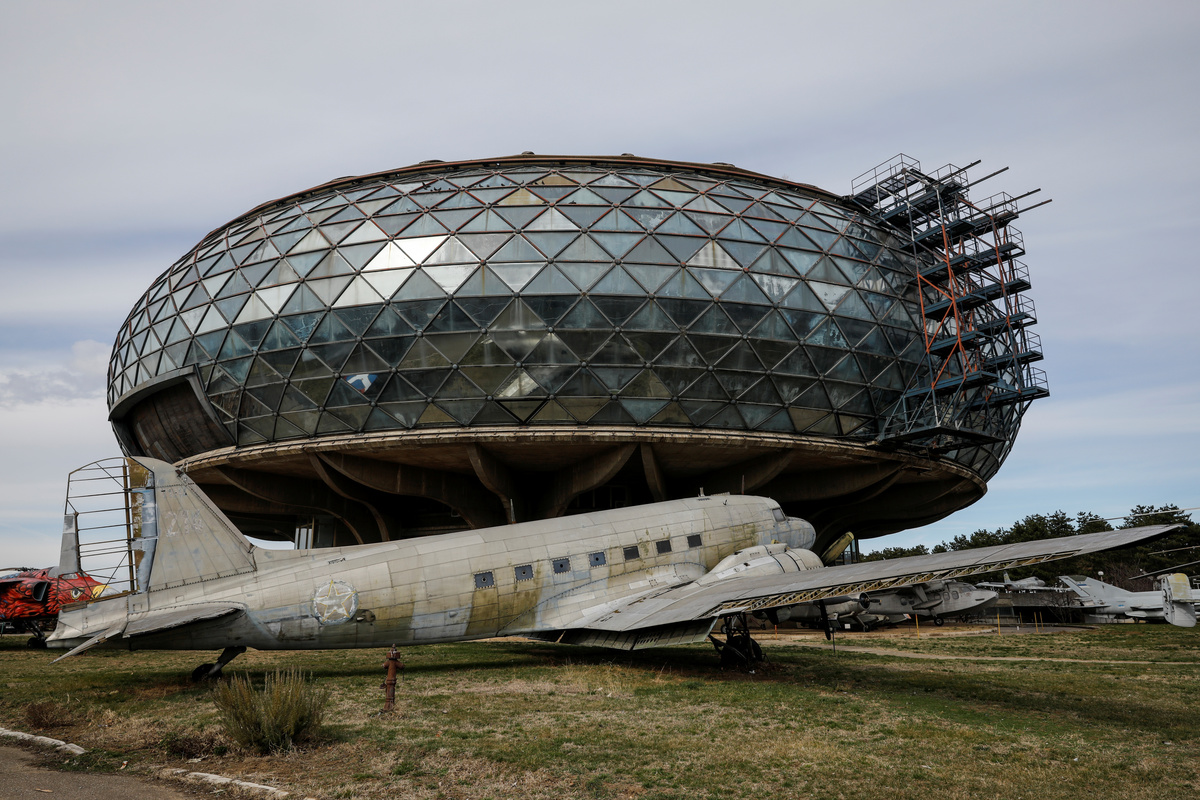
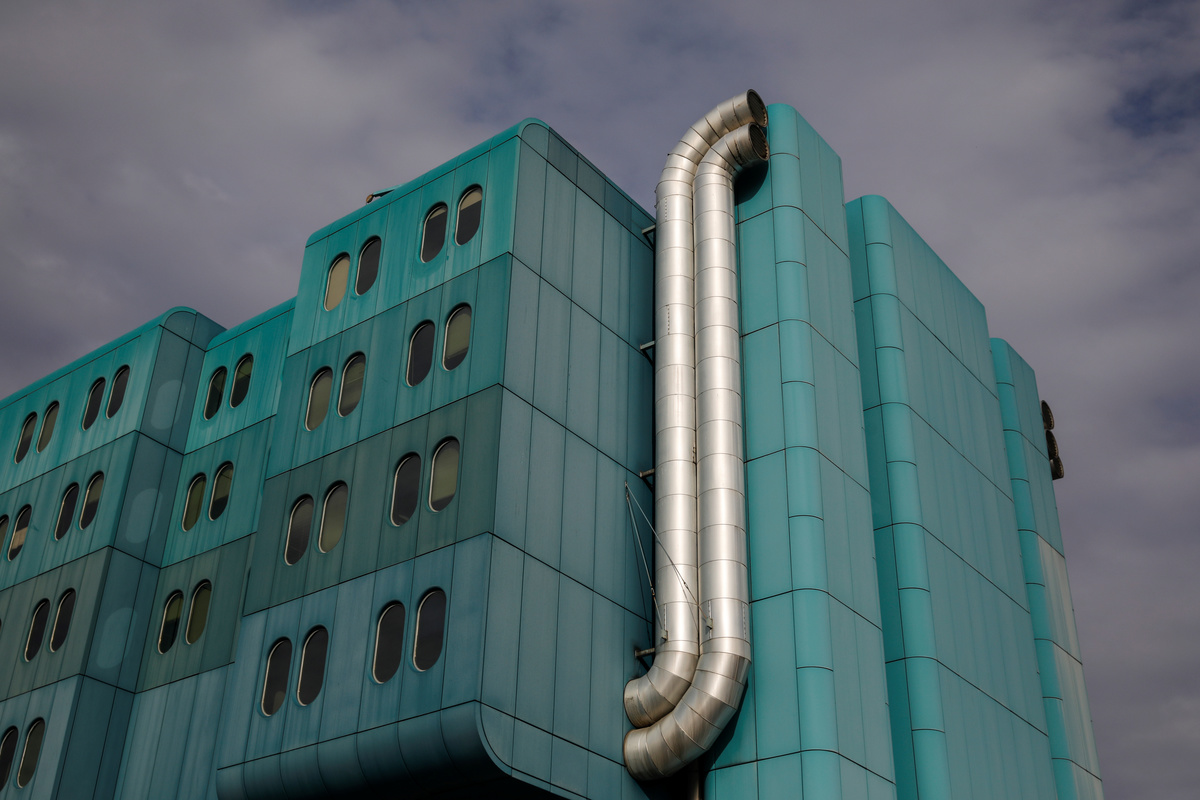
BELGRADE(Reuters) - Genex Tower is unmissable on the highway from Belgrade airport to the center of the city.
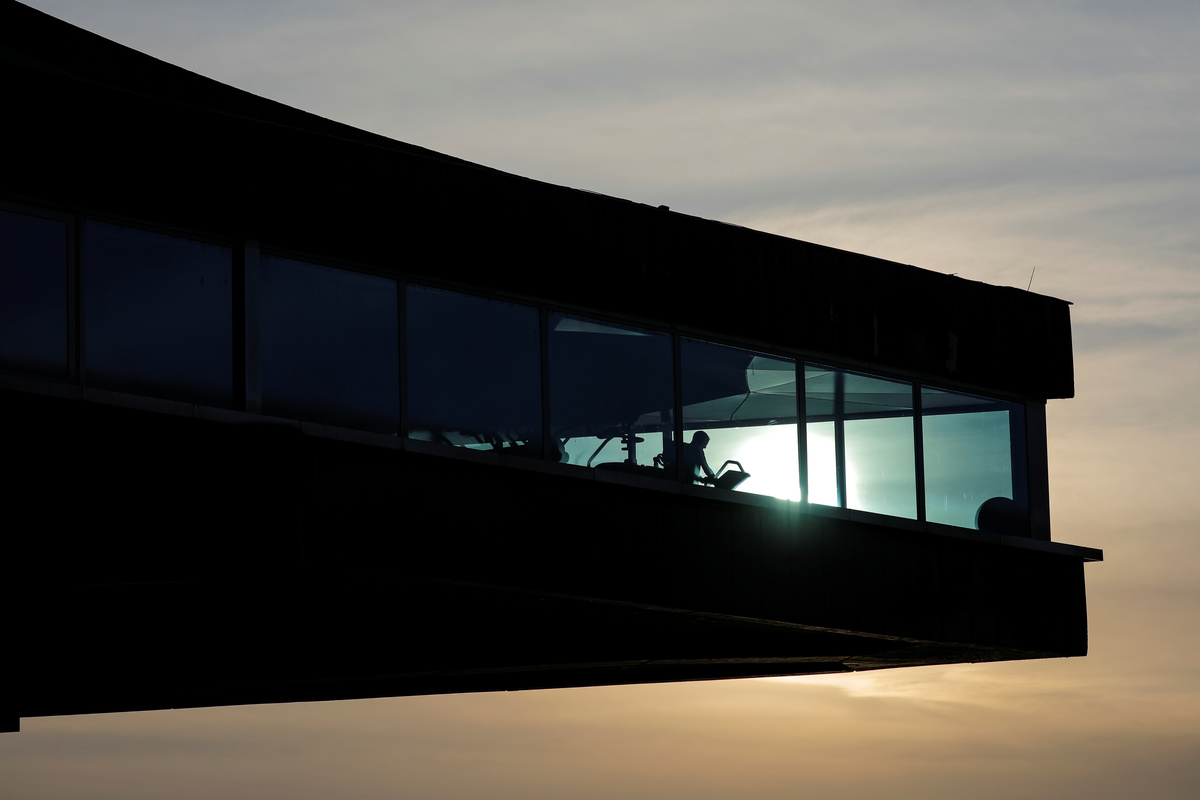
Its two soaring blocks, connected by an aerial bridge and topped with a long-closed rotating restaurant resembling a space capsule, are such an unusual sight, the 1977-build tower has become a magnet for tourists despite years of neglect.
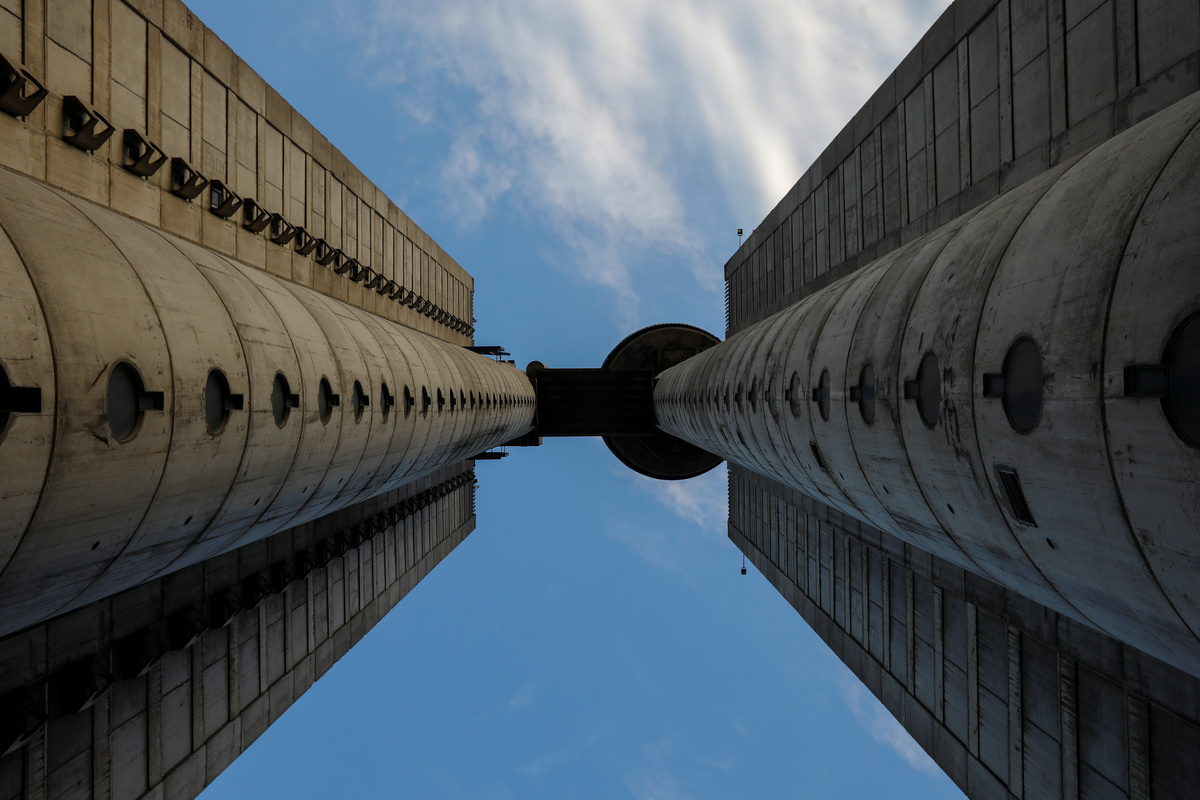
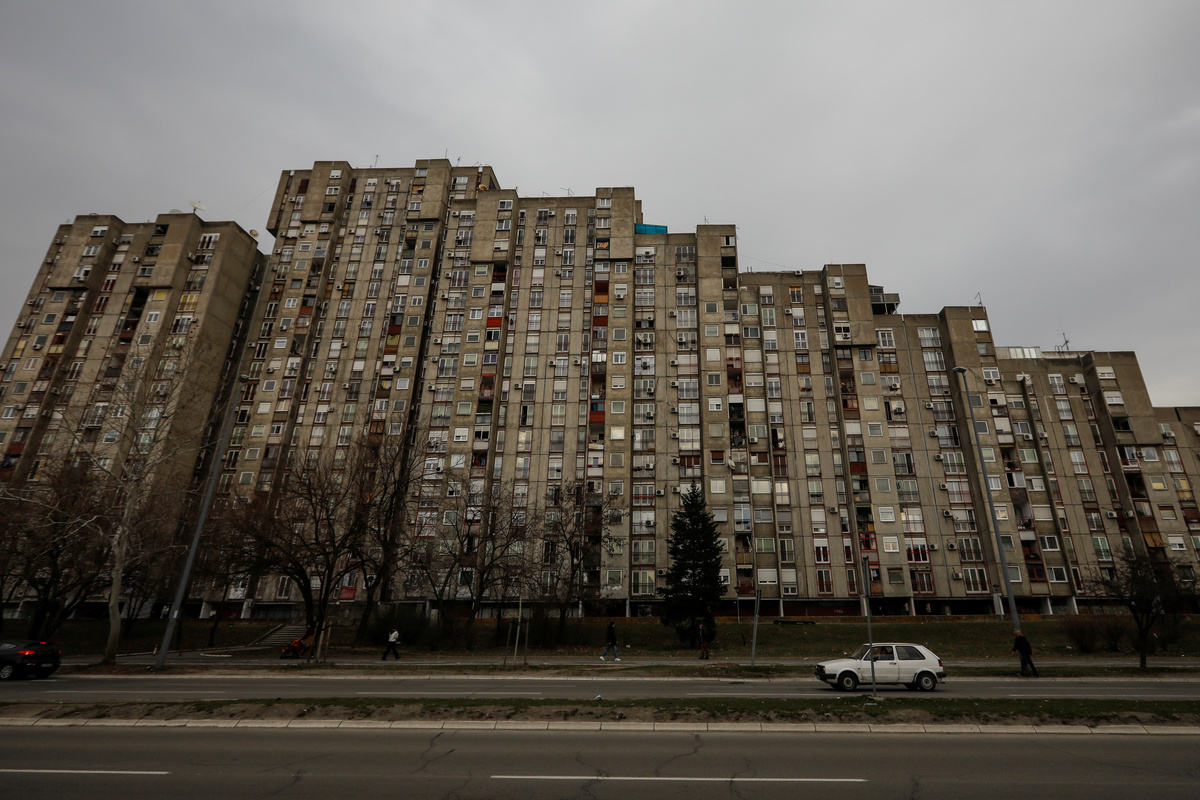
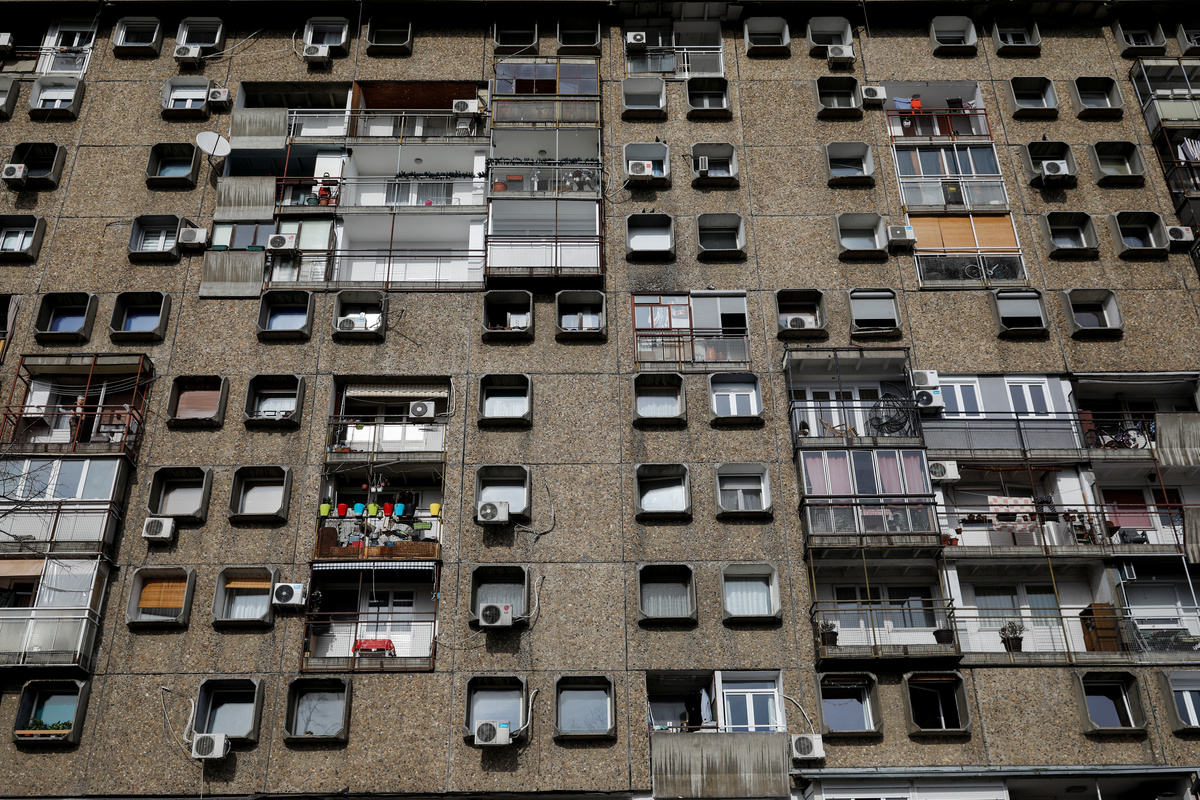
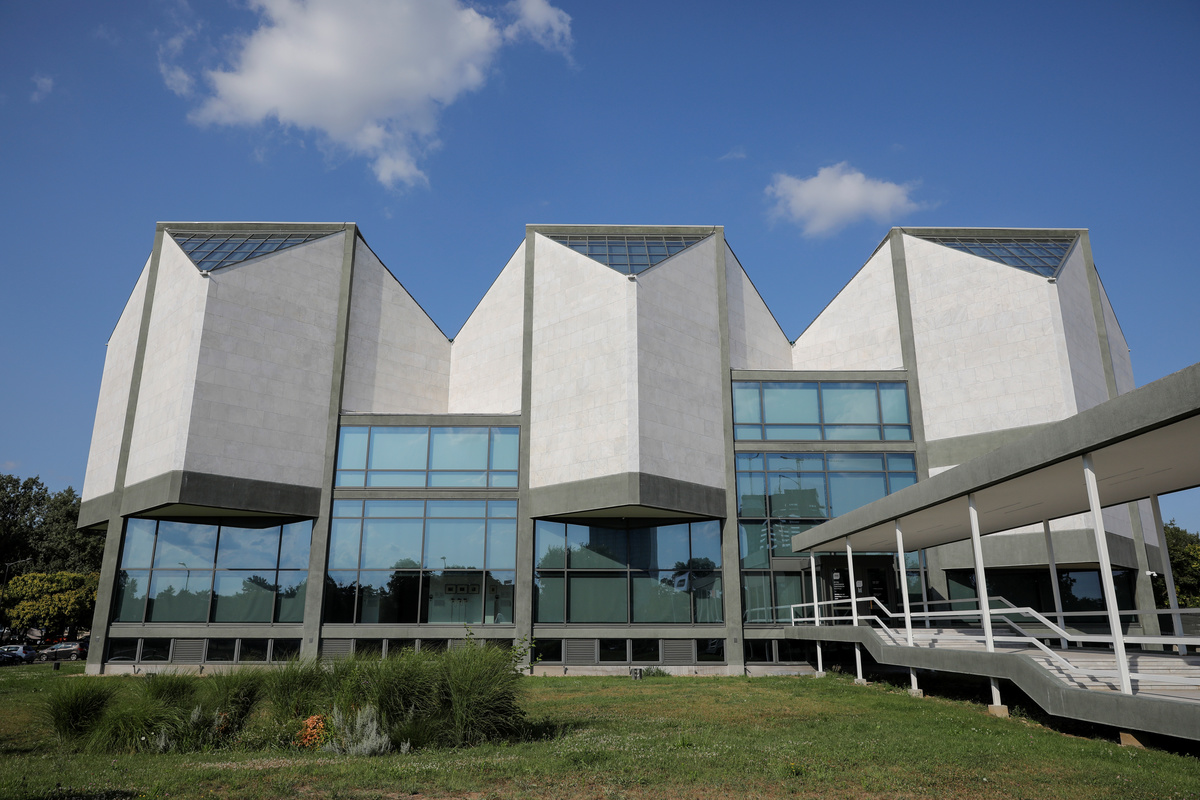
The tower is one of the most significant examples of brutalism - an architectural style popular in the 1950s and 1960s, based on crude, block-like forms cast from concrete.
Brutalism was popular throughout the eastern bloc but the former Yugoslavia made it its own - seizing on it as a way to forge a visual identity poised between East and West.
Interest in the style is soaring - particularly since a 2018 exhibition in New York's Museum of Modern Art (MoMA) called Concrete Utopia: Architecture in Yugoslavia, 1948-1980.
"We have dozens of people every week interested in taking our Yugo tour around city landmarks built from the 1950s to 1980s," said Vojin Muncin, manager of the Yugotour sightseeing agency which guides tourists around the Serbian capital in Yugos - former Yugoslavia's once ubiquitous car.
"Genex Tower is among the most interesting sight. People see it on their way from the airport and it immediately draws their attention."
Today one of the pillars is empty, while the other is residential. The rotating restaurant was last open in the 1990s.
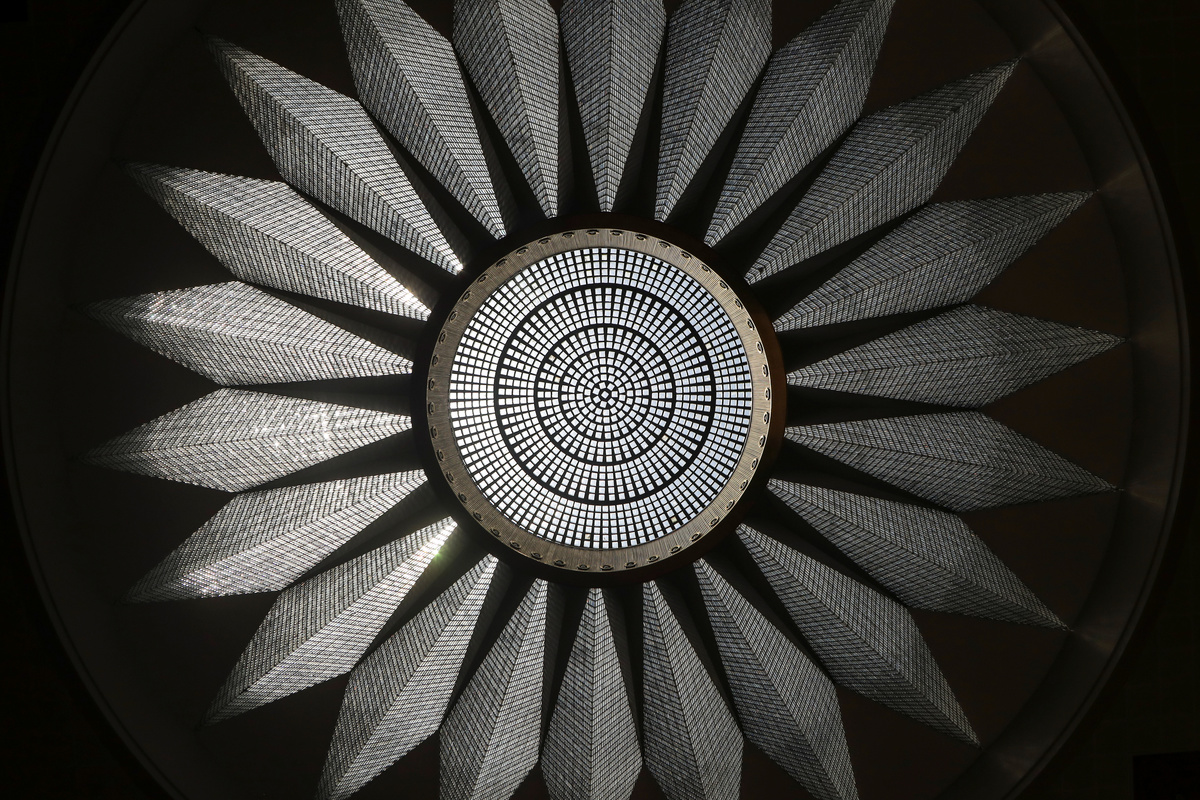
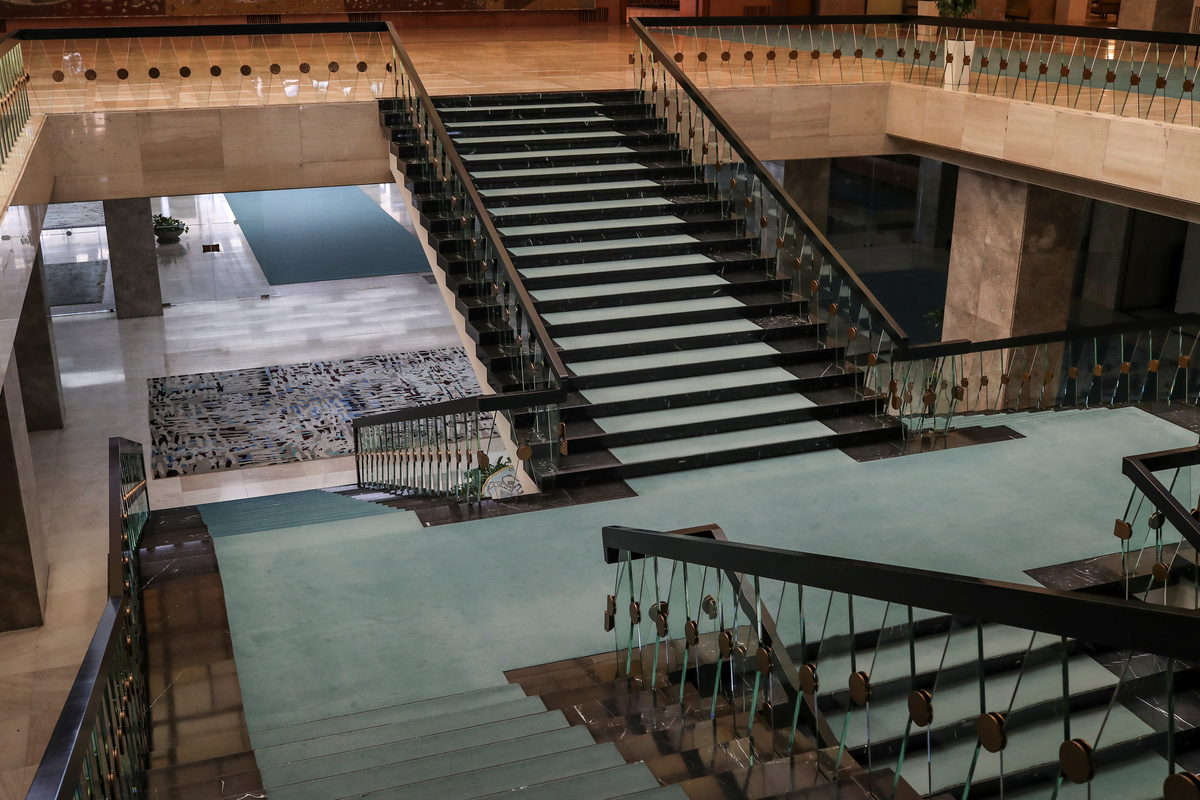
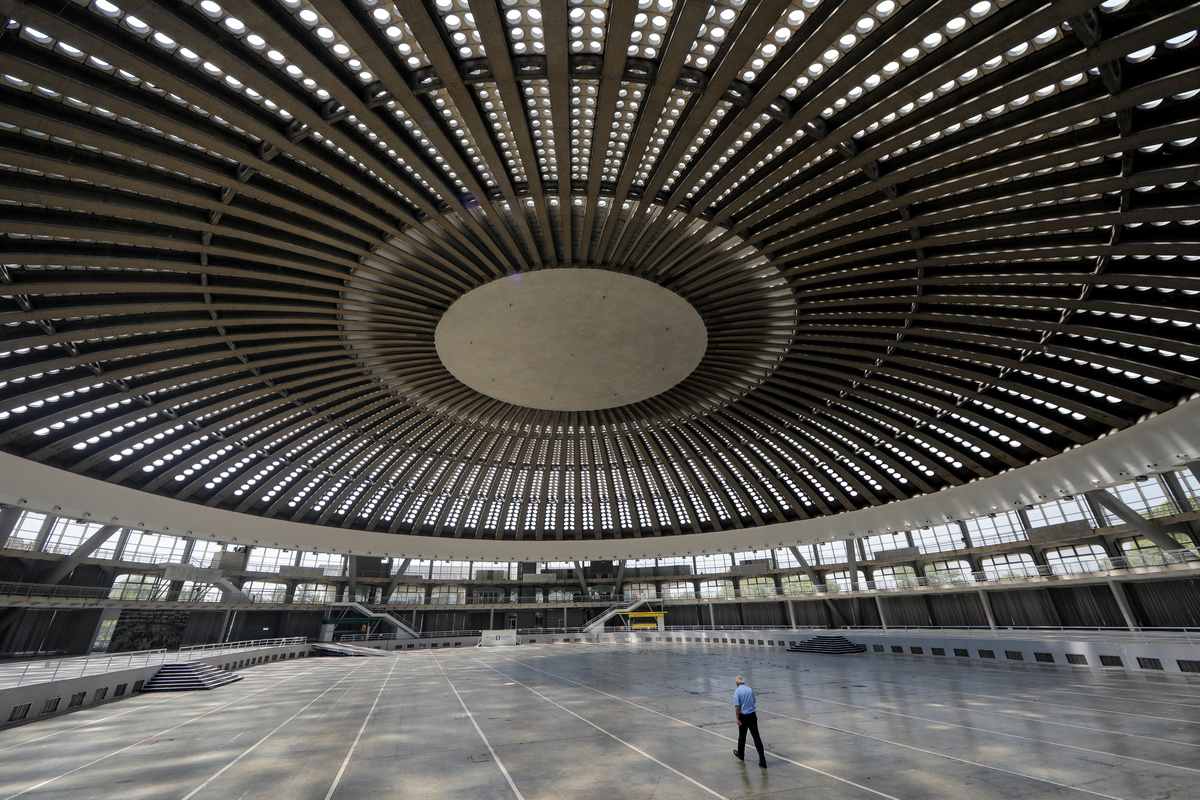
Keen to capitalize on the interest, Belgrade authorities are now considering opening parts of another masterpiece of Yugoslav brutalism - the Palata Srbija government building, which is currently only open once a year.
BUILDING A DREAM
After World War Two socialist Yugoslavia led by Josip Broz Tito set out to reconstruct a land destroyed by fighting. Initially allied to the Soviet Union, Tito broke with Soviet leader Joseph Stalin in 1948.
Residential blocks, hotels, civic centers and monuments all made of concrete shot up across the country.
The architecture was supposed to show the power of a state between two worlds - Western democracy and the communist East, looking to forge its own path and create a socialist utopia.
But after Tito died in 1980, and economic crisis took hold, the new elites sought to distance themselves from the socialist regime, including its architecture. In 1991 the series of wars began that led to the collapse of Yugoslavia.
"Now enough time has past (since Yugoslavia fell apart) and people have begun to appreciate the architecture of Yugoslavia," said Alan Braun, lecturer at Zagreb University's architecture faculty.
He said the style was unique because of its visible influence from the West, reflecting Yugoslavia's unique position.

Residential areas were planned to have enough parks, cinemas, swimming pools and even parking space.
The Palata Srbija building hosted former world leaders such as U.S. presidents Richard Nixon and Gerald Ford and Russian leaders Nikita Khrushchev and Leonid Brezhnev.
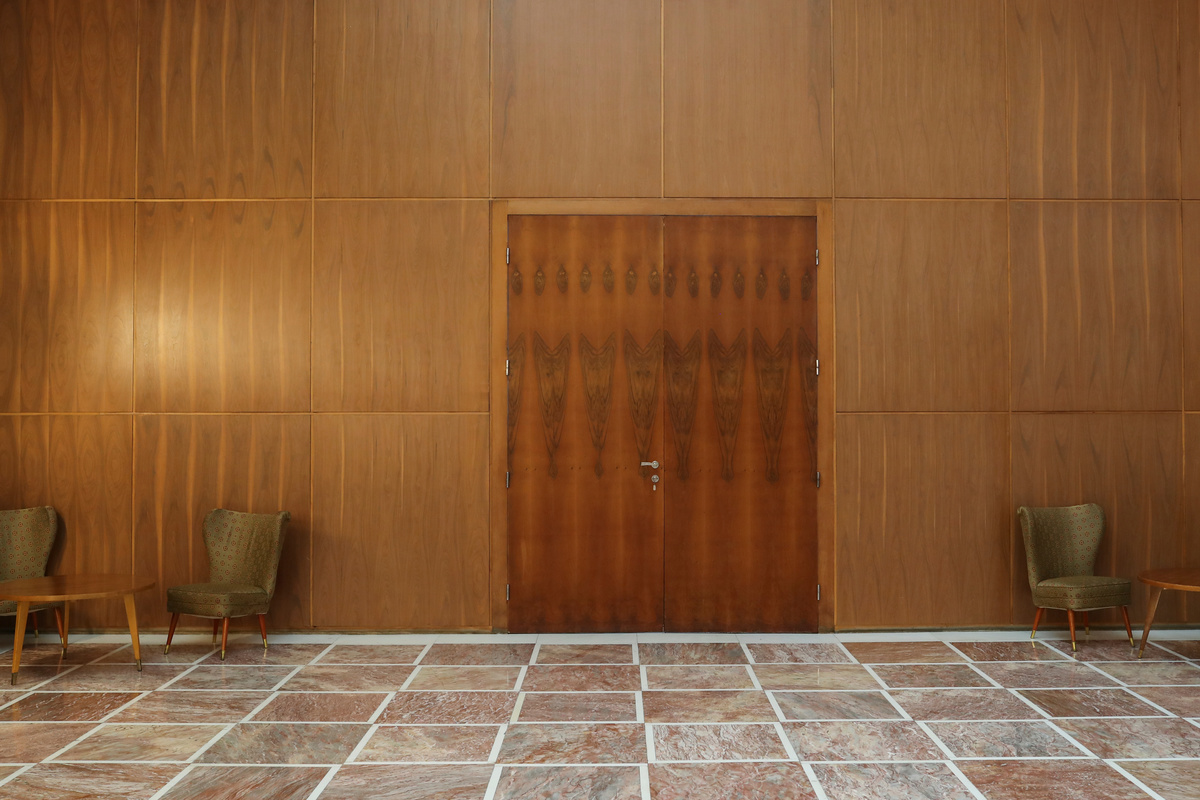
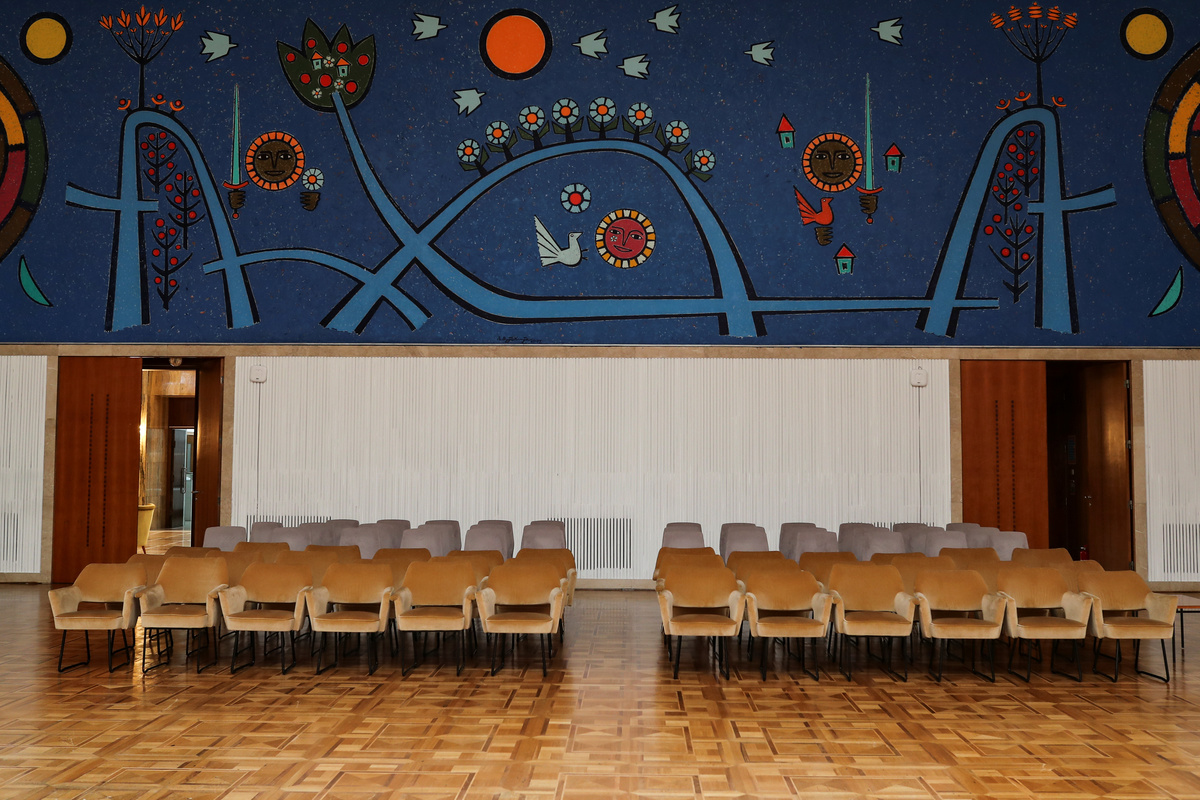
Each of the former Yugoslav republics had its own salon with a central room called the hall of Yugoslavia. Furniture and carpets were custom made and some of the most prominent artists produced paintings and mosaics.
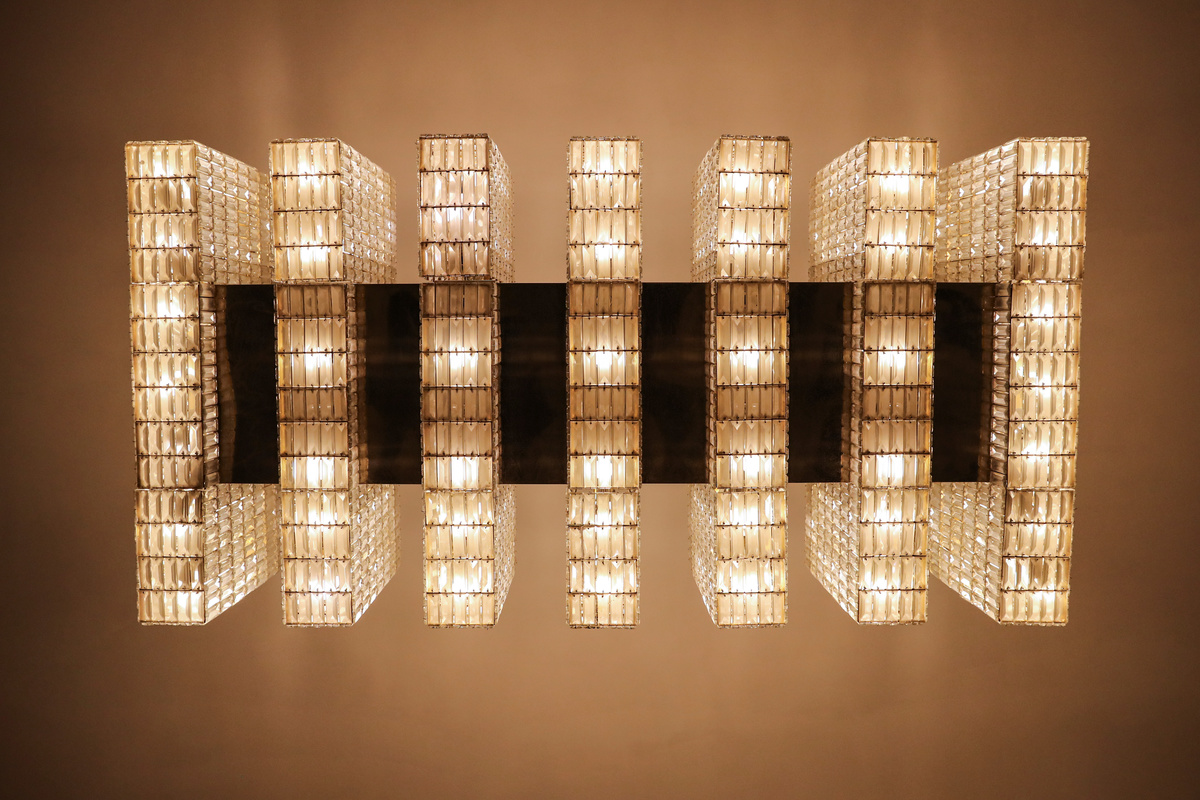
The outside of the building is concrete, but the inside is marble. Its centerpiece is a crystal chandelier beneath a 19 meter dome weighing more than nine tonnes.
"It is a shame to keep such a master piece away from the eyes of the public," said Sandra Vesic Tesla, curator of the building.
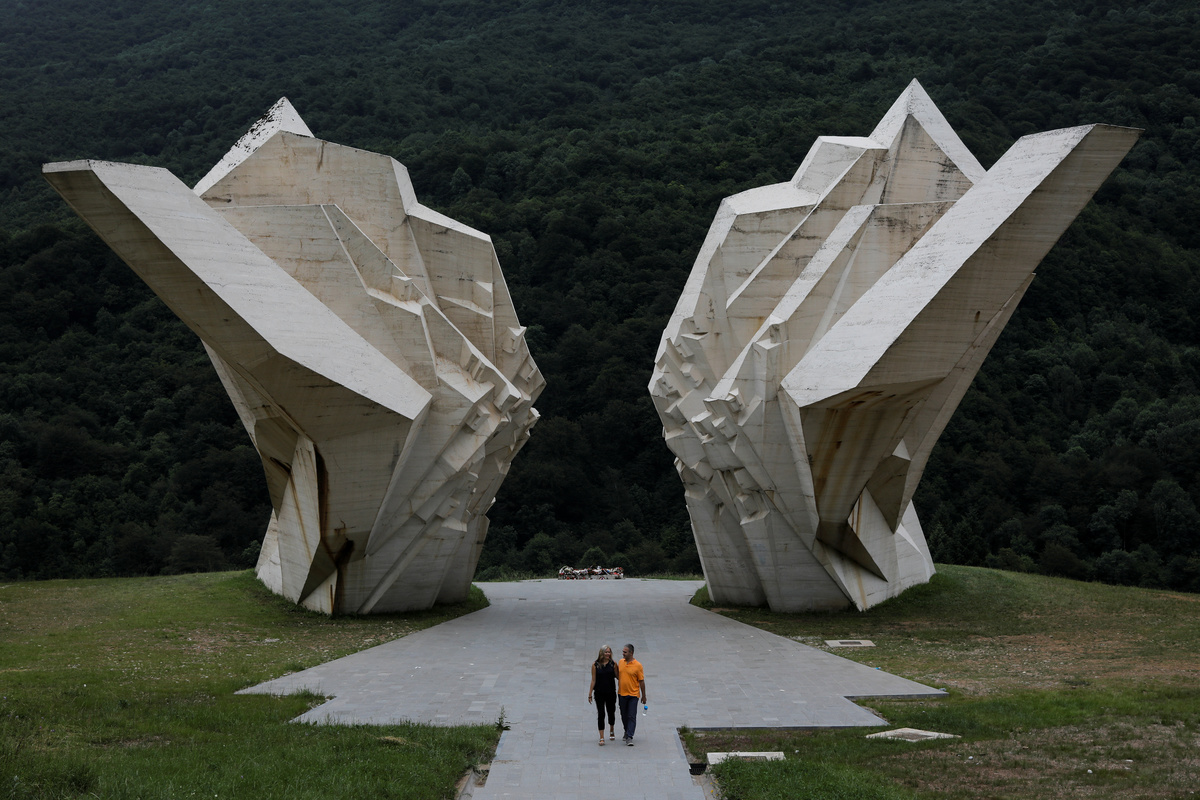
Other examples of Yugoslav brutalism include the huge memorials commemorating the struggle against fascism by Tito's partisans, often placed in dramatic rural settings.
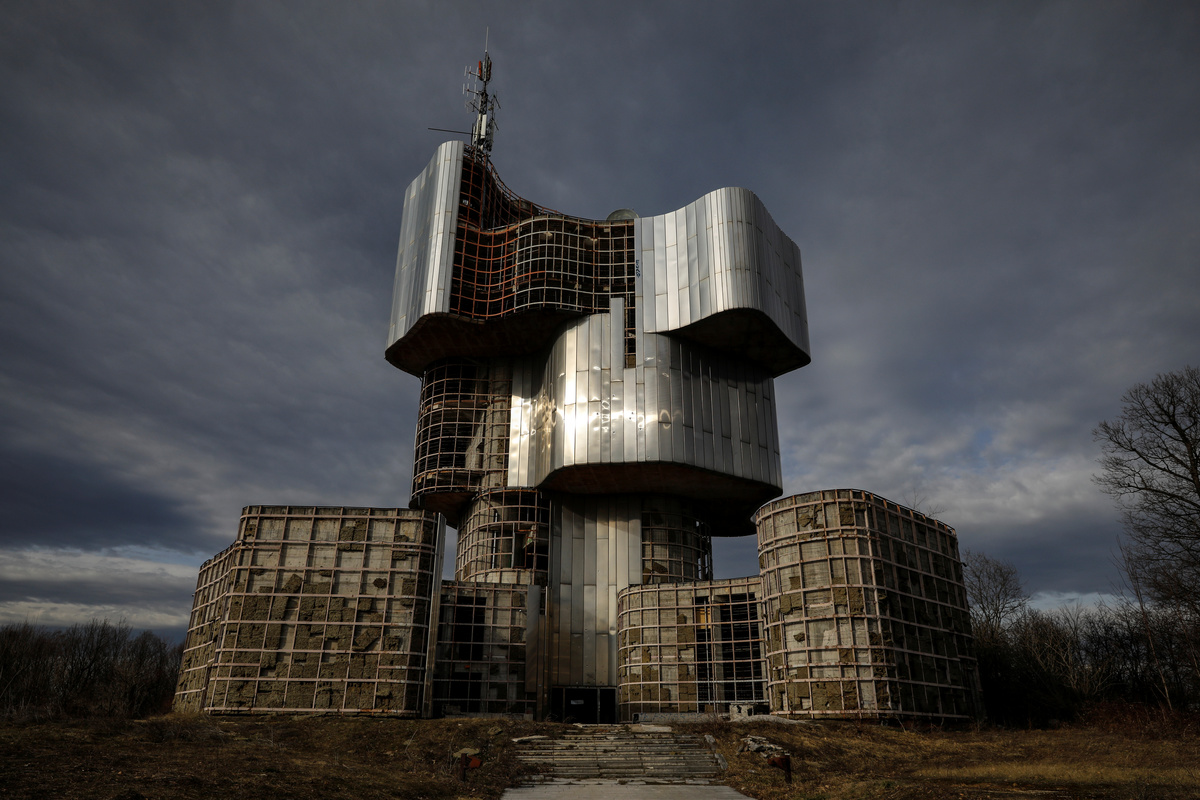
Many of those pieces of art remain in disrepair, such as the monument to the uprising against fascism in Petrova Gora in Croatia. However, the Tjentiste memorial, commemorating the killing of 7,000 people by the Nazis was renovated last year.
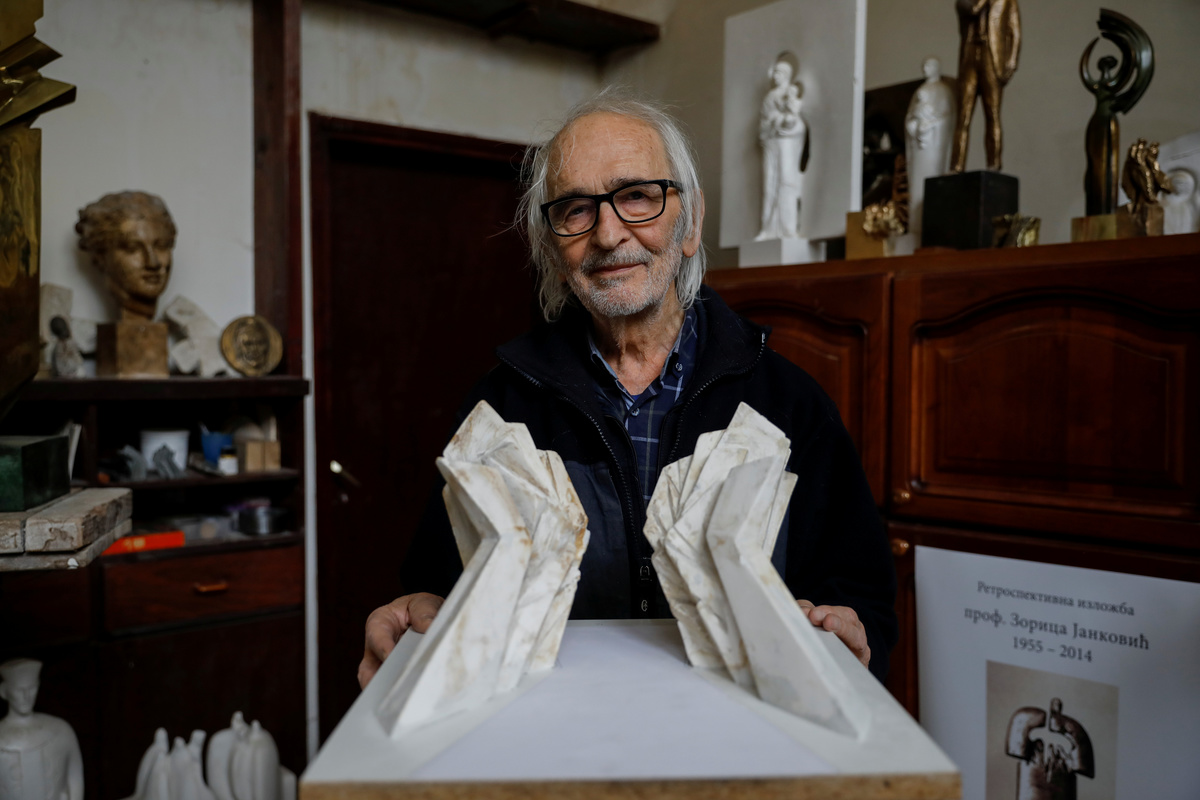
Miodrag Zivkovic, the 91-year-old sculptor of the 19 meter-high concrete Tjentiste memorial was among the first artists in the former Yugoslavia to use concrete.
"It is stable material, resembling stone but it is easier to work with," he said.
"For every project back in those days there was a national contest, and artists from all over the country had the opportunity to apply, and that competition produced quality."
(Writing by Ivana Sekularac, Editing by Alexandra Hudson)