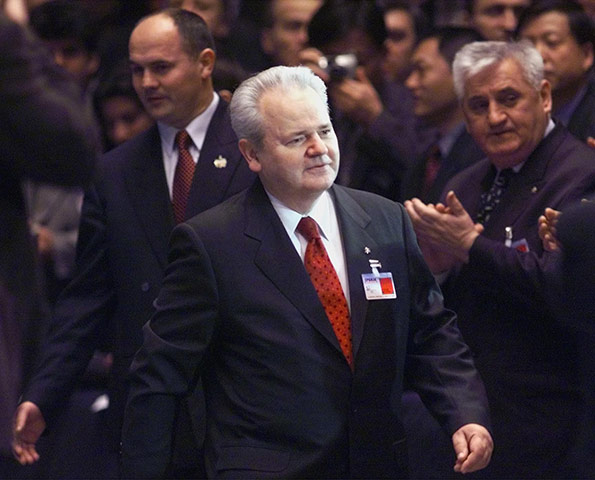
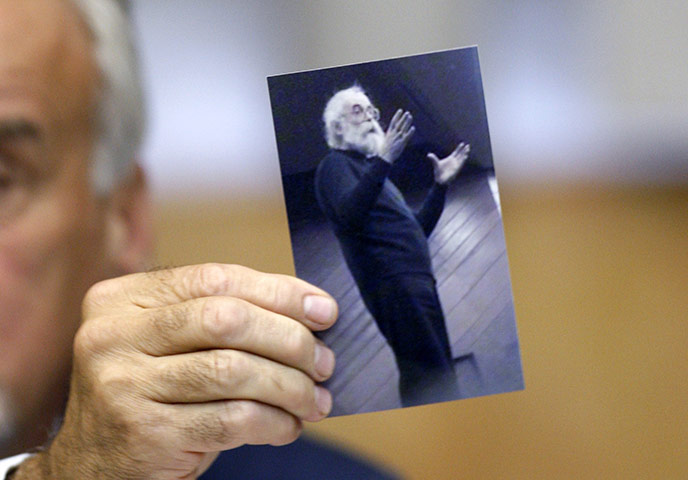
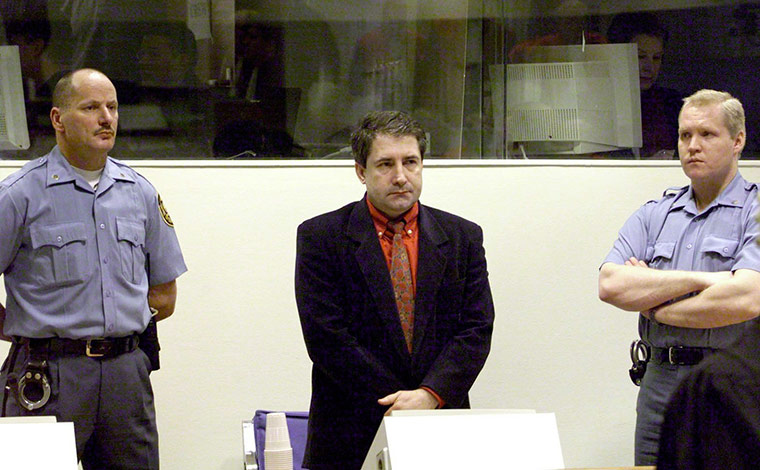
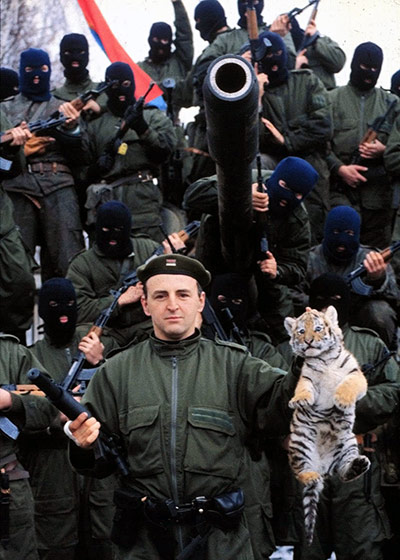
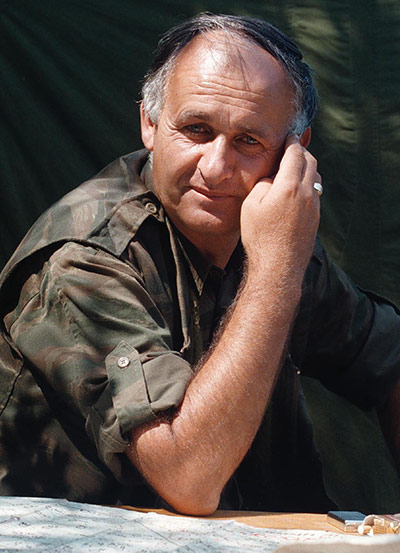
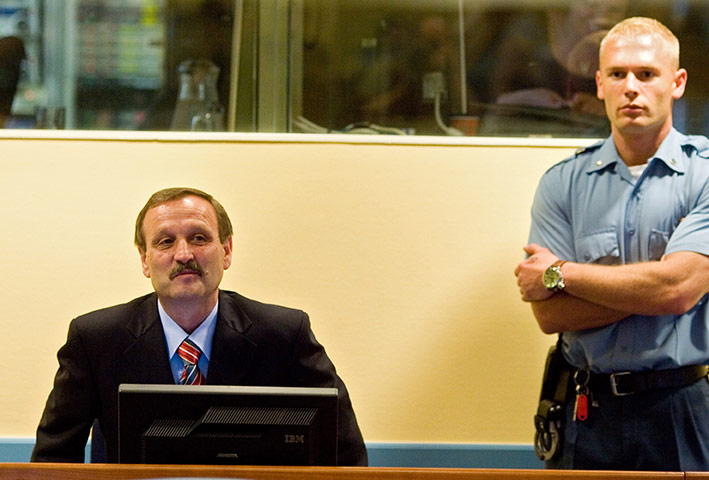
Goran Hadzic was the President of the Republic of Serbian Krajina in Croatia between 1992 and 1993. He played a key role in the siege of Vukovar in 1991 and is alleged to have conspired with Zeljko Raznatovic in the murder of non-Serb civilians under his jurisdiction. He lived openly in Croatia for almost 10 years after the war but fled in 2004 after his indictment became known. He was arrested on 20 July 2011Photograph: Ranko Cukovic/ReutersSlobodan Milosevic Milosevic died of natural causes while standing trial at The Hague tribunal in 2006. The former Yugoslav president who was dubbed the 'butcher of the Balkans' was being tried on 66 counts of crimes against humanity, including genocidePhotograph: Darko Vojinovic/APRadovan Karadzic was co-founder, with Duško Tadić of the Serbian Democratic Party and leader of the Bosnian Serbs during the war. After his 1992 declaration of independence for the part of Bosnia he termed 'Republika Srpska', he masterminded the policy of ethnic cleansing in pursuit of a Greater Serbia. In 2008 he was arrested in Belgrade after 13 years on the run. He is charged with genocide, among 11 counts on his indictmentPhotograph: Oleg Popov/Reuters
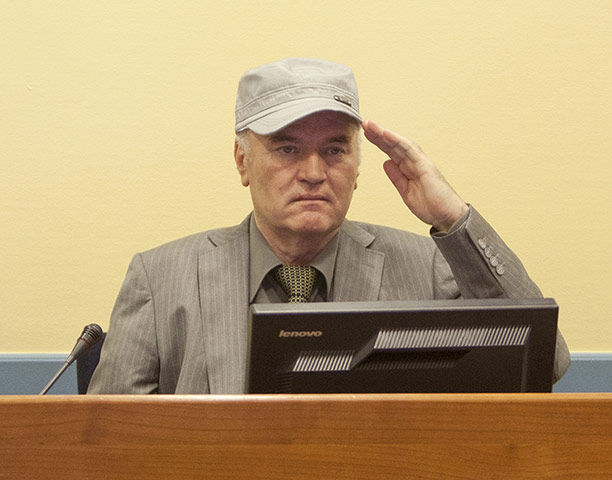
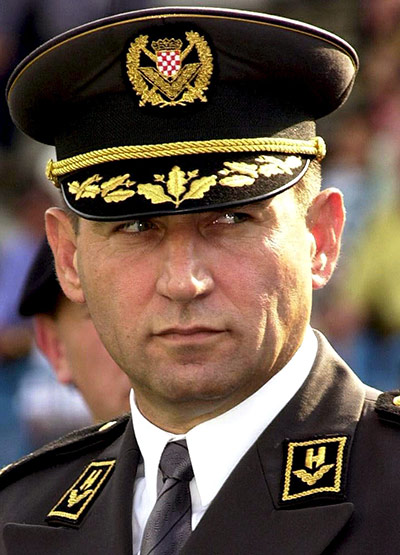
Gen Ratko Mladic, a former career officer in the Yugoslav National Army, was Commander of the Bosnian Serb Army from 1992 to 1996. When fighting began, he was in charge of the Yugoslav Army's 2nd Military District, which he made into the core of the Bosnian Serb army. He was arrested in 2011 and charged with genocide and war crimes linked to the Srebenica massacre and the siege of Sarajevo. His trial began June 2011.Photograph: Serge Ligtenberg/Getty ImagesAnte Gotovina, a former French foreign legionnaire, commanded Croatian forces in the Krajina region in 1995. His arrest in Spain in 2005 smoothed the way for Croatia’s EU accession talks. In 2011, he was convicted of nine counts of war crimes and sentenced to 24 years in jail.Photograph: EPADuško Tadić, the former Serbian Democratic Party leader and police reservist, commanded the Plavi Orlovi paramilitary unit. He was arrested in Munich in 1994 in connection with the running of the Omarska and Trnopolje prison camps in Bosnia and was the ICTY’s first case. In 1997 he was sentenced to 25 years in prison, later reduced to 20 yearsPhotograph: Hans Steinmeier/APZeljko Raznatovic, known as Arkan, was a bank robber and patisserie shop owner who commanded a notorious Serb paramilitary unit between 1991 and 1995. He was indicted in 1999 on 24 charges of crimes against humanity but was shot dead in Belgrade in 2000 before he could be brought to trialPhotograph: Mioljub Jelesijevic/APRadislav Krstic He became the first Bosnian Serb to be convicted of genocide for his part in the 1995 massacre of thousands of men and teenage boys at Srebrenica. Krstic was sentenced to 35 years imprisonmentPhotograph: Ranko Cukovic/ReutersMomčilo Krajišnik, the former speaker of the National Assembly of the Republika Srpska and former Serb Representative of the Bosnian-Herzogovinian Presidency, worked closely with Radovan Karadžić on the policy and implementation of ethnic cleansing. He was arrested in 2000 and is currently in the UK serving a 20-year prison sentencePhotograph: /ReutersMilan Martić Milan Martić was convicted of 16 counts including, murder, torture, deportation, attacks on civilians,and other crimes against humanity. The former Croatian Serb leader who once served as a policeman was sentenced to 35 years in prisonPhotograph: Fred Ernst/AFP/Getty Images
Sign up to read this article
Read news from 100’s of titles, curated specifically for you.