The U.S. dollar index, the Japanese yen and the Swiss franc strengthened on Monday, while the offshore yuan tumbled and the Australian dollar notched a four-month low as fears about the spread of the coronavirus in China pushed investors into safe-haven assets.
Health authorities around the world are working to control the coronavirus outbreak that has killed 81 people in China, stranded tens of millions during the biggest holiday of the year and rattled global markets. Investors are worried about the impact on travel, tourism and broader economic activity.
"Markets are all coughing and wheezing with the virus," said Shaun Osborne, chief foreign exchange strategist at Scotia Capital.
"You look at the price action across markets generally and it has been a day of outperformance for safe-havens. Markets are concerned that this is another SARS-like episode that could dampen the global economy to some extent."
While safe-haven assets have strengthened, currency moves were limited. The yen <JPY=> was the main beneficiary, up 0.35% to 108.89, although it remained well below the peak hit on Jan. 8. The dollar index <.DXY> was up 0.09%, last at 97.941. The Swiss franc <CHF=> was up 0.18% to 0.969 per dollar.
The possibility of a rapid turnaround in the event the virus is contained explains the relatively muted move in the dollar, said Juan Perez, senior foreign exchange trader and strategist, Tempus Inc.
"We do think the dollar this week, if nothing improves, will continue on this strong run. But of course, anything at any moment can change if the headlines do turn."
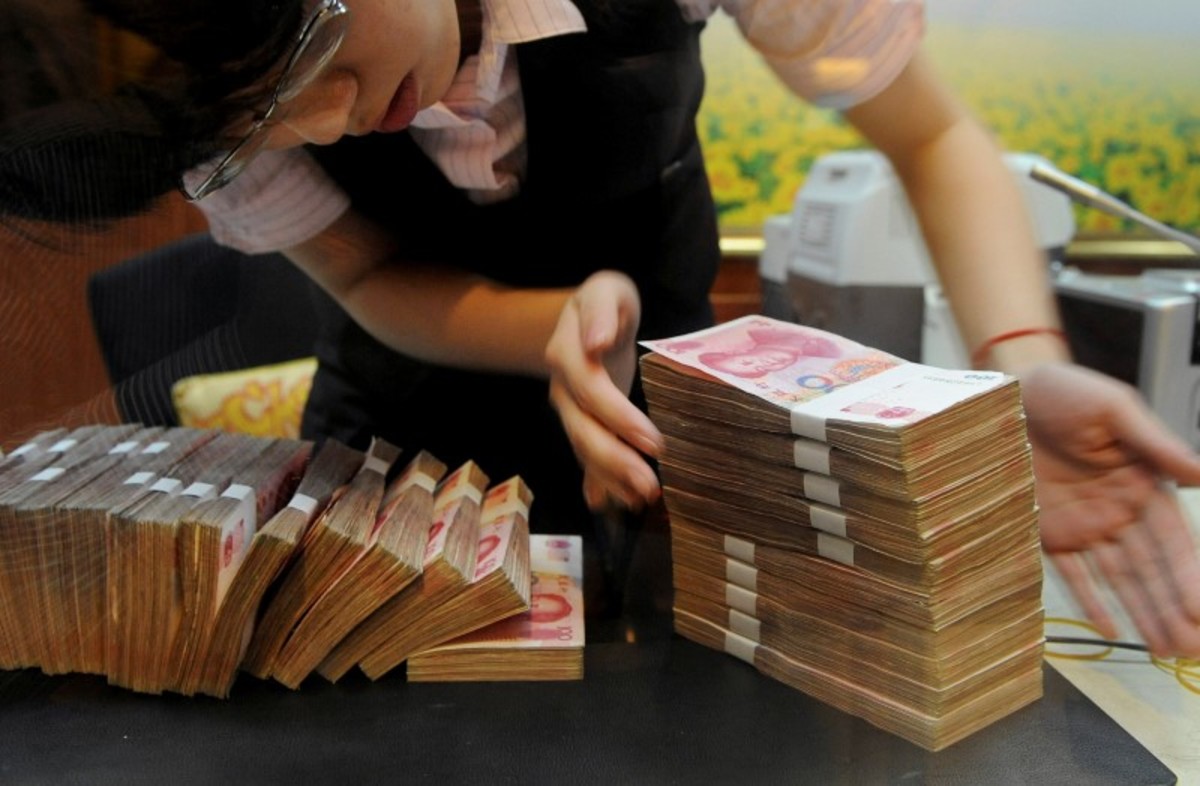
The offshore yuan shed as much as 0.9% to 6.99 per dollar <CNH=>, its weakest since Dec. 30.
The yuan has gone into a tailspin since it rallied to a 5-1/2-month high earlier in January. The dollar has gained more than 2% versus the Chinese currency since last Monday.
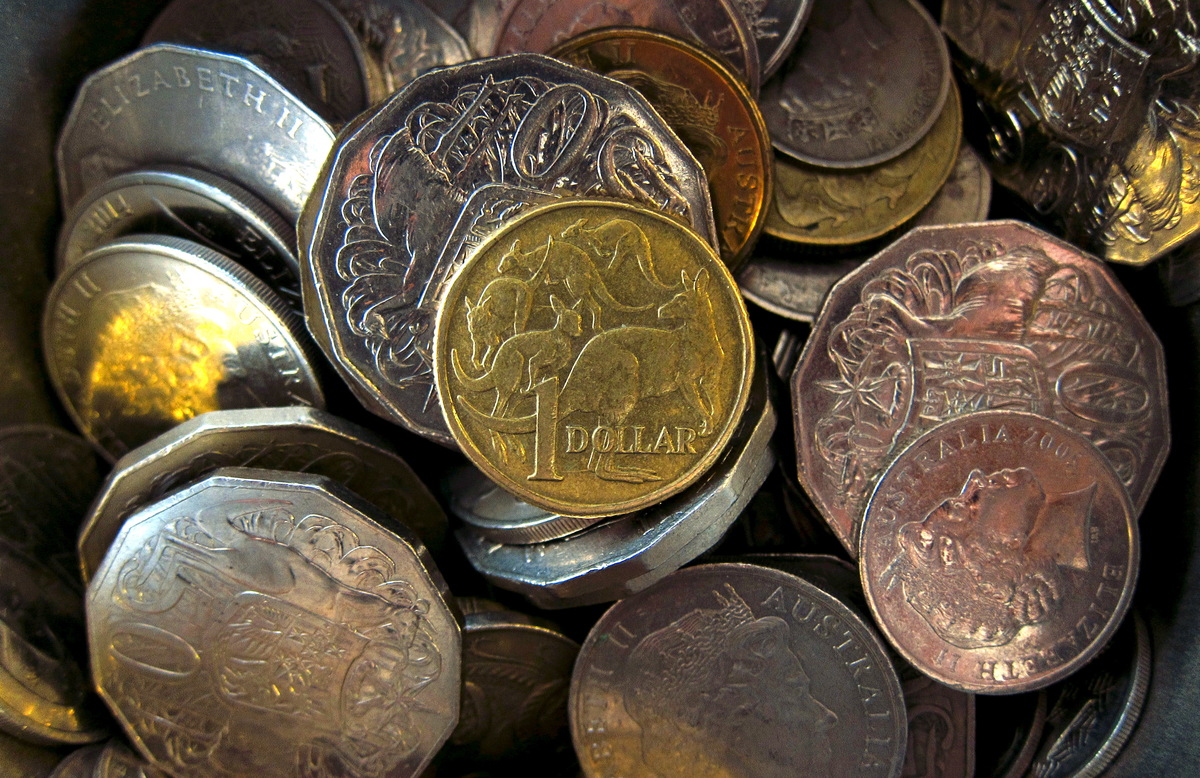
The Australian dollar, which is exposed to the Chinese economy, was last down 1.01% to $0.676 <AUD=>, having hit its lowest since Oct. 16 earlier in the session.
Traders said low liquidity helped exacerbate market moves. Financial markets in China, Hong Kong, Singapore and Australia are closed for holidays.
The euro fell to a two-month low against the yen of 119.92 yen <EURJPY=> and was last 0.38% lower on the day to 119.97.
(Reporting by Kate Duguid and Tommy Reggiori Wilkes; Editing by David Gregorio and Grant McCool)