For anyone who enjoys manual-brew coffee or loose-leaf tea at home, an electric kettle is essential. However, kettles made with plastic components have raised growing concerns, with studies warning these may release micro- and nanoplastics into the water you boil and drink.
A 2025 study published in npj Emerging Contaminants found that, while the evidence is not yet conclusive, regular use of plastic kettles may contribute to the ingestion of microscopic plastic particles. As concerns rise about the potential health effects of plastics and so-called 'forever chemicals,' it is not a risk worth taking for something as simple as your morning brew.
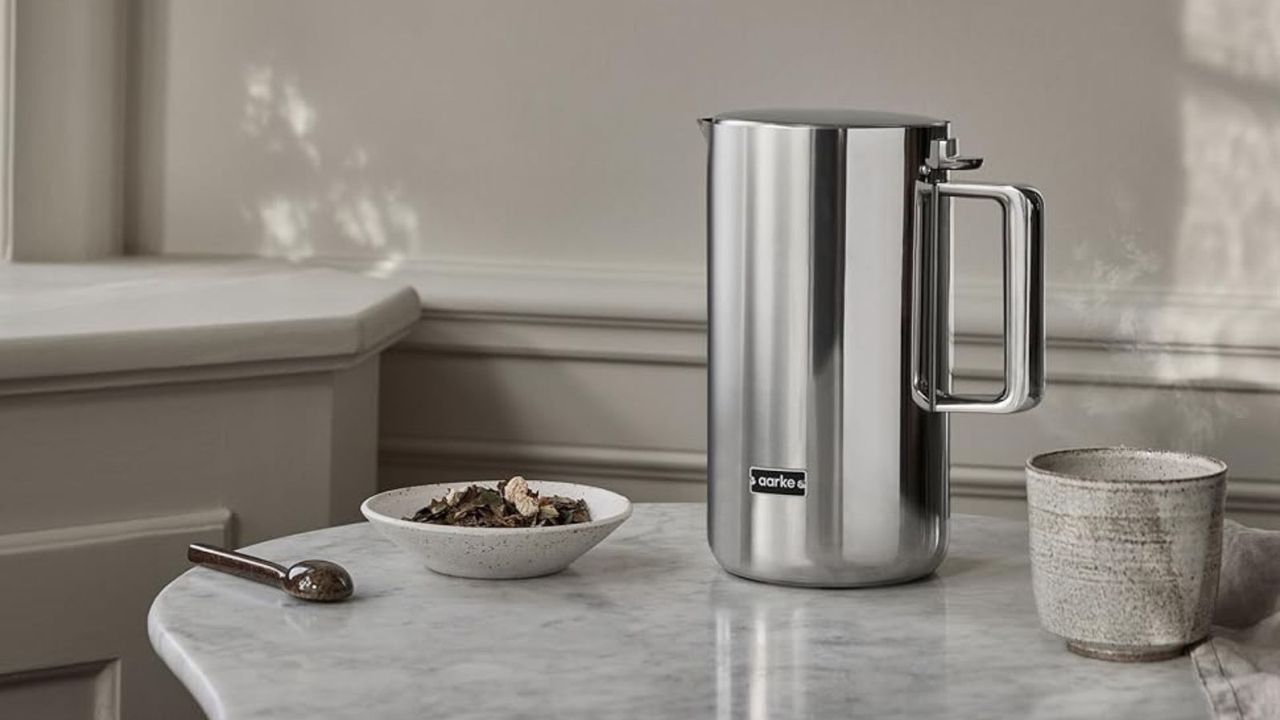
The solution? Switch to a non-toxic coffee maker made without plastic in the water path. One example is the fully stainless steel, premium Aarke kettle, pictured above. Here’s why making the change matters.
Why Plastic Kettles Could be Toxic
Concerns are increasingly being raised about whether heat and repeated use of plastic appliances may contribute to the release of micro- and nanoplastics into water.
Many lower-cost electric kettles still incorporate plastics in key components, often using materials such as polypropylene (PP), ABS, or polycarbonate blends, depending on the design. When these materials are repeatedly heated when making coffee at home, there is potential for polymer degradation and additive leaching, introducing microscopic plastic particles into the water.
While early studies are still not entirely sure of the long-term effects of microplastics on the body, it is generally considered good practice to reduce exposure where possible, working on the 'better safe than sorry' principle.
Other studies support this, adds Dr. Joseph Mercola, Board-Certified Family Physician. In late 2020, a Trinity College Dublin Study reported that polypropylene products, with kettles tested along with infant bottles and lunch boxes, released microplastics. The release of polypropylene rose from 0.6 million to 55 million particles per liter as water temperature rose from 25 to 95 degrees Celsius [77-203°F]. Since a kettle’s purpose is to heat water close to that range, day after day, I would not choose plastic as your main kettle material.'
While the 2025 study did suggest that the level of contaminants released by certain electric kettles may decrease with repeated use, trace levels can persist even after extended boiling cycles. As Dr Mercola reports, 'In a 100-day plastic-kettle study, minerals in real tap water formed protective films inside kettles; after 40 days, ions in water cut microplastic release by more than 89% compared with deionized-water controls. Still, that finding should not be read as a green light for plastic kettles.'
In other words, simply 'boiling out' plastics is not a reliable way to eliminate microplastics, even if the volume of harmful chemicals may reduce over time.
Why Stainless Steel Kettles are the Answer
Stainless steel, on the other hand, is chemically inert, meaning that it does not react or leach potentially harmful chemicals into food or water. This has the bonus of not impacting the flavor, too. That is why it makes some of the best non-toxic cookware.
Beyond the safety argument, they are more durable and are corrosion-resistant, meaning that they are a smarter financial investment, too.
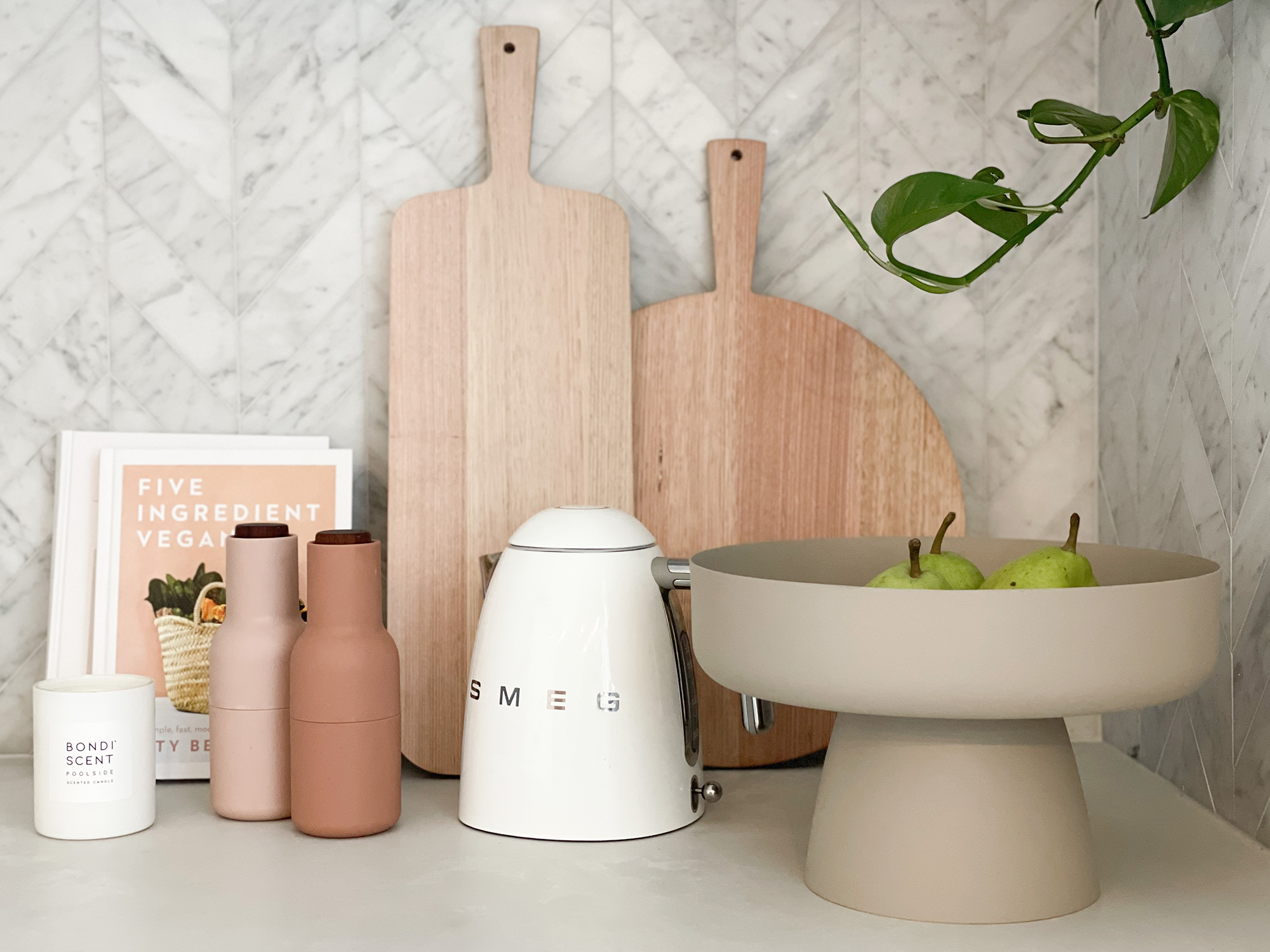
When brewing, stainless steel kettles also offer superior heat retention, keeping your water warmer for longer for repeated brews. This is the case for both stainless steel electric kettles, such as the SMEG Electric Kettle from Williams Sonoma, or the Willow Kitchen Gooseneck Kettle available at Macy's, and stovetop kettles, such as the KitchenAid Stainless Steel Whistling Induction Kettle, from Macy's.
Dr. Mercola agrees, adding, 'I prefer a glass or stainless steel kettle. Ceramic-lined options can also be useful if the glaze and interior materials are clearly disclosed. For a home kitchen, the goal is simple: heat water in glass, stainless steel, or ceramic, then pour it into a ceramic or glass mug. I would also avoid plastic travel mugs for hot tea or coffee, since the same basic principle applies: Heat and plastic are a poor pair.'
What to Shop
Plastics and 'forever chemicals' can creep into many parts of your coffee routine. To help reduce that risk, I’ve sourced six coffee bar essentials made without BPA plastics or other potentially harmful materials.
All prices correct at time of publication.
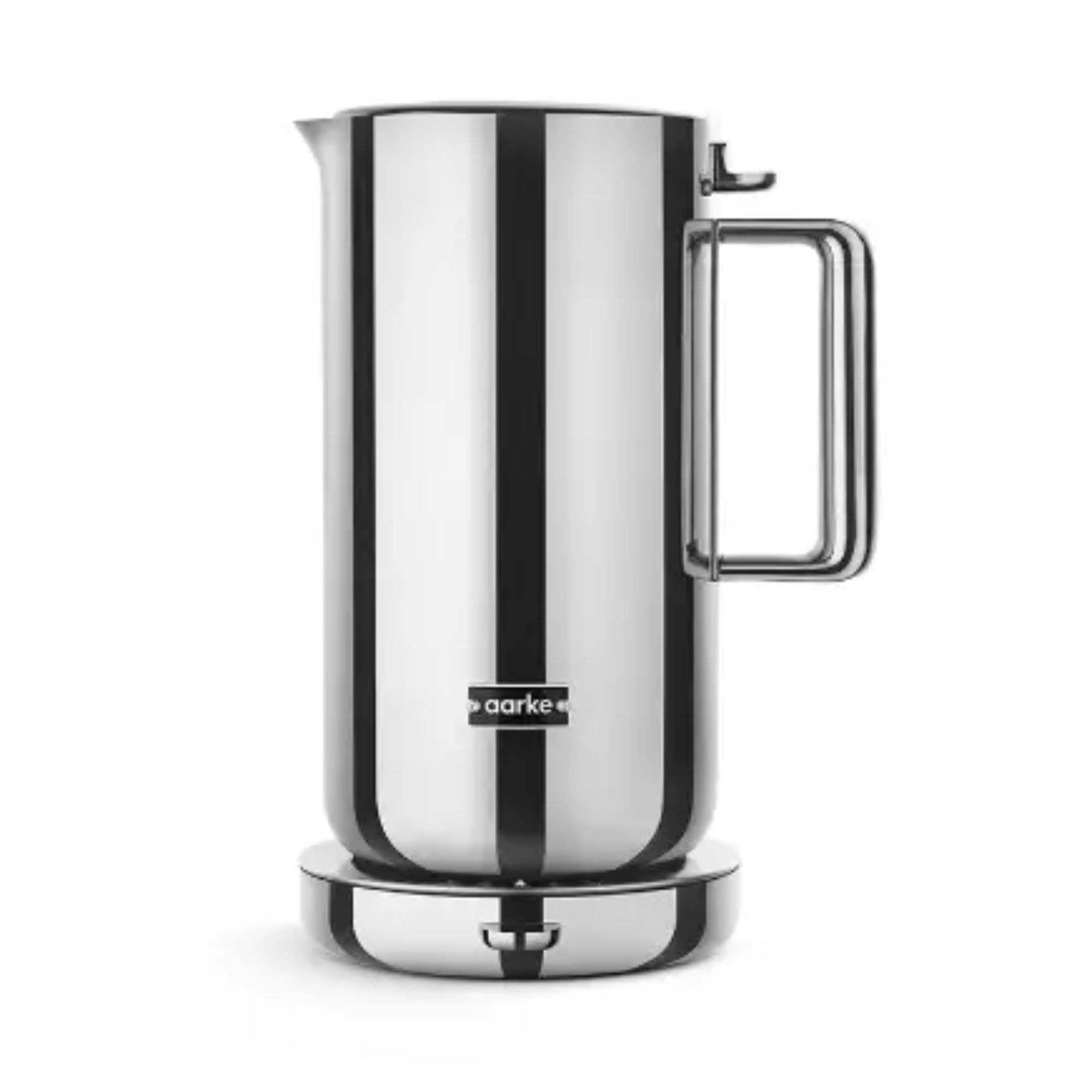
Aarke is one of our favorite non-toxic coffee brands. Their stainless steel kettles comes with a premium price, but their attention to detail is next to none. Available in classic steel, or with a matte black exterior finish, this Aarke electric kettle heats water to five different temperatures for optimal coffee, tea and hot chocolate.
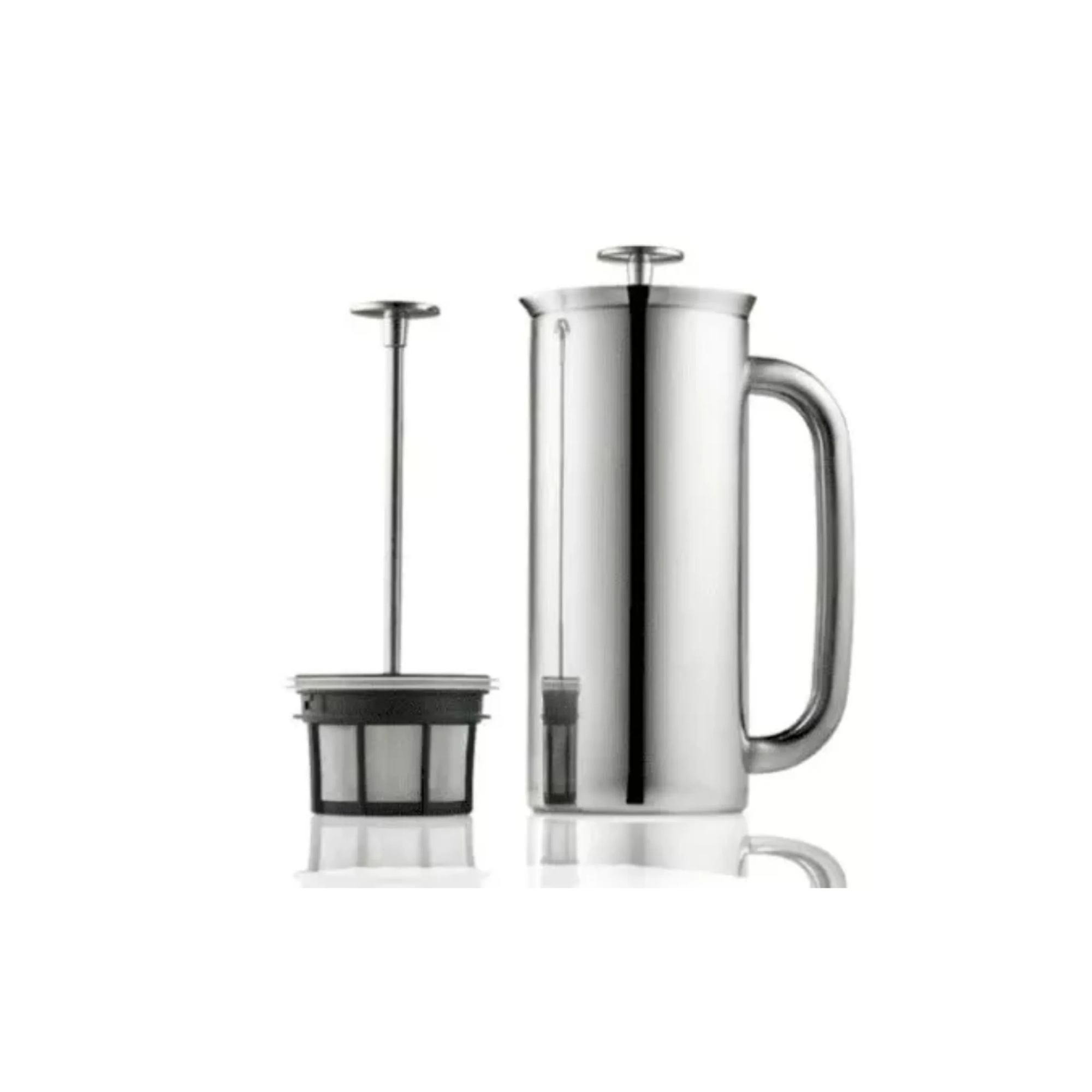
This is the best stainless steel coffee maker money can buy. It is crafted from premium, durable, double-walled steel that keeps your coffee warm for hours. The plunger is BPA-free, too.
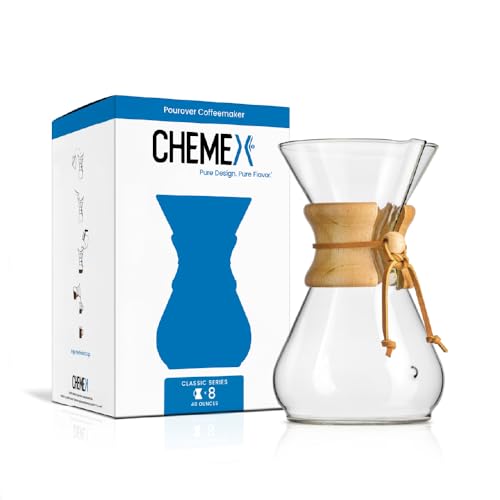
The Six Cup Classic CHEMEX is a no-frills, uncomplicated traditional pick that's perfect if you don't have the counter space or patience for frothers and buttons, and it's borosillicate glass makes it completely non-toxic. Plus, it's affordable at under $50.
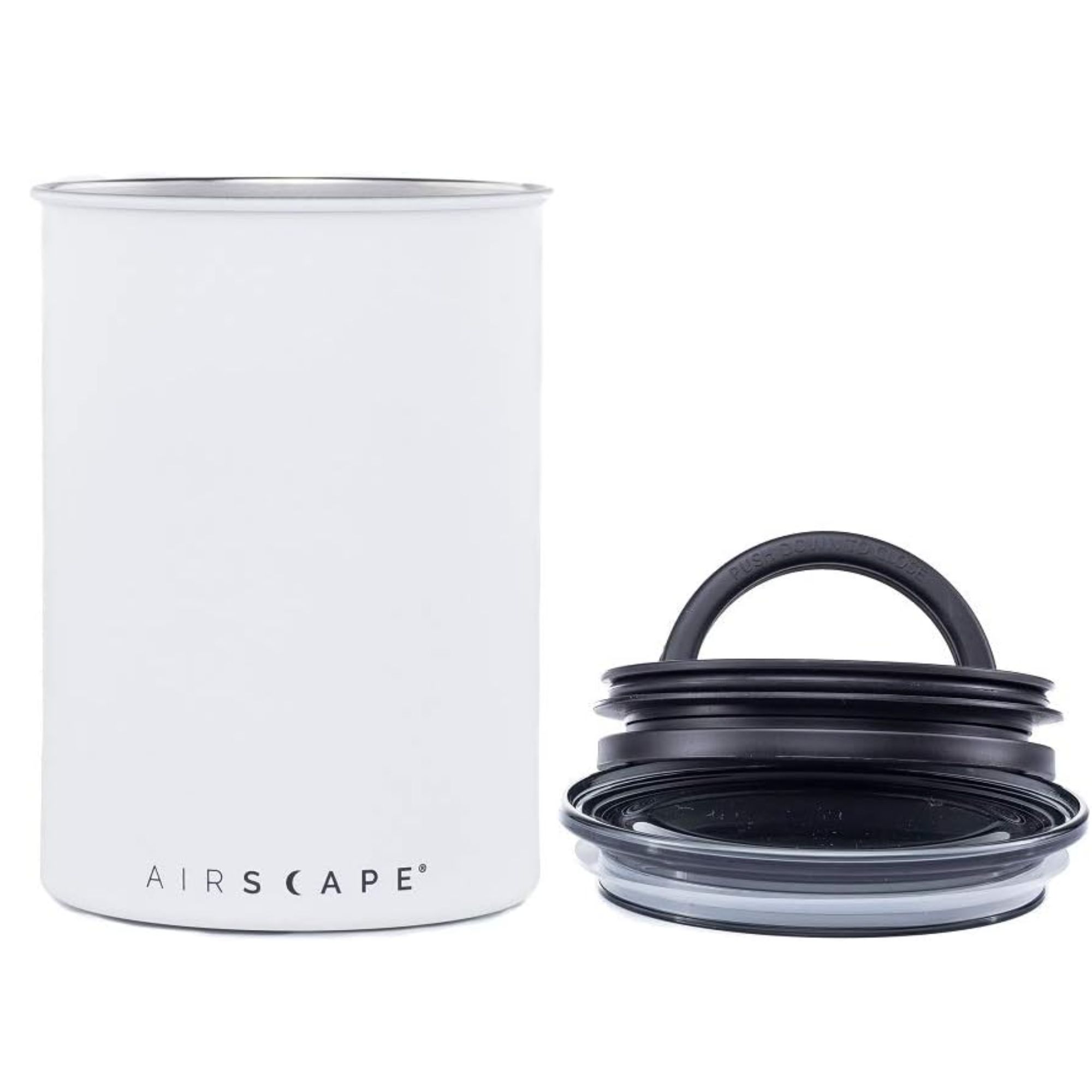
The Airscape canisters lock air out to keep the contents fresher for longer, making them ideal for extending the life of your fresh coffee beans.
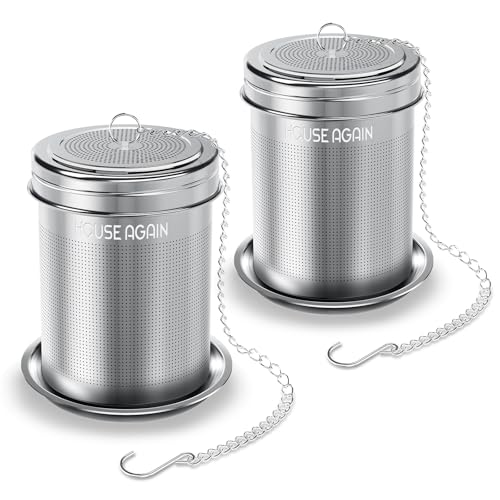
For loose-leaf tea enjoyers, consider switching to these 100% stainless steel brewers to eliminate plastic from your brewing routine altogether.
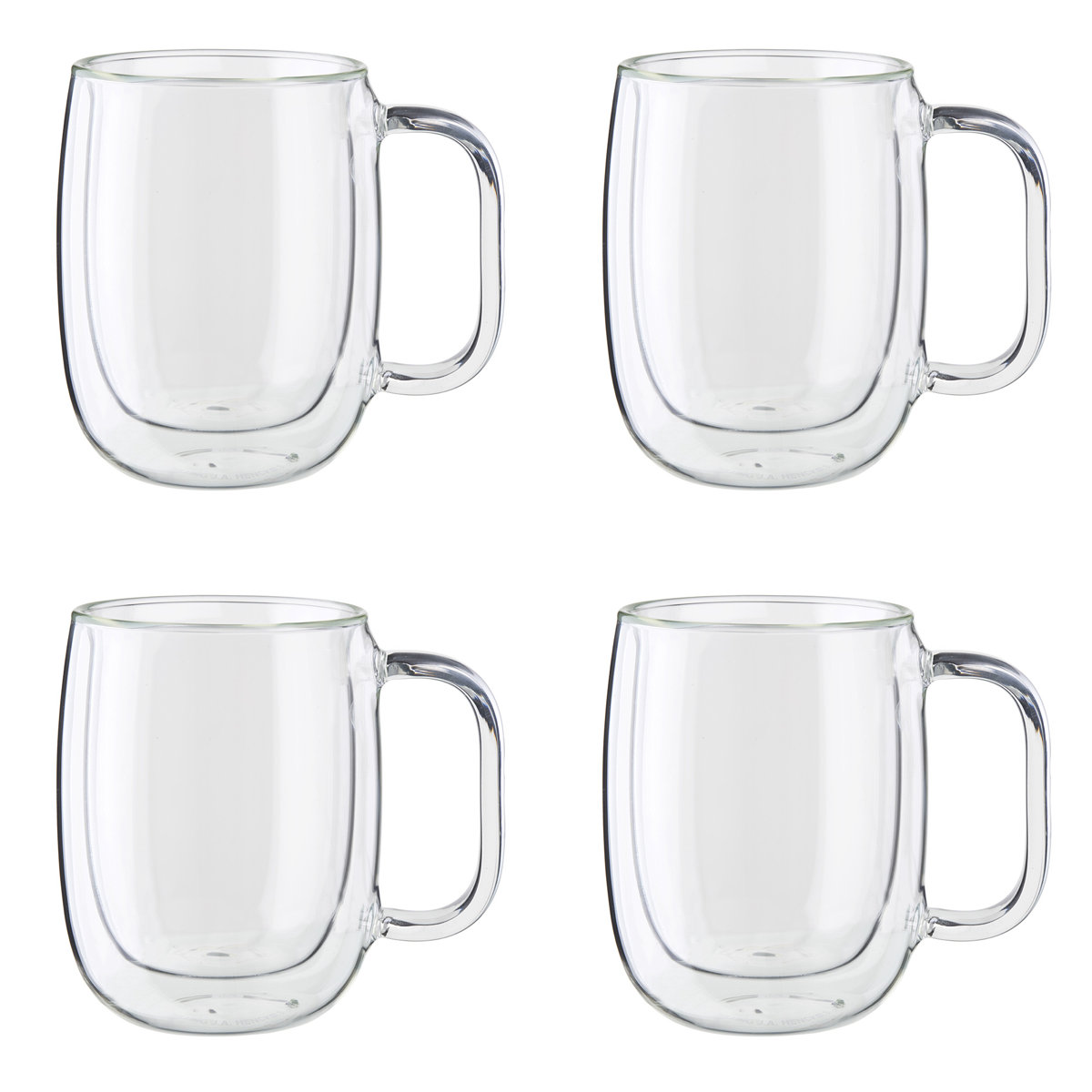
These double-walled insulated glass mugs keep your coffee warm, but the exterior is cool for easy handling. They are non-toxic, microwave, and dishwasher safe.
Meet the Expert
It’s not just health considerations worth thinking about when revamping your coffee routine. Choosing ethically sourced beans matters too. Our guide to selecting ethical coffee can help you build a more environmentally conscious setup.
Love the latest product news and helpful shopping advice? Sign up for our newsletter and get the latest features delivered straight to your inbox.