Stormzy, Alesha Dixon and London mayor Sadiq Khan are among those paying tribute to Kanya King, the Mobo Awards founder who has died aged 57.
King died after “a courageous and characteristically determined battle with colon cancer”, the Mobo Organisation said in a statement on Friday 5 June.
“She was surrounded by her family, close friends and love.”
King, the youngest of nine children raised in a cramped council flat in Kilburn, north London, was best known as the tenacious visionary who was instrumental in elevating Black music and culture into the mainstream in the UK.
She established the Mobos in 1996 while faced with industry scepticism and racist attitudes – she was told Black music was “too niche, that there was no market and that the industry was not interested”.
King persisted, remortgaging her flat to fund it and build a stage “that would transform British music forever”. It was, the statement said, not just an awards ceremony but “an act of cultural justice”.

For the next 30 years, the awards championed some of the UK’s best and most successful talents, from Stormzy to Amy Winehouse, Olivia Dean, RAYE and So Solid Crew.
A number of those artists are now paying tribute to the woman who helped, not just to celebrate Black music, but “legitimised it, amplified it, and demonstrated its commercial and creative power to a world that had too often chosen not to see it”.
“Kanya King, one of one,” Alesha Dixon wrote on Instagram. “Incredible woman! Thank you for everything! You helped so many people, your impact is immeasurable! Rest in peace angel.”
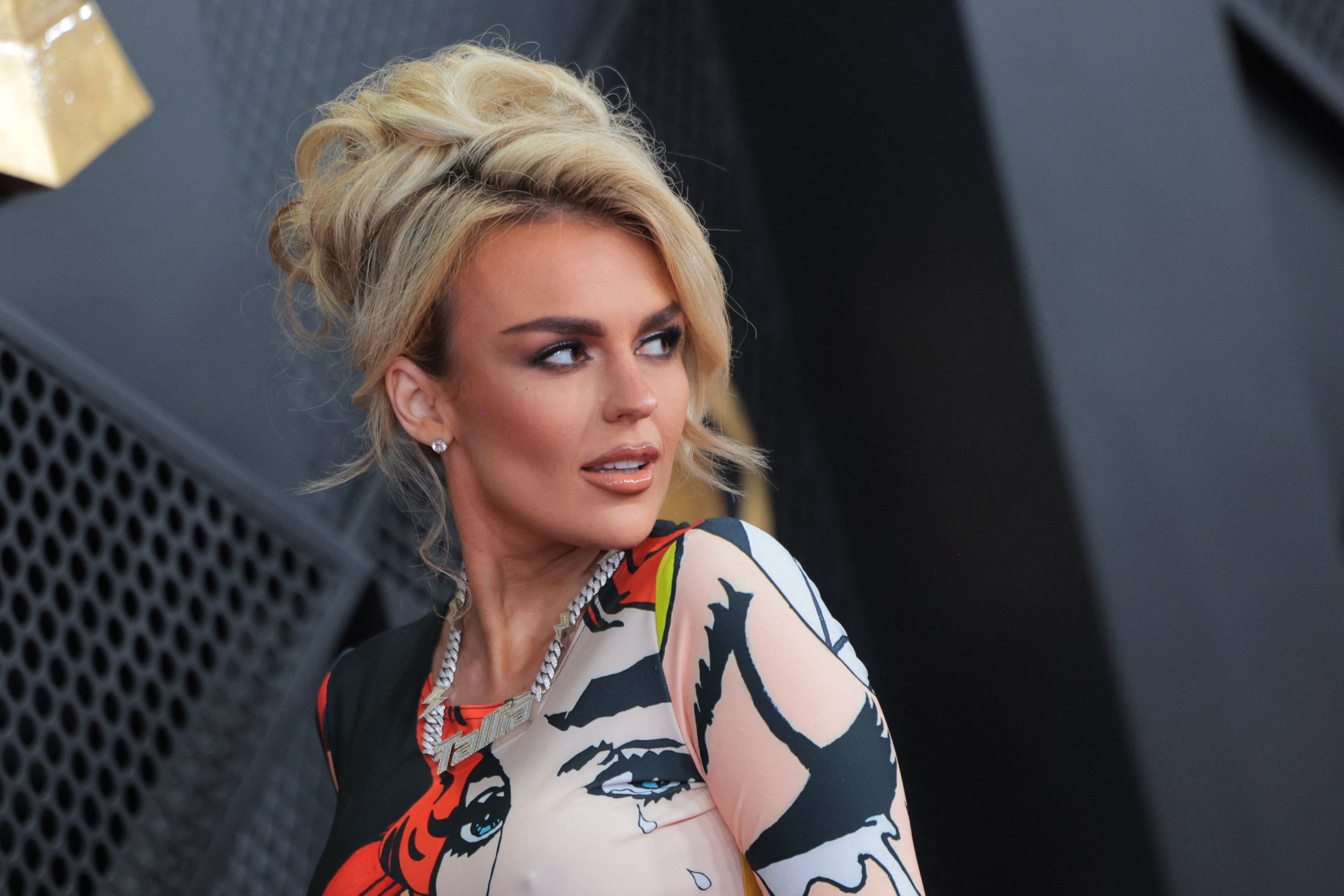
Singer Tallia Storm said she was “heartbroken” to learn of King’s passing: “What Kanya King built with the MOBO Awards changed British music forever,” she said. “She created opportunities where none existed, championed talent that others overlooked, and opened doors for generations of artists, presenters and creatives.
“I was fortunate enough to experience her kindness firsthand. She gave me one of my first opportunities as a presenter at the MOBO Awards in 2016 when I presented Kano with his award on stage. Like so many others, I will always be grateful for her support, encouragement and belief in young talent.”
Storm said the news was even harder to process given that the Mobos had celebrated its 30th anniversary just a few months ago in March: “Seeing the impact of her life’s work and the community she built around her was truly inspiring,” she wrote.
“Kanya was a light like no other. Selfless, visionary, warm and determined. Her legacy reaches far beyond music. It lives on in every artist she championed, every door she opened, and every person she inspired to dream bigger. The world has lost a truly remarkable woman. Rest in power.”
In a statement sent to The Independent, Beverley Knight hailed King for her “determination and resilience” at a time when “the music made in large part by Black urban artists like myself was ignored”.
“Kanya King remortgaged her house and used the proceeds to fund an award ceremony that I can say personally helped to expose my music to a mainstream audience. It was, for years, vilified in some corners of the media,” she said.
“Stories about violence, mocking the attire of attendees and other derogatory stories were a constant, but Kanya persisted and stayed true to her vision. Thirty years later the MOBO Awards are now globally recognised as a celebration of the Music of Black Origin and has become a beacon for other countries to look towards what is coming out of the British urban music landscape.
“From Kele Le Roc, Miss Dynamite, Craig David, Misteeq, Stormzy, Skepta, Raye, Nova Twins, and countless others, the MOBOs has championed for 30 years the brilliance of artistry within the UK and also highlighting some of the international successes.”
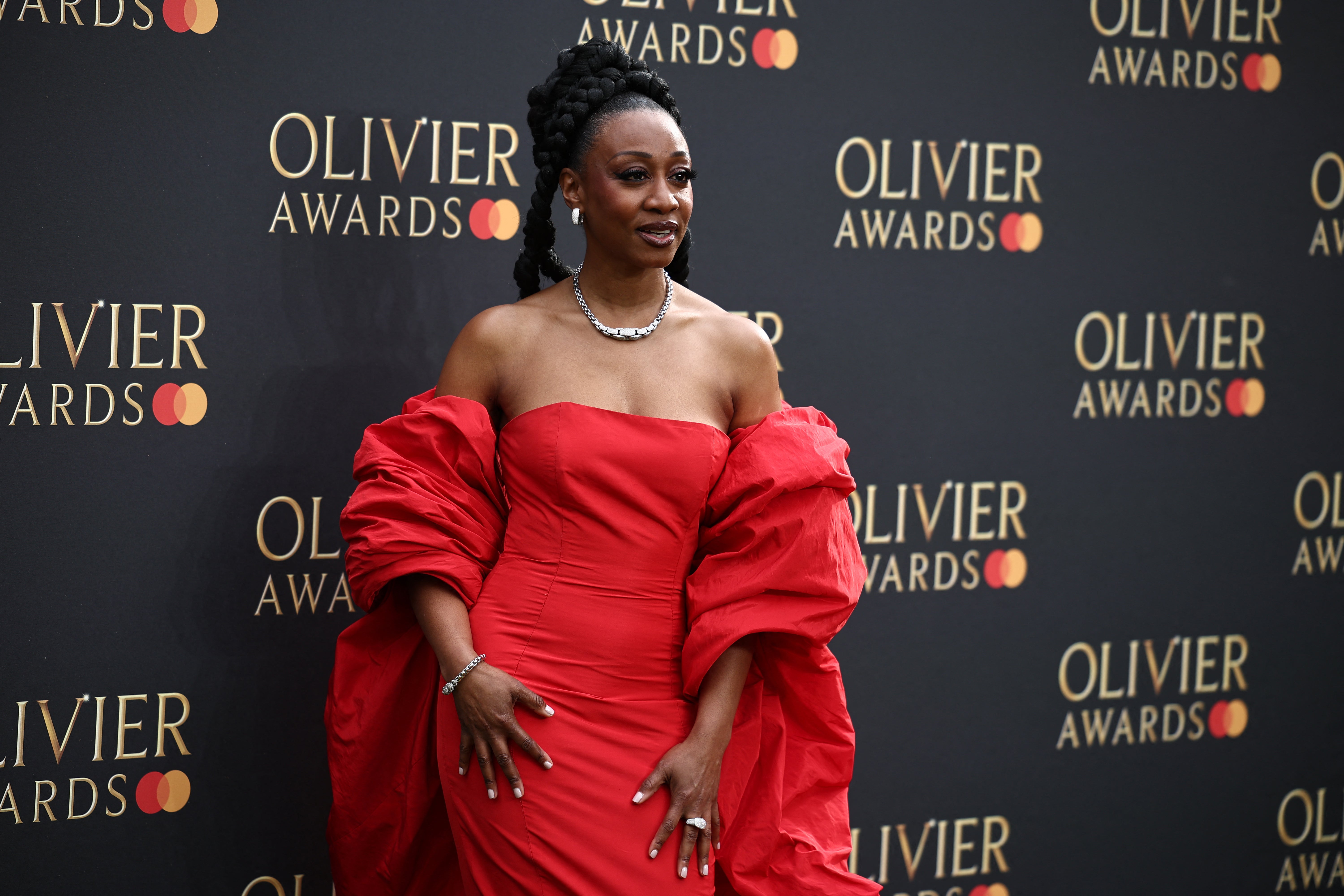
Knight concluded: “I will be forever grateful to Kanya’s vision for the MOBO awards; without it, I would undoubtedly had a much harder mountain to climb. Rest well, Sister, your legacy is in enshrined in British Music history forever.”
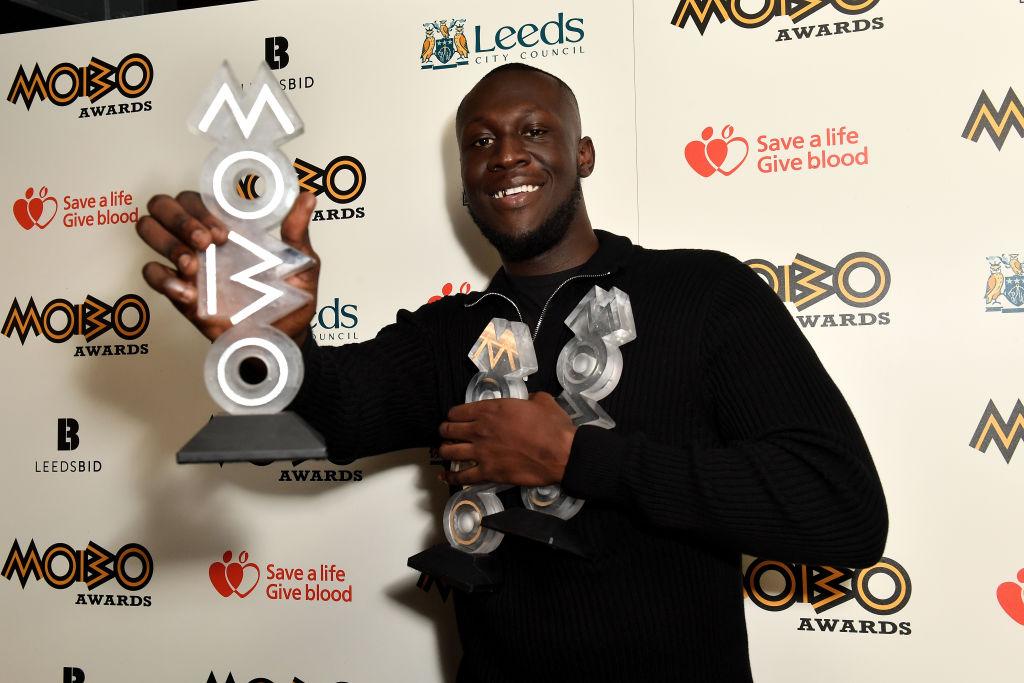
Stormzy, who has seven Mobos to his name including for Best Grime Act in 2014 – the first award of his career as well as being the inaugural prize in that category – shared the organisation’s statement to his Instagram stories and added heart and dove emojis.
“Kanya King was a true pioneer,” Sadiq Khan wrote in a statement on X. “She changed the face of culture and music - opening doors and creating opportunities for so many others. Her legacy will continue to inspire generations to come.
“My deepest condolences to her family, friends and loved ones.”
King was heavily influenced by the discrimination she witnessed towards her parents, an Irish mother and Ghanaian father. “My father had a strong African accent, he struggled to get a job,” she told Music Week. “You’d watch things at Christmas time, like Zulu, and the images of Africans were of savages, the very opposite [of reality]. My father was very elegant.”
Her father’s death from leukaemia when she was 13 also affected her deeply, giving her a drive to see others achieve their dreams. She felt “written off” at 16 when she gave birth to a son and became a single mother, after splitting with her child’s father after a year.
“That put a fire in my belly and gave me the motivation to say, ‘Why should I not have ambition?’” she told The Evening Standard.
She deliberately emphasised the Mobos’ focus on Music of Black Origin, recognising style and influence over skin colour. “We’ve always said it’s about the music... an event that celebrates music of Black origin doesn’t seek to separate artists according to skin colour,” she said.
The Mobos quickly became star-studded events, drawing major artists including international stars such as Destiny’s Child, Lionel Richie, Janet Jackson and Rihanna, who mingled at the ceremonies with homegrown talent such as Kano, Craig David, Stormzy and Amy Winehouse.
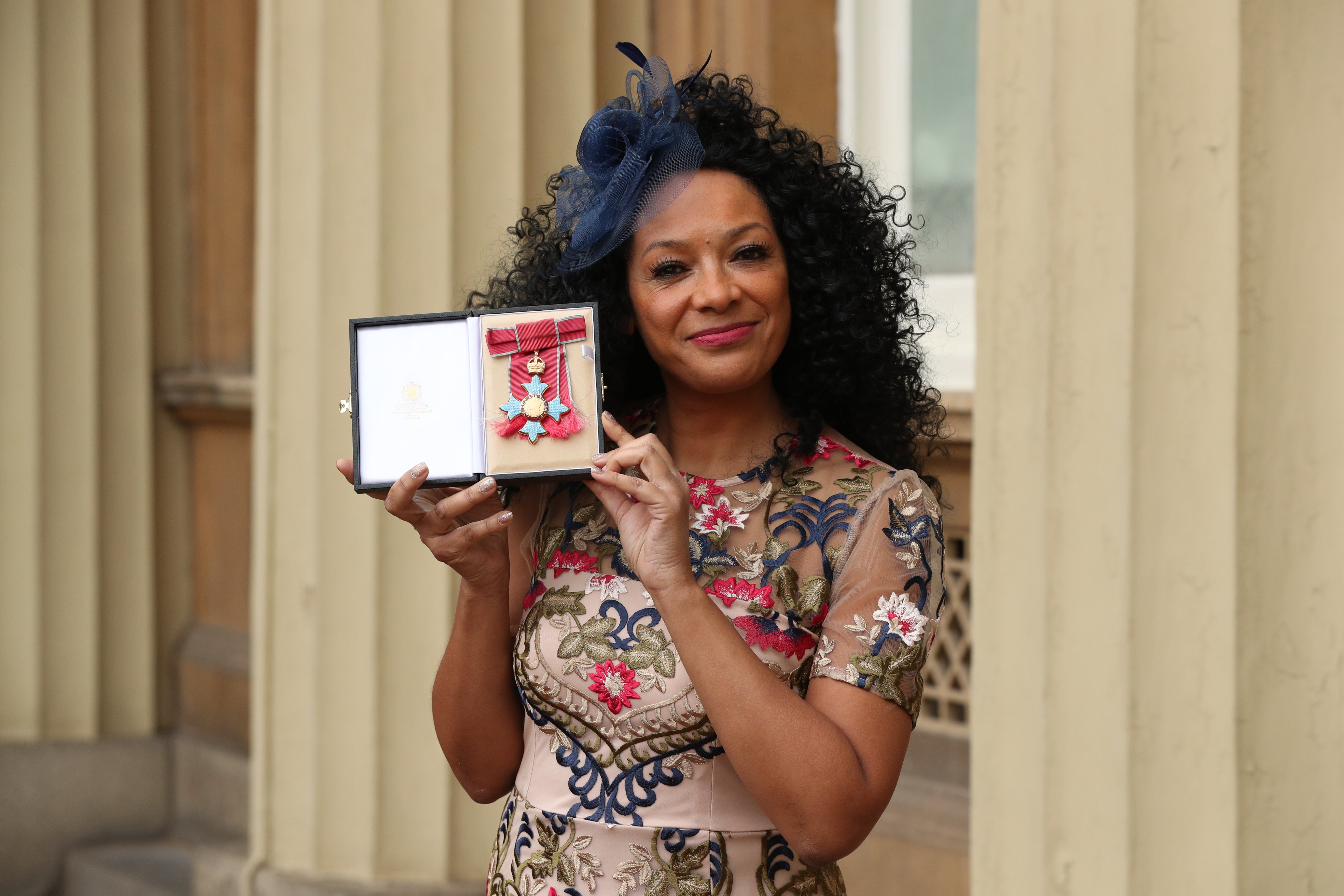
King’s extraordinary contributions to the music industry were formally recognised with a CBE in the 2018 Queen’s Birthday Honours List.
“The world was a profoundly better place with Kanya King in it,” the Mobos statement concluded. “The Mobo family is heartbroken, but also endlessly grateful, proud and inspired by everything she gave to music, culture and the generations who will follow in her footsteps. Rest in power, Kanya. You built this. All of it.”
King announced her diagnosis in December 2024, on the same night she received a LIVE Foundation lifetime achievement award for her tireless work over three decades.
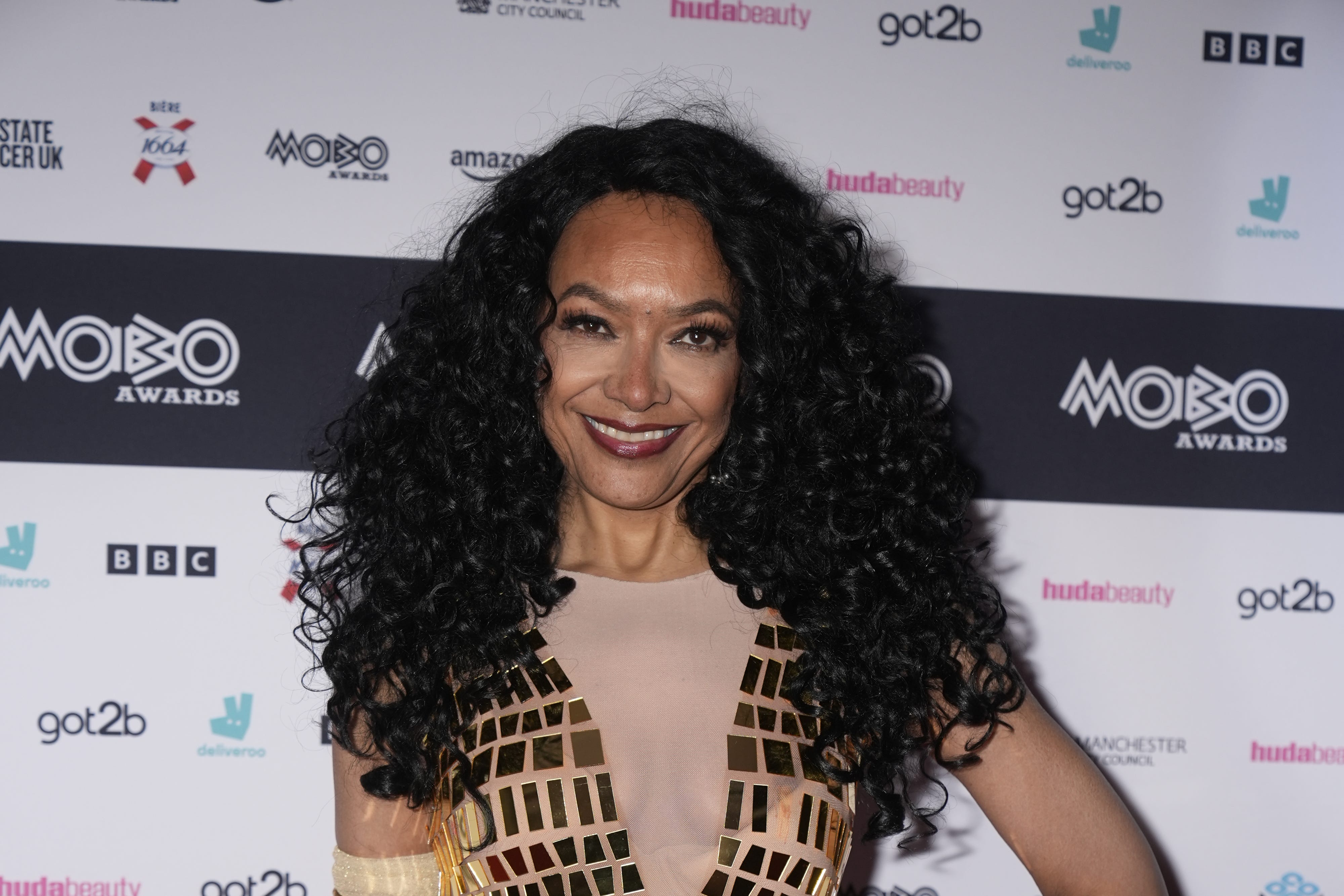
“While this journey will undoubtedly be challenging, I’ve always believed in finding meaning through adversity,” she said. “If my story can save just one life, then it’s a story worth telling.”
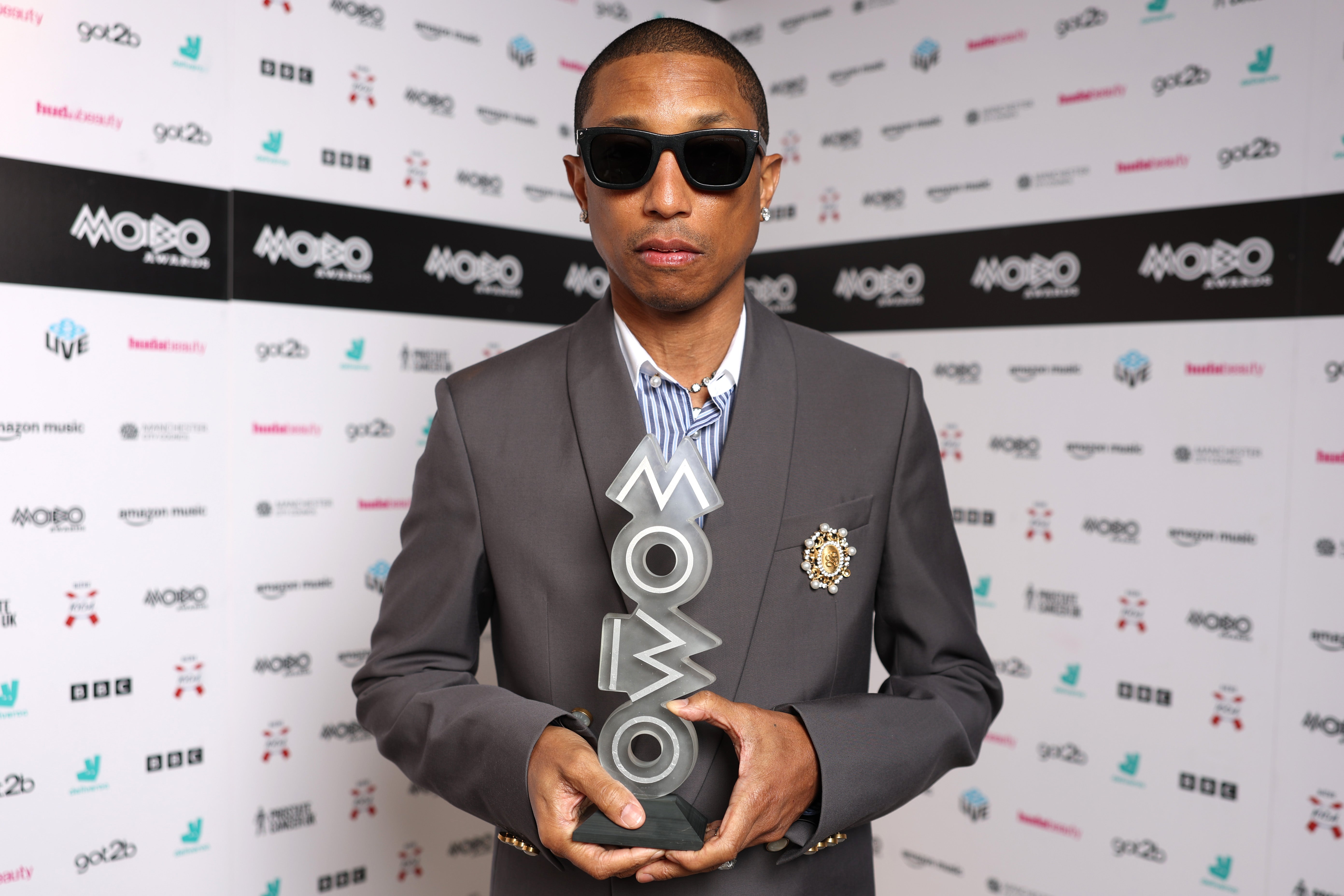
Producer and artist Pharrell paid tribute to King’s tenacity while accepting the Global Songwriter Award at this year’s ceremony, where King was seen in public for the last time on the red carpet in Manchester.
“When you love what you get to do,” Pharrell said, “you’re never working. You’re just having the time of your life.”