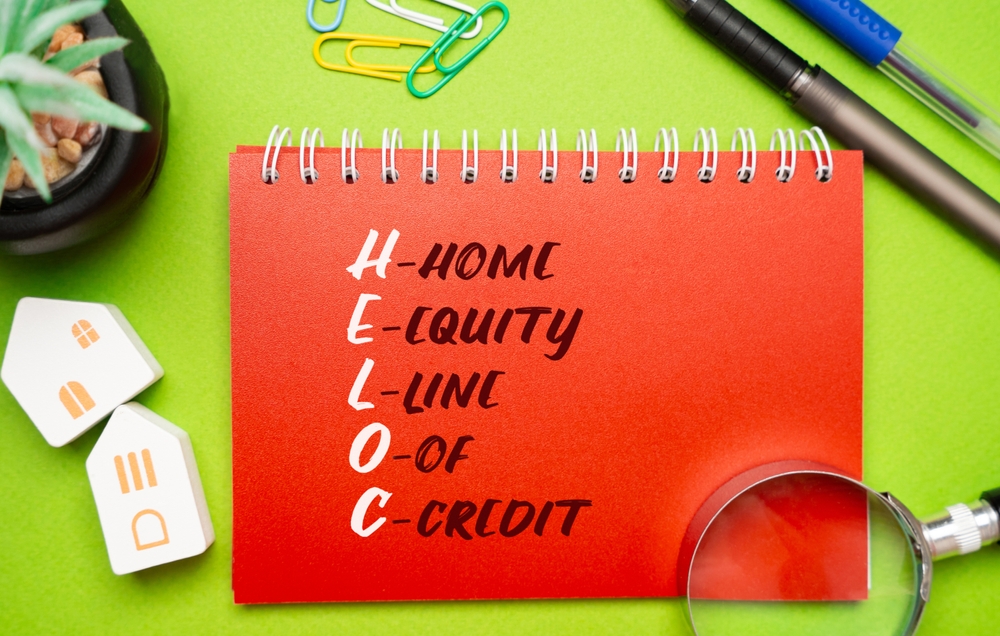
For many retirees, a home equity line of credit (HELOC) feels like a safety net. It promises access to cash when needed, backed by the value of a home. Seniors often use HELOCs to cover medical bills, home repairs, or daily expenses. Yet beneath the surface, these financial tools carry risks that can undermine retirement security. What looks like stability can quickly become a trap.
How HELOCs Work
A HELOC allows homeowners to borrow against the equity in their property. Unlike traditional loans, it functions like a credit card with a revolving balance. Seniors can draw funds as needed, paying interest only on what they use. While flexible, this structure exposes retirees to fluctuating interest rates, lender restrictions, and repayment challenges. Understanding how HELOCs work is essential to recognizing their risks.
The Hidden Dangers
HELOCs come with dangers that are often overlooked:
- Variable interest rates: Payments can spike unexpectedly, straining fixed incomes.
- Lender freezes: Banks can reduce or freeze credit lines during economic downturns.
- Balloon payments: Some HELOCs require large lump-sum repayments after draw periods.
- Foreclosure risk: Failure to repay can result in losing the home itself.
For seniors, these dangers can transform a lifeline into a liability.
Data from housing finance agencies show that HELOC defaults rise sharply during economic downturns. Seniors on fixed incomes are disproportionately affected, as they lack the flexibility to absorb sudden payment increases. Analysts warn that retirees relying heavily on HELOCs may face foreclosure risks if markets shift. The numbers highlight that HELOCs are not as safe as they appear.
The Regulation of HELOCs
Regulation of HELOCs remains limited. Lenders are not required to provide clear warnings about risks, leaving seniors vulnerable. Consumer protection agencies have called for stronger oversight, but progress is slow. Without reform, retirees remain exposed to hidden dangers. Policymakers have fallen short in ensuring transparency and fairness.
Steps You Can Take Today
Seniors can protect themselves by taking proactive steps. Consulting financial advisors helps identify safer alternatives. Refinancing into fixed-rate loans reduces exposure to variable interest. Limiting reliance on HELOCs for daily expenses preserves stability. Families should encourage open conversations about risks and explore community resources for financial support. By combining professional guidance with cautious planning, retirees can transform uncertainty into security.
Safeguard Your Home
Families play a critical role in protecting seniors from HELOC risks. Children and grandchildren can assist in reviewing loan terms, monitoring payments, and exploring alternatives. Open communication reduces surprises and ensures retirees are not blindsided by lender actions. Safeguarding homes is not just about finances—it is about preserving legacies and stability.
HELOCs promise security but often deliver risk. When security meets risk, awareness becomes essential. Seniors must demand transparency, families must provide support, and policymakers must act. Only then can retirees ensure their homes remain sources of stability, not vulnerability.
Have you or a loved one relied on a home equity line of credit? Leave a comment below and share your experience.
You May Also Like…
- What Is a No-Income Verification HELOC?
- Rising Mortgage Rates and Slumping Home Sales Increase Use of HELOC and Home Equity
- 8 Smart Alternatives to Selling Your House in Retirement
- Why Some Seniors Are Choosing Reverse Mortgages—and the Risks They Don’t Warn You About
- What Retirees Should Know About Home Equity and Reverse Mortgages