
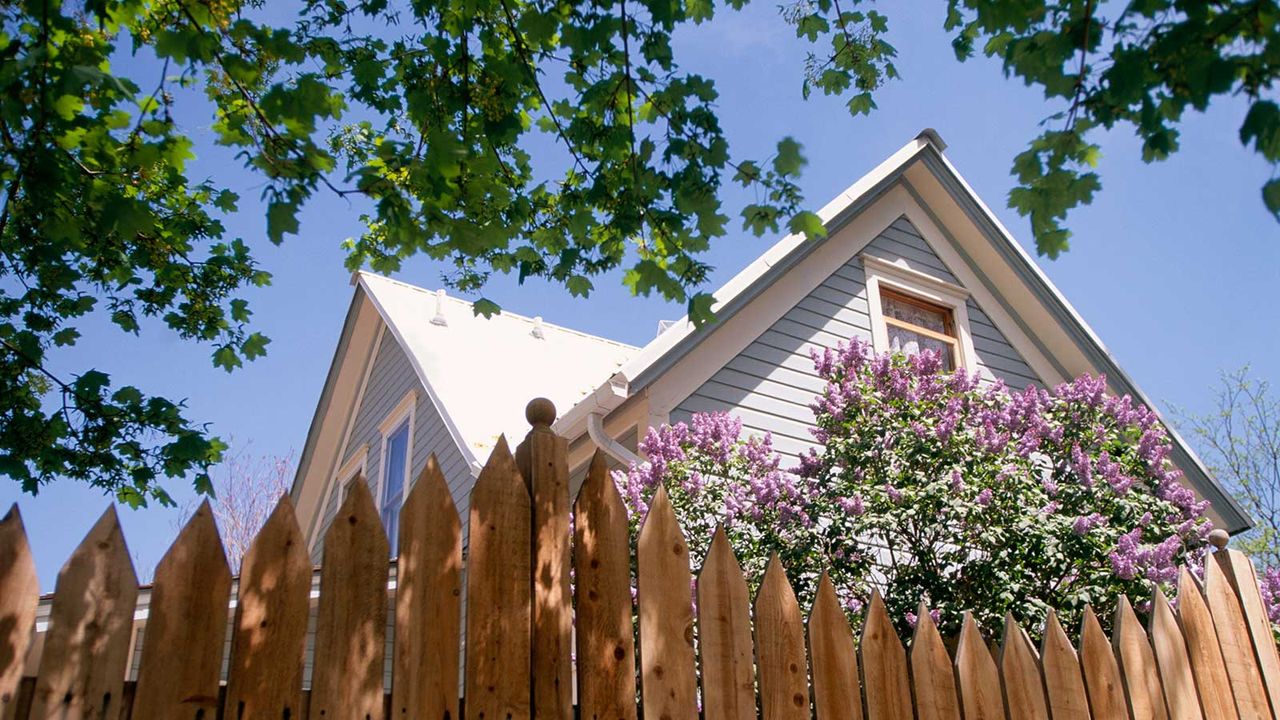
If you're thinking about selling your home, it's worth casting an eye over your fence. While it sounds like a myth, experts say that fence colors really do decrease property value: vibrant shades can – unsurprisingly – feel a little garish to potential buyers, while muted colors like gray can run the risk of looking flat or dull.
Naturally, keen gardeners would rather direct their attention toward planting than painting fences, but it's worth avoiding certain fence colors. After all, fences don't just serve a practical purpose; they also act as a visual framing device that can have a huge impact on both the aesthetics and the feel of your garden.
Ultimately, your fence can set the tone of your entire yard – and a poorly-chosen fence color can be detrimental. Below, experts reveal the fence colors that are most likely to decrease the value of your home.
1. Yellow
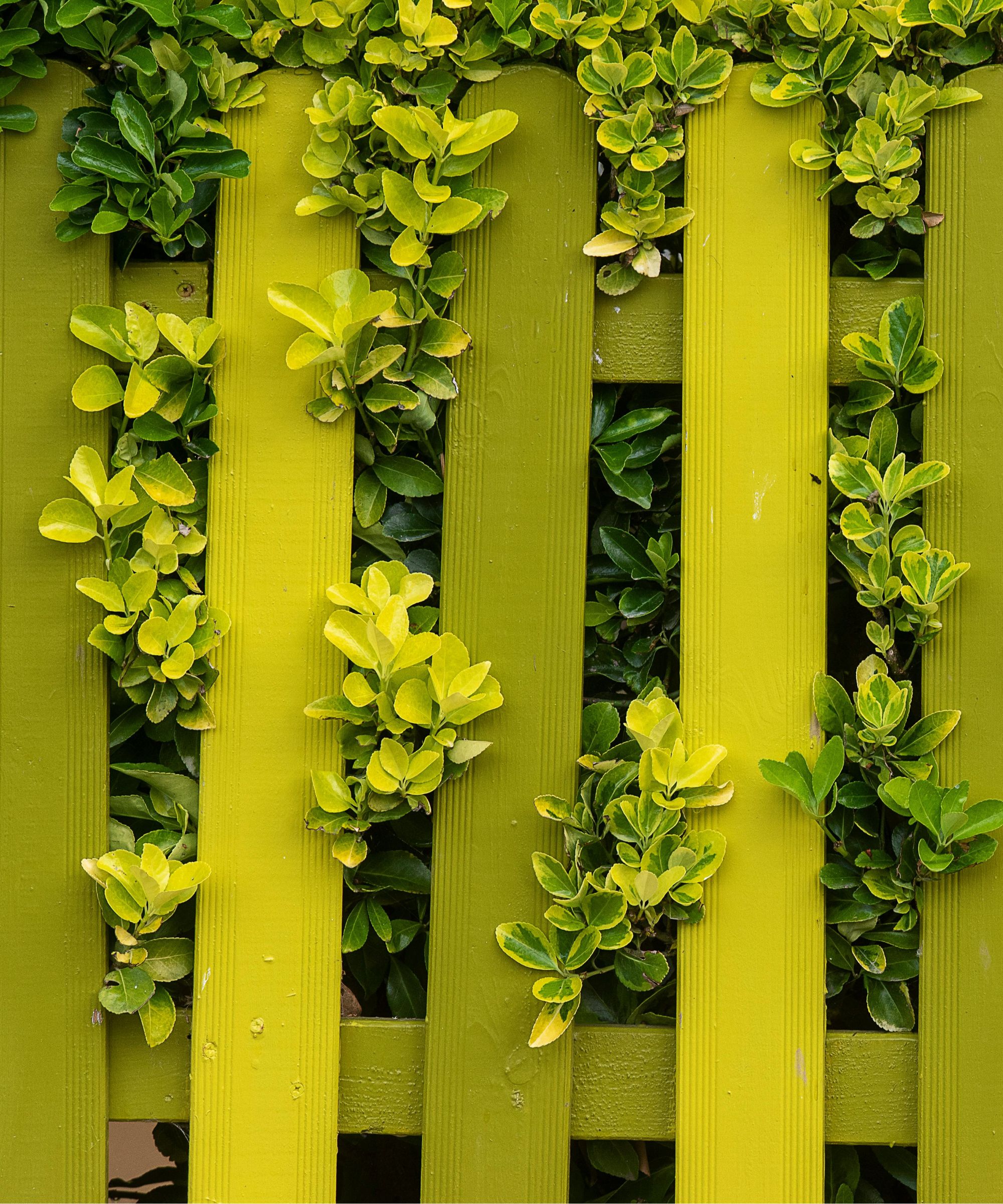
While pops of yellow might help you bring some joy to your garden, yellow hues can be a turn-off for potential buyers. Bright fence colors will easily stand out in listings, and they can become a real sticking point.
'Fence colors are one of the first things buyers notice from the street and in listing photos,' says Erik Leland, Real Estate Broker at Realty First. 'They set the tone before buyers have a chance to look at the house.'
Just like your interiors, your garden is, of course, a dedicated space to express your personality – but if you're likely to list your home in the next few years, you might want to hold off on painting your fences yellow.
'Bright colors are a highly personalized choice which buyers can think of as a repair project,' explains Erik. 'Anything that a buyer feels like they need to put time or money into changing will usually cost you in the long run.'
2. Charcoal
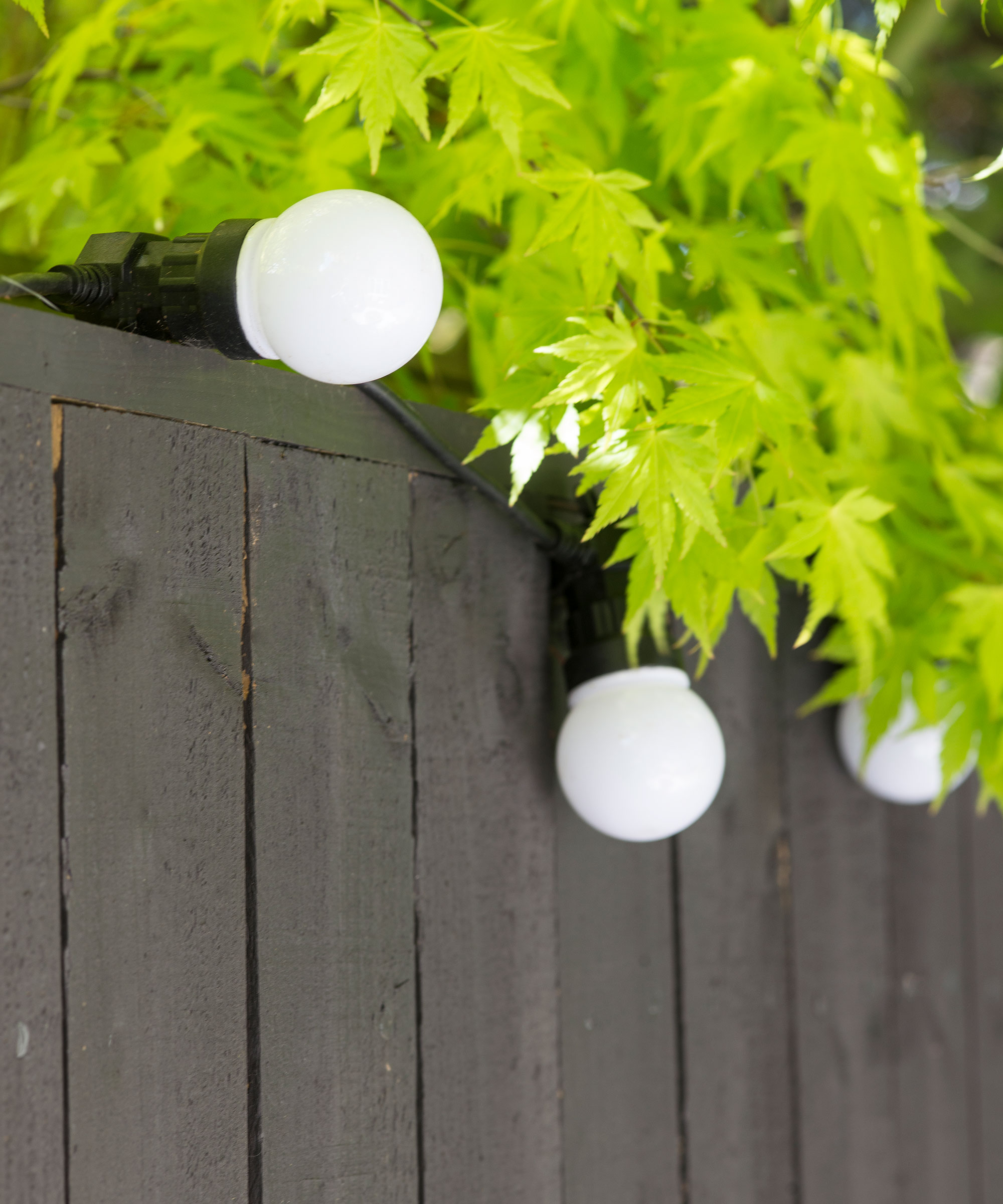
Charcoal fence colors might have surged in popularity over the past few years, but experts say that they can be a risky choice for some gardens – especially if yours is on the smaller side.
'On a smaller urban lot, a dark fence will absorb light and make the yard feel closed in,' says Erik.
'If your backyard looks like a dark box, buyers will quickly move on. In the Pacific Northwest, where we are known for our overcast skies, a dark fence can make a yard feel gloomier than it actually is.'
While charcoal paint colors are prized for their sleek, contemporary look, they may stand out just as much as a brighter color – which can feel jarring.
'The colors that decrease value are often high-contrast shades that draw the eye to the boundary of the property rather than the home itself,' explains Robert Corrao, President at Jan Fence Inc.
3. Bold Blues
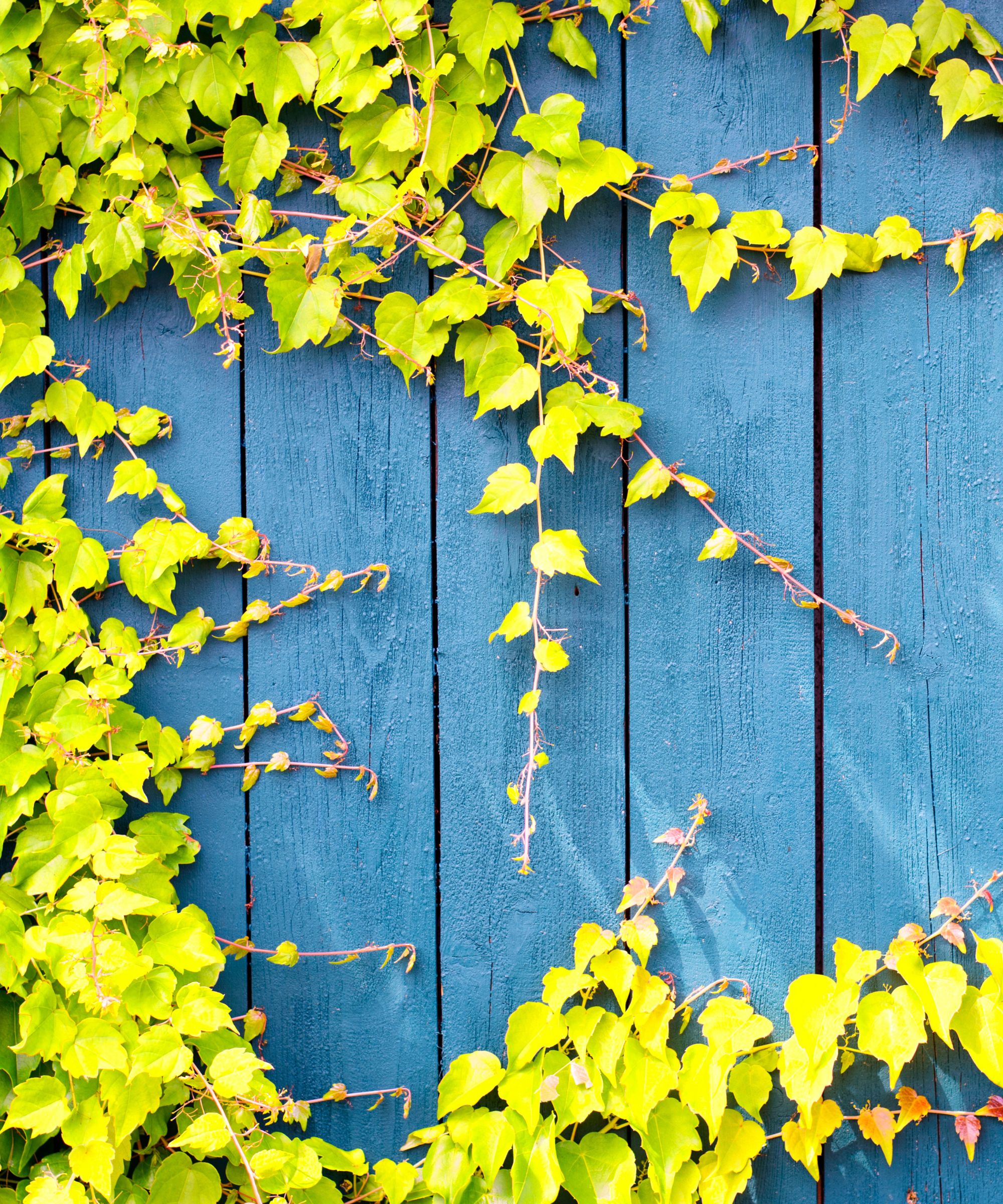
If you're tempted to choose a striking shade of blue for your fence color, experts warn that this can have a similarly negative effect.
'Highly saturated blues like cobalt, royal blue or electric turquoise can look harsh in natural daylight, especially as your fence is the largest uninterrupted surface in the garden,' comments Matthew Prato, President of Garon Fence.
Just like vivid yellow hues, bold blues can overwhelm your space. They can also feel too 'novelty' or taste-specific, which can contribute to a drop in property value.
'Blue fence colors may put buyers on the back foot because the boundary becomes the feature, instead of the garden,' says Matthew. 'They can make an otherwise calm outdoor space feel busy or small because the eye keeps snapping to the perimeter.'
4. Weathered Gray
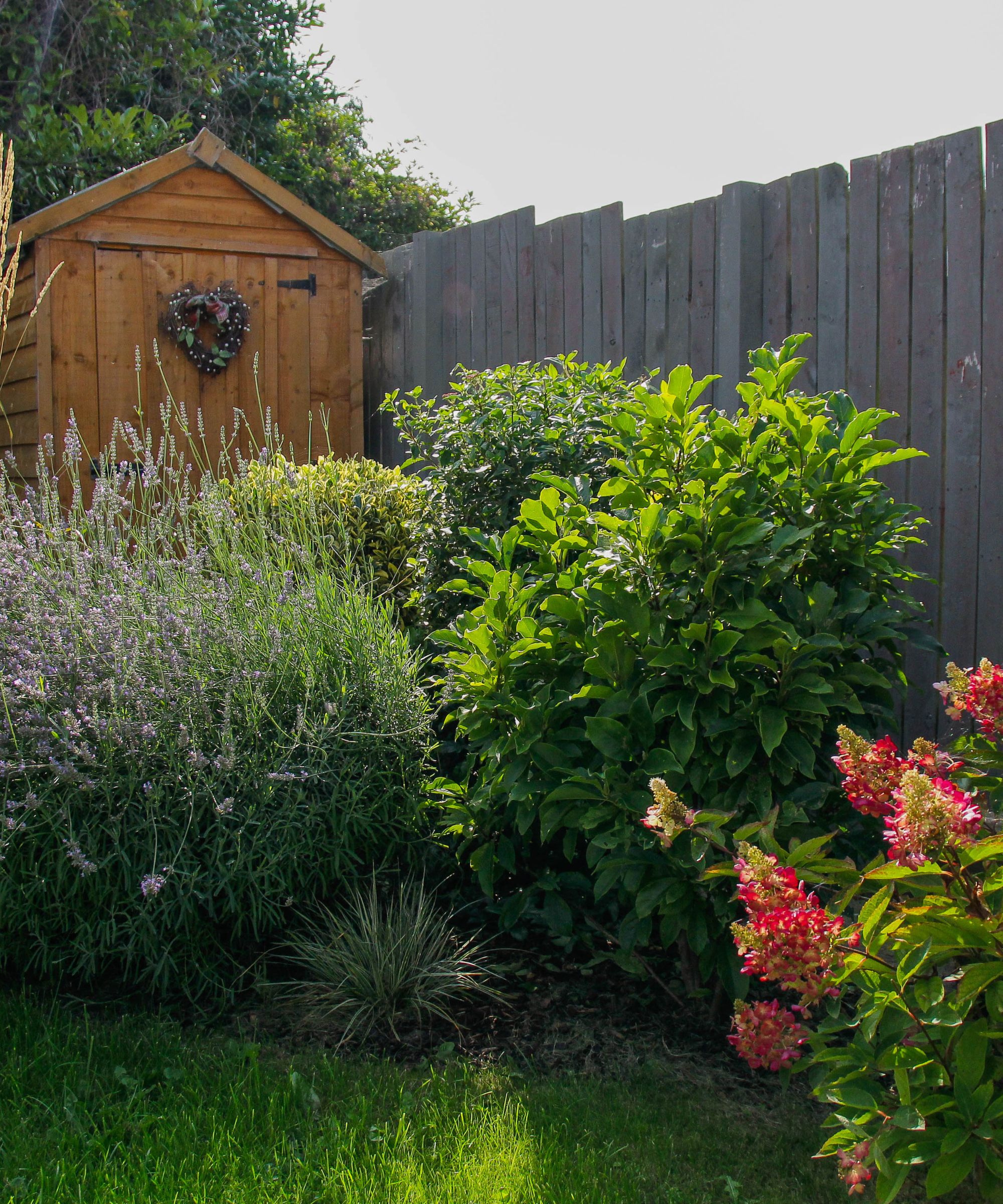
An unfinished or weathered fence might seem like the best way to achieve a rustic, 'lived-in' look, but it has the potential to look tired or neglected.
'A fence that has gone gray from sun and moisture reads as deferred maintenance,' Erik warns. 'Buyers already scrutinize every detail, and a fence they see as neglected tells them that other parts of the property may have suffered as well.'
5. Bright White
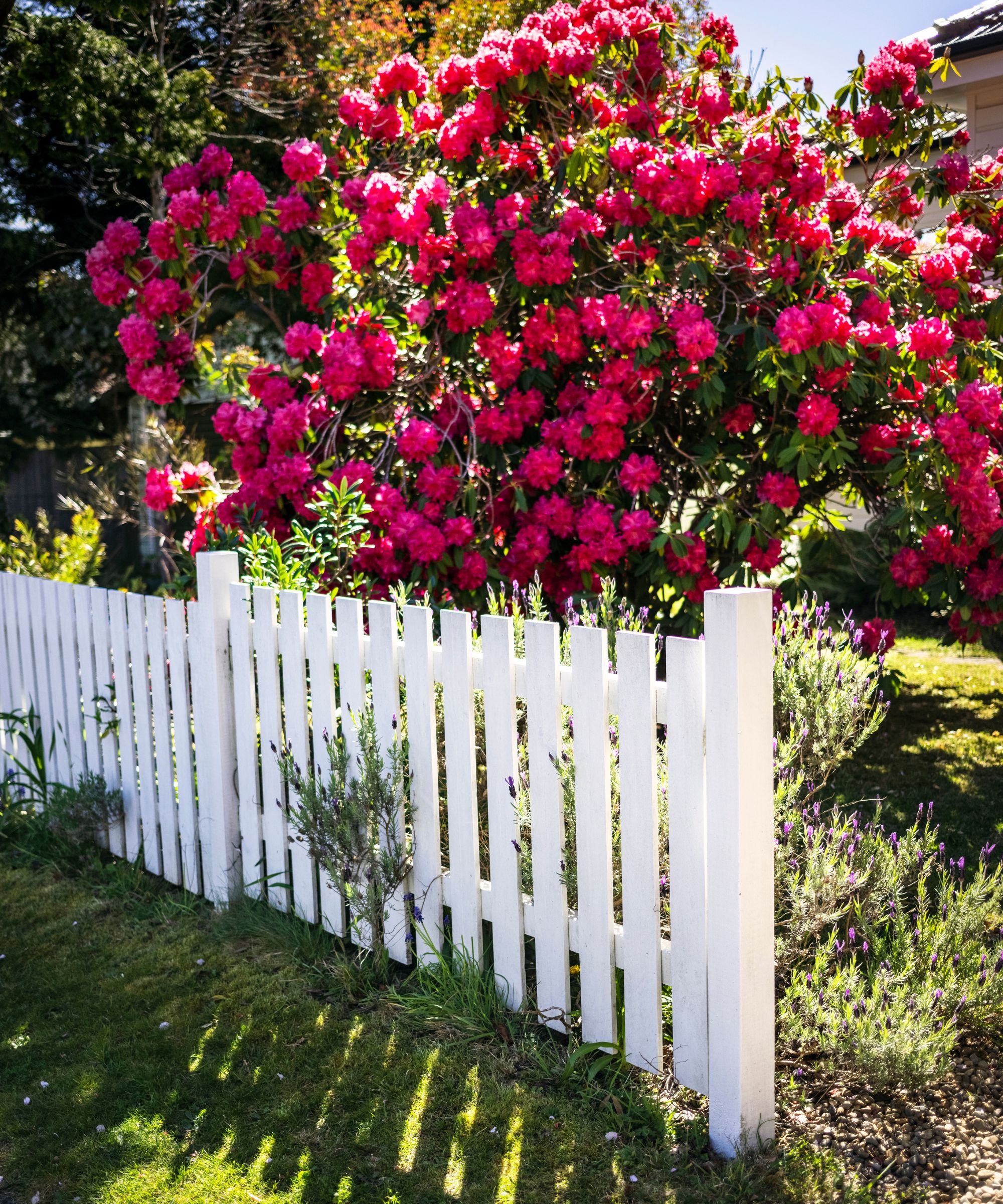
We can all picture the classic look: a pristine white picket fence. In reality, however, bright white paint can look a little harsh.
'Even when a bold color looks good in isolation, it can photograph poorly for listings,' says Matthew. 'Plus, there is a maintenance perception issue. Bright paints can show algae marks, splashback and patchy touch-ups more obviously, and that can read as ongoing work for a buyer.'
The solution? A richer, more 'natural' look.
'Earthy tones often blend better with the home’s exterior palette than a bright white, offering a premium look,' says Robert. In fact, these are the fence colors that can add the most value to a property.'
The Best Fence Colors to Choose Instead
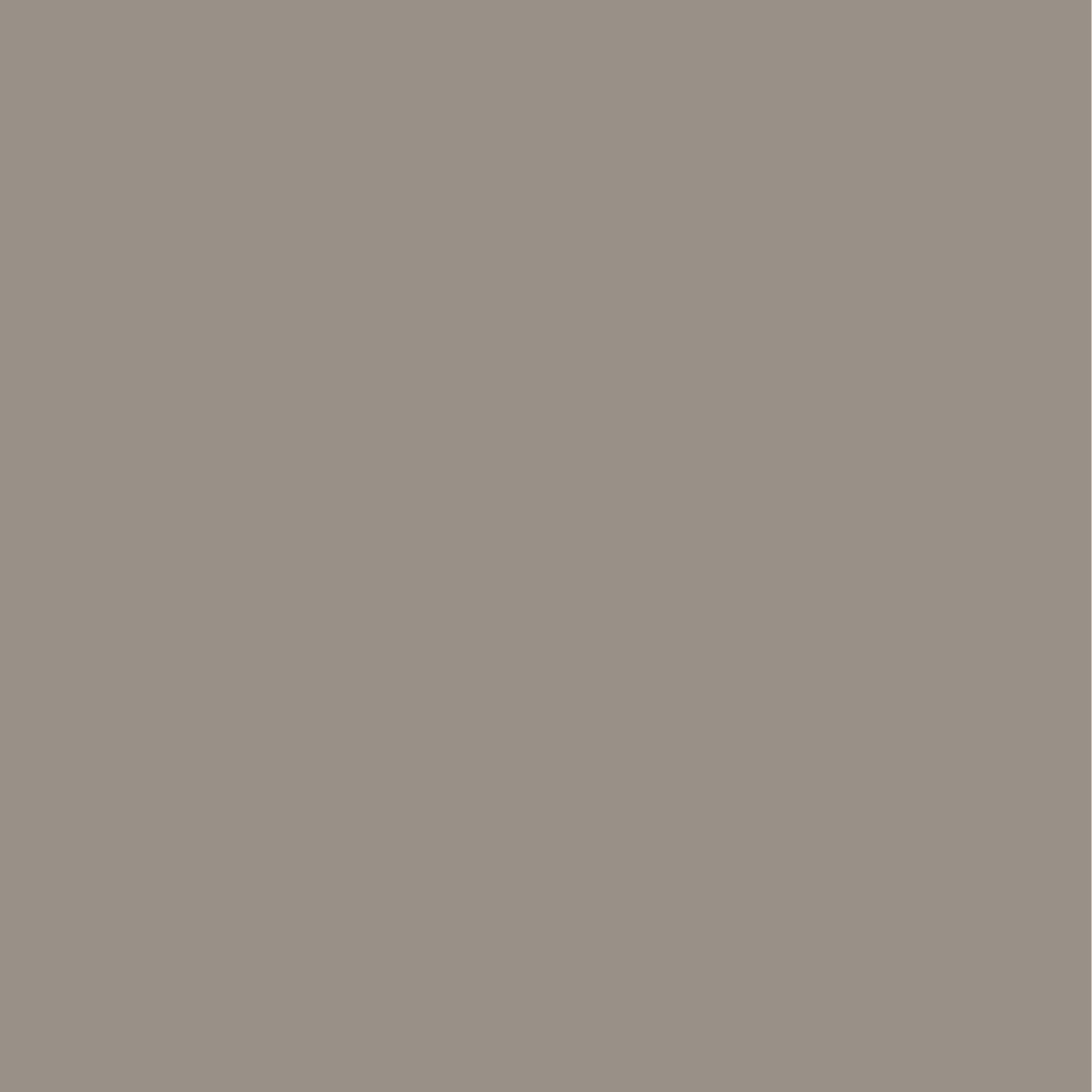
While dark gray colors can make a space feel cramped, soft gray hues are one of the best fence colors for a small garden. This one has warm brown undertones.
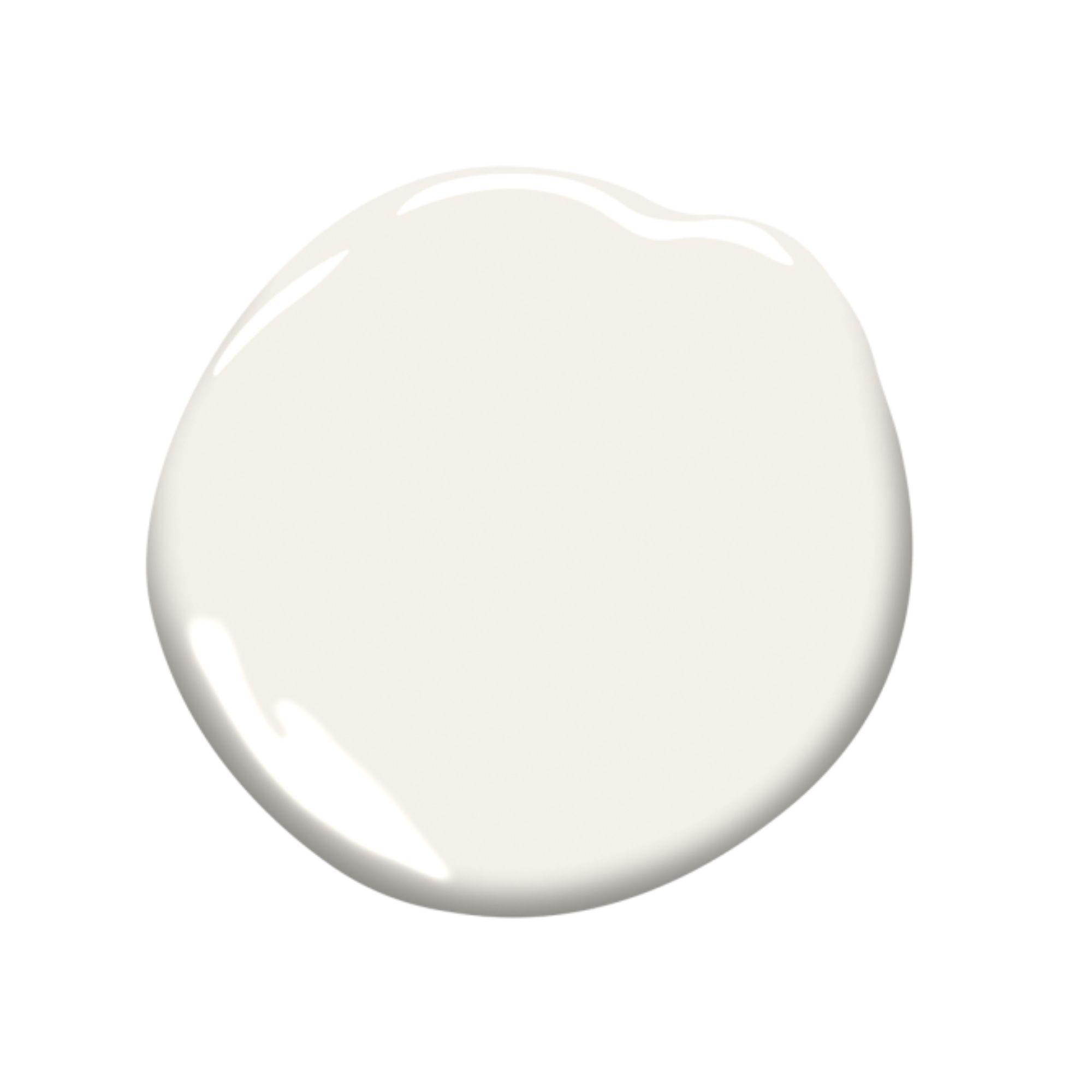
Bright white fencing might risk looking clinical, but soft white is a safe bet – as long as you commit to the upkeep. This shade has a touch of pink for an instantly charming feel.

Decorating with neutrals is a time-honored tactic in interior design, and it's just as reliable when it comes to exterior paints. This color will help your fence meld seamlessly with the rest of your garden.

Rich colors like this one can feel daring, but anything that will blend in with the greenery in your garden can be a brilliant choice. Forest green will help to create a pared-back, natural look.
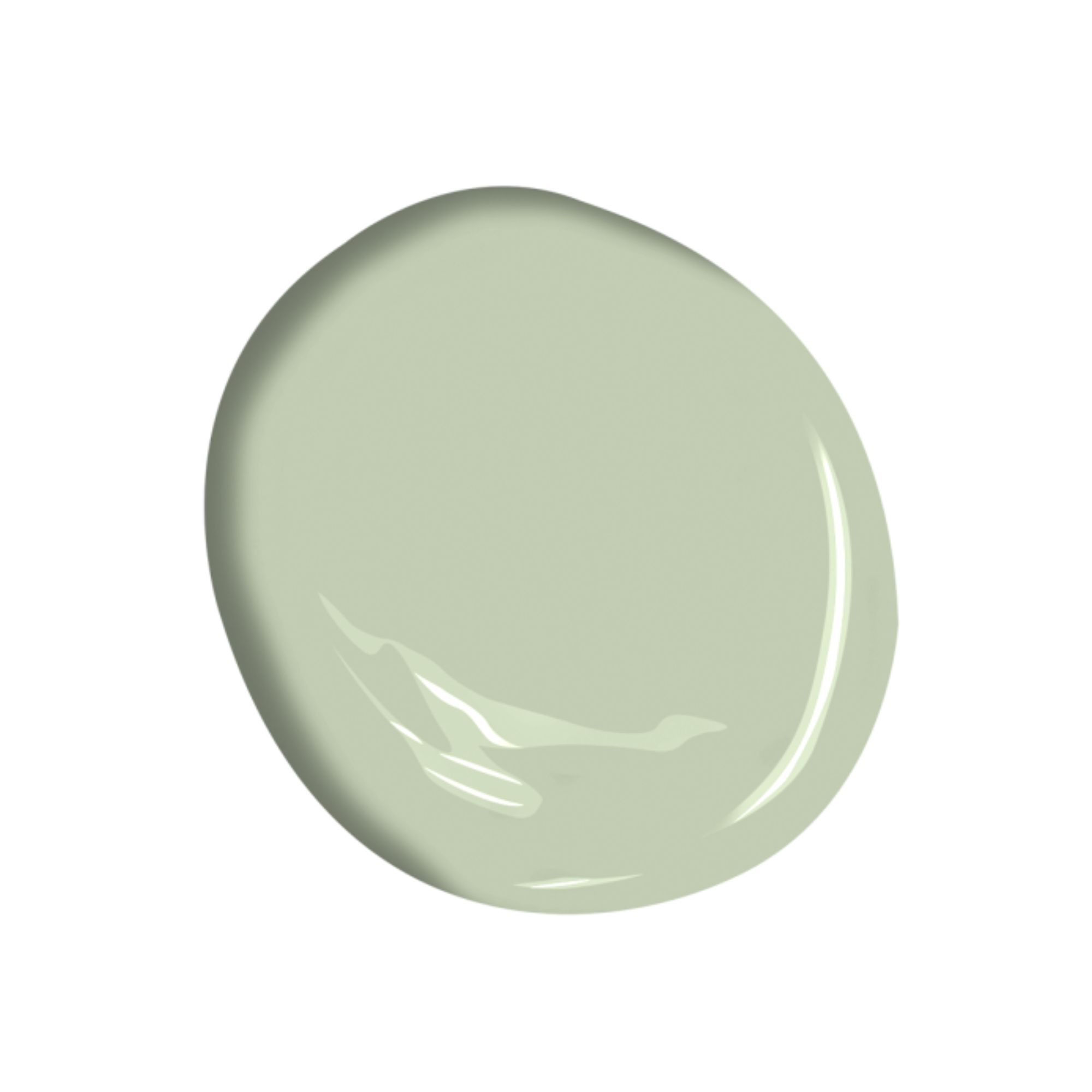
For a nature-inspired finish that feels soft and yet uplifting, try a pale green shade like this one. It has gentle gray undertones and a slightly chalky look, creating a wonderful backdrop for your plants.

If you do feel like adding a pop of color to your garden, a rust-hued red shade is a great choice. Paints like this one will offer that Mediterranean garden aesthetic without overwhelming your space.
Looking for more tips? We asked experts to share the best colors to paint a fence to make a yard look bigger – and we've also rounded up our favorite fence decorating ideas.
And if you love inspiring garden ideas, outdoor advice, and the latest news, sign up for our newsletter to get the latest features delivered straight to your inbox.