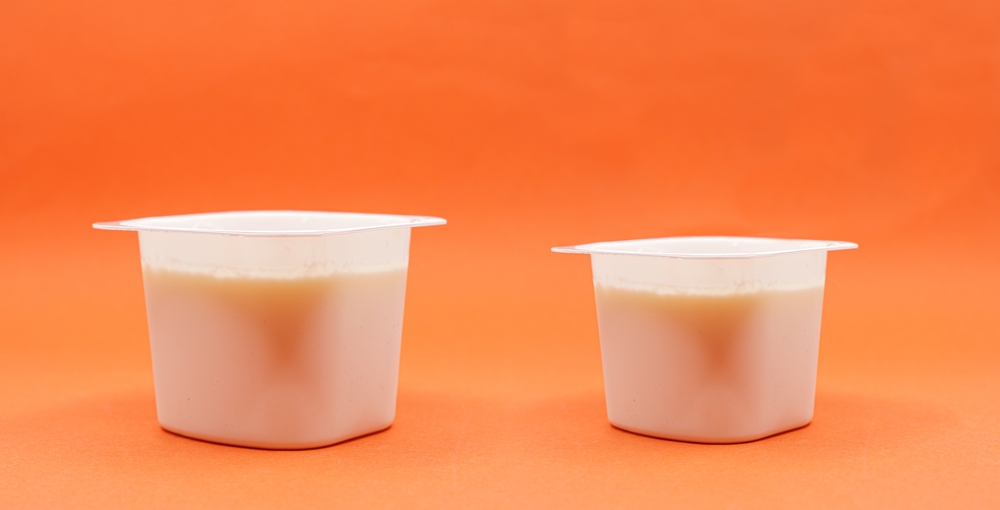
A growing number of shoppers say they’re frustrated by shrinking package sizes at their favorite stores. Products that once lasted weeks now run out faster, even though the price hasn’t changed. This trend, known as shrinkflation, is becoming more common across food, household goods, and personal care items. Many people feel misled because the packaging often looks the same despite containing less. The shift is forcing consumers to rethink how they shop and budget.
1. Food Products Are Shrinking the Fastest
Grocery shoppers are reporting smaller cereal boxes, lighter snack bags, and reduced portions in frozen meals. Manufacturers often shrink the contents while keeping the packaging nearly identical. This makes the change harder to notice until the product is opened. Families who rely on certain staples are finding they need to buy more frequently. The result is higher grocery bills without any added value.
The only reliable way to spot shrinkflation is by checking the weight or volume label. Companies rarely announce size reductions openly. Comparing labels from previous purchases can reveal significant changes. Shoppers who pay attention catch these reductions early. Awareness helps people make smarter choices.
2. Household Products Are Quietly Getting Smaller
Paper towels, toilet paper, and cleaning supplies are among the most affected household items. Rolls contain fewer sheets, bottles hold less liquid, and boxes include fewer units. These changes often go unnoticed until products run out faster than expected. Many shoppers feel frustrated when they realize they’re paying more for less. The trend is widespread across major brands.
Manufacturers use terms like “mega,” “family size,” or “value pack” to imply larger quantities. In reality, these labels don’t guarantee more product. Some “mega” rolls now contain fewer sheets than older standard rolls. Shoppers who rely on marketing terms may overestimate value. Reading the fine print is essential.
3. Personal Care Items Are Shrinking Too
Products like shampoo, lotion, toothpaste, and deodorant are also being downsized. Bottles may look the same but hold fewer ounces. Some brands redesign packaging to disguise the reduction. Consumers often don’t notice until they run out sooner than expected. The changes create frustration and confusion.
Manufacturers use thicker plastic, deeper bottle curves, or taller shapes to make products appear unchanged. These design tricks distract from the smaller volume inside. Shoppers who rely on visual cues often miss the difference. Comparing ounce‑per‑dollar value reveals the real cost. Packaging design is part of the strategy.
4. Snack Foods Are Among the Most Affected
Chips, cookies, crackers, and candy are shrinking at a rapid pace. Bags contain more air, boxes hold fewer pieces, and bars are noticeably smaller. These reductions are especially frustrating for families with kids. People feel like they’re buying the same product but getting less enjoyment. The trend is becoming impossible to ignore.
Some companies reduce serving sizes to make nutrition labels look healthier. Smaller portions lower calorie counts but also reduce the amount of food. This creates confusion for people tracking nutrition or budgeting snacks. The change affects both cost and consumption. Portion manipulation is a subtle form of shrinkflation.
5. Frozen Foods Are Being Downsized Without Warning
Frozen meals, vegetables, and desserts are shrinking in weight. Boxes look identical, but the contents are lighter. Many shoppers don’t notice until they compare old receipts or packaging. The reductions force people to buy more frequently. Frozen foods are no longer the budget‑friendly option they once were.
Price tags often include a price‑per‑ounce breakdown. This metric reveals the true cost of a product. Shoppers who compare price‑per‑ounce across brands find better deals. Ignoring this number leads to overspending. The metric is the best defense against shrinkflation.
6. Pet Products Are Shrinking as Well
Pet food, treats, and litter are also being downsized. Bags contain fewer pounds, and treat packages include fewer pieces. Pet owners often notice because their supplies run out faster. These reductions increase the cost of caring for pets. Shrinkflation affects every member of the household.
Premium brands often shrink sizes before budget brands do. They rely on customer loyalty to avoid backlash. Shoppers who assume premium means more value may be disappointed. Comparing sizes across brands helps avoid overpaying. Loyalty doesn’t always pay off.
7. Cleaning Supplies Are Being Reformulated and Reduced
Some cleaning products now contain more water and fewer active ingredients. Bottles may be smaller or diluted to stretch production. Shoppers often notice reduced effectiveness before realizing the size has changed. These subtle reductions impact both cost and performance. The trend affects everyday household routines.
Concentrated cleaning products often provide more uses per bottle. They require less packaging and reduce long‑term costs. Many shoppers overlook concentrates because they appear more expensive upfront. Calculating cost per use reveals the savings. Concentrates help fight shrinkflation.
8. Retailers Are Quietly Adjusting Shelf Labels
Some stores adjust shelf labels to make shrinkflation harder to detect. They may highlight sale prices while downplaying reduced sizes. Shoppers who rely on visual cues may miss important details. Retailers benefit when customers don’t notice size changes. Transparency varies widely between stores.
Most states require stores to display unit pricing. This helps shoppers compare products fairly. However, the labels are often small or placed in hard‑to‑see locations. Shoppers who take time to read them save more money. Unit pricing is a powerful tool when used correctly.
Shrinkflation Is Changing How People Shop
As package sizes shrink, shoppers are becoming more cautious and strategic. Many people are switching brands, buying in bulk, or choosing store brands to save money. Others are tracking prices more closely than ever before. Shrinkflation forces consumers to rethink value and adjust their habits. Awareness is the best defense against rising costs.
If you’ve noticed a product shrinking recently, share it in the comments—your example may help other shoppers stay alert.
You May Also Like…
- 10 Grocery Strategies That Beat Shrinkflation
- 10 Grocery Store Behaviors That Reveal Overspending Habits in Retirement
- Grocery Prices Are Shifting Again, Hitting Seniors on Tight Budgets
- Midwest Seniors Are Reporting Higher Grocery Prices Than the National Average
- The Financial Benefits of Smarter Grocery Planning