
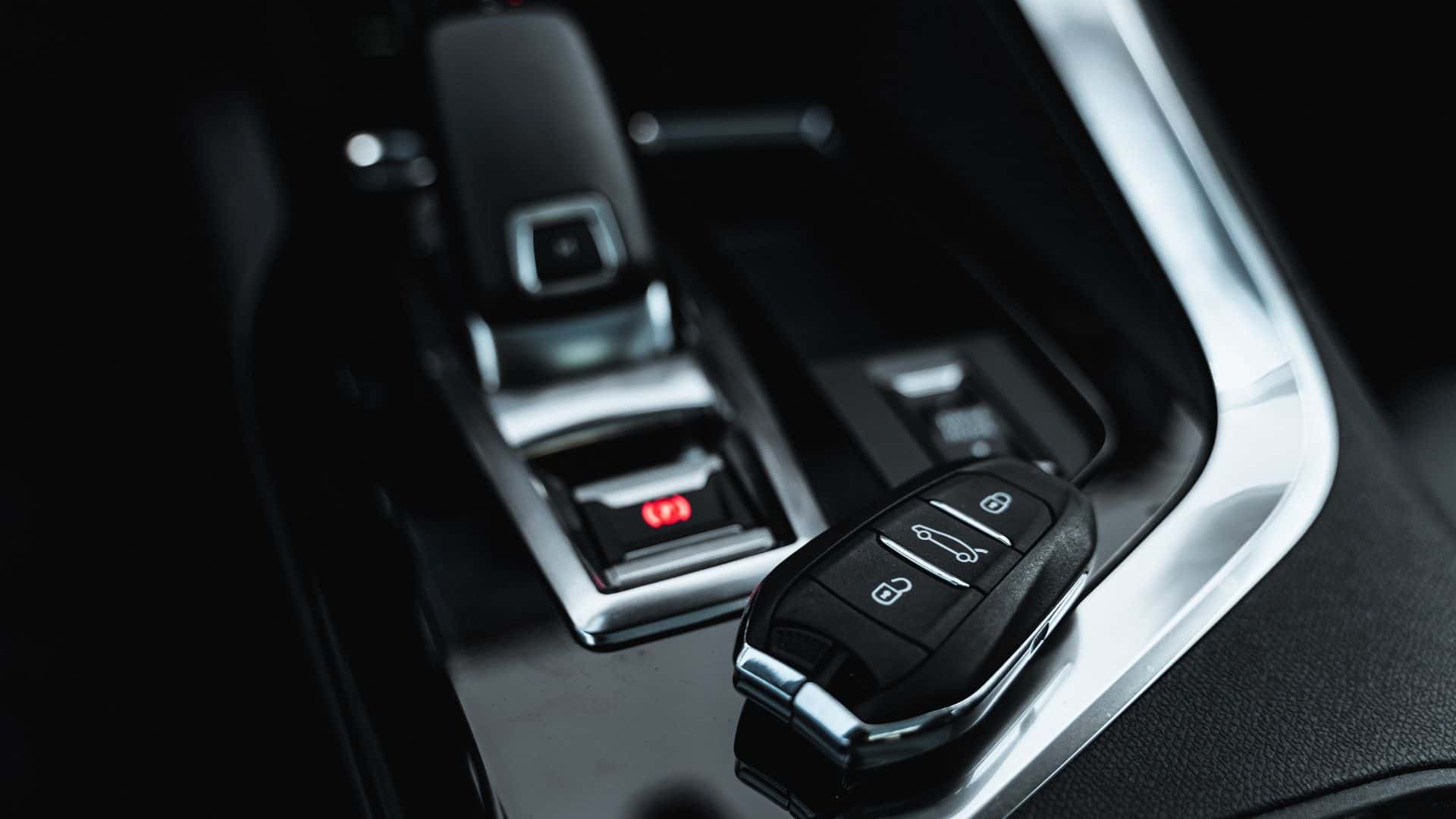
Your car probably came with a traditional metal key that you almost never use. In fact, if you have a modern key fob, there's a good chance that a tiny mechanical key is hiding inside it right now.
You may have seen the little release button on the side of the fob without ever knowing what it does. That key isn't leftover technology. It's there for a very specific reason: when the electronics stop working, the old-fashioned key can still get you into the car.
Why Does Your Key Fob Have A Hidden Key?
Modern cars have replaced traditional keys with proximity sensors, wireless signals, and push-button starts. That makes everyday life easier. You can leave the fob in your pocket, walk up to the car and unlock it without physically inserting anything into a lock.
But all that convenience depends on electronics. If the small battery in the fob dies, the vehicle may no longer receive the signal needed to unlock the doors.
Ford specifically notes that its Intelligent Access system can be unlocked with a mechanical key blade housed inside the fob if the fob battery is low or there's excessive radio-frequency interference.
That's where the hidden key comes in. It's essentially a mechanical backup for an electronic system.
Why Is The Key Hidden Inside The Fob?
The most common reason you'll need the physical key is a dead key-fob battery, but that's not the only possibility. Electronic key systems can also be affected by interference, a damaged fob or a problem with the vehicle's electrical system.
Automakers specifically design the mechanical key as a backup. Nissan, for example, says its emergency key can be used to unlock the driver's door when the Intelligent Key battery is dead.
Some vehicles can also have trouble with their power locks when the car's 12-volt battery is dead. Hyundai's owner's manual describes using the mechanical key to unlock the driver's door when the smart key isn't operating normally.
So why keep the key hidden instead of giving drivers a traditional key? Because you don't need it most of the time. The electronic fob handles everyday tasks such as locking and unlocking the vehicle, while the mechanical blade stays tucked away until something goes wrong. Most designs use a small release button, slider, or latch that lets the blade slide out or unfold.
Some cars even hide the physical keyhole beneath a removable cover on the driver's door. That keeps the exterior looking cleaner while still giving the driver access to a mechanical backup.
The exact design varies by manufacturer, but the idea is the same: the electronic system provides convenience, while the hidden key provides redundancy. In other words, that little metal blade is there because electronics can fail.
Some Drivers Discover The Hidden Key The Hard Way
Reddit has plenty of real-world examples of why that little metal blade exists in the first place.
In one r/AskMechanics discussion, a 2015 Ford Fusion owner found themselves with a dead car battery and a non-working key fob. They specifically said they couldn't find the “secret key” and were wondering how they could even get into the car to deal with the dead battery.
The driver of a 2019 Honda Civic Si described an even more useful example. After replacing the fob battery, the car still wouldn't recognize the key normally. They had to unlock the car with the manual key and then touch the fob to the push-button starter before the vehicle would recognize it.
Other Reddit threads show that the problem isn't always the battery inside the fob. Owners have reported intermittent key detection, damaged fobs, and situations where the car's own battery has died, leaving the electronic key system unable to behave normally.
The takeaway from these owner experiences is pretty simple: don't wait until you're locked out to figure out how your mechanical key works.
The hidden blade isn't something most drivers will use regularly. But when a keyless system stops cooperating, knowing where that blade is—and where the corresponding lock is on the car—can save a surprisingly frustrating situation.
Your Car May Not Start With The Mechanical Key Alone
This is an important distinction. The mechanical key will often let you unlock the door, but that doesn't necessarily mean you can simply insert it somewhere and start a modern push-button vehicle.
Many newer cars use an immobilizer system that electronically verifies the key before allowing the engine to start.
Nissan, for example, describes its emergency key as a way to unlock the vehicle and, depending on the system, deal with an Intelligent Key emergency. Toyota owner's manuals likewise distinguish between the electronic key and mechanical key, with the mechanical key serving as an emergency means of opening the driver's door.
If your fob battery is dead, the vehicle may have a backup procedure for starting the car. That can involve holding the fob against a specific location, placing it in a designated tray or using another backup detection method.
The procedure varies significantly between vehicles. So don't assume your car works the same way as your friend's.
The Hidden Key Can Save You From A Very Annoying Situation
Imagine this: you're standing in a parking lot, it's raining, and you press the unlock button. Nothing happens. You press it again. Still nothing.
You start wondering whether the car battery is dead, the fob is broken or you've somehow managed to lock the keys inside the vehicle. That's exactly when the mechanical key becomes useful.
Depending on the vehicle, it can allow you to manually unlock the driver's door even when the electronic locking system isn't responding. Kia's owner's manuals, for example, specifically describe using the mechanical key when the electrical power door-lock system isn't operating.
It may not be glamorous, but it can turn a potential roadside headache into a simple battery replacement.
Don't Wait Until The Fob Battery Dies To Find It
The worst time to discover your key fob has a hidden mechanical key is when you're locked out of your car. Take a minute to find the release mechanism now. Pull the blade out and identify where the physical key cylinder is located on your vehicle. Before you need it, make sure you know:
- How to release the mechanical key from your fob.
- Where the physical keyhole is on the car. It may be hidden beneath a removable door-handle cover.
- How to unlock the driver's door manually.
- How to start the car if the fob battery dies. Some vehicles require you to hold the fob against a specific spot or place it in a designated location.
- What battery your key fob uses so you can keep a spare handy.
The exact procedure varies significantly between vehicles, so it's worth checking the owner's manual rather than assuming your car works the same way as another model.
The little metal key may spend years doing nothing. But when the electronics fail, it can be the most useful part of the entire fob.
You Can Always Rely On The Outdated Mechanical Key
Even the most sophisticated electronic system needs a failsafe.
Keyless entry, proximity sensors and push-button starting have made car keys dramatically more convenient, but they also depend on batteries, electronics and wireless communication.
The little metal key is the automaker's answer to that problem. It sits quietly inside the fob, almost forgotten, until the day the technology doesn't cooperate.
And when that happens, the piece of technology that looks the most outdated may be the one that gets you back into your car.