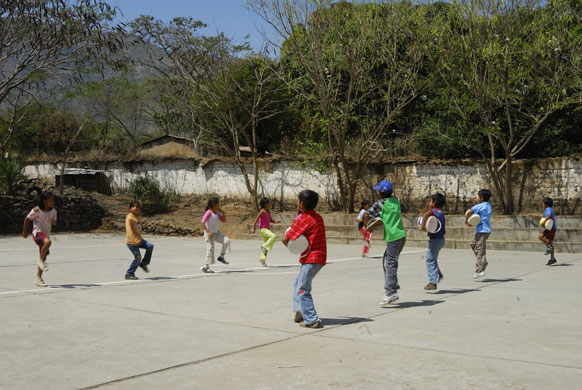
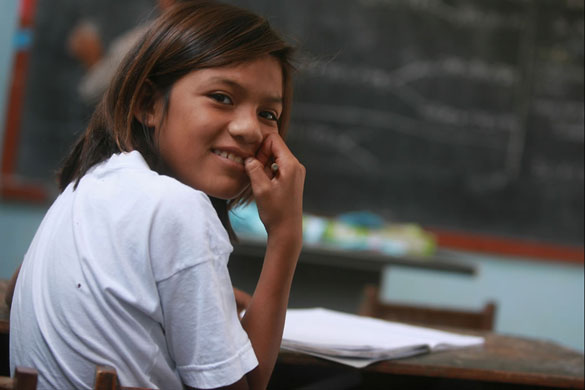
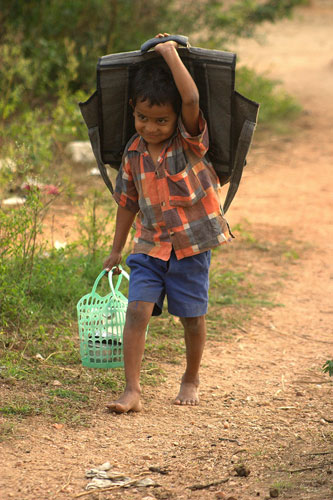
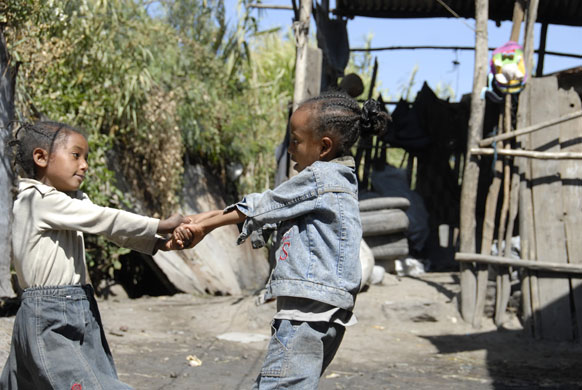
The Young Lives project will follow the children through to the age of 15. Every three years, the children and their carers are questioned about their lives, and more in-depth research is done with selected childrenPhotograph: Young Lives: Young Lives/Pham Viet Anh/OtherResearchers are also monitoring relevant government policies, budgets and spending on services such as health and education at community levelPhotograph: Young Lives/Raul Egusquiza Turriate/OtherThe first children in the study are now 12 and 13 and researchers involved in the project have recently announced the start of the third and final phase of the project, which will follow the children through until adulthoodPhotograph: Young Lives/Aida Ashenafi/Other
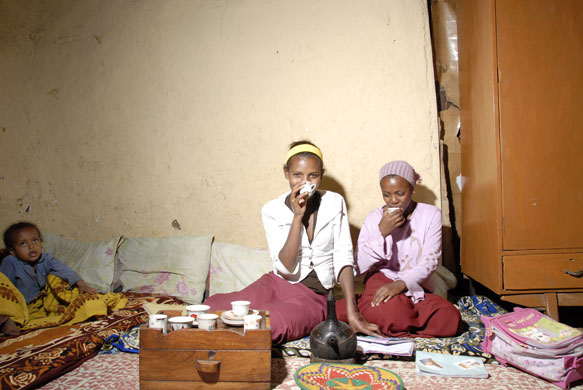
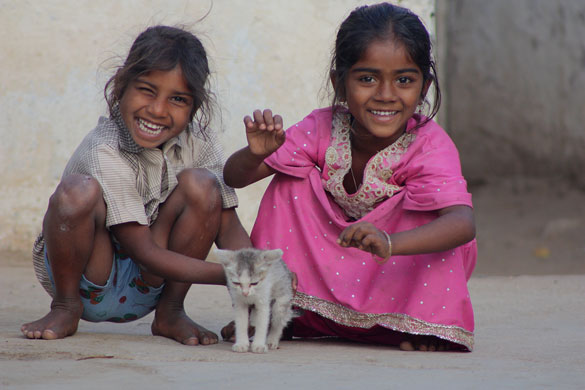
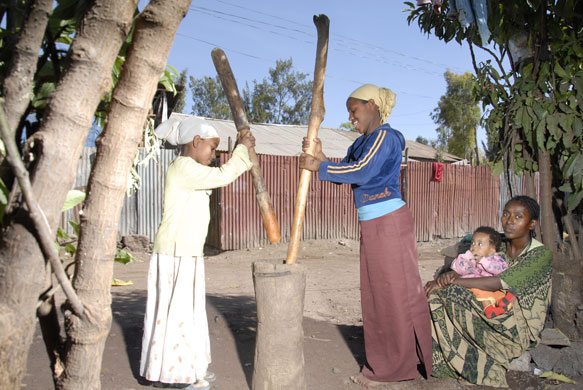
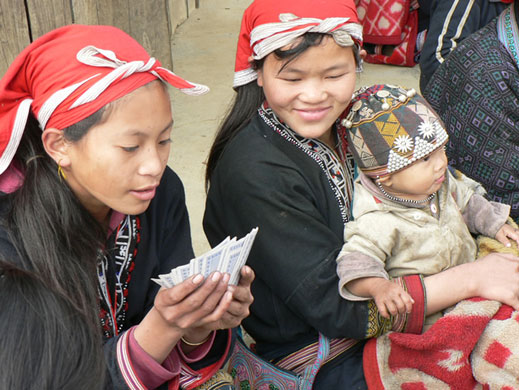
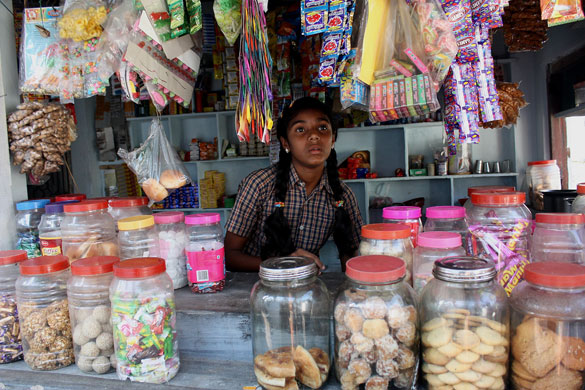
The report is gathering material that will be able to say why some children leave school and others stay, why families migrate and why some families manage to pull themselves out of poverty and others do not. So far, there have been interesting findings suggesting the gender gap may not be as big as previously feared, with many mothers refusing to sacrifice their daughters' education, realising it is the only way to protect their futurePhotograph: Young Lives/Pham Viet Anh/OtherBut, the report does show that there are growing signs of inequalities - with children from lower castes, ethnic minorities and rural areas much more likely to be poor, and remain poor, than other children. The findings of this research will say which areas of aid work well and which could be improved. This will then directly influence the UK’s aid decisions in relation to childhood povertyPhotograph: Young Lives/Farhutullah Beig/OtherRavi, 13, from India, lives in a village with his parents, brothers and nephew. He dropped out of school and works on a farm picking peanuts. He had to leave school in order to repay a family debt and allow his older brother to go to school. His father beats his mother sometimes which makes him unhappy. He says if he gets married he will never beat his wife Photograph: Young Lives/Farhutullah Beig/OtherSeble (pictured centre) thinks she is about 12 but is not sure. She lives in Ethiopia and only attended school in the first grade due to family problems. She started working as a daily labourer at 11 and is paid 40p a dayPhotograph: Young Lives/Aida Ashenafi/OtherLien, 13, from Vietnam, (left) has to work hard to help her mother at home. She describes her typical day: "I wake up in the morning, wash my face, brush my teeth, go to school, I come home at noon, have lunch, wash the dishes, go to school, pick vegetables, cook rice, go to bed." In the summer Lien works in a factory from 8am to 5pm sewing to earn money for her family. She earns £1 per dayPhotograph: Young Lives/Pham Viet Anh/OtherHarika, 13, lives in India and saw her stepsister married at 12 - she now has three children and Harika said she looks very pale now. She feels very strongly women should not get married too early. Unfortunately, early marriage is still a problem in India which leads to dire consequences. Girls between 15 and 19 are twice as likely to die for pregnancy related reasons as girls between 20 and 24Photograph: Young Lives/Farhutullah Beig/OtherLouam, six, (left) lives in Ethiopia and is the youngest of seven children. She can’t wait until next year when she can go to school. Louam’s mother, who thinks she is about 32, says Louam needs to go to hospital but will have to wait until the potatoes are harvested so they can afford to pay the feesPhotograph: Young Lives/Aida Ashenafi/Other
Sign up to read this article
Read news from 100’s of titles, curated specifically for you.