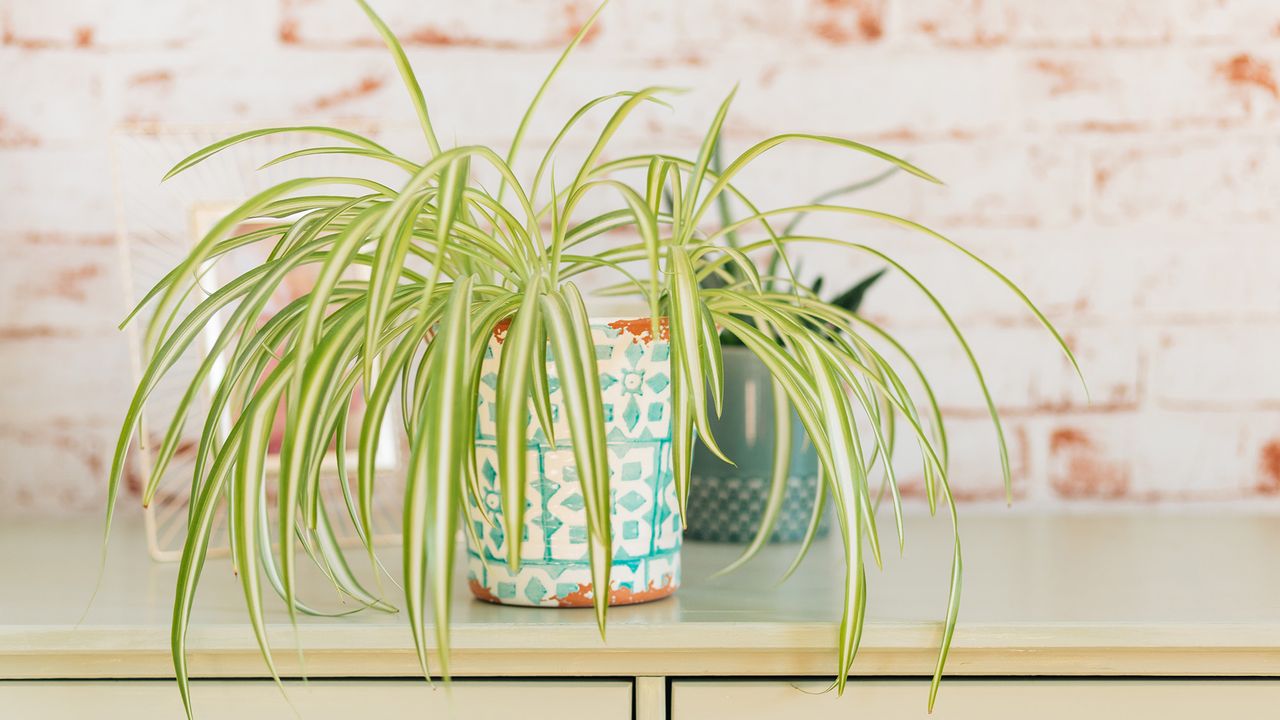
Spider plants are one of the easiest houseplants to grow, which makes them a go-to choice if you’re new to houseplants or just want a low-maintenance option. With their long, arching green-and-white leaves and fast-growing habit, they can quickly brighten up a room without demanding much attention.
But don’t confuse their simplicity with dullness — their sprawling shape gives structural interest, while still feeling relaxed and alive. However, to make them a happy houseplant, they are best placed in the right spot.
Why you need to place your spider plant in the best position
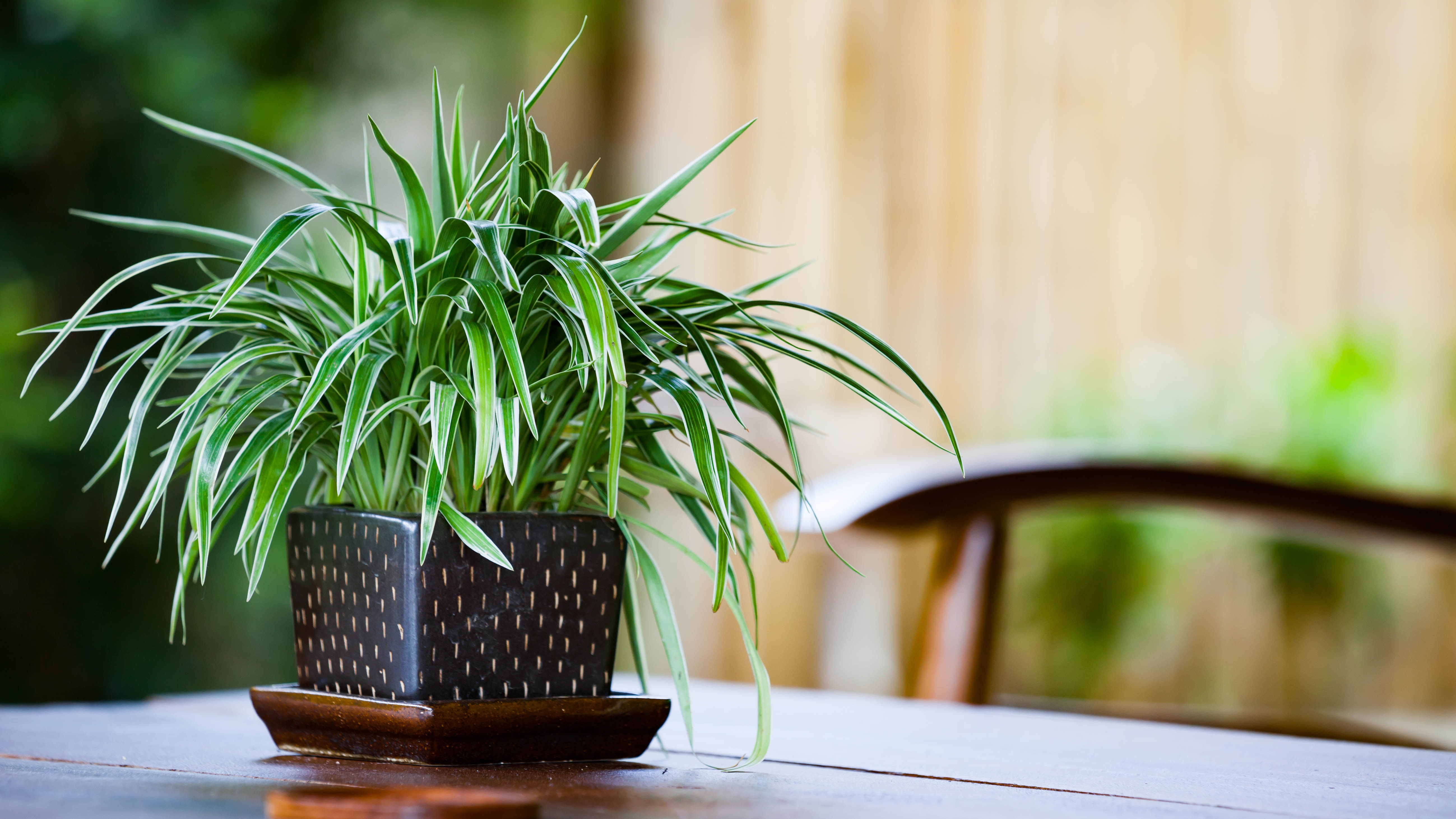
Spider plants are famously forgiving, but where you place them in your home can make a big difference. The right spot will encourage fuller growth, healthier leaves, and vivid green color. And if you’re lucky, you may even be rewarded with those signature baby plantlets that dangle from mature plants.
Did you know?
Spider plants reproduce on their own and develop “spiderettes” on long stems when they’re fully grown and healthy.
So what makes for the ideal growing conditions? Broadly speaking, spider plants thrive in bright, indirect light. This plant adapts well to typical indoor conditions, but some locations suit it better than others.
Here are three of the best places to put a spider plant in your home and why they work so well.
1. On a bright windowsill (out of direct sun)
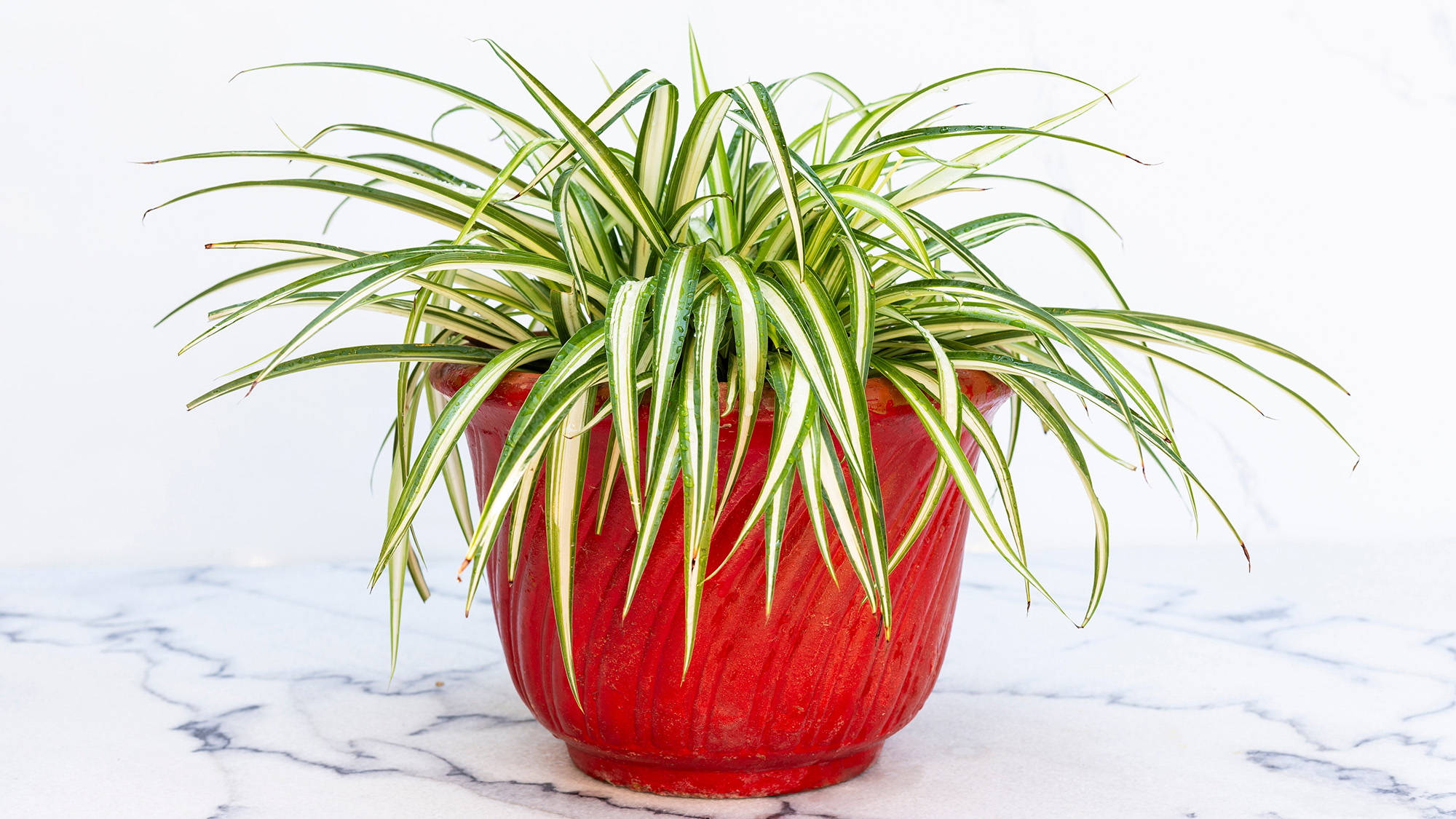
A bright windowsill is one of the best places to keep a spider plant, since it ensures consistent sunlight that the plant can convert into energy. If you don’t have a wide enough windowsill, placing them nearby can still provide the light they need to grow quickly and maintain their vibrant leaf color. Just be sure not to expose it to harsh, direct light, as too much direct sun can scorch its leaves and cause brown tips.
A north- or east-facing windowsill is usually ideal, but if that’s not an option for you, then you can also place the plant a little further back from a south- or west-facing window, which will diffuse the light. Unsure if you’ve got the light balance right? Inspect the leaves. If your spider plant starts to look pale or stretched, it likely needs more light; crispy edges can be a sign it’s getting too much sun.
2. Hanging in a living room corner
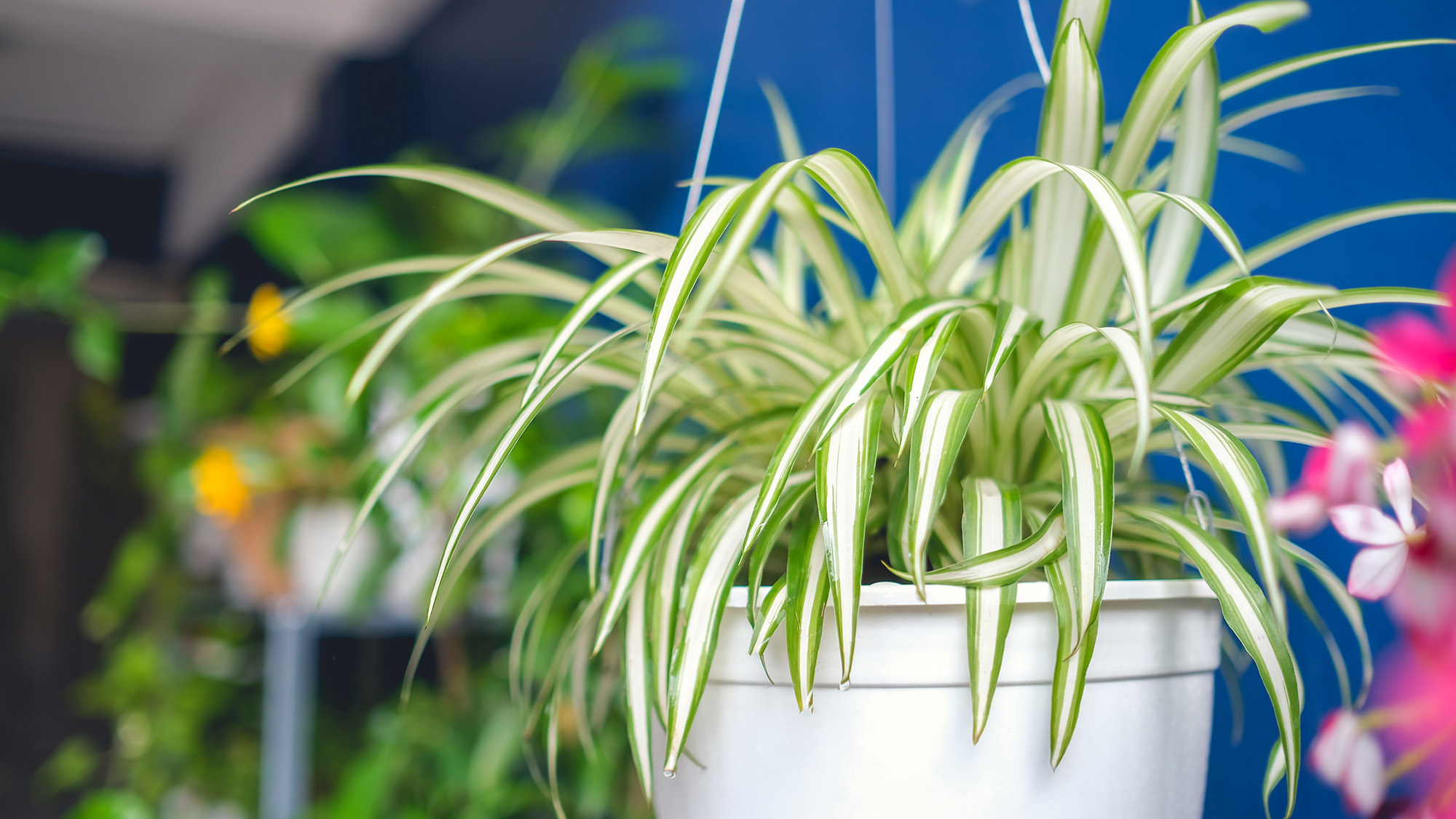
Spider plants are perfectly suited to hanging planters, especially in a bright living room. Their long, narrow leaves and trailing plantlets naturally cascade downward, making them ideal for elevated spots where they have room to spread. Hanging them also keeps them out of the way while turning them into a decorative focal point. This only becomes more dramatic if the plant goes on to reproduce.
Choose a corner that gets plenty of indirect light throughout the day, such as near a window but not directly in the sun’s path. This position allows the plant to grow evenly while showing off its trailing “spiderettes,” which will become more abundant as the plant matures. If the plant begins to look lopsided in its growth, simply turn it around so that each side gets sufficient sunlight.
3. In a bathroom with natural light
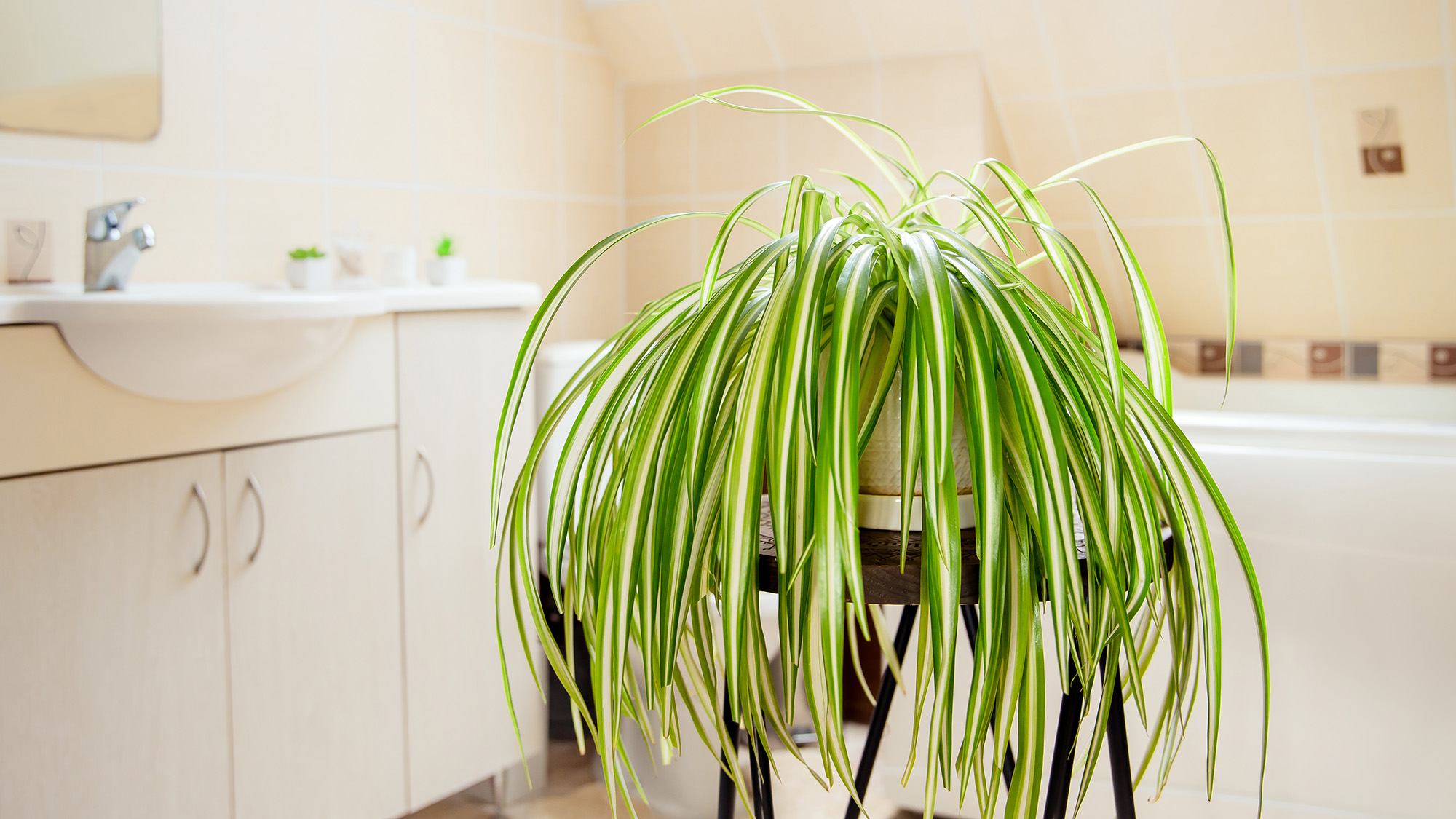
If your bathroom has a window, it can be a surprisingly good home for a spider plant, and there are plenty of other plants that thrive in a bathroom, too. Spider plants enjoy slightly humid environments, and the extra moisture in the air from showers can help prevent the dry leaf tips that sometimes occur in drier rooms. As long as the space gets some natural light, your plant should thrive.
Place it on a shelf, windowsill, or even hang it near the window to maximize light exposure. Just avoid very dark bathrooms, as spider plants still need a reasonable amount of brightness to stay healthy. If you want to get even more from your plant, you can also experiment with placement and rotate it occasionally to ensure even growth.
Gardening essentials we love
More from Tom's Guide
- The popular houseplant is an air-purifying hero — and it can even tackle mold spores
- Where to put a peace lily so it actually flowers — 5 ideal spots in your home
- 'The bathroom can actually provide the perfect conditions to keep an array of greenery happy and healthy' — experts share 3 varieties that will thrive