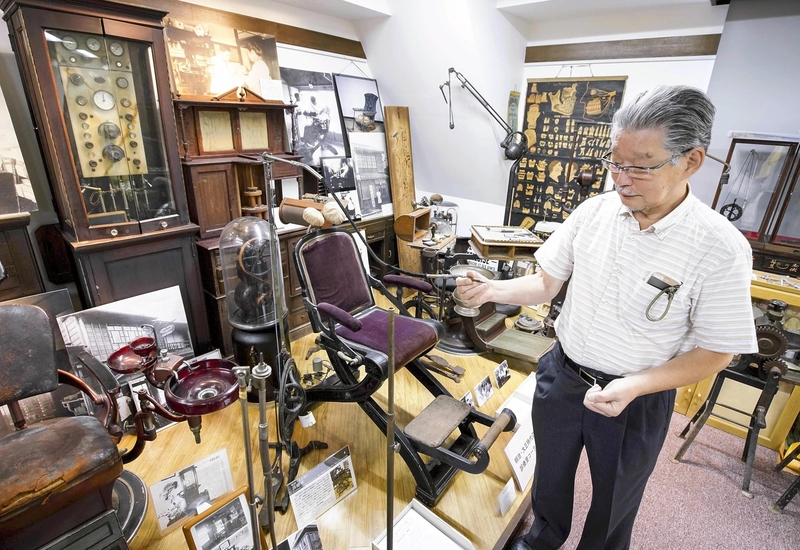
YOKOHAMA -- The high-pitched drilling sounds at dental clinics can give you the heebie-jeebies no matter how many times you hear them. Did you know, however, that it was only in the Taisho era (1912-1926) that the majority of Japanese people became able to go to the dentist? Until then, dental treatment is said to have been limited to the affluent.
So, how did people deal with cavities in the days gone by? The Dental Museum in Yokohama helps visitors learn the history of human beings and their teeth by comparing materials from Japan and the West.
A series of old dental chairs catches your eye first. In the early Meiji era (1868-1912), drills were powered by pressing a pedal. The Meiji-era dental chair at the museum was built by a Japanese person based on a Western-style chair that was brought to Yokohama, which became the birthplace of modern dentistry in Japan.
Until the end of the Edo period (1603-1867), the concept of dental care did not exist in Japan. People either had their teeth pulled out by specialists or got expensive dentures made. The museum displays paintings depicting the extraction of teeth, as well as tools and elaborate dentures.
Ordinary people had no choice but to rely on folk remedies such as incantations or praying to deities that were supposed to relieve toothaches. Books and leaflets written about these remedies in the Edo period are quite interesting.
It is also interesting to compare the differences between Japanese and Western toothbrushes.
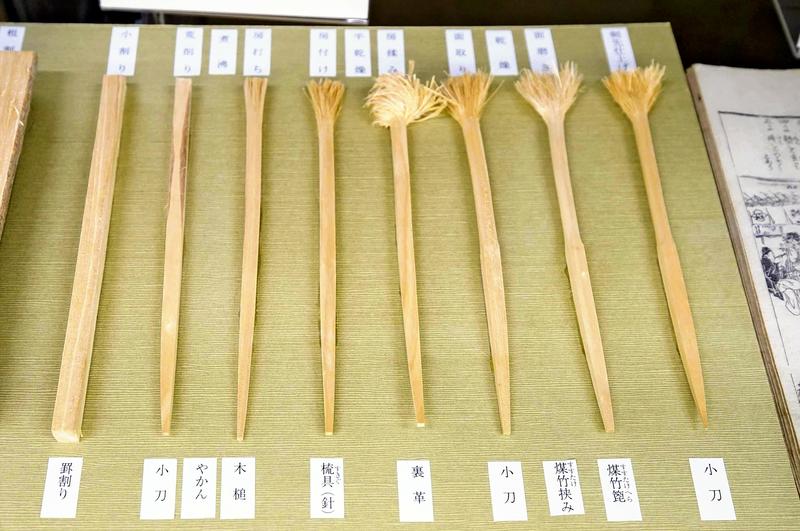
A type of toothbrush called "fusa-yoji" used in Japan until the Meiji era was made by boiling the tip of branches and beating it to loosen the fibers. The Western toothbrushes at the museum are similar to modern ones, having developed from ancient Chinese toothbrushes in which horsehair was attached to animal bones.
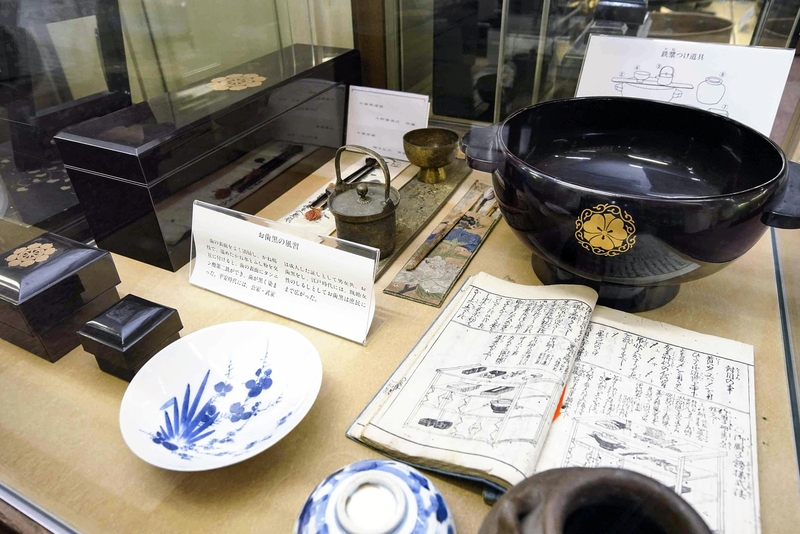
The museum also exhibits tools for ohaguro, or teeth blackening, which was also common among ordinary people in the Edo period. Because black does not take on other colors, it was a testament to a married woman's chastity, showing she did not interact with men other than her husband. Women back then are said to have dyed their teeth black before their husbands woke up in the morning.
A portable ohaguro tool that was taken on trips is also on display.
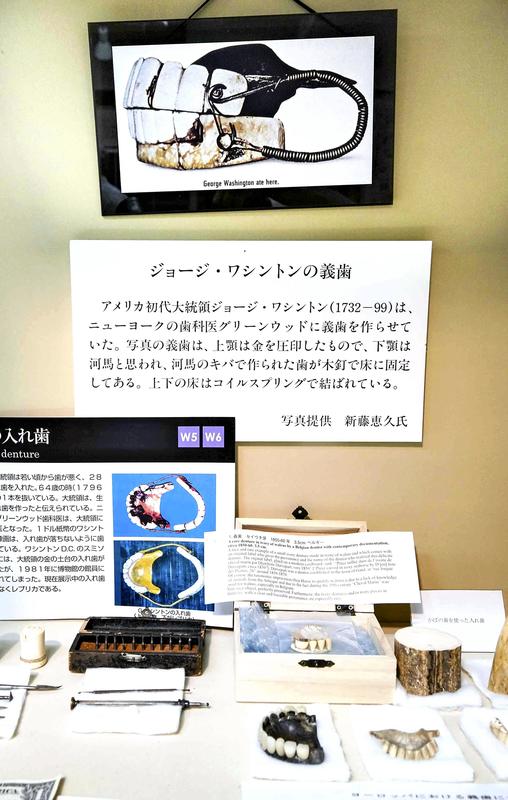
"It's interesting that people in both Japan and the West used to think cavities were created by an insect eating a tooth," said museum director Toshihide Ono, 81.
Cavities are painful, but their treatment is also painful and scary. Just as their predecessors did in the past, human beings today feel deep anxiety regarding their teeth.
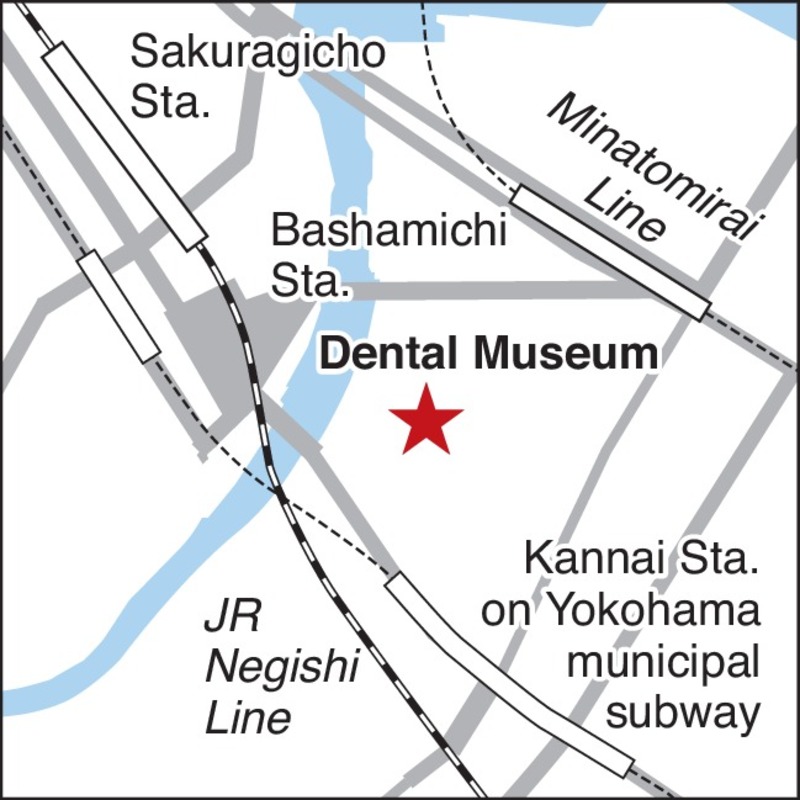
-- Dental Museum
The Kanagawa Dental Association opened the museum as a "dental reference room" in 1987 and renamed it in 1998. Groups can arrange with the museum in advance to visit on days when it is closed to the general public.
Address: 7th floor of the Ken Shika-Ishi Kaikan building, 6-68, Sumiyoshicho, Naka Ward, Yokohama
Open: 1:30 p.m.- 2:30 p.m. and 3 p.m.-4 p.m. (Reservations required by the day before. Closed on Mondays, Fridays to Sundays, national holidays and during the year-end and New Year period.)
Admission: Free
Information: (045) 681-2172
Read more from The Japan News at https://japannews.yomiuri.co.jp/