
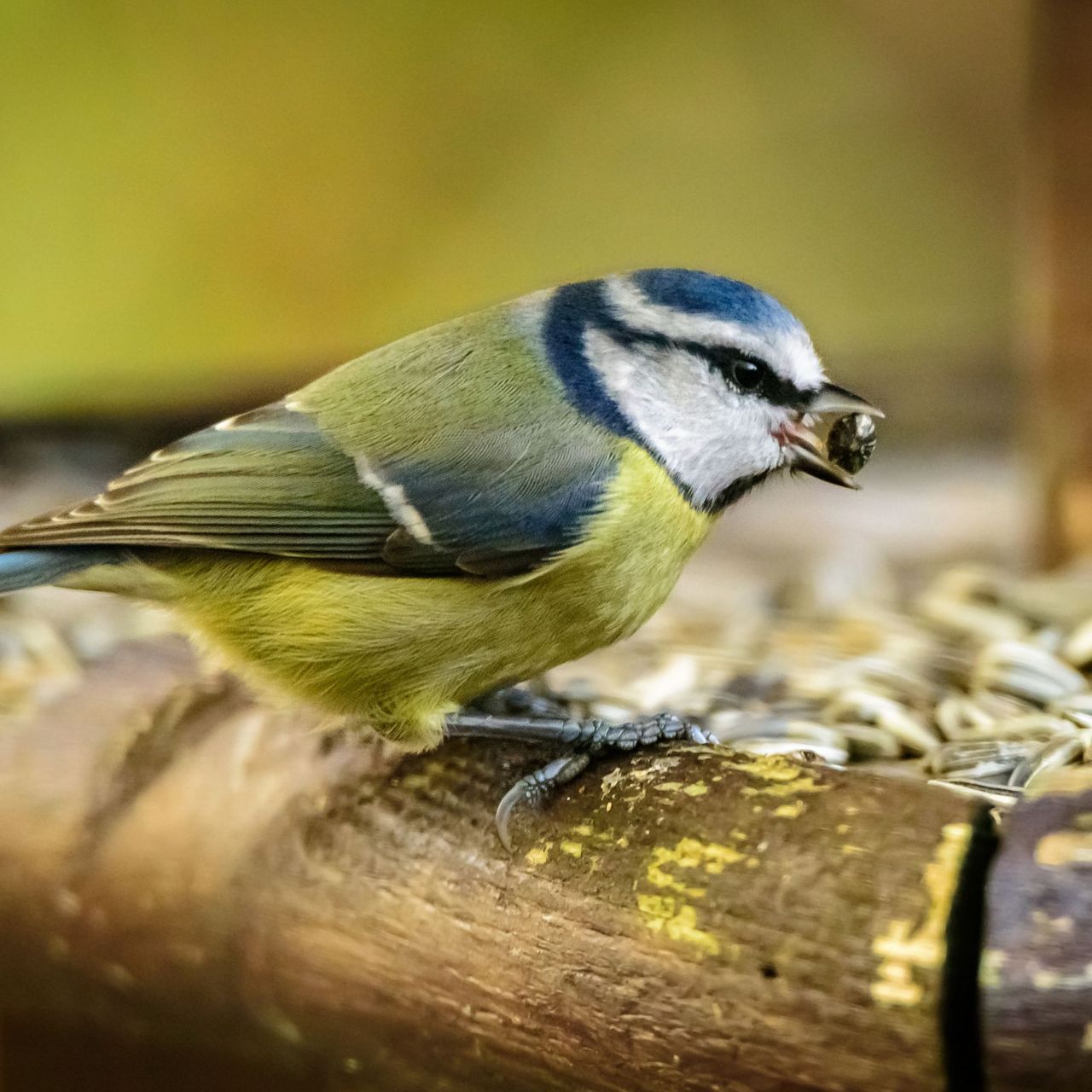
From eggshells to peanut butter, there’s no shortage of kitchen scraps that gardeners swear by when it comes to feeding birds. Should you add coffee grounds to your bird feeder, though?
Yes, coffee grounds are having something of a moment, with many claiming that adding them to your bird feeder can deter pests, enrich your feeding area, and even benefit garden wildlife.
At first glance, it makes a certain kind of sense; coffee grounds are natural, readily available and already widely used in composting and soil improvement, after all. If they can help the garden, surely they can help the birds too?
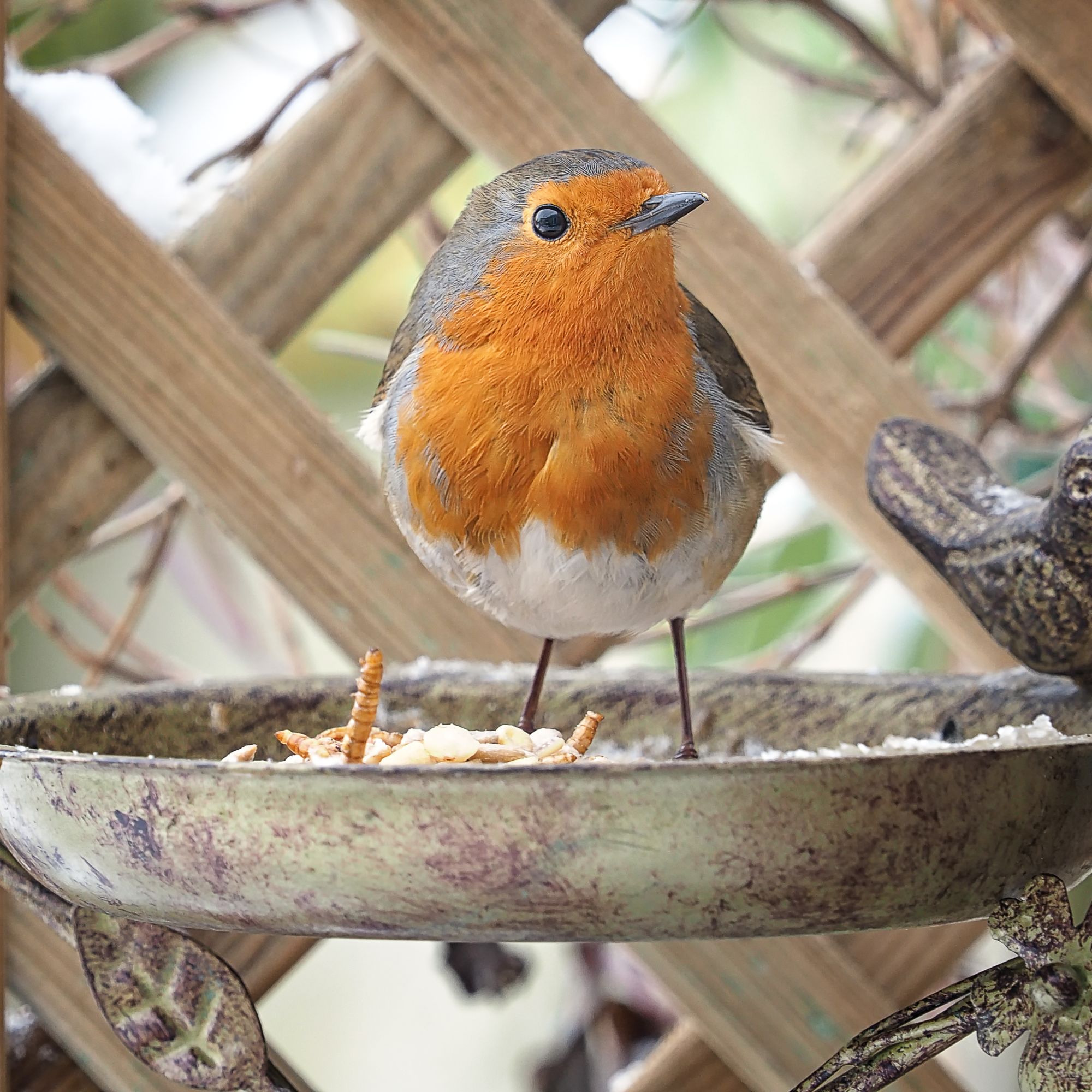
Should you add coffee grounds around your bird feeder?
At first glance, it makes a certain kind of sense; coffee grounds are natural, readily available and already widely used in composting and soil improvement, after all. If they can help the garden, surely they can help the birds too?
'Adding a small amount of used coffee grounds beneath or around your bird feeder can help deter pests like ants and even some squirrels, due to the scent,' says Morris Hankinson, director of Hopes Grove Nurseries.
Now, there’s a major caveat to all of this, because bird feeding isn’t just about offering food; it’s about creating a safe, hygienic environment that supports wildlife rather than unintentionally putting it at risk. When it comes to adding anything unfamiliar into feeders, then, Morris warns that even well-meaning habits can have unintended consequences.
As such, he says that you should never put coffee grounds in your bird feeder. Ever. 'Even though birds won’t eat them, it can cause hygiene issues,' he stresses.
Instead, he recommends using them sparingly and keeping them well away from the food itself. 'Be sure to keep the feeder filled with appropriate bird food, as the goal is to protect the space and not replace what birds actually need.'
While you can sprinkle coffee grounds around your bird feeder, the RSPB is in full agreement with Morris: coffee grounds have no place in your bird feeder whatsoever.
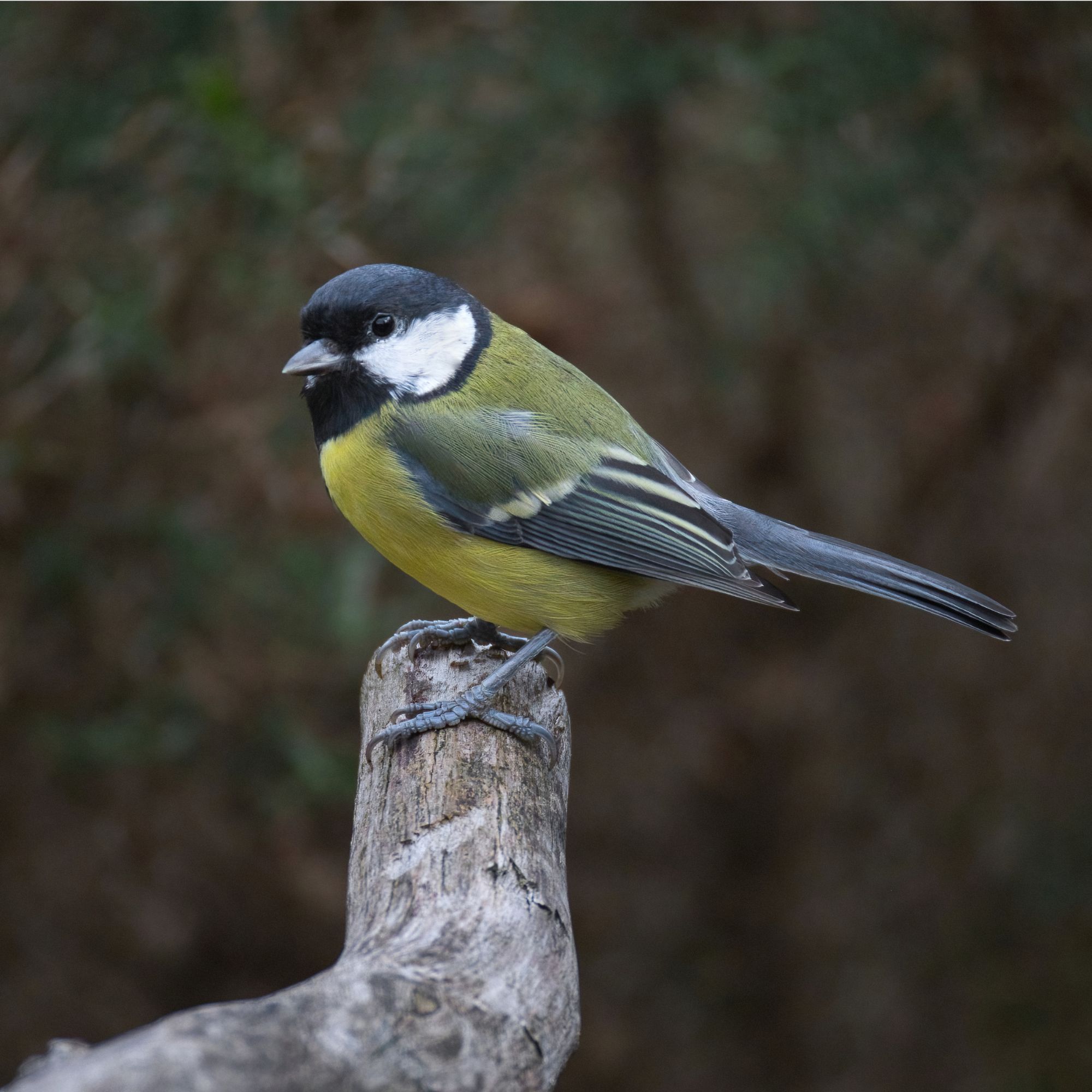
'We wouldn't advise the mixing of coffee grounds with birdfeed as it could lead to contamination, and as part of our updated feeding guidance, we're recommending that offering seed and peanut feed is paused between 1 May and 31 October,' explains a spokesperson. 'Fat, suet and mealworms can be offered year-round in small amounts.'
This guidance reflects a growing awareness around hygiene and disease prevention in garden bird populations. While feeding birds can be beneficial, poorly maintained feeders can quickly become a source of infection. Still, while coffee grounds shouldn’t go anywhere near your feeder, they can still have a place in your garden... just not in the way you might expect.
Bird feeding essentials
If you want to ensure your birds get a good, steady supply of suet, try serving it up in something like this.
Keep your birds fed and happy (as per RSPB guidelines) with these suet balls, which can be put out whole, loose, or crumbled.
These serve as dual-purpose rain catchers and bird watering stations. Better still, they can be unscrewed for easy cleaning.
FAQs
Why should you sprinkle coffee grounds around your bird feeder?
While you should never put coffee grounds in your bird feeder, there is an argument for putting them on the ground around it; the scent is said to help deter pests like slugs, bees, wasps, fleas, ants, snails, and even the odd squirrel. Just be sure to use it sparingly.
How to feed birds without spreading disease?
If you want to feed birds without spreading disease (and, let's be honest, everyone should want that) then it's important to get into the habit of giving your feeders a thorough clean at least once a week. If possible, move them to a slightly different spot each time to prevent a build-up of contaminated debris underneath. Any husks, droppings or leftover food should be cleared away regularly.
If you’re offering water, you should also take care to change the water daily (bird baths should also be cleaned weekly to prevent bacteria and algae from building up. And, as per RSPB guidelines, we should all be retiring our flat-surfaced feeders, too.
Yes, traditional bird tables have been shown to increase the spread of disease, as contaminated food collects and is easily shared between birds. Switching to hanging feeders or designs without flat surfaces can help reduce this risk.
In short, while coffee grounds might be a useful addition to your compost heap or flower beds, and while they’re brilliant for sprinkling around bird feeders, they’re absolutely not suitable to place in the actual food you’re offering to birds.
After all, when it comes to feeding garden birds, simple is best, so stick to appropriate food, take care to clean feeders, and focus on hygiene over hacks. It may not be as inventive as the latest viral sensation, but it’s far more effective... and far safer for the wildlife you’re trying to support, too.