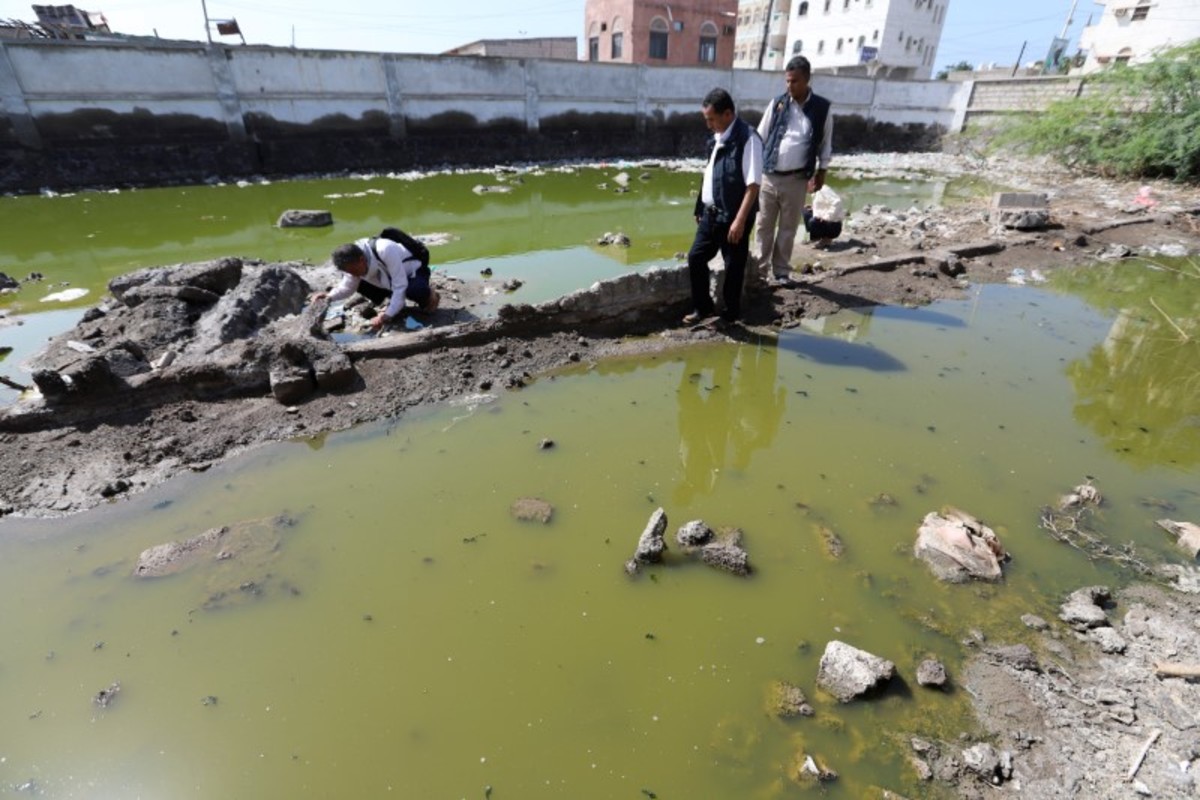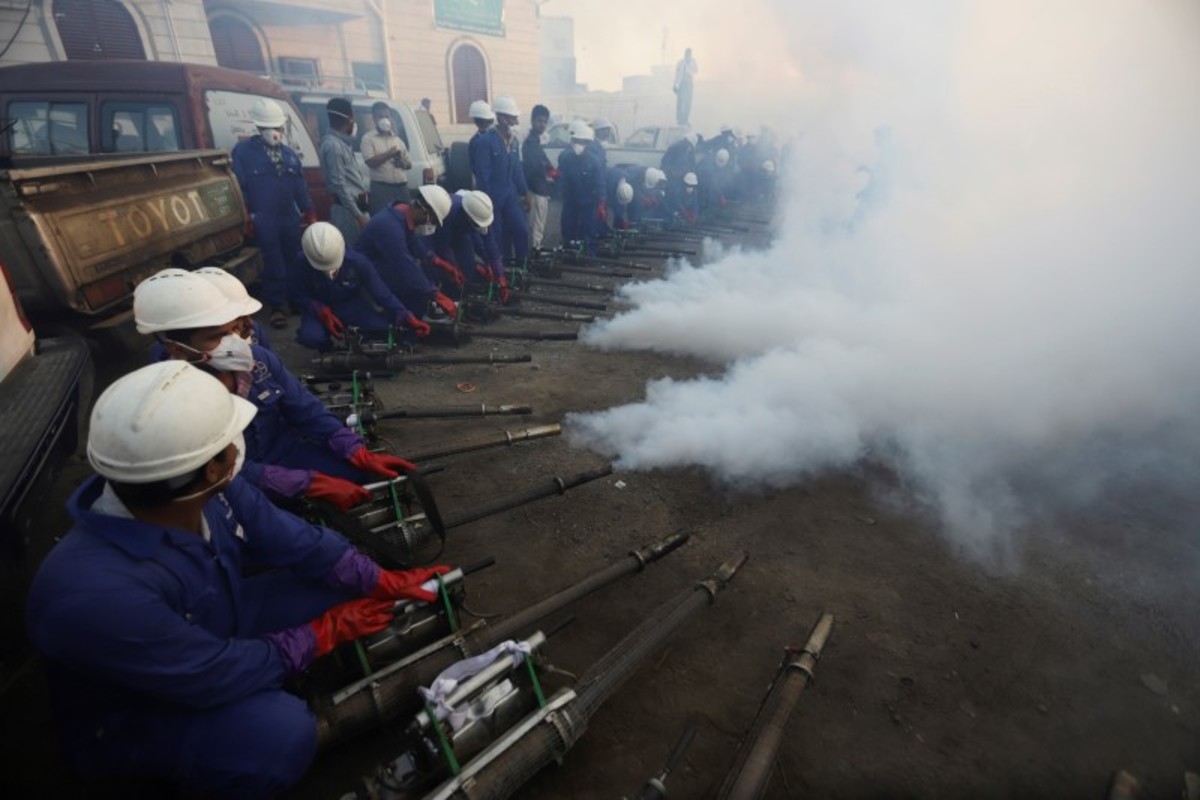
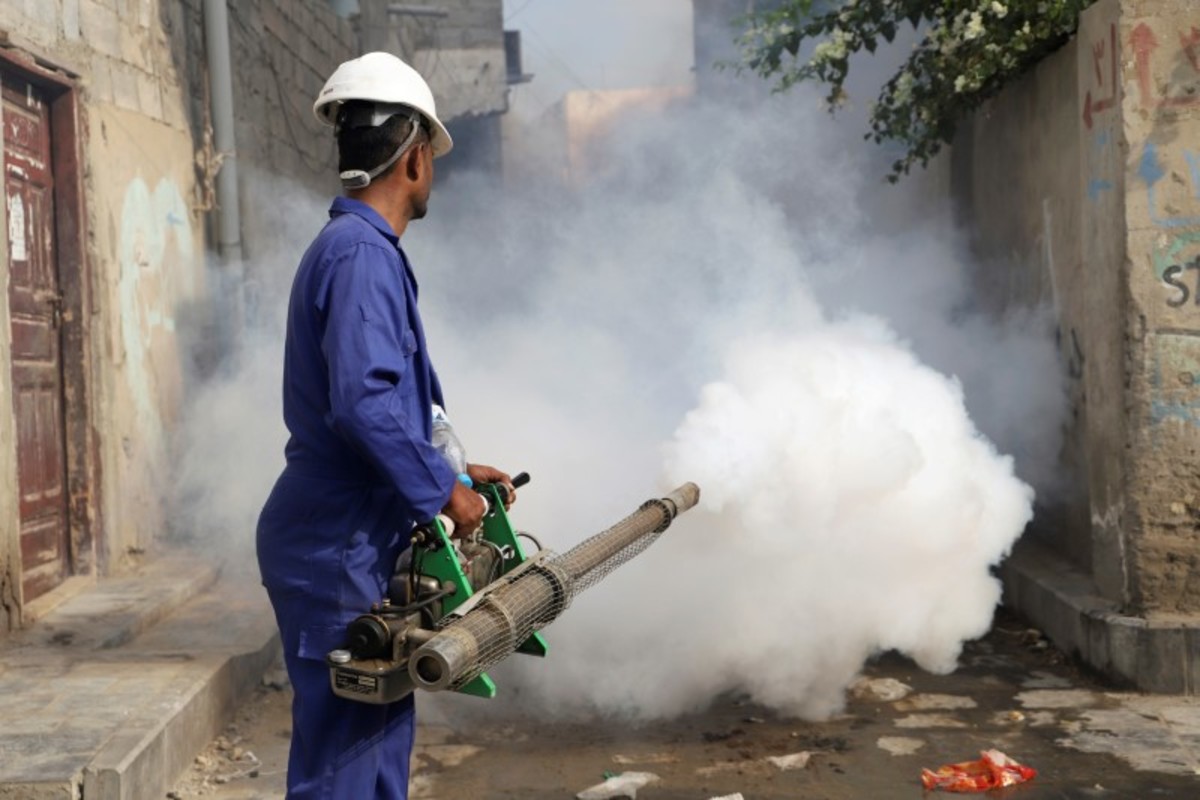
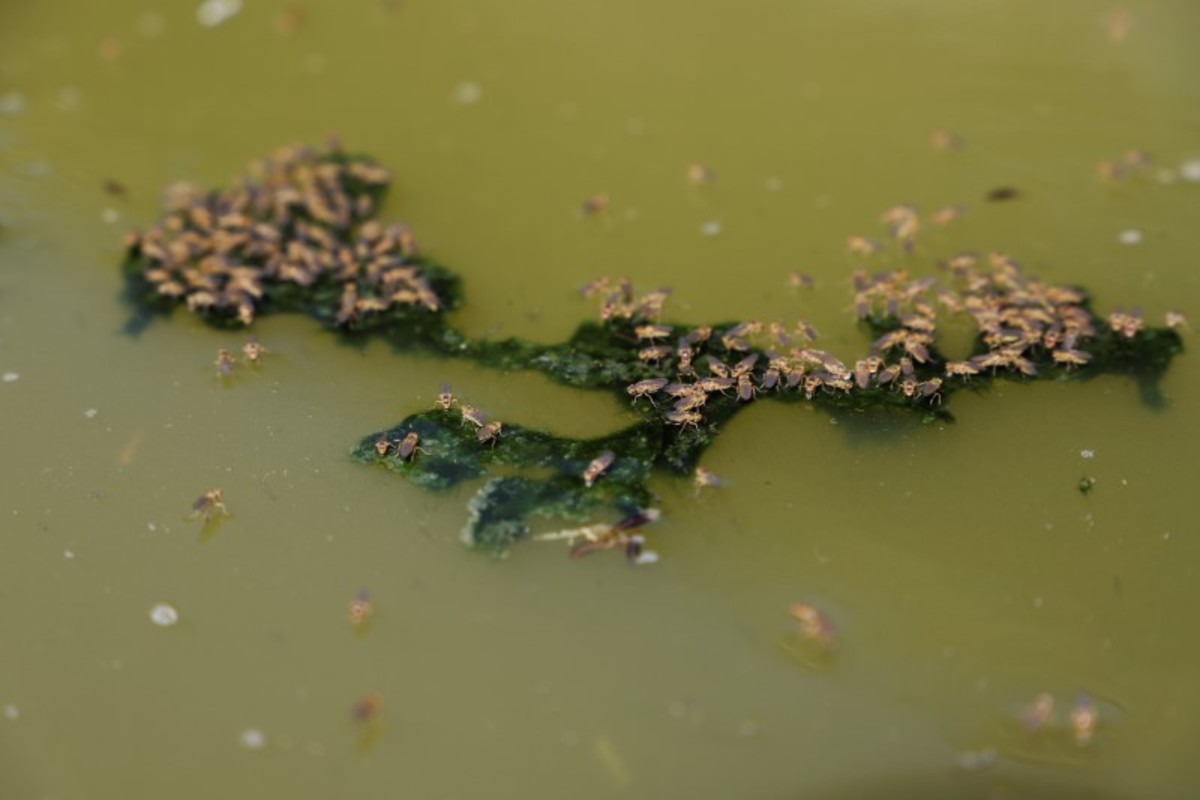
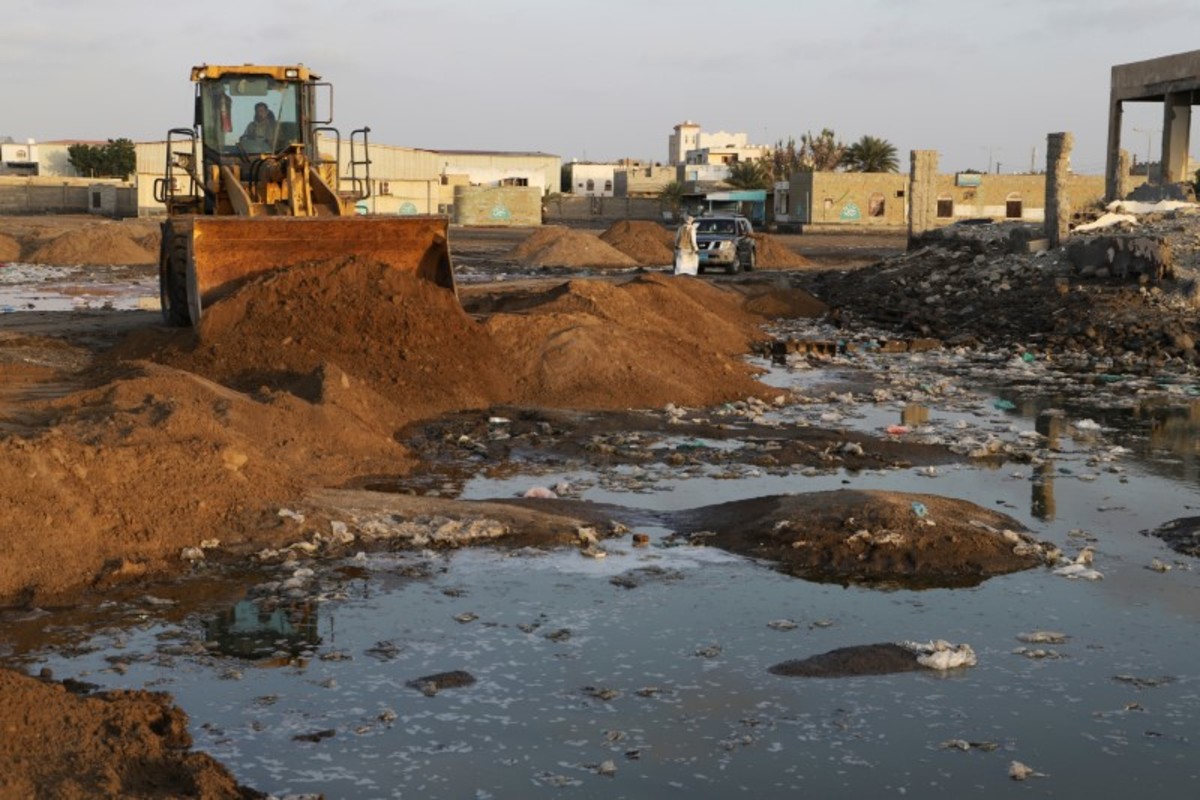
In the grounds of a bombed-out building in the port that has become the main front of Yemen's war, workers use a hose mounted to a truck to suck up a green, insect-filled expanse of stagnant rainwater, then shovel in soil to fill it, trying to save lives.
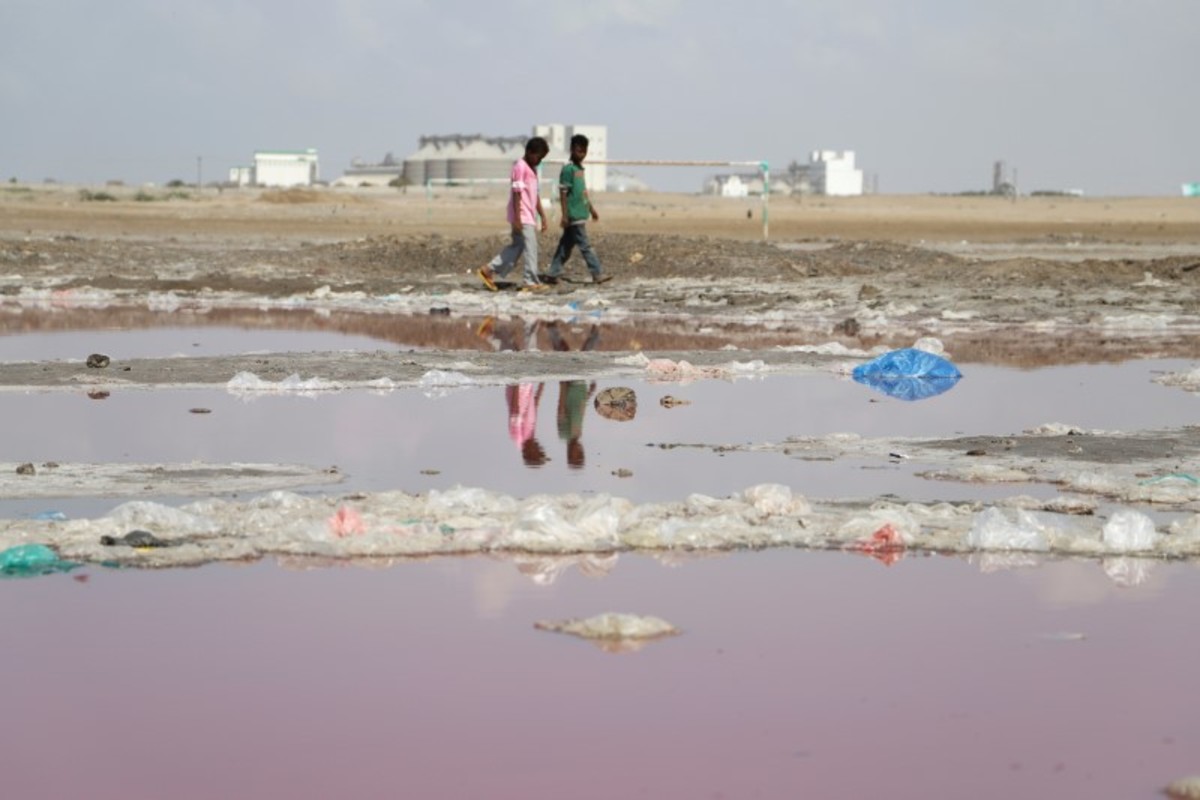
The trash-strewn pools are perfect breeding grounds for the mosquito that spreads dengue fever, which aid workers say is killing people every day near the frontlines in Hodeidah.
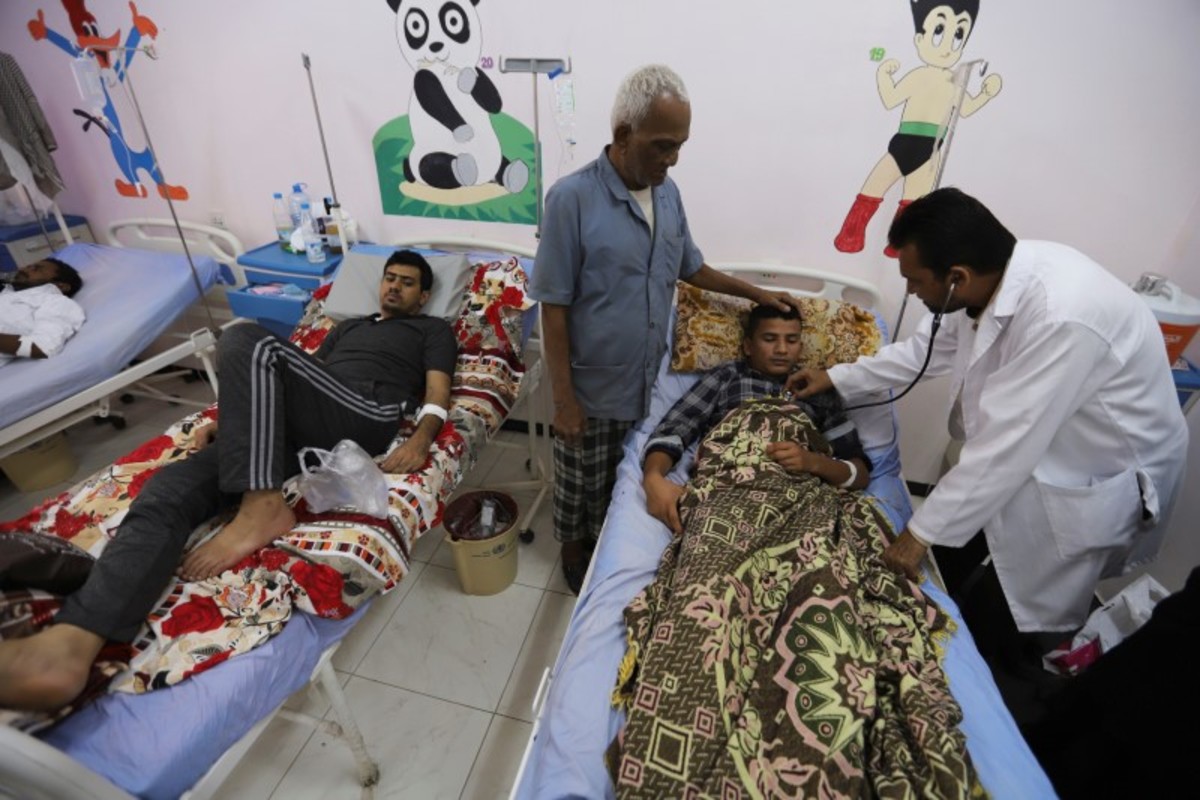
War has complicated efforts to fight the world's fastest-spreading mosquito-borne virus, wrecked Yemen's health system and public sanitation, and made an impoverished and displaced population more vulnerable to the disease.
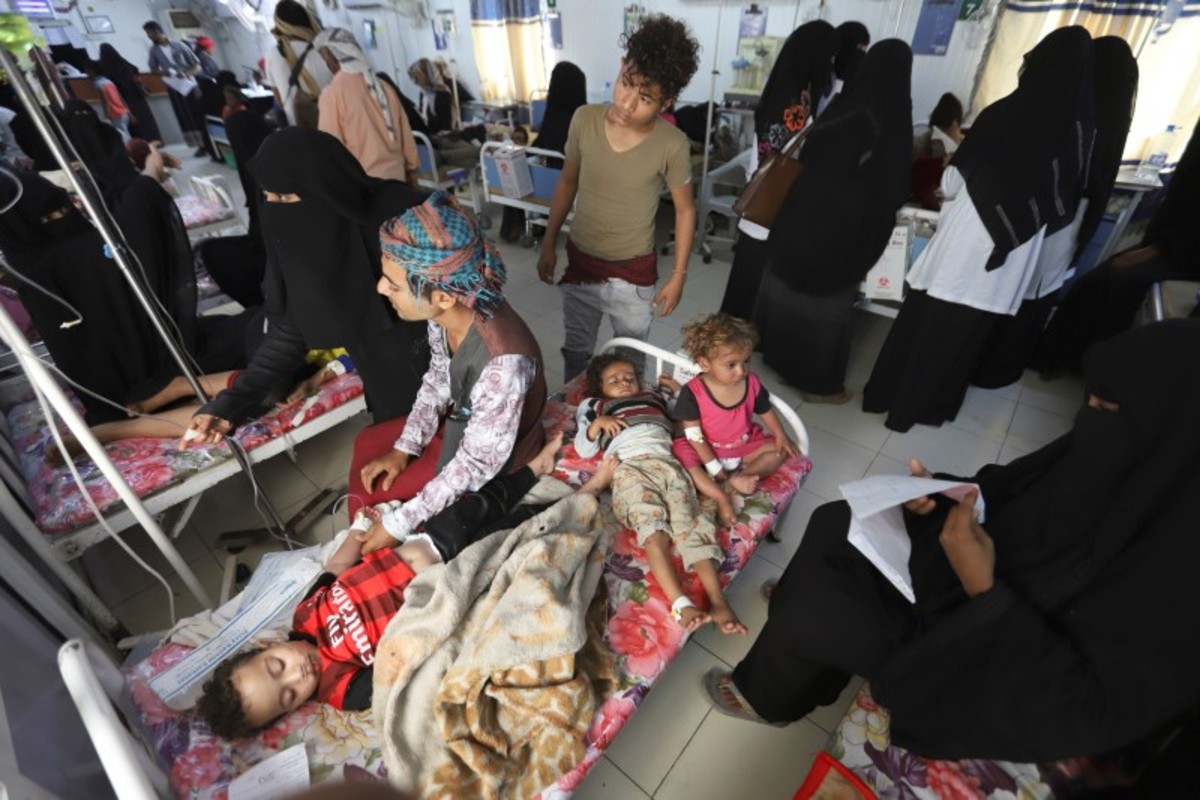
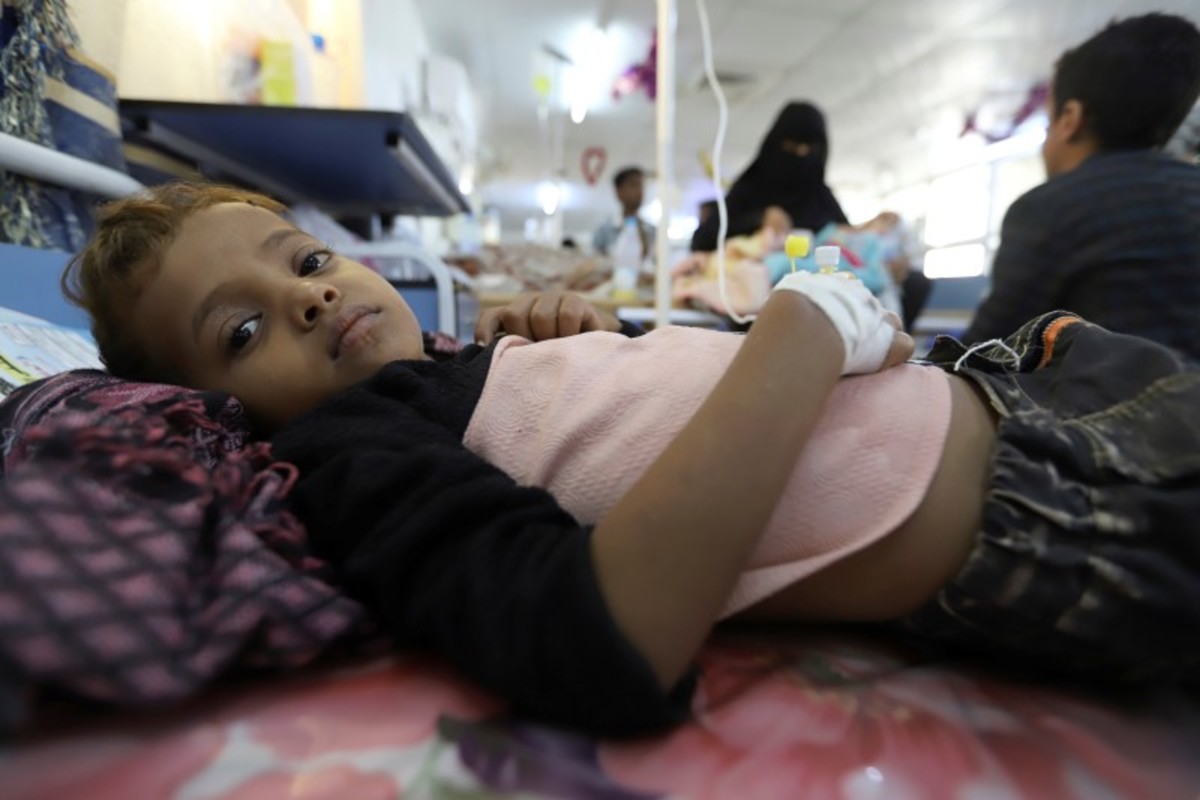
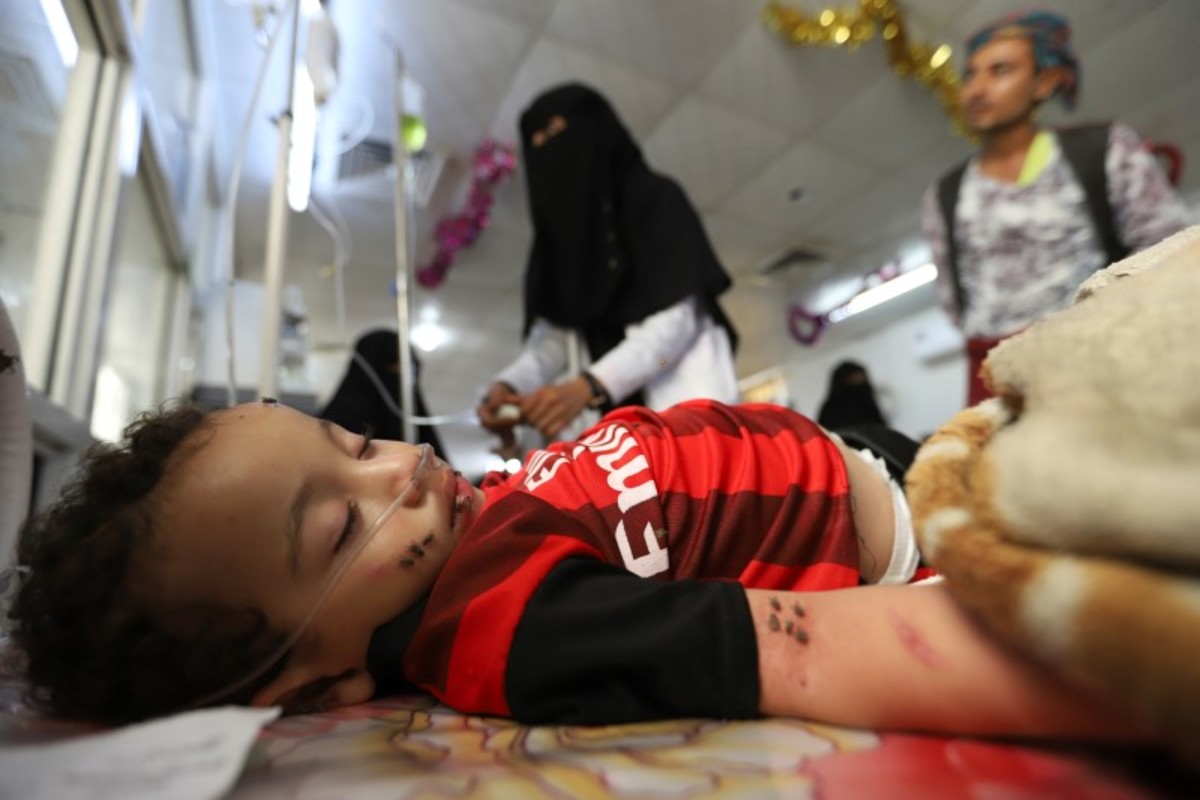
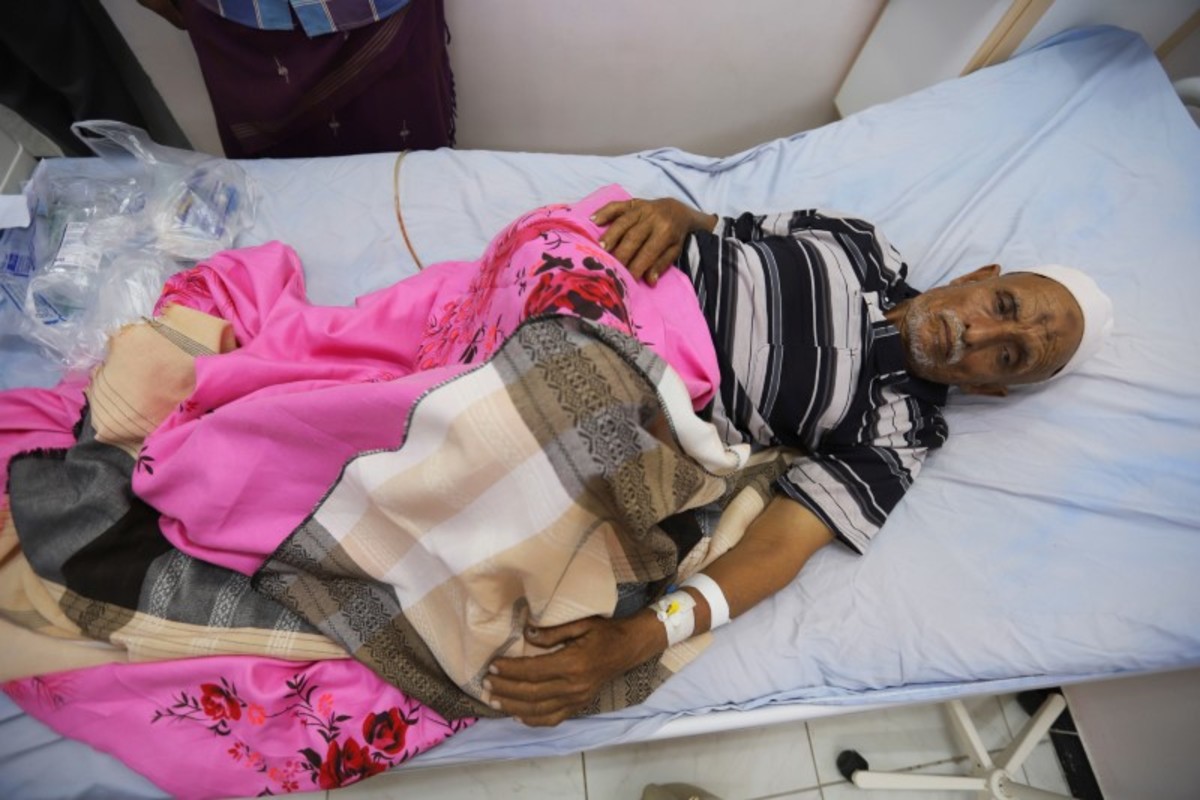
In a crowded children's hospital, flies crawled over the eyes and mouths of children struggling to breathe under the pain caused by the virus. Walid Yahya Mansour sat with two family members; two others had stayed home, too sick to travel.
"Dengue has been spreading fast," he said.
The World Health Organization (WHO) says the number of reported cases of dengue fever worldwide has increased six-fold from 2010-2016. It describes the disease as one of the top 10 global public health threats.
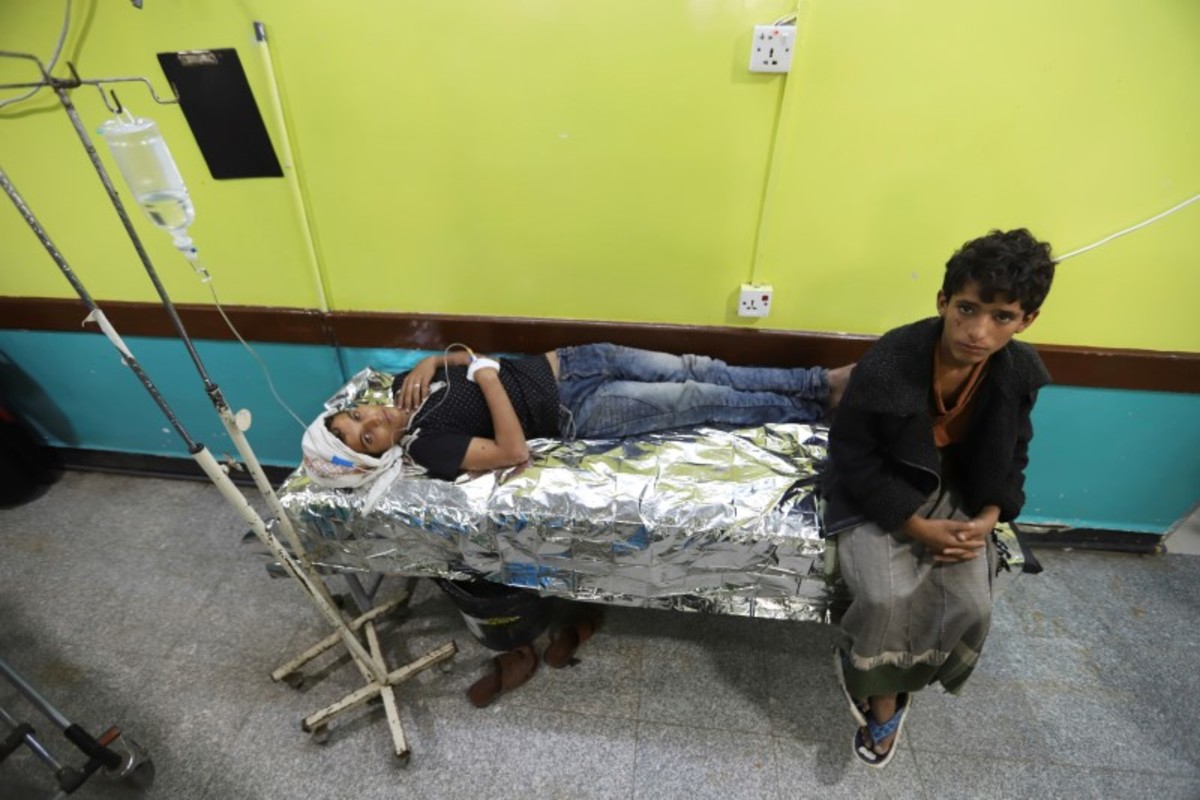
Dengue causes fever, headache, vomiting and pain in the muscles and joints. A severe form can result in internal bleeding. There is no specific treatment and no widely available vaccine yet, although one is being trialled.
Hodeidah, which has an active frontline on its eastern edge where the United Nations is trying to enforce a ceasefire and troop withdrawal, is reporting the highest number of suspected dengue cases and deaths, an International Federation of Red Cross and Red Crescent Societies (IFRC) report said.
The WHO said 76,768 suspected cases, including 271 deaths, were recorded last year across Yemen, although numbers started to fall in recent weeks.
"The dengue cases began in mid-November," said Ahmad Mu'ajam, a doctor at Thawra hospital in Hodeidah. "With time, there were fewer cases in the countryside areas, but they increased inside the city."
Authorities in the parts of Hodeidah city controlled by the Iran-aligned Houthi group have been filling in pools of stagnant water to remove mosquito breeding grounds, said Abdrahman Jarallah, the head of Hodeidah's health department.
But frontline areas are hard to access, and most cases in Hodeidah are coming from those areas, the WHO said. Communities there, who collect rainwater for drinking in open basins, are being advised on how to reduce mosquito breeding grounds themselves.
"We are getting reports of deaths on a daily basis in remote areas of (Hodeidah)," aid organization Save The Children said last week about dengue.
Yemen's conflict began in 2015 when a Saudi-led military coalition intervened to try to restore the internationally recognized government after it was ousted from power in the capital Sanaa by the Houthi movement.
The war has killed thousands, pushed millions to the brink of famine and also caused major cholera outbreaks.
(Reporting by Reuters team in Yemen and Lisa Barrington in Dubai; Editing by Peter Graff)