GENEVA (Reuters) - Yemen's cholera outbreak has infected 612,703 people and killed 2,048 since it began in April, and some districts are still reporting sharp rises in new cases, data from the World Health Organization and Yemen's health ministry showed on Tuesday.
The overall spread of the epidemic has slowed in the past two months, with the daily number of new suspected cases cut to around 3,000 in recent days.
However the epidemic, the most explosive on record in terms of its rapid spread, has continually confounded expectations. Soon after it began, WHO saw a worst-case scenario of 300,000 cases within six months.
But by the end of June, WHO was hoping 218,000 cases might be the halfway mark. In late July it said the spread had peaked after infecting 400,000.
Epidemics normally decline as quickly as they arise, so the peak of the disease - which is spread by contaminated food and water - should be roughly half the eventual total caseload.
But the decline in the epidemic has been bumpy, and the number of new cases rose in two of the past four weeks.
WHO spokesman Tarik Jasarevic said some of the most affected areas, such as Sanaa City and the governorates of Hajjah and Amran, had seen falls in the numbers of new cases.
But there had been a "sudden and significant increase" in the number of suspected cases reported from 12 districts, in the governorates of Hodeidah, Al Jawf, Al Mahwit, Ibb, Dhamar, Al Bayda and Aden.
"WHO is currently investigating the reason for this increase. A key aim of the investigation will be to determine whether the numbers are accurate and whether the spike in suspected cases is, in fact, caused by cholera or another diarrhoeal disease like rotavirus," Jasarevic said.
Save the Children, a charity running cholera treatment centers, said last Friday that suspected cases in Hodeidah governorate had jumped by 40 percent in three weeks amid heavy rains and a heatwave, and in some districts weekly caseloads were double their previous peaks.
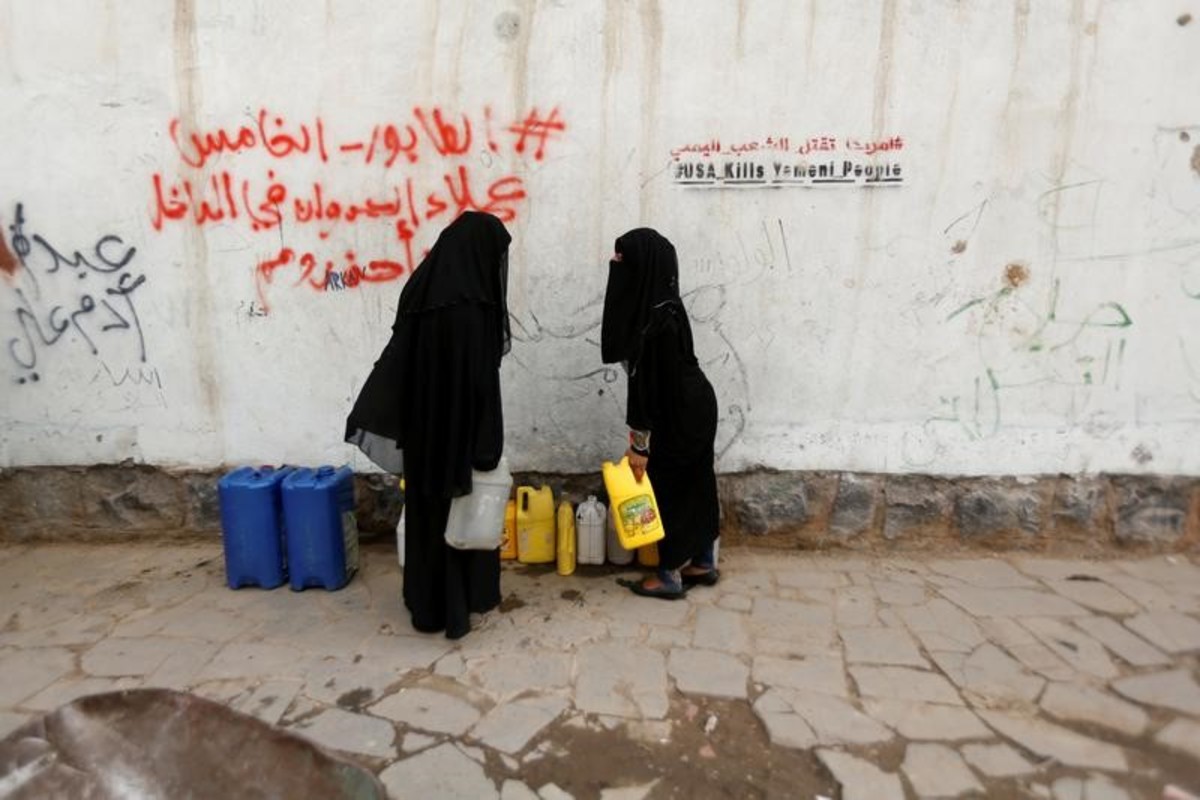
The United Nations has said the epidemic is man-made, driven by a civil war that has left 15.7 million people without clean water or sanitation.
(Reporting by Tom Miles, Editing by Mark Trevelyan)