Tucked away in the northwestern Indian Ocean near busy international shipping lanes, the Socotra Archipelago has remained isolated for millions of years. Its long separation from mainland Africa and Arabia, combined with intense heat, seasonal monsoon winds, and prolonged dry periods, created an evolutionary refuge where plants and animals adapted in remarkable ways. Today, the islands have one of the world’s highest concentrations of endemic species.
Get breaking news anytime, anywhere. Download the TOI app now!
According to the UNESCO World Heritage Centre , Socotra is recognised globally for its exceptional biodiversity and high level of endemism. Botanical surveys published by the Royal Botanic Garden Edinburgh estimate that about 37 per cent of the island's roughly 825 plant species, 90 per cent of its reptiles, and 95 per cent of its land snails occur nowhere else on Earth. Detailed botanical surveys catalogued by the Royal Botanic Garden Edinburgh show that 37 per cent of Socotra's 825 plant species, 90 per cent of its reptile species, and 95 per cent of its land snail species are unique to the island.
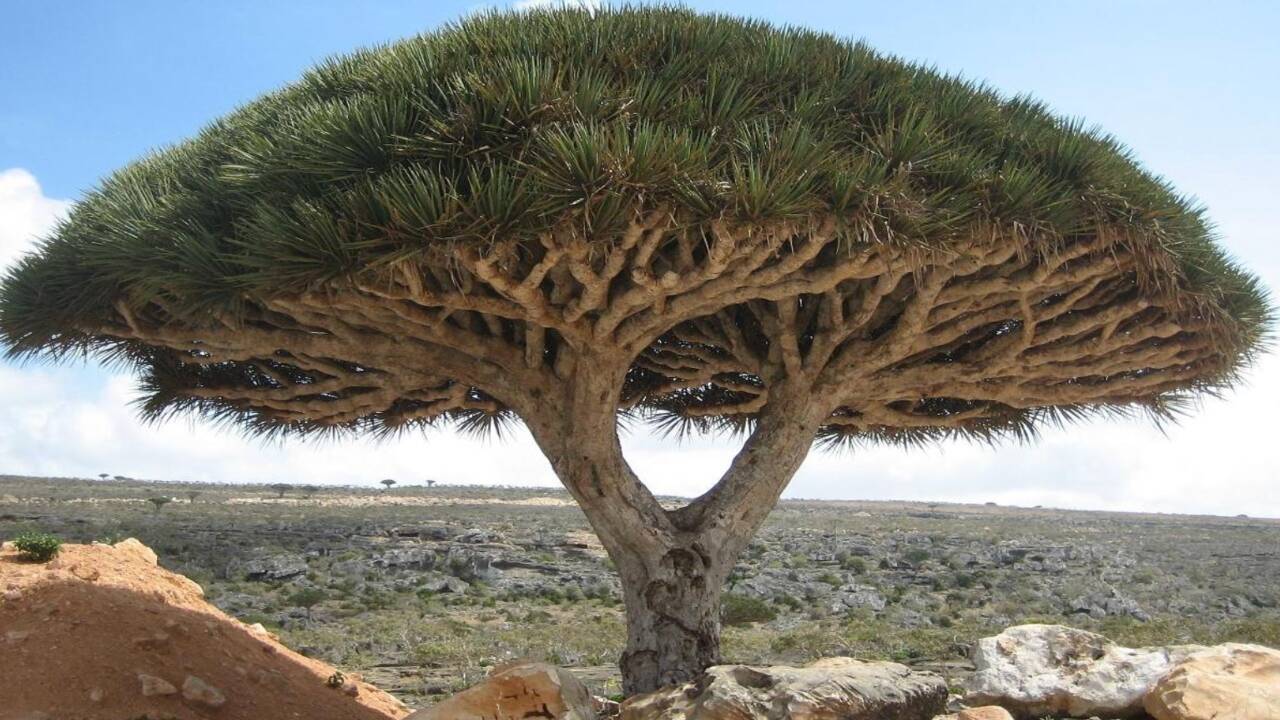
The most famous symbol of this ancient evolutionary story is Dracaena cinnabari, popularly known as the Dragon's Blood tree. Research indexed in PubMed Central reveals that its iconic upside-down umbrella shape allows the tree to capture moisture from gentle ocean fog and cast shade over the ground around its roots. Researchers say this reduces evaporation, creating cooler, moister conditions that improve the survival of young seedlings in Socotra's dry mountain landscapes.
How isolated evolution created unique island species
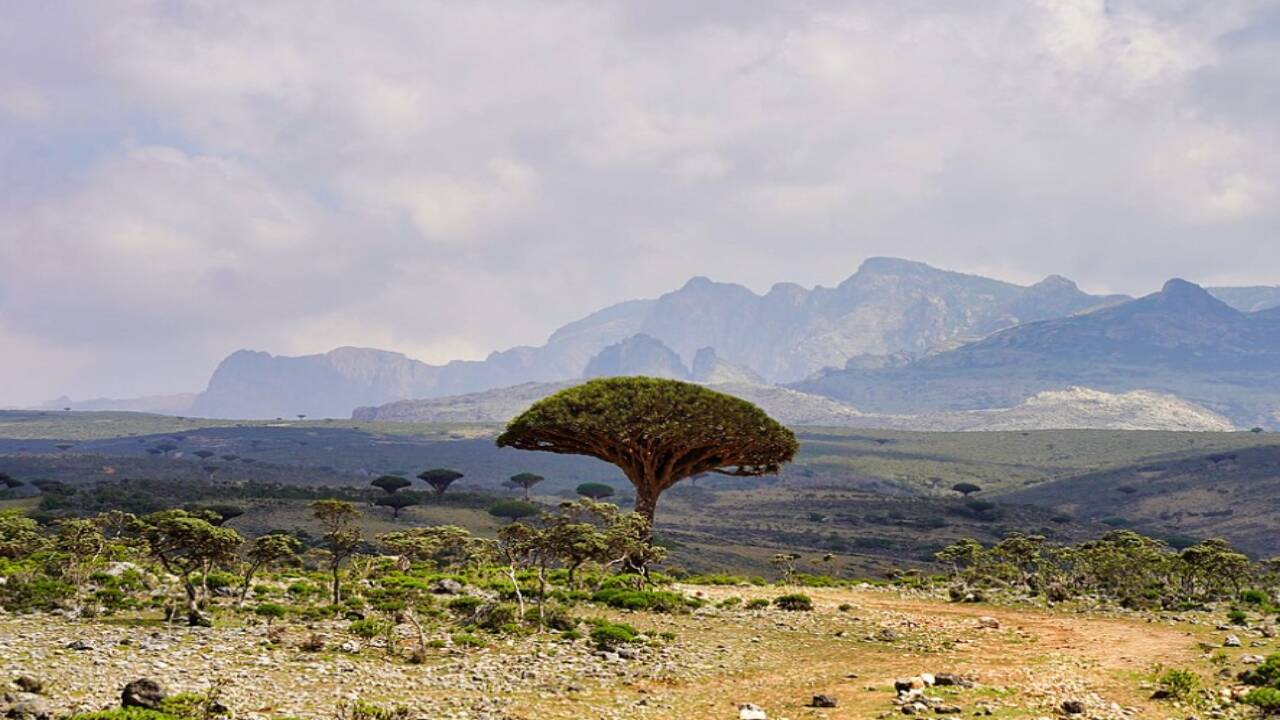
Socotra's remarkable biodiversity stems from millions of years of geographic isolation. Cut off from surrounding landmasses, plants and animals evolved independently, developing specialised traits that allowed them to survive on dry limestone plateaus, rugged granite mountains, and coastal plains. Many of Socotra's endemic species evolved specialised adaptations to survive the island's dry limestone plateaus, rugged granite mountains, and seasonal droughts. Native reptiles and land snails, for example, occupy rocky crevices, caves, and shaded valleys that protect them from extreme heat.
The absence of large native mammalian predators also shaped the island’s ecosystems, allowing reptiles, insects, and other small animals to fill roles occupied by larger vertebrates elsewhere. As a result, Socotra has preserved evolutionary lineages that have disappeared from many surrounding regions.
Why Socotra matters for global conservation
Recent conservation assessments by UNESCO and botanical researchers warn that Socotra's biodiversity is facing growing pressure from climate change, overgrazing by livestock, and expanding development. Scientists report that prolonged droughts and stronger storms threaten ageing Dragon's Blood forests, while grazing by goats often prevents young seedlings from reaching maturity.
Researchers say conserving Socotra will require a combination of habitat protection, sustainable land management, invasive species control, and support for local communities that depend on the island's natural resources. Preserving this archipelago protects hundreds of endemic species and preserves a valuable record of evolution in extreme environments. Furthermore, integrating native islanders into protection strategies remains crucial for long-term success, as traditional Socotri practices have sustainably managed these landscapes for generations. Encouraging small-scale ecotourism alongside controlled, community-led harvesting of traditional tree resin offers local residents economic incentives to protect their unique environment. Setting up fenced seedling sanctuaries and community nurseries will allow young Dragon's Blood saplings to establish deep root systems safely away from livestock. Protecting this living biological library ensures that Socotra continues to serve as an irreplaceable resource for climate adaptation research, offering scientists vital clues on how fragile life survives on a warming planet.