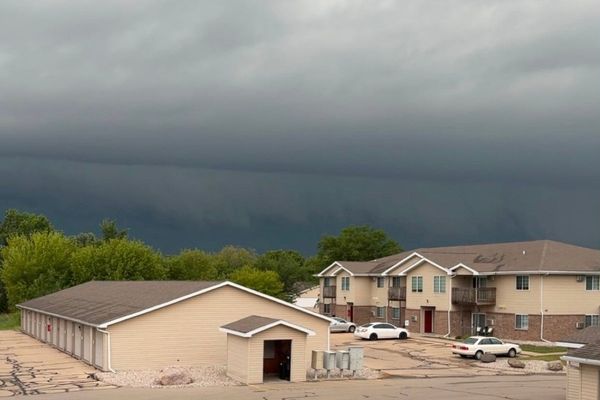
NEW DELHI: The arrival of the monsoon may have led to traffic snarls due to waterlogging, but it’s going to end the severe water crunch being faced by residents.
Delhi Jal Board (DJB) vice-chairperson Saurabh Bharadwaj said water levels in Yamuna, Delhi Sub-Branch (DSB) and Carrier Lined Channel (CLC) that draw water from Munak in Haryana would go up in the next few days, which would help treatment plants to run at full capacity.
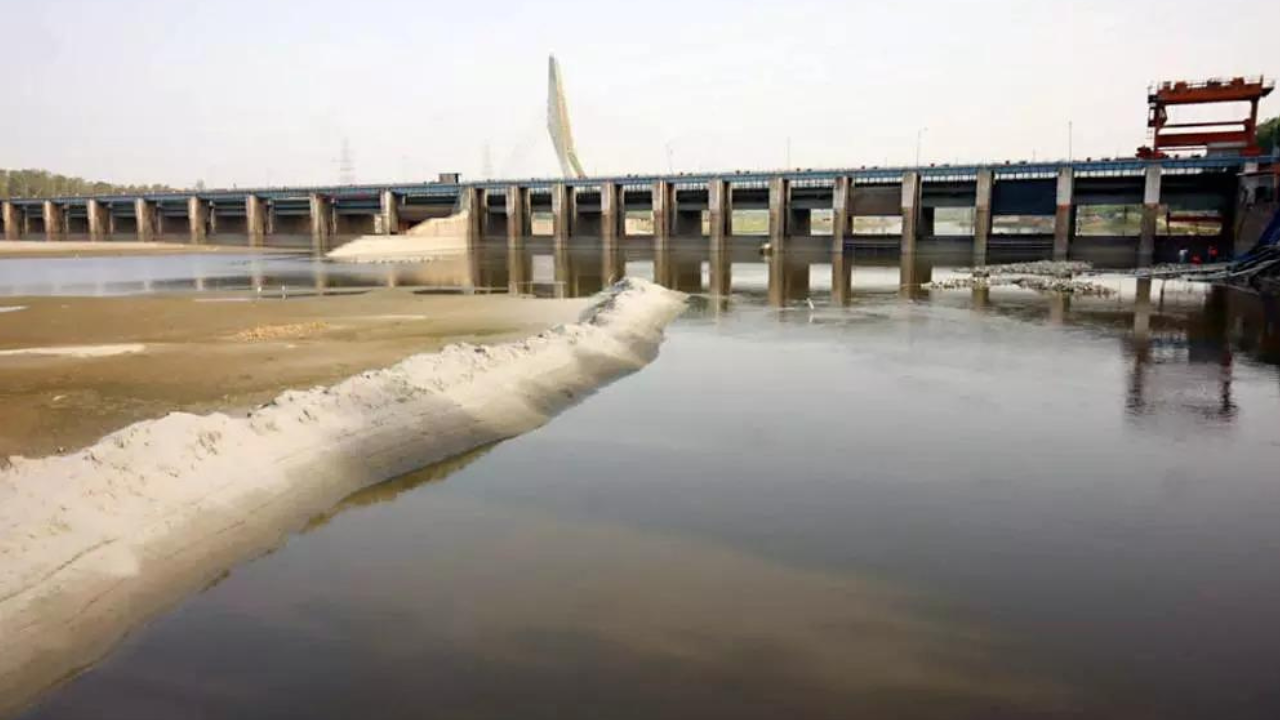
“Due to heavy rain in Himachal Pradesh in the last two days and heavy downpour in other northern states, the Yamuna level will start increasing now. From Friday evening, the level at Wazirabad, which is just about six inches now, will start going up,” said Bharadwaj.
The unusually warm summers led to severe shortage of water, forcing DJB to “rationalise” supply. Water production was hit at seven out of nine treatment plants earlier this month.
Chandrawal and Wazirabad WTPs were running at half capacity. The shortage of raw water in DSB and CLC affected treatment at Haiderpur Phase-I, Phase-II, Bawana, Nangloi and Dwarka plants. Only Sonia Vihar and Bhagirathi, which draw water from Uttar Pradesh, were running at full capacity.
While Delhi’s water demand hovers around 1,200 million gallons per day (MGD), the supply is a little less than 1,000MGD. According to Bharadwaj, low water levels in Yamuna and the two canals led to a shortage of up to 115MGD this month.
Earlier, Delhi had requested Haryana to provide 150MGD additional water, which was turned down by the latter saying that the capital was getting its due. “We may have to file a suit in Supreme Court for more share in the Yamuna water, which has been stagnant since 1994,” Bharadwaj said.
Bharadwaj said it was time Delhi fought for its rightful share of water to cater to the demand of the increasing population. While the current crisis is now almost over as demand has gone down by 2-3% due to a fall in temperature, more water in the Yamuna and the two canals would help in additional production.
Delhi government, meanwhile, has started projects to recharge groundwater to increase production capacity in the city.