Phew! Did anyone notice the time passing there?
The conversations are still flowing, and may well run right up until Yalc opens on Friday, so head over to #GdnYALC if you want to keep reading more of the fun stuff. A huge thank you to all our participants: authors, teens and everyone else for joining in. The anticipation is building for Yalc 2015 so do check out the official schedule and find out when all our participants are speaking. Tickets are long gone, but for those out in the cold the Guardian children’s books site will have the inside track so come back next week for the highlights!
Till then, goodnight, and we’ll leave you with this deep and profound meditation by twentieth century Austrian philosopher and logician Ludwig Wittgenstein, a message for YA if ever there was one:
@say_shannon "The limits of my language means the limits of my world." - Ludwig Wittgenstein #YALC #GdnYALC
— Bohdi Byles (@BohdiByles) July 13, 2015
Yikes and Yalcs! The time is up!
Cue modest blushing.
The #GdnYALC chat tonight shows what a BRILLIANT community YA peeps are. So impressed & inspired, @GdnChildrensBks & @EmilyDrabs. Thanks!
— Lucy Coats (@lucycoats) July 13, 2015
That was the quickest hour ever. So so interesting. I wish the live chats were weekly!! This has definitely been one of the best #GdnYALC
— Orli XD (@BlameBookshelf) July 13, 2015
But the great thing is, all the debate is just going to start all over again on Friday as Yalc 2015 gets underway!
And if you were just beginning to feel as though you hadn’t learnt anything (as if!), here’s a big word for you:
@BlameBookshelf Yes! Tying into this, would LOVE to see more intersectionality in YA. USYA seems better than UKYA for it. #GdnYALC
— Jim (@Yayeahyeah) July 13, 2015
(If in doubt, look up the Wikipedia definition - yes it’s a proper resource!)
As the hour draws to a close, we lift our weary eyes upwards and contemplate horizon…
Any thoughts about the future of YA, anyone? #GdnYALC
— Selene MP (@SelenePetalos) July 13, 2015
Here are some of the potential destinations, ahoy!
And of course, we need YA that shows struggling or quiet or feminine girls, esp in contemporary, can be strong & complex, too #GdnYALC
— Arianne (@Ariannebooklove) July 13, 2015
One thing I find interesting is the lack of profanity in YA. Let's face it: teens swear. A lot. #GdnYALC
— Samantha Shannon (@say_shannon) July 13, 2015
We can pour violence into YA books, but we're still squeamish about F-bombs. Are we more afraid of words than guns? #GdnYALC
— Samantha Shannon (@say_shannon) July 13, 2015
Annabel Pitcher has one suggestion - but notes that that in itself must be some kind of indictment.
@darrenshan @KirklandCiccone @GdnChildrensBks Read Winger & was struck by how unusual narrator seemed - simply b/c smart teen male! #GdnYALC
— Annabel Pitcher (@APitcherAuthor) July 13, 2015
I wonder if we need to be thinking wider in terms of taboos - perhaps it’s not what’s IN the books, but what’s OUTSIDE them?
@KirklandCiccone I was told by one publisher years ago that teenage boys don't read, so they didn't publish books for teenage boys. #GdnYALC
— Darren Shan (@darrenshan) July 13, 2015
Complex male protagonists anyone?
We sympathise x2!!
You know that bit in MORE THAN THIS where Seth is drowning? = me in this chat ;) #GdnYALC
— James Dawson (@_jamesdawson) July 13, 2015
There are just 15 minutes left of this fast and furious debate – send in your questions to childrens.books@theguardian.com or tweet them direct at #GdnYALC. This is too good of a discussion to miss!
Without doubt, tectonic plates are shifting in the direction of contemporary realism. But Samantha Shannon has words of consolation for Hunger Games devotees!
.@Grumblenook I believe there will always be a place for dystopia. Being a young adult is a time of fear and upheaval, and... #GdnYALC
— Samantha Shannon (@say_shannon) July 13, 2015
On the topic of whether there are some things teens shouldn’t read (erotica probably foremost amongst them!),
@say_shannon do you think there are certain issues that teens shouldn't read about? #GdnYALC
— Vanessa (@VNessa94) July 13, 2015
@say_shannon @VNessa94 Even the controversial issues? I wanted to have issues of sexual/child abuse but don't think it would work. #gdnYALC
— Bohdi Byles (@BohdiByles) July 13, 2015
I think we have a winner for the next YA taboo competition!
Hypothetically (I've not seen it!), would people approve of YA erotica? Could we be reading that in 2016? #GdnYALC
— Joshua A.P (@thurrockjosh) July 13, 2015
And in a development of that idea, there has been a lot of debate throughout the evening about the so-called “worthiness” of YA fiction (read: complaints that it is so devalued!) How might this be challenged?
Now we’re debating what is one of the most intriguing features of the YA phenomenon: that it is so insanely popular with adults. Is that because so much of it is issue-based, which makes the lines dividing good and evil clearer? Or because YA is addressing things in society head-on in a way that other fiction isn’t?
@JulieMayhew Perhaps this is why YA is read by so many adults, though? #GdnYALC
— Ele Nash (@elenashart) July 13, 2015
Annabel is still ploughing her very admirable furrow:
Writers are interested in telling a story. If issues arise naturally, or a taboo is broken, so be it.But it's not our raison d'être #GdnYALC
— Annabel Pitcher (@APitcherAuthor) July 13, 2015
@thurrockjosh @GdnChildrensBks I never draw a line. I simply write the story I hear in my head & let publishers worry about taboos #GdnYALC
— Annabel Pitcher (@APitcherAuthor) July 13, 2015
And she’s got company!
Agreed. First & foremost is story & chars. Issues will naturally creep in if they’re important to author #GdnYALC https://t.co/YM6L8DG520
— Liz Kessler (@lizkesslerbooks) July 13, 2015
How do we feel about that attitude? It’s obviously by far and away the best way to write – but do we still need some books/authors that take a more obviously activist stance?
We certainly mustn’t fall into the trap of thinking that everything moves forward in a linear, progressive fashion. For that way complacency lies…
@EmilyDrabs #GdnYALC I think that a lack of minority authors to inspire budding writers causes a dearth of them again in the next generation
— Taran Matharu (@TaranMatharu1) July 13, 2015
@weimingkam @lucycoats @EmilyDrabs 100% agree diversity in publishing is very important, as they are the gatekeepers #GdnYALC
— Taran Matharu (@TaranMatharu1) July 13, 2015
Annabel Pitcher comes in with some fairly comprehensive thoughts:
I think we do YA and its authors a massive disservice by focusing to much on taboo-breaking and 'issues' @GdnChildrensBks #GdnYALC
— Annabel Pitcher (@APitcherAuthor) July 13, 2015
There’s some fundamental disagreement about the premise of this debate, for which we accept no responsibility! But it’s a fair point to raise; if we insist that YA must be tackling taboos, are we saying the books can’t just be good stories?
@JulieMayhew Issues tend to be at forefront of YA in less indirect way than adult fiction though #GdnYALC
— raremediumwelldone (@weimingkam) July 13, 2015
@TaranMatharu1 @laxmi @EmilyDrabs V true. Same with LGBT. Difficult line to tread b/w strong representation & being stuck in a box #GdnYALC
— Liz Kessler (@lizkesslerbooks) July 13, 2015
Not much love for the good ol’ romantic plot around tonight…
@BlameBookshelf @HollyPeckitt Totally agree. "Magically well again" & "cure issues with love!" tropes are unrealistic & need to go #GdnYALC
— Arianne (@Ariannebooklove) July 13, 2015
I think YA is more ‘the character falls in love and that’s where all their problems begin!’ #GdnYALC https://t.co/s4X5ktx2KR
— Liz Kessler (@lizkesslerbooks) July 13, 2015
Romance is definitely in its Twilight hour… *groan*
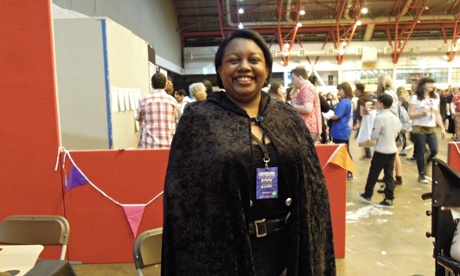
Diversity is, of course, something that Malorie Blackman (our esteemed Yalc founder) worked hard to raise the profile of during her time as Children’s Laureate. No doubt there’s still work to be done here, as Taran Matharu explains.
@laxmi @EmilyDrabs #GdnYALC Yes and no. I think some books about diversity can be pigeonholed as a book for young POC and not for everyone.
— Taran Matharu (@TaranMatharu1) July 13, 2015
Here’s an interesting curveball; while we are often congratulating YA for being socially cutting edge, are authors and publishers guilty as a result of stereotyping the other way? How might this be negotiated? (answers on a postcard!)
@ritesh_kala @EmilyDrabs Also (I say this as a left leaning person) I wonder if there's a taboo on characters with r'wing beliefs? #GdnYALC
— Anne Booth (@Bridgeanne) July 13, 2015
YA has made great strides in the realms of representing sexuality:
.@EmilyDrabs @_jamesdawson I truly believe LGBT issues in YA are leading the way for society right now. V proud to be part of it #GdnYALC
— Liz Kessler (@lizkesslerbooks) July 13, 2015
But there’s still work to be done - taboos can’t be busted all in one night, eh? (much as we try!)
.@BohdiByles There's a great need for more trans representation in general. Also more asexual and aromantic characters. #GdnYALC
— Samantha Shannon (@say_shannon) July 13, 2015
Amongst all the more high-brow discussions, some are just plotting more practical considerations for Yalc this weekend…
How many books is everyone else taking? Trying to convince people thirty totally ISN'T too many... Failing... #GdnYALC
— Megan Winchester (@BookAddictdGirl) July 13, 2015
We sympathise!
This #GdnYALC is making my eyes go funny. What was the question?
— James Dawson (@_jamesdawson) July 13, 2015
Another suggestion for the next YA taboo to be busted:
@EmilyDrabs I think there may be a taboo about depicting religious belief as normal eg about a contemporary young adult praying. #GdnYALC
— Anne Booth (@Bridgeanne) July 13, 2015
And this links to an earlier post (19.09) about challenging extremism – YA needs to work on two fronts, perhaps, finding a way to be both more sensitive to the religious dimension of everyday life for many young people, while also challenging the more radical aspects.
Darren Shan has a suggestion for how extremism could be dealt with in fiction for teens:
@weimingkam @EmilyDrabs Agree. That's what prompted me to write my Zom-B books, which have zombies but are really about BNP, UKIP. #GdnYALC
— Darren Shan (@darrenshan) July 13, 2015
One thing that many contributors are agreeing on is the need for YA fiction to address mental health issues more sensitively.
There definitely needs to be more YA on Anxiety. So many people suffer feeling isolated & need characters to empathise with #GdnYALC
— Holly (@HollyPeckitt) July 13, 2015
@BlameBookshelf Holly (@HollyPeckitt) and I were just talking about this today! We definitely need more books on teen mental health #GdnYALC
— Arianne (@Ariannebooklove) July 13, 2015
@EmilyDrabs Whilst mental illnesses such as depression seem to feature more in YA, I'd like to see more YA books dealing with OCD #GdnYALC
— Harvey (@bookmarkedblog1) July 13, 2015
There are definitely books out there, albeit not enough. Who can suggest some good ones?
And much as our panellists are challenging the split dividing realism from dystopia, Amy Alward wants to suggest the realistic merits of fantasy:
@caraericah @GdnChildrensBks There doesn't need to be a balance! I love full on fantasy as much as those with realistic touches #GdnYALC
— Amy Alward (@amy_alward) July 13, 2015
Annabel Pitcher has some thoughts to add to the realism debate:
@JGreenAuthor @lizkesslerbooks @GdnChildrensBks excellent point! Also 'hard-hitting'. Reality can sometimes be beautiful and tender #GdnYALC
— Annabel Pitcher (@APitcherAuthor) July 13, 2015
Among other aspects of society that YA fiction could be addressing…
@EmilyDrabs The reality and experiences of extremism in YA I think could be more widely challenged #GdnYALC
— librarykirsty (@librarykirsty) July 13, 2015
Or are we setting up a falso dichotomy? Darren Shan has some interesting, if rather pessimistic, thoughts:
@Grumblenook Well, when the Apocalypse happens dystopia WILL be the new realism! Dark fantasists are merely ahead of the curve! :-) #GdnYALC
— Darren Shan (@darrenshan) July 13, 2015
And how would that incarnation of realism be one way to approach the need for YA to address social injustice:
@weimingkam @EmilyDrabs exactly. I was just about to say social injustice in contemp society #GdnYALC
— Pippa Wilson (@hellopipski) July 13, 2015
Would that have to be “gritty”, by definition?
Here’s an interesting point:
@lizkesslerbooks @GdnChildrensBks I'm here #GdnYALC wondering why people always use the word 'gritty' as a prefix for realism!
— Julia Green (@JGreenAuthor) July 13, 2015
Can you have a realism that isn’t gritty? And if so, what should we define that as?
Questions, questions, questions… And we’re jumping straight into murky waters… What’s the next YA taboo?
@EmilyDrabs I still think sex is treated like something ‘naughty’. We’re still oddly puritanical about it. #gdnyalc
— James Dawson (@_jamesdawson) July 13, 2015
@EmilyDrabs I think we should be able to include sexual references in books for boys because, hey, boys ARE interested in sex! #GdnYALC
— Darren Shan (@darrenshan) July 13, 2015
And we're off!
Welcome to our live chat #GdnYALC where we’ll be discussing all things YA! Anything goes in our live chat! So let the fun begin!
— GdnChildrensBooks (@GdnChildrensBks) July 13, 2015
The people are assembling…
Getting my typing fingers ready for #GdnYALC chat...
— Annabel Pitcher (@APitcherAuthor) July 13, 2015
Are you ready, YA fans? #GdnYALC starting any minute. *rolls up sleeves* *reports in to @GdnChildrensBks for duty*
— Liz Kessler (@lizkesslerbooks) July 13, 2015
Hello, is it me you're looking for? Ax
— Arabella Weir (@ArabellaWeir) July 13, 2015
We couldn’t put this better ourselves!
So excited about #GdnYALC - starts in five minutes!! Yay!!!! Come join in with @GdnChildrensBks!!
— Megan Winchester (@BookAddictdGirl) July 13, 2015
5 mins and counting - get your questions in quick!
By the pricking of our thumbs, something awesome this way comes...
Zero hour is approaching, but there’s still plenty of time to add your questions. Either head to Twitter and start using #GdnYALC – if you want to address a particular participant then make sure to ask them directly (check out the list below) then they know who should answer what! – or email childrens.books@theguardian.com and throw it out to the field.
you know you're dedicated when you make your family organise dinner around #GdnYALC live chat @GdnChildrensBks
— Orli XD (@BlameBookshelf) July 13, 2015
With that shift in emphasis in mind, performance poet Steven Camden’s realistic new novel It’s About Love is this month’s Teen Book club read.
Our latest offering? The chance to perform with Polarbear himself - and all you have to do is write a poem about something or someone that you love. Find out more here…
For years dystopia and fantasy have dominated teen bookshelves, but now change is in the air: a new brand of gritty, down-to-earth realism is the hot new YA craze. Say goodbye to far-off lands and totalitarian regimes, wizard schools and space adventures – and hello to high school, teen angst and the (almost) real world. Realism is back and, if recent bestsellers are anything to go by, here to stay.
To who or what should we attribute this shift, which has been growing in momentum in the last couple of years? We can first see it catching on in the novels of John Green. Although it was not his first book, The Fault in Our Stars was undeniably his breakout novel and reached a hitherto unknown level of worldwide recognition for a YA novel. TFIOS is not set in a far-off realm or futuristic hell but in a very real American city in the twenty-first century. Green took inspiration from real people and wrote a book about a terrible thing that happens to millions of people across the world in real life – and people loved, cried and crazed over it, just as much as they had for The Hunger Games or Harry Potter.
Read the rest of site member muchbooks’ blog about the rise of contemporary realism in YA fiction here.
Here’s something to mull over while we wait: we asked some of the authors who are coming to Yalc to talk about what excites them most about the way YA lit is developing, and to recommend their favourite new YA authors. Here’s what they suggested…
Dramatis Personae
Here’s your panel for tonight’s chat, with their very own Mastermind-esque Yalc specialisms:
Name: Amy Alward, @amy_alward
Occupation: author of the recently-released Potion Diaries (it looks exciting: check out this trailer)
Specialist subject: the borderlines between writing fantasy and reality
Name: Darren Shan, @darrenshan
Occupation: author of the Demonata and Zom-b series
Specialist subject: the appeal of horror and the limits of writing it for teens (can you behead the protagonist’s mother? Find out here!)
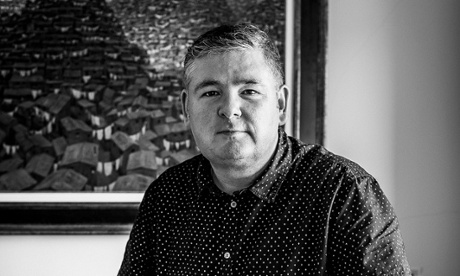
Name: Liz Kessler, @lizkesslerbooks
Occuption: author of the Emily Windsnap series, North of Nowhere and A Year Without Autumn
Specialist subject: LGBT representation in YA fiction, and here’s a snapshot about why
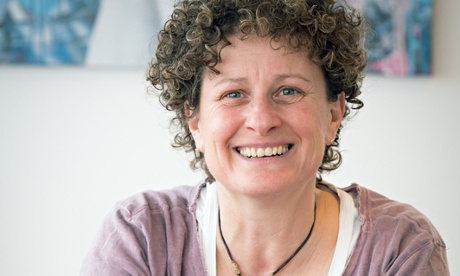
Name: Annabel Pitcher, @APitcherAuthor
Occupation: award-winning author of My Sister Lives On the Mantelpiece, Ketchup Clouds and Silence is Goldfish
Specialist subject: exploring mental health issues and their representation in YA fiction
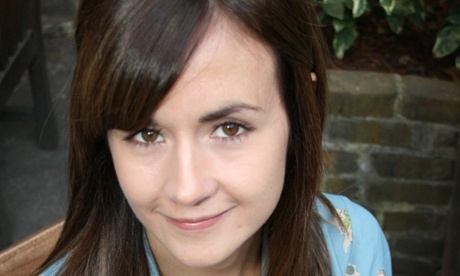
Name: Samantha Shannon, @say_shannon
Occupation: author of supernatural dystopian novel The Bone Season and its sequel, The Mime Order, which she spoke to site member Eleanorreads about here.
Specialist subject: the next generation of YA, which she will be discussing at Yalc with…
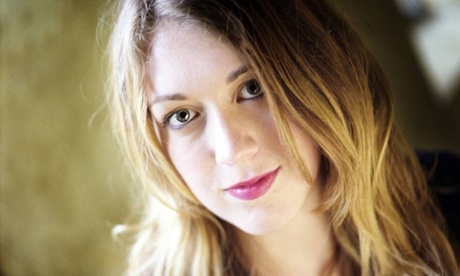
Name: Taran Matharu, @TaranMatharu1
Occupation: debut author of The Novice, book one in the Summoner series
Specialist subject: you’ve guessed it, the next generation of YA - and also the need for more diversity in YA fiction, as he wrote here.
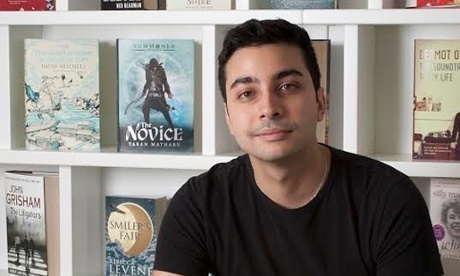
Name: Arabella Weir, @arabellaweir
Occupation: comedian, actress, writer and now author of The Rise and Rise of Tabitha Baird
Specialist subject: TV comedy stardom with a dash of feminism
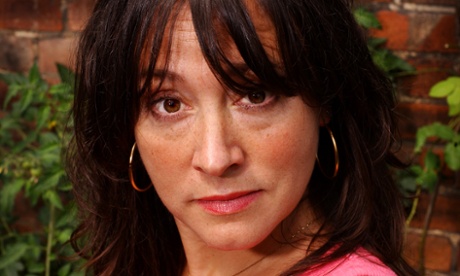
Name: James Dawson, @_jamesdawson
Occupation: the reigning Queen of Teen, whose most recent among innumerable books is thriller Under My Skin
Specialist subject: pretty much everything of an activist nature, including running a “no-holds-barred” discussion of sex and sexuality
But plenty more will undoubtedly be joining in so get a comfy seat and buckle in, it’s going to be a busy one!
We are, indisputably, in the era of YA.
It’s conquered Hollywood, is read voraciously by teens and adults alike, and sales are still rising; while children’s books overall were up 11% in 2014 (bucking the general trend in publishing), YA alone saw an incredible rise of 25%. This in spite of the fact that no one really knows precisely what it is!
But no matter; the success of YA fiction is celebrated at Yalc, the Young Adult Literature Convention set up last year as part of London’s ComicCon by Malorie Blackman, during her stint as Children’s Laureate. After all the highs of 2014, this year’s gathering looks to be even bigger and better, with events taking on everything from new directions in dystopia to the lines dividing fantasy and reality; from the darkest of dark themes to laugh-a-minute comedy… There’s even going to be a Yalc book club, hosted by YouTube sensation Carrie Hope Fletcher. Attended by all the biggest names on the YA scene, it’s absolutely the place to be for readers, bloggers and authors alike.
So this seems like a good moment to take stock of what many are calling a “golden age” and ask, what next for YA? Just why is it so popular, and if it is going to maintain this phenomenal level of popularity (and all the indications are that it will), where is it going to take us next? Fantasy and dystopia have obviously dominated thus far, along with smaller trends such as cli-fi, and over the years these genres in particular have taken a bit of a battering, caricatured as a collection of mindlessly formulaic serial franchises whose runaway success is symptomatic of the failure of “serious” adult literature.
But that is to be insensitive to the diversity and nuances that are inevitably to be found within such a broad label: books under that bracket have done much to improve the representation of LGBT characters, mental health issues, and topics such as drug use and teen pregnancy, to name just a few. YA fiction, as a whole, is uniquely proficient at traversing that infinitesimal line between the radical and the acceptable, combining responsibility for their relatively young readers with an impulse to push boundaries, challenge stereotypes, test limits. In the last year alone, standalone novels have taken on the dark side of the internet (Bali Rai’s Web of Darkness), student-teacher relationships (Me and Mr J by Rachel McIntyre) and rape (the forthcoming Asking For It, by Louise O’Neill). What’s the next taboo? Or are we past that now? Is anything up for grabs?
These questions and more are just some of the issues that Yalc authors and their readers will be discussing this evening, and you can be part of that debate. Just plunge straight in on Twitter using #GdnYALC or, if you’re not on Twitter, then you can still join in by emailing childrens.books@theguardian.com with your questions or thoughts (remember to keep them short as they will still need to be tweeted by us!). You can watch all the action live on Twitter and on this blog too, where there will also be loads of extra content going up throughout the evening.
So get your questions ready! Things’ll start getting really exciting at 7pm.