It was 2022 when Dong Yuyu was having lunch with a Japanese diplomat at a hotel in Beijing, a relatively ordinary meeting for a 63-year-old journalist whose responsibilities included foreign affairs.
Yet that was also the day that changed his life, as police officers suddenly swarmed the restaurant and took him in for questioning. He was arrested and charged with spying offences, before eventually being sentenced to seven years in prison.
Dong’s case has been met with international concern, and is being seen as an example of China stepping up its control of an already compliant media landscape.
Dong’s family still retained hope in the system that their father had dutifully worked within for his entire career – until last month, when the Beijing High Court dismissed an appeal to overturn his prison sentence. His family say the case is a clear “act of persecution”.
The journalist’s son, Dong Yifu, tells The Independent that his father’s conviction sets a dangerous precedent as Chinese citizens could now come under scrutiny for simply maintaining international ties. Both Dong and Dong Yifu say that the journalist’s meetings with Japanese diplomats had nothing to do with espionage.
Dong Yifu is calling on the US, the UK and European governments to step up their engagement with Beijing, calling for sustained diplomatic pressure at the highest levels to secure his father’s release.
“Anybody just with the most basic sense would know that this whole thing is totally ridiculous,” Dong Yifu says. “The government here really owes everybody, including the Chinese people, an explanation.”
There is a lot that Dong has missed during his period of incarceration, including the news of his own father’s death and the escalation of diplomatic tensions between neighbours Japan and China.
Dong Yifu says the family decided to keep the news of Dong’s father’s death a secret from the journalist to prevent him from losing morale. “In his communications with the lawyers, he said he’s hoping that his parents will stay strong and that he will be able to see them again.”
“There are many other families who are torn apart by this type of persecution,” he adds.
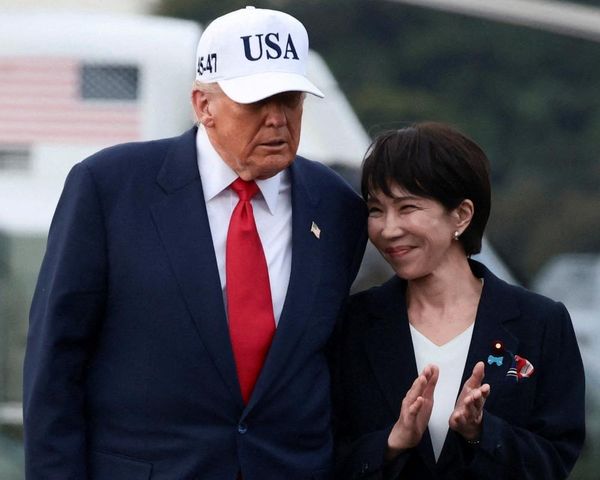
Dong’s bail rejection comes at a time when ties between neighbours China and Japan have plummeted to their lowest in decades over the Japanese prime minister’s remarks on Taiwan. Sanae Takaichi warned last month that Tokyo could respond to any Chinese military action against Taiwan that also threatened Japan’s security. China’s reaction to the comments has been swift and immediate, with both sides escalating tensions across diplomatic channels.
China claims democratically governed Taiwan and has ramped up military and political pressure against the island, whose government rejects Beijing’s territorial claims.
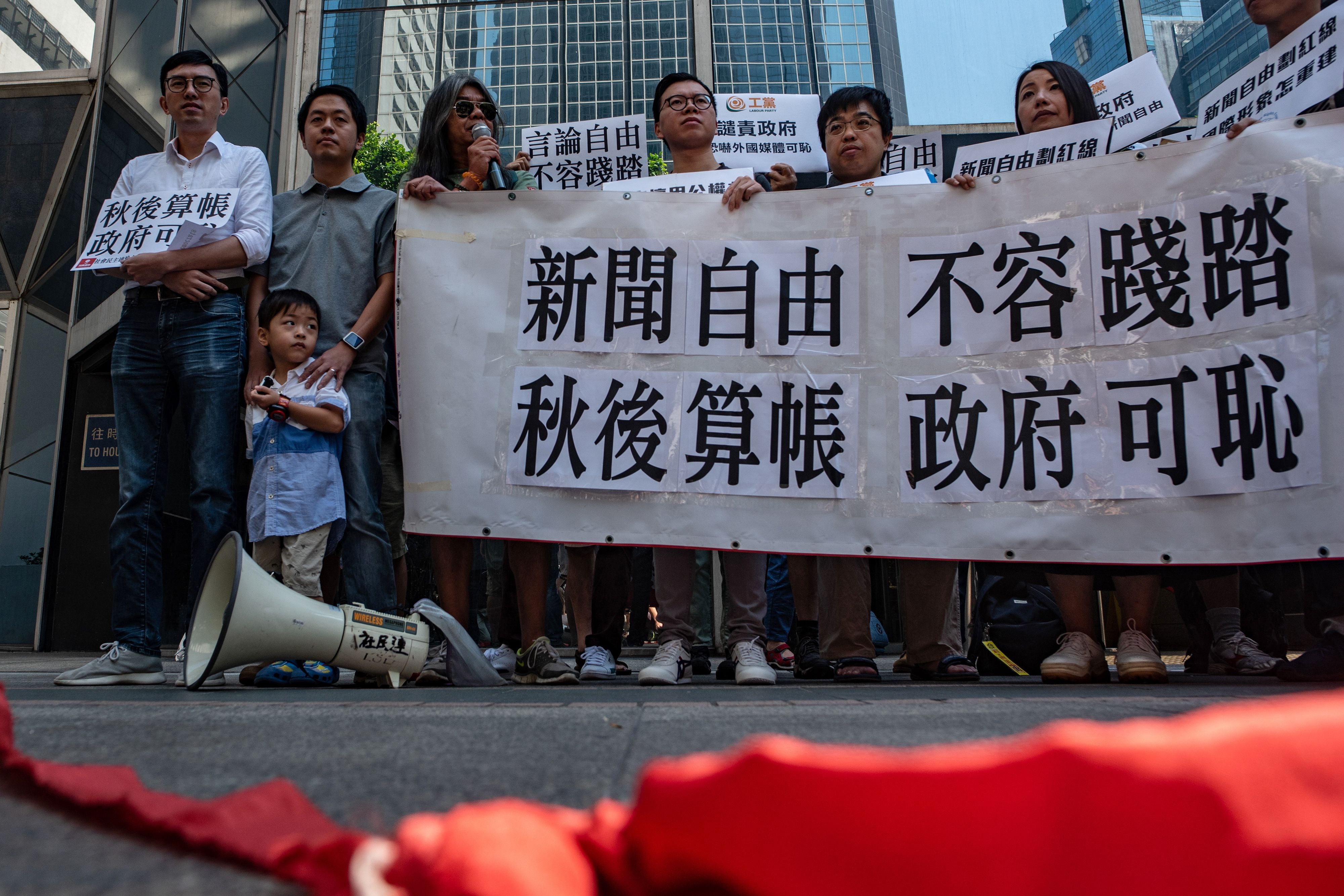
The Beijing High Court’s decision has drawn sharp criticism from rights and press freedom groups, who say it erodes what little remains of free expression in a country that has already jailed dozens of journalists under President Xi Jinping.
“Speaking with diplomats is routine work for journalists, not espionage,” says Beh Lih Yi, an Asia-Pacific director of the Committee to Protect Journalists (CPJ). “China must release Dong immediately, or it is sending a message to the world that its stated goal of open engagement is empty talk.”
Amnesty International, in its October report, found Chinese courts have been systematically weaponising vague national security and public order laws to silence human rights defenders.
Dong was the deputy head of the commentary department at the Guangming Daily, a newspaper once considered more liberal than other Communist Party outlets. Dong joined the paper in 1987, and over the past 35 years, he routinely published articles arguing for constitutional democracy, political reform and official accountability. Such views were once discussed openly in party outlets but are now out of favour – yet his family say he was no dissident or revolutionary. He also co-edited a book promoting the rule of law in China.
Despite China being the world’s biggest jailer of journalists, with at least 120 in prison, Dong’s arrest sent shockwaves across the country, as Beijing seldom targets employees of state-run media.
Dong Yifu says the space for independent expression, even within the one-party system, has steadily eroded over the past decade under Xi. “These are all very mild, very moderate calls for reform. Now even those mild and moderate voices are being silenced,” he says, referring to his father.
Xi has been accused by human rights activists of increasing the crackdown on dissent over the past 13 years.
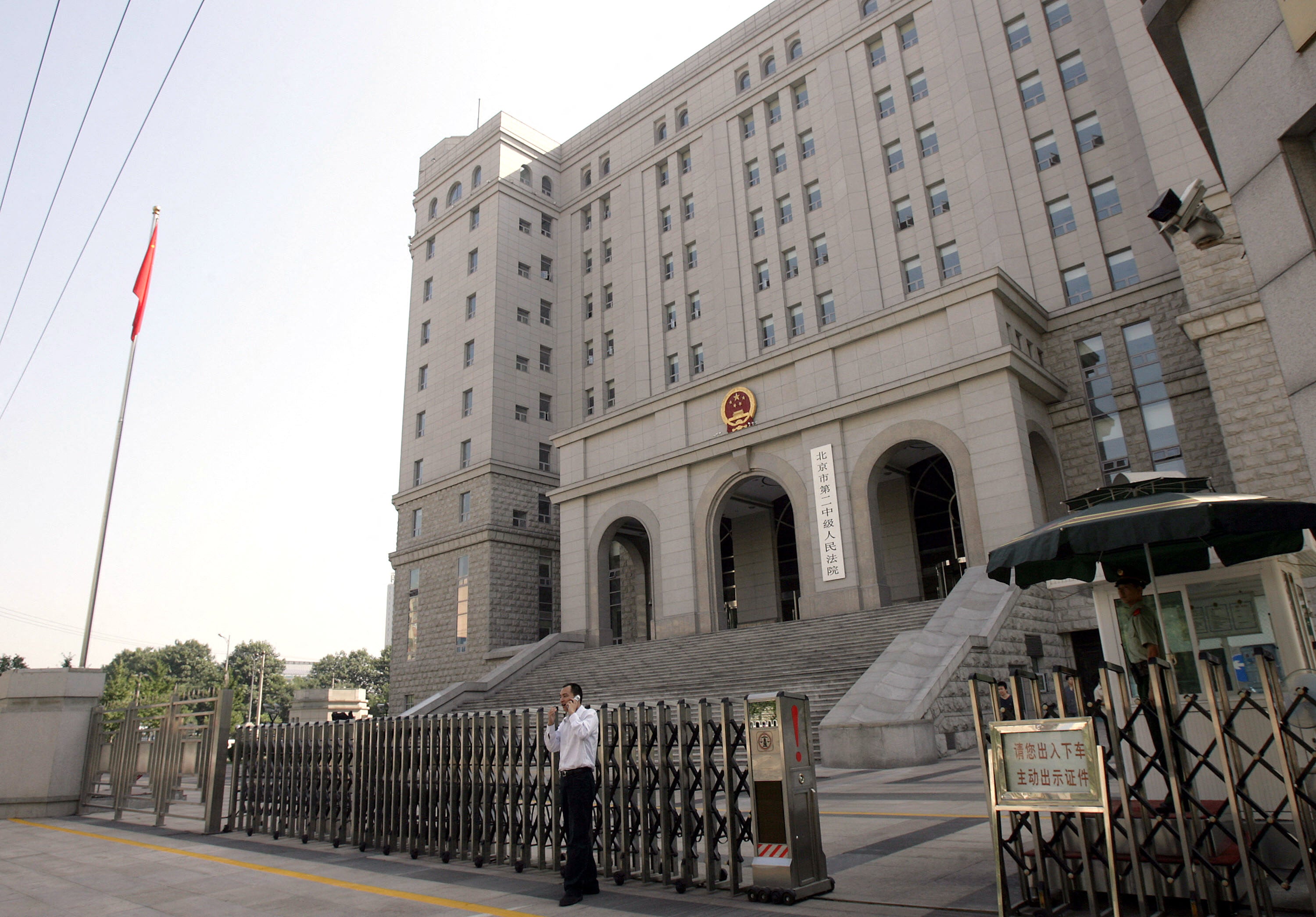
Dong's family has raised its concern over the journalist’s health in Beijing's state security detention centre, where he was kept for more than three years, before being moved to Beijing’s No 2 prison – a correctional facility that holds several international inmates.
“The facility where he spent the past three years has very little sunlight, very little natural light. So it’s taken a toll on his health. And the food, as we know, it’s not great, so nutrition is a big concern for us. And also he’s very old for a detainee,” his son says.
Dong Yifu says he has been unable to speak to his father since the day of the arrest, with the family now relying solely on monthly updates passed on through their lawyers.
Following his arrest in February 2022, Dong was held for half a year in a secret location before being formally charged with espionage. As in all cases China deems related to national security, Dong’s trial was held behind closed doors in July 2023 and journalists were barred by police from entering the court on the day of his sentencing. An American diplomat attempting to observe the proceedings was also denied entry.
“He was only two months away from his retirement at the time of his arrest,” the journalist’s son says.
Dong Yifu, a lawyer in the US, says he spoke to his parents on a video call just a day before he was informed that his father had been arrested. “Five security agents barged into our apartment and searched the whole house,” he says, adding that the ordeal has left his mother shaken.
Dong Yifu says the court rejected Dong’s appeal despite presenting ample evidence to prove his innocence. “We were able to get a letter from the current [Japanese] ambassador to China saying that their diplomats named in the judgment are not spies, and we were able to submit that as a piece of new evidence to the court. But the court rejected that, which is very concerning.”
Dong’s family said according to the court, the Japanese diplomats Dong met with, including then ambassador Hideo Tarumi and current consul general in Shanghai Masaru Okada, were named as agents of an “espionage organisation”. Yet at no point did the Chinese government act against or expel the Japanese diplomats it determined to be spies, Dong Yifu says.
The family argues that prosecutors failed to establish a motive or present any evidence that Dong received financial rewards for the alleged espionage. State security officials argued that his overseas academic fellowships, including a Nieman Fellowship at Harvard and several short-term programmes in Japan, constituted “benefits”.
“Such reasoning is beyond ridiculous and extremely threatening,” the family said in a statement. “Now, all Chinese scholars and intellectuals, hundreds of thousands over the past years, who have been on exchanges to foreign universities, can have their experience abroad used as evidence for espionage in a Chinese court.”
Ann Marie Lipinski, curator of the Nieman Foundation for Journalism at Harvard, called Dong “a talented reporter and author whose work has long been respected by colleagues”. “We stand with many in hoping for his release and return to his family,” she said at the time of his sentencing.
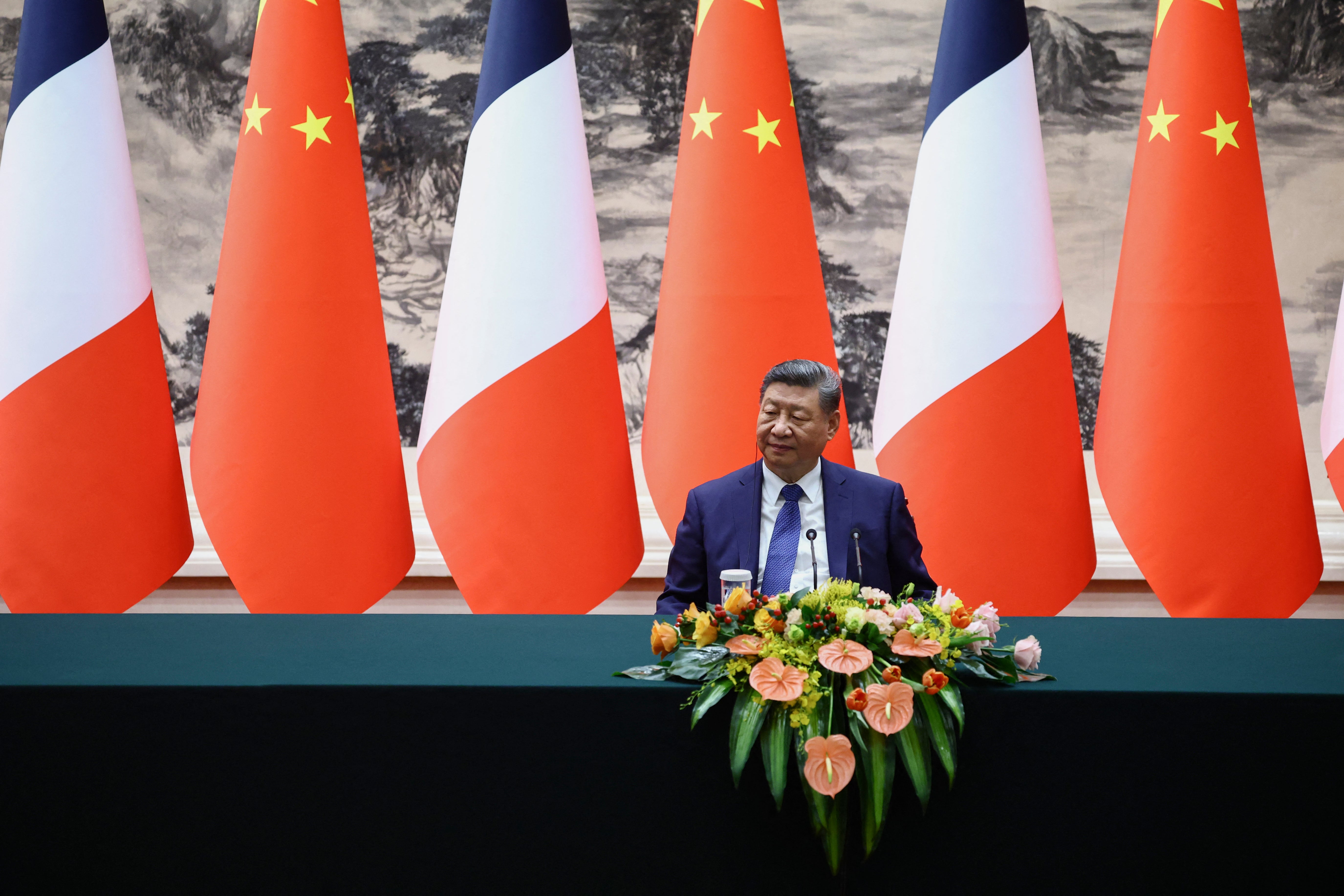
Dong regularly had in-person exchanges with diplomats from various embassies and journalists. He was a visiting scholar and visiting professor at Japan’s Keio and Hokkaido universities.
Beijing has in recent years stepped up its crackdown on Japanese nationals accused of espionage. This year, it handed down a sentence to a Japanese citizen detained in Shanghai in December 2021, and another employee of the pharmaceutical giant Astellas Pharma.
China’s anti-espionage agency said last month it had uncovered multiple infiltration and spying cases linked to Japanese intelligence in recent years, vowing to intensify counter-intelligence efforts. The state security department warned it “firmly opposes any despicable acts by foreign forces seeking to undermine regional peace and stability”.
A total of 17 Japanese people have been detained since 2014, when China introduced a new counter-espionage law, according to the Japanese media.
China’s Foreign Ministry spokesperson Lin Jian told reporters in November: “China’s judicial organs handle cases in strict accordance with the law, and those who break the law and commit crimes will be prosecuted according to law.”
The Independent has written to both the Chinese government and the Japanese foreign ministry for comment.
The United States has described Dong’s sentencing as “unjust”, and called publicly for his immediate, unconditional release. The family hope this also translates to meaningful actions behind the scenes.
“I think the State Department is aware of the case, and our family hopes that they will mention the case,” Dong Yifu says.
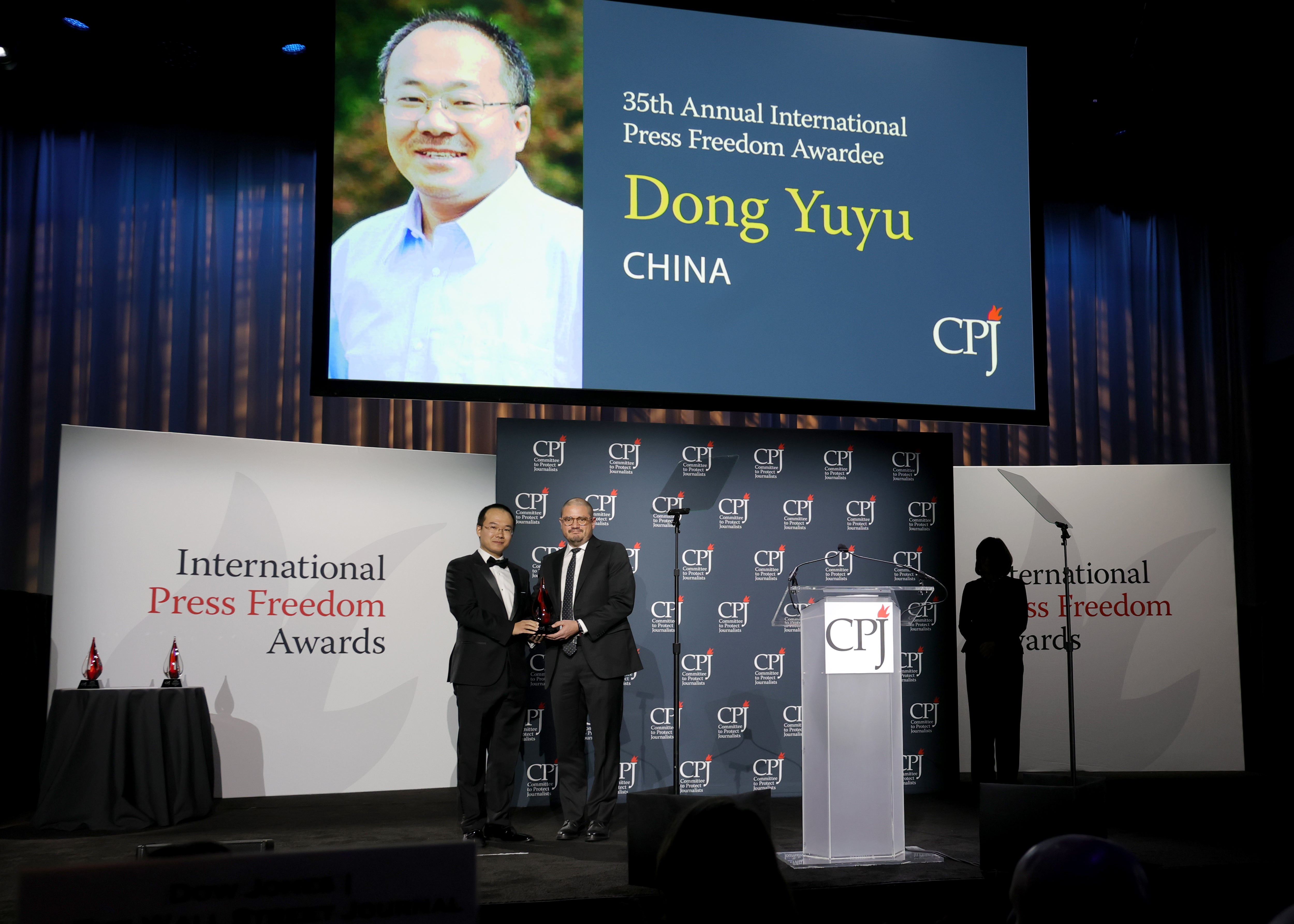
The CPJ last month honoured Dong with the annual International Press Freedom Award. “In the past decades, I used my pen to commentate on social issues in China. Now my imprisonment itself is a kind of commentary on the reality facing press freedom and the freedom of speech in China today,” Dong said in a statement issued through his lawyer.
“This award is a great encouragement for me, a much-needed boost for my courage and strength in this difficult situation.”
India overtakes Japan as world’s fourth-largest economy, government review says
Hong Kong to ring in new year without fireworks after deadly apartment blaze
Taiwan stays on high alert after China’s largest military drills encircle island
Trump ‘not worried’ even as China fires rockets towards Taiwan during war games
Beijing condemns ‘egregious’ destruction of monument to Chinese workers in Panama
Why China continues to hold military drills around Taiwan amid high tensions