
Xbox’s Q2 FY26 earnings reveal a problem Microsoft can’t pin on hardware, subscriptions, or macro trends this time. Revenue dipped, and the company pointed directly at its own first‑party lineup as the reason — a rare acknowledgment that the content pipeline meant to define the platform simply didn’t deliver enough momentum this quarter. It’s a moment that puts Xbox’s long‑term strategy under the microscope, especially as the industry leans harder than ever on exclusive hits to drive engagement.
I could tell the Xbox revenue was down as Satya closed on his opening gaming content statement with: “We saw record PC players in paid streaming.” That is such a stretch to find a highlight that I had to listen back to it a couple of times to make sure I heard it right.
- Gaming revenue decreased 9%
- Xbox hardware revenue dropped -32%
- Xbox content and services revenue down 5%
Now, some may think the changes to Game Pass are to blame, but when listening to the webcast, Microsoft CFO Amy Hood said that Microsoft expects Game Pass revenue to grow in Q3, not decrease. That would seem rather nuts if Game Pass were the cause of the current drops in revenue.
In the same breath, Amy Hood mentioned they expect Xbox hardware to drop again in Q3, which they hope will be offset by potential growth from Game Pass. Either way, the Xbox brand seems to be suffering overall, and the once-proud console is expected to drop further.
Amy Hood would go on to blame the downtrend of gaming revenue on first-party games. “[Gaming revenue was] Below expectations, driven by first-party content with impact across the platform.” Q2 was from October 1 to December 31, 2025. There were four games that were released during that time period: Ninja Gaiden 4, Keeper, Outer Worlds 2, and the ever-so-bloated Call of Duty: Black Ops 7.
Nobody expected games like Ninja Gaiden and Keeper to carry the majority of revenue during that quarter. If anything, the only game that Microsoft and Xbox expect to be a slam dunk is Call of Duty. With recent news that Black Ops 7 saw drastic sales decreases, it’s no surprise that revenue is down by so much.
Call of Duty, even with its release later in the year, generally manages to grab the top spot in gaming. This year, Black Ops 7 trailed behind four other titles: Monster Hunter Wilds, Borderlands 4, NBA 2K26, and Battlefield 6
What will it take to stop the slide?

Clearly, Xbox is headed in a direction that’s very different from what we’ve seen in years past. The complete and total abandonment of exclusives, for example, has taken away a large portion of the game population's reason to buy an Xbox console in the first place.
Then, thanks to ongoing tariffs and the ever-increasing price of years-old hardware, the console's cost is at a record high, far above its starting MSRP. Stacked against the competition, Microsoft has the priciest entry point: the Series S costs a staggering $399, while the PlayStation 5 Digital Edition is priced the same, with staggeringly higher performance.
On top of it all, Xbox decided it would be a terrific time to take the best deal in gaming and raise the price by a staggering 50%, given the ongoing technological climate. So, how in the world does Xbox, or Microsoft, plan to turn this ship around?
Looking at the current situation, I don’t see any way out of this current predicament. They’ve managed to alienate many Xbox fans without giving anything in return to those who’ve been part of the platform for so long. Sure, making games more accessible for everyone is a good thing, but that doesn’t give a reason to invest in a console that seems hell-bent on making sure there isn’t a reason to buy it.
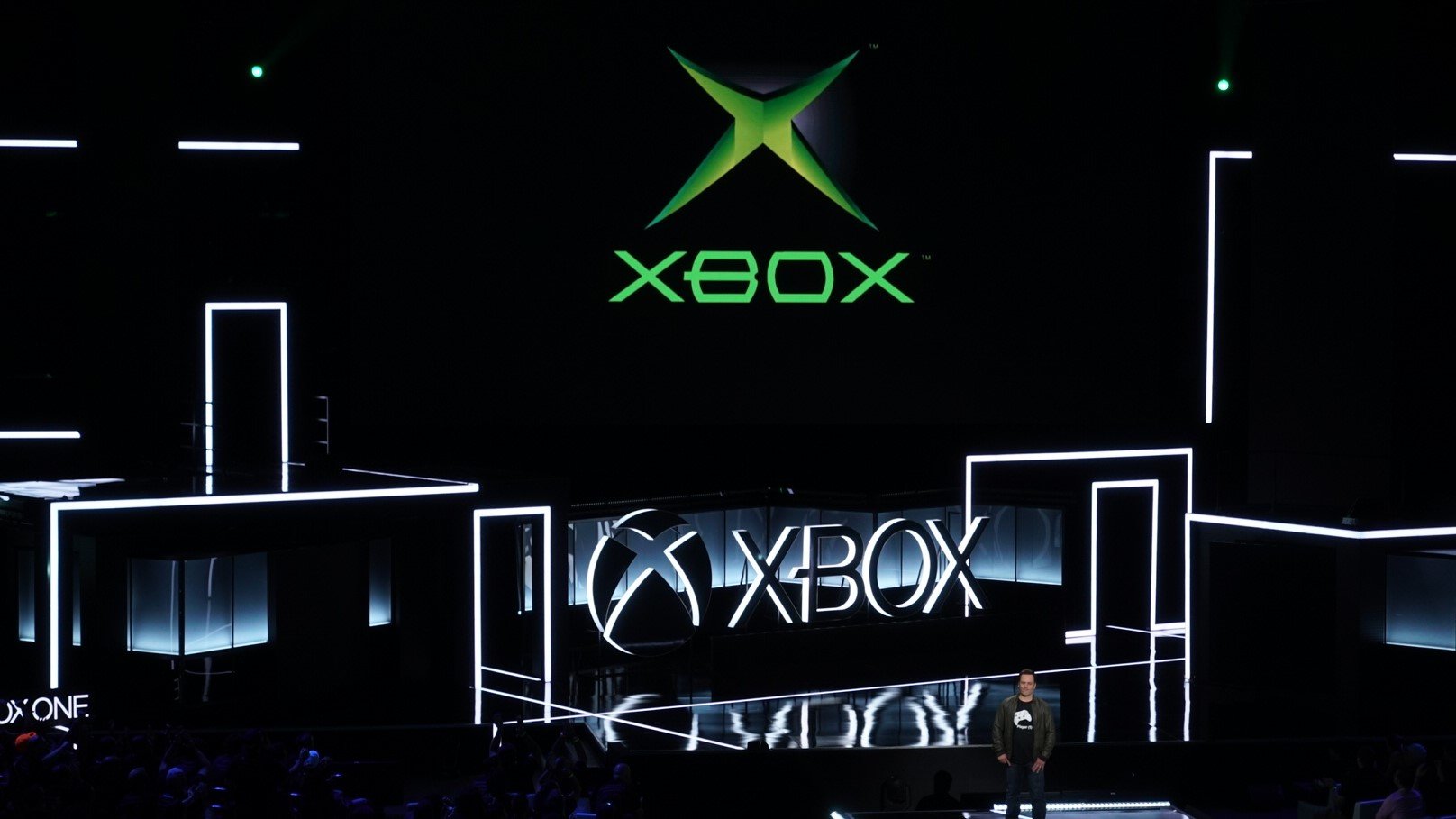
Maybe, with the ever-growing reliance on Xbox Play Anywhere, we’ll manage to see the next Xbox console that's rumored to feature a Windows-like environment alongside Steam integration take off. Then again, if it’s anything close in price to the rumored Steam machine or even a gaming PC with the current RAM prices, gamers can and already will be investing in those devices rather than anything Microsoft manages to push out.
As someone with nearly 500,000 gamerscore who’s moved over nearly entirely to a Windows PC (I guess they don’t care if it’s there or on Xbox), an Xbox with Steam integration would be pretty cool. However, will it actually manage to right the ship? Is there anything else rumored other than this new Xbox device we have to look forward to, besides the games they’re releasing on all devices to begin with?
Am I being overly negative? Sure, but as someone who’s watched the brand go from hero (Xbox 360) to zero (Xbox One) to hero (Game Pass) to whatever this is now, I can’t help but shake my head at the results these decisions by Microsoft have led to. It’s almost like we all told you so.
If anything, this quarter underscores how much Xbox’s future hinges on consistent, high‑impact first‑party releases. Game Pass, cloud, and PC growth can only carry so much weight when the flagship lineup slows down. With several major projects still in development and expectations rising, Microsoft’s studios now face the pressure of proving that the platform’s content strategy can rebound — and that this dip is a stumble, not a trend. We hope.

Xbox says first‑party content dragged down revenue this quarter — do you agree?
Drop your take below. Are players simply burned out, is the release cadence too slow, or is this just a temporary lull before the 2026 slate kicks in? Curious to hear how you’re feeling about Xbox’s first‑party momentum right now

Follow Windows Central on Google News to keep our latest news, insights, and features at the top of your feeds!