
Enjoy our content? Make sure to set Windows Central as a preferred source in Google Search, and find out why you should so that you can stay up-to-date on the latest news, reviews, features, and more.
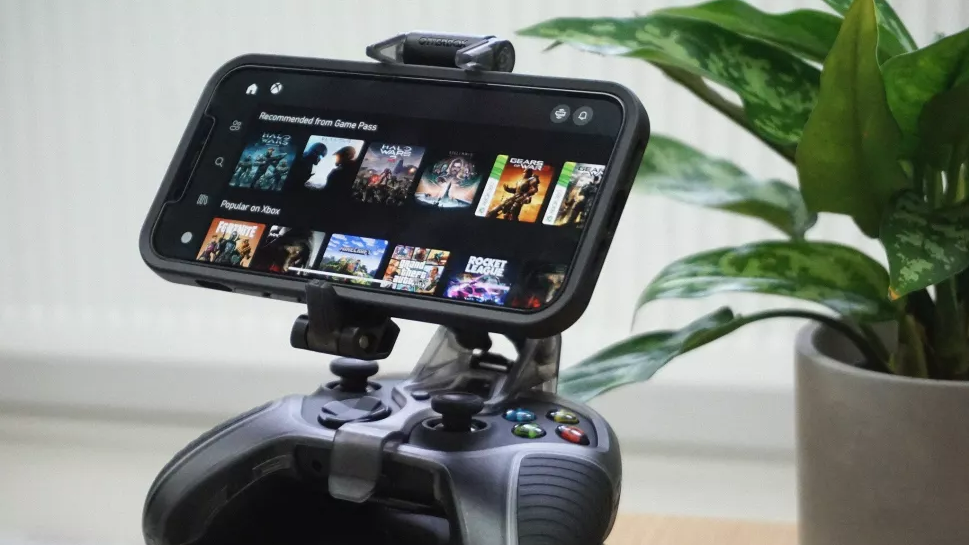
This past summer marked Xbox Cloud Gaming shedding its beta tag finally, hitting version "1.0." With that came a barrage of changes.
Xbox Game Pass Ultimate notoriously picked up a huge price increase around this time, leaping 50% — eliminating years of good will overnight. The price increase overshadowed the fairly major Xbox Cloud Gaming news, which saw access expand beyond Xbox Game Pass Ultimate. If you're a cloud-first user, this equated to a price decrease potentially, as cloud gaming was only available on Xbox Game Pass Ultimate previously. It sounds as though the swap over has led to a huge increase in usage, who'd have thought.
In a blog post, Microsoft waxed lyrical about Xbox Cloud Gaming, describing its ascent: "Players are streaming their games more than ever — cloud gaming hours from Game Pass subscribers has increased 45% compared to this time last year," Microsoft said. "And, console players are embracing flexibility, spending 45% more time cloud streaming on console and 24% more on other devices."
Microsoft recently expanded availability in Central and South American markets, while also opening up Xbox Cloud Gaming in India for the first time. India represents the world's 7th biggest market for gaming spend, and crucially, it's typically a mobile and PC-first market, where consoles have seen limited distribution and availability.
Xbox Cloud Gaming is now live in 29 markets across the globe, although Microsoft highlighted Argentina and Brazil as showing "double digital growth" in players and playtime alike. Microsoft expanded Xbox Cloud Gaming to LG TVs and Amazon Fire TV sticks in these regions recently, joining Samsung TVs on top.
Microsoft's spotlight on Xbox Cloud Gaming is telling, as competitors start to get more serious about its potential.
Why Xbox Cloud? Let's read between the lines a bit.
With DRAM costs skyrocketing, cloud gaming has the potential to improve access to games on existing hardware solutions. Xbox Series X|S consoles have ballooned in price over time. It's all thanks to the artificial intelligence bubble "boom" vacuuming up all types of components and silicon. Backed by nation states under the guise of "national security," companies like OpenAI, Microsoft, and Google are vacuuming up DRAM orders from the very limited range of manufacturers to power their meme-creating mistake-machines and dementia-inducing chatbots.
But wait, Xbox Cloud Gaming uses DRAM too, right? Yes, but during periods of low use, i.e. at night, Microsoft allocates Xbox Cloud Gaming compute to AI and other Azure workloads, solving two "problems" with one server stack. Those server-hooked Xbox consoles don't simply sit idle when they're not being used for actual gaming, potentially offering a variety of ways to pump revenue back into Xbox beyond gaming itself. Microsoft arguably contributed to the DRAM price problem, but is also selling back the solution via "cheaper" access to Xbox Cloud Gaming. "Smart" ... right?
For better or worse, tying Xbox and gaming to Microsoft's current shareholder fads has helped Xbox navigate c-suite scepticism, with CEO Satya Nadella previously notoriously exploring killing Xbox entirely in years past. With Xbox now tied up to cloud and providing value beyond gaming itself, the business segment has become biggest than Windows itself for Microsoft in some quarters.
For gaming, the 45% "growth" year-over-year in playtime hours doesn't mean much without a frame of reference. Microsoft has stated in previous years that Xbox Cloud Gaming enjoys "tens of millions" of hours of playtime use per month — so you'd have to presume adding India, boosted capacity, and cheaper access via Xbox Game Pass Essentials has led to significant growth either way. Xbox Game Pass Ultimate also now offers boosted resolution and frame rates in some games on top, making it potentially a better experience on older devices like the Xbox One than actually playing games natively. Microsoft is also expected to ship a free Xbox Cloud Gaming tier supported by ads in 2026, joining NVIDIA GeForce Now and other smaller cloud providers.
Microsoft has over 2000 games you can buy to stream outside of the Xbox Game Pass library on top, but PlayStation caught up rapidly adding almost 3000 "bring your own games" to PlayStation's own cloud gaming service. NVIDIA GeForce Now also remains the performance-target to beat — but Xbox's latest upgrades are rapidly closing the gap.
Black Friday 2025 | Quick Links
- All our TOP recommended Black Friday deals: Just the best
- mini PC deals: up to 47% off tiny PCs
- GPU deals: early price drops on NVIDIA RTX before they go up
- Microsoft Surface deals: save up to $500 on premium PCs
- Xbox accessories: best deals on gadgets for your Xbox Series X|S and PC
- Gaming laptop deals: the best laptops for the best price
- Xbox controllers: our top picks for best controller deals
-
ANC headphones: great Black Friday deals on the best ANC headphones
Even more Black Friday deals: - Samsung monitors: the best Samsung display deals we've found
- Walmart: 7 top laptop deals you shouldn't miss
- Retro gaming: handhelds, arcade machines, old school consoles, and more
- Gamer merch: Blizzard’s Warcraft, Overwatch, and Diablo IV collectibles
- Game keys: 10 PC game codes are even cheaper at Loaded (formerly CDKeys)
- Accessories: Even more PC accessories starting at $17

Follow Windows Central on Google News to keep our latest news, insights, and features at the top of your feeds!