Home
For You
The Morning Edition
Saved Articles
0
Reading History
Publishers
My Topics
My Account
My Membership
Recommend inkl
About inkl
FAQs
Logout
Sources
Pricing
Download
Sign In
Sign Up
Lead Stories
Good News
Our Picks
Business
Analysis
World
Politics
Climate
Entertainment
Sport
Technology
Science
Get all your news in one place.
100’s of premium titles.
One app.
Start reading
Get all your news in one place.
100’s of premium titles. One news app.
Start reading
The Guardian - UK
Entertainment
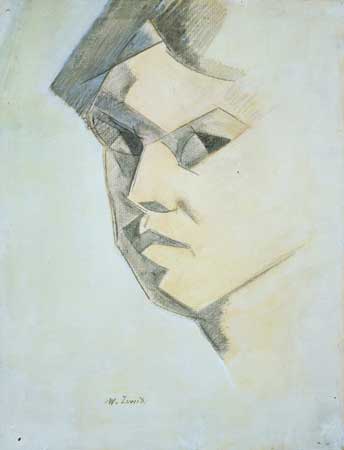
Wyndham Lewis: 'Toxic scrutiny'
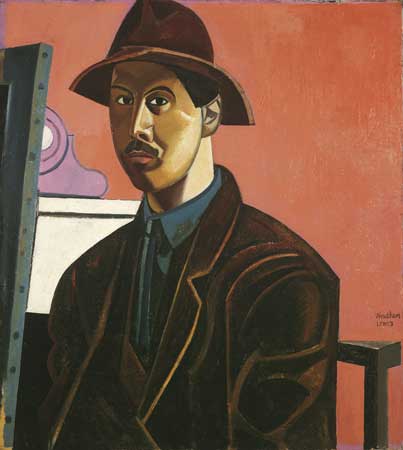
Self-Portrait (1911). Lewis studied in Paris for four years and was influenced early in his career by cubism, particularly the possibilities it offered for stark simplification
Photograph: © The Estate of Mrs G A Wyndham Lewis; The Wyndham Lewis Memorial Trust
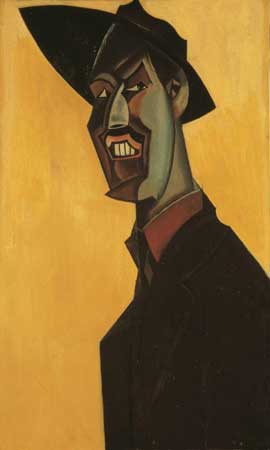
Mr Wyndham Lewis as a Tyro (1921). 'Tyros' were satirical, caricatured figures intended by Lewis to comment on the culture of the 'new epoch' that followed the First World War
Photograph: © The Estate of Mrs G A Wyndham Lewis; The Wyndham Lewis Memorial Trust
Portrait of the Artist as the Painter Raphael (1921). This work shows how Lewis laid claim to a tradition stretching back to Renaissance Italy, but also drew associations with the famous engraving of Shakespeare, whose 'serene and empty countenance' he admired
Photograph: © The Estate of Mrs G A Wyndham Lewis; The Wyndham Lewis Memorial Trust
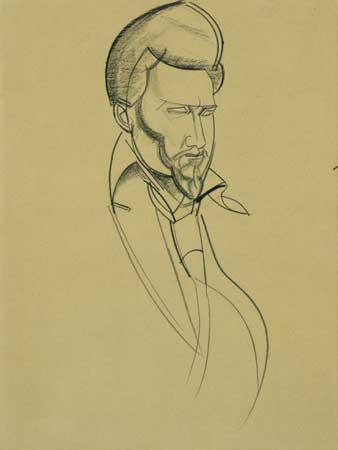
Ezra Pound (1920). Like Pound's, Lewis's artistic reputation has been damaged by his right-wing associations and beliefs. The two men were friends and Pound managed Lewis's literary affairs while he served in the First World War
Photograph: © The Estate of Mrs G A Wyndham Lewis; The Wyndham Lewis Memorial Trust
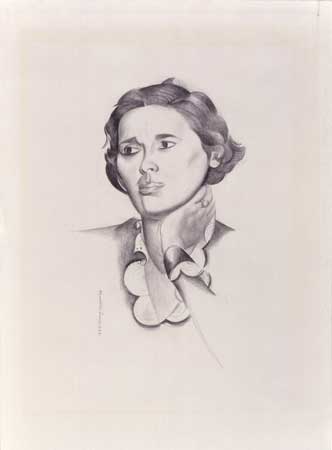
Dame Rebecca West (1932). West and Lewis shared mutual respect. He published one of her short stories in his magazine, Blast, and in 1918 she reviewed very favourably his first novel, Tarr, comparing some of his characterisation to that of Dostoyevsky
Photograph: © The Estate of Mrs G A Wyndham Lewis; The Wyndham Lewis Memorial Trust
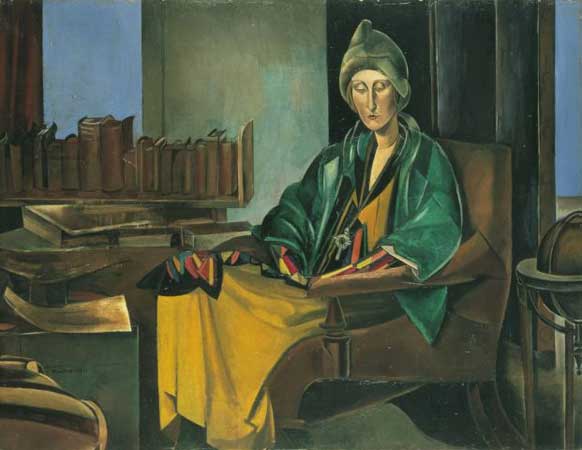
Edith Sitwell (1923-35). Sitwell claimed she had to visit Lewis six days a week for ten months while he painted her portrait for the second time between 1921 and 1923. Following Lewis's debt-evading flit from his studio in Kensington, this piece remained unfinished until 1935
Photograph: © The Estate of Mrs G A Wyndham Lewis; The Wyndham Lewis Memorial Trust
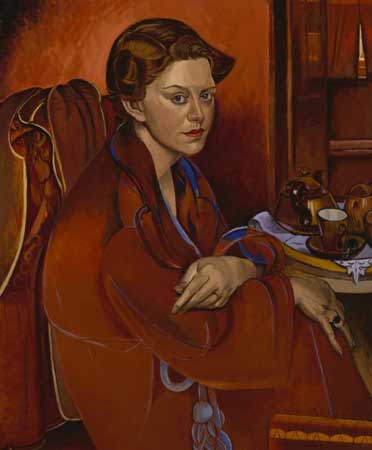
Froanna (Portrait of the Artist’s Wife), (1937). Froanna was a nickname for Gladys Hoskins, who married Lewis in 1930. They met at a party while she was working in an aeroplane factory.
Photograph: © The Estate of Mrs G A Wyndham Lewis; The Wyndham Lewis Memorial Trust
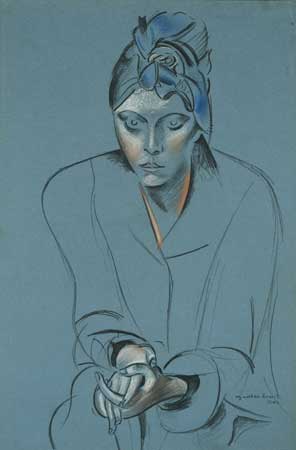
Portrait of the Artist’s Wife, Froanna (1944). This intense, atmospheric portrait was drawn in pencil and chalks on blue paper bought from a drugstore during the Lewises' time in America
Photograph: © The Estate of Mrs G A Wyndham Lewis; The Wyndham Lewis Memorial Trust
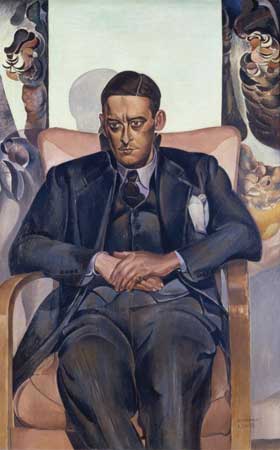
TS Eliot (1938). This is the first of two portraits of the poet undertaken by Lewis (the second was produced in 1949). When presented at the Royal Academy in London, the painting was rejected because its background was considered distasteful
Photograph: © The Estate of Mrs G A Wyndham Lewis; The Wyndham Lewis Memorial Trust
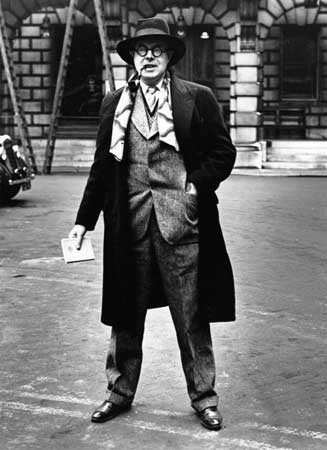
Photograph of Wyndham Lewis taken outside the Royal Academy in London after the rejection of the TS Eliot portrait in 1938. Augustus John resigned from the committee in protest, prompting a press furore
Photograph: Fox photos/Hulton Archive
Sign up to read this article
Read news from 100’s of titles, curated specifically for you.
Email is required
Email is invalid
Email is already registered.
Please
sign in
instead.
Start reading
Already a member?
Sign in here
Top stories on inkl right now
Judge gives US 2 weeks to retrieve student deported to Honduras while traveling for Thanksgiving
A federal judge says the U.S. government has to bring a Babson College freshman back after officials deported her to Honduras
The Independent UK
‘Please don’t shoot me’: Missing Wisconsin woman found dead in woods after desperate call to family
The body of 24-year-old Gabriella Cartagena was found in a wooded area of Menominee County, Michigan
The Independent UK
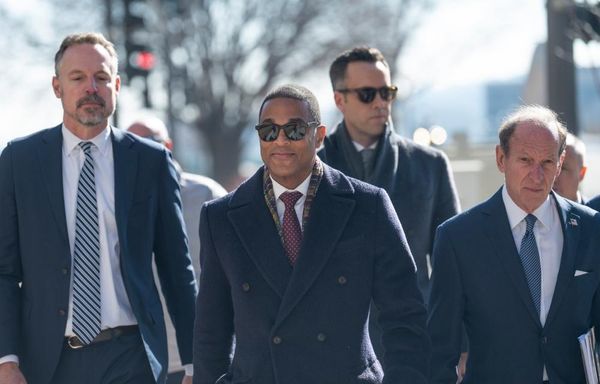
Don Lemon pleads not guilty to civil rights charges after Minnesota anti-ICE protest
Former CNN anchor said he was working as a journalist when he was arrested at protest during church service
The Guardian - US
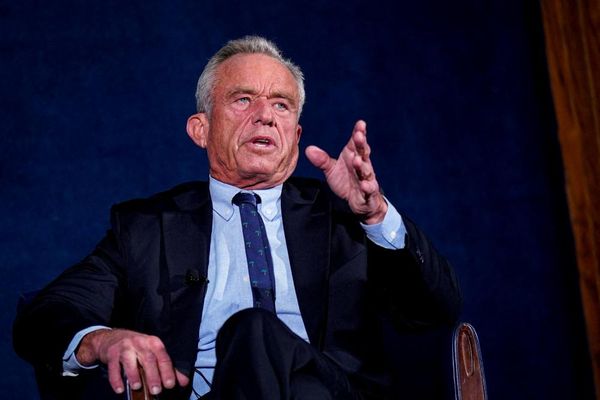
Healthcare group urges RFK Jr to resign after remarks on cocaine and toilet seats
President of Protect Our Care issues one-word statement to US health and human services secretary: ‘Resign’
The Guardian - US
One subscription that gives you access to news from hundreds of sites
Email is required
Email is invalid
Email is already registered.
Please
sign in
instead.
Start reading
Already a member?
Sign in here
Four men in unredacted files named by Ro Khanna have no ties to Epstein
Men appeared in photo lineup assembled in New York and had no apparent connection to late sex offender
The Guardian - US
ICE to spend $38bn turning warehouses into detention centers, documents show
US homeland security eyeing 24 buildings, some as ‘primary locations’ for deportations, in escalation of Trump agenda
The Guardian - US
Related Stories
Top stories on inkl right now
Judge gives US 2 weeks to retrieve student deported to Honduras while traveling for Thanksgiving
A federal judge says the U.S. government has to bring a Babson College freshman back after officials deported her to Honduras
The Independent UK
‘Please don’t shoot me’: Missing Wisconsin woman found dead in woods after desperate call to family
The body of 24-year-old Gabriella Cartagena was found in a wooded area of Menominee County, Michigan
The Independent UK
Don Lemon pleads not guilty to civil rights charges after Minnesota anti-ICE protest
Former CNN anchor said he was working as a journalist when he was arrested at protest during church service
The Guardian - US
Healthcare group urges RFK Jr to resign after remarks on cocaine and toilet seats
President of Protect Our Care issues one-word statement to US health and human services secretary: ‘Resign’
The Guardian - US
One subscription that gives you access to news from hundreds of sites
Email is required
Email is invalid
Email is already registered.
Please
sign in
instead.
Start reading
Already a member?
Sign in here
Four men in unredacted files named by Ro Khanna have no ties to Epstein
Men appeared in photo lineup assembled in New York and had no apparent connection to late sex offender
The Guardian - US
ICE to spend $38bn turning warehouses into detention centers, documents show
US homeland security eyeing 24 buildings, some as ‘primary locations’ for deportations, in escalation of Trump agenda
The Guardian - US
Our Picks
“He Would Call CPS”: In-Laws Threaten CPS After Declaring New Parents’ Home Unacceptable
These in-laws threatened to call CPS on new parents and later used the good ol' excuse, "It was just a joke." But the parents didn't take lightly to the threats, taking immediate action to make sure the grandparents would have no rights to their daughter and even considered going no…
Bored Panda
Sony Animation bosses defend decision to release KPop Demon Hunters on Netflix: "It needed time, which you do not get theatrically"
The film is now nominated for two Academy Awards
Total Film
What happened to influencer Clavicular at Arizona State University fashion show that led to framemogging trend
“Clavicular Framemogging” is a viral internet slang phrase that began after influencer Clavicular appeared at an Arizona State University fashion show. A video showing him beside a larger fraternity member led users to joke that he was “framemogged.” The strange sounding phrase quickly turned into memes, proving how fast online…
The Times of India
Boofing: why taking illicit drugs rectally is so risky
The route a drug takes into the body can matter as much as the drug itself – and rectal use brings risks that are rarely talked about openly.
The Conversation
Whose Penny? Kaley Cuoco's fiancé Tom Pelphrey was clueless about The Big Bang Theory
Kaley Cuoco's fiancé Tom Pelphrey had never watched her hit sitcom The Big Bang Theory when he first met her, and he still hasn't tuned in to the nerd culture celebrating comedy series.
BANG Premier
I Collected 250 Anonymous Confessions About Love — Here’s What I Learned
What 1,500 strangers revealed about love behind closed doors.
Marie Claire
Fourteen days free
Download the app
One app. One membership.
100+ trusted global sources.
By continuing to use this site, you agree to our use of cookies. View our
Privacy Policy
.
Accept