Get all your news in one place.
100’s of premium titles.
One app.
Start reading
The Guardian - UK
The Guardian - UK
Environment

WWF's Draw the Line Virunga campaign - in pictures

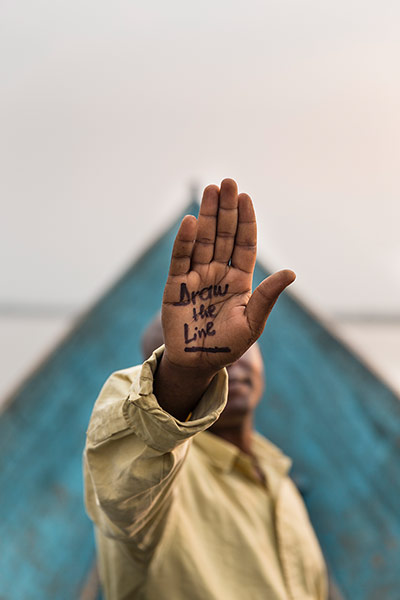
WWF Virunga Campaign: A villager who objects to any oil prospecting and drilling
A villager shows his support for the WWF Draw the Line campaign, which has received more than 500,000 signatures worldwide. WWF says oil exploration would pose a 'new and unacceptable level of risk' to Virunga’s environment and communities Photograph: Brent Stirton/Reportage by Getty Images/WWF-Canon
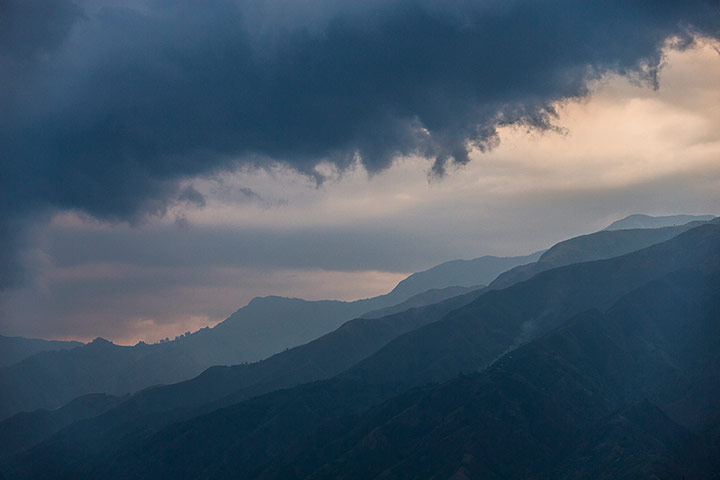
WWF Virunga Campaign: Scenes from the fishing village of Kavanyongi
A view from the fishing village of Kavanyongi on the northern shores of Lake Edward, in Virunga national park. The park is the size of a small country, straddling the equator in the Democratic Republic of the Congo
Photograph: Brent Stirton/Reportage by Getty Images/WWF-Canon
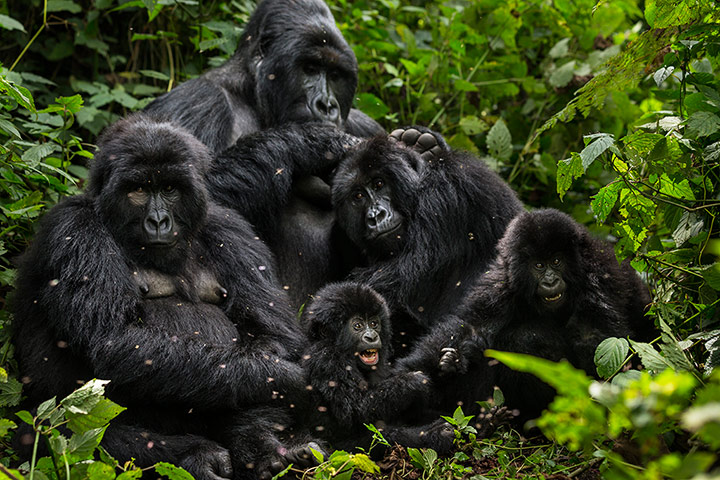
WWF Virunga Campaign: Bageni family in the gorilla sector
The Bageni gorilla family. Virunga is home to one-quarter of the world’s critically endangered mountain gorillas, which have been a source of tourism revenue in peaceful times
Photograph: Brent Stirton/Reportage by Getty Images/WWF-Canon
WWF Virunga Campaign: Jungle setting for Mikeno Lodge, an upscale lodge
Jungle surrounding Mikeno Lodge, an upscale lodge located in the park. Virunga's rainforests, volcanoes and rare and beautiful wildlife are attracting increasing numbers of tourists
Photograph: Brent Stirton/Reportage by Getty Images/WWF-Canon
WWF Virunga Campaign: Recovering hippo populations close to the ICCN Ranger station at Lulimibi
The park boasts a wide range of wildlife including African icons like lions, elephants, hippos, chimps and the okapi
Photograph: Brent Stirton/Reportage by Getty Images/WWF-Canon
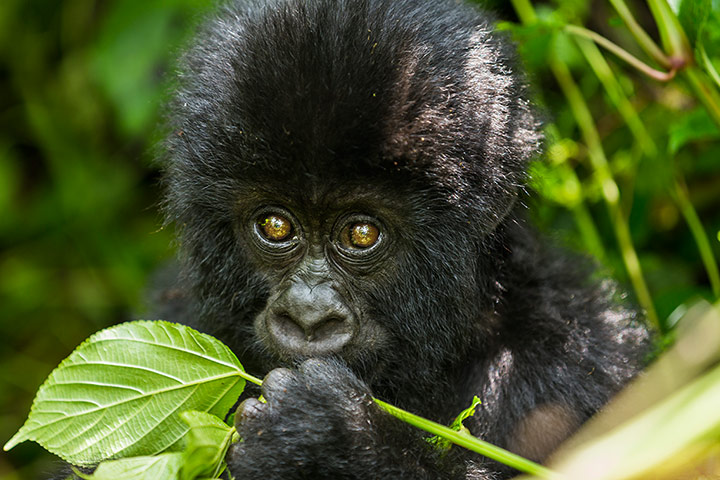
WWF Virunga Campaign: Bageni family in the gorilla sector
A member of the Bageni gorilla family. Soco’s plans to explore for oil are not only threat to Virunga - civil unrest and wars have put pressure on local people, wildlife and resources for many years
Photograph: Brent Stirton/Reportage by Getty Images/WWF-Canon
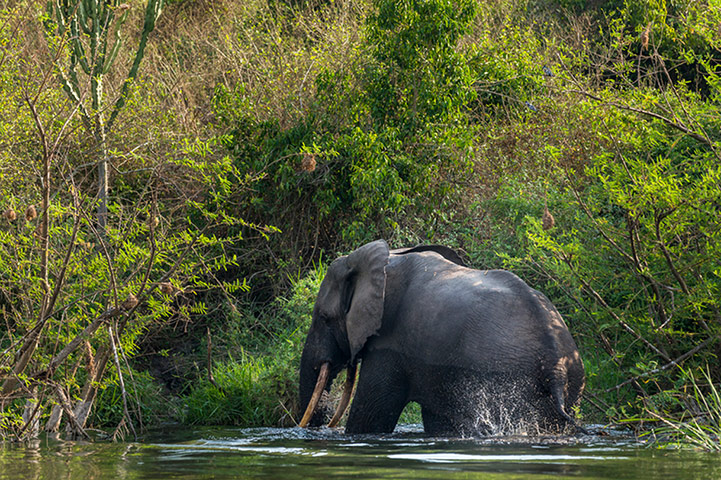
WWF Virunga Campaign: A bull elephant bathing and drinking water in Ishango
A bull elephant bathing and drinking water in Ishango on the northern shores of Lake Edward
Photograph: Brent Stirton/Reportage by Getty Images/WWF-Canon
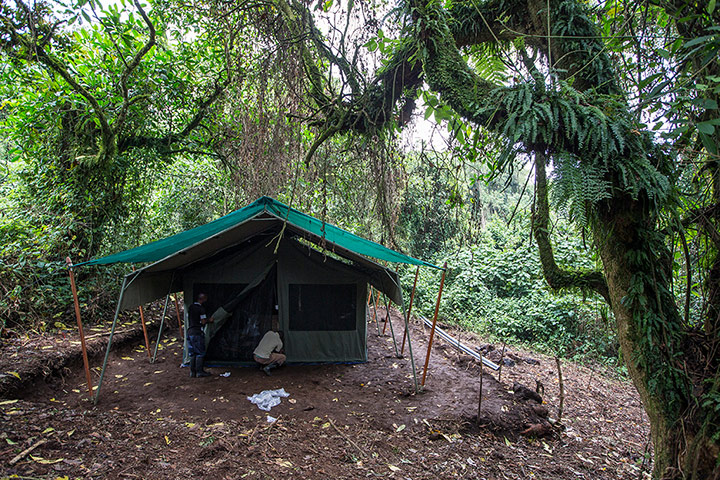
WWF Virunga Campaign: A new camp is being constructed for visitors
A new camp is being constructed for visitors to the gorilla sector of the park
Photograph: Brent Stirton/Reportage by Getty Images/WWF-Canon
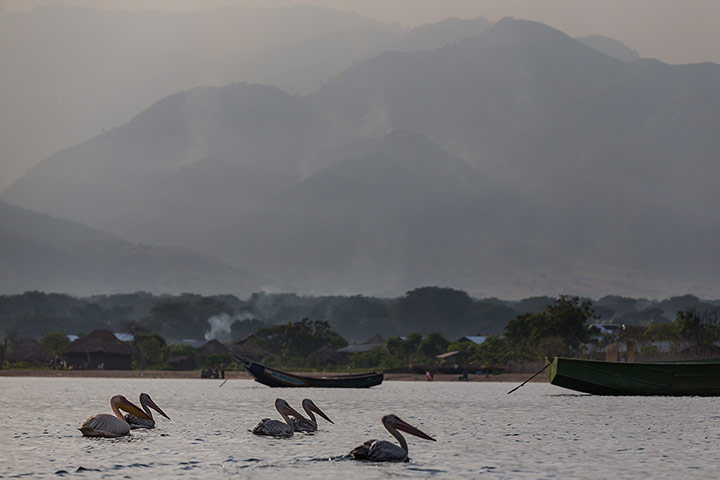
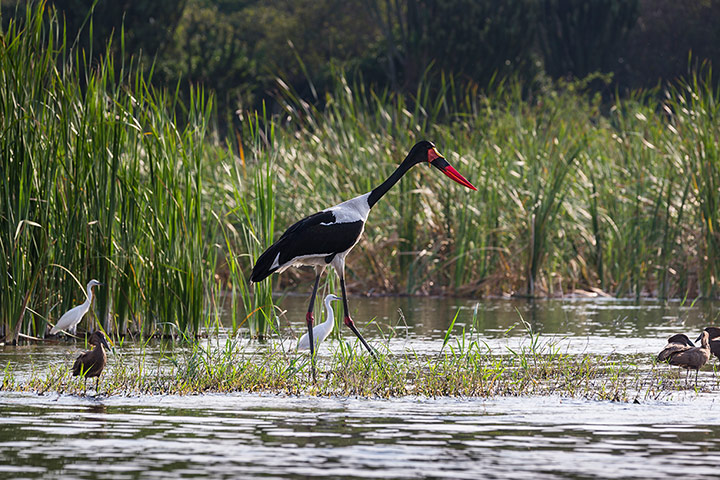
WWF Virunga Campaign: Birdlife close to the fishing village of Kavanyongi
Virunga is home to huge numbers of unique birds
Photograph: Brent Stirton/Reportage by Getty Images/WWF-Canon
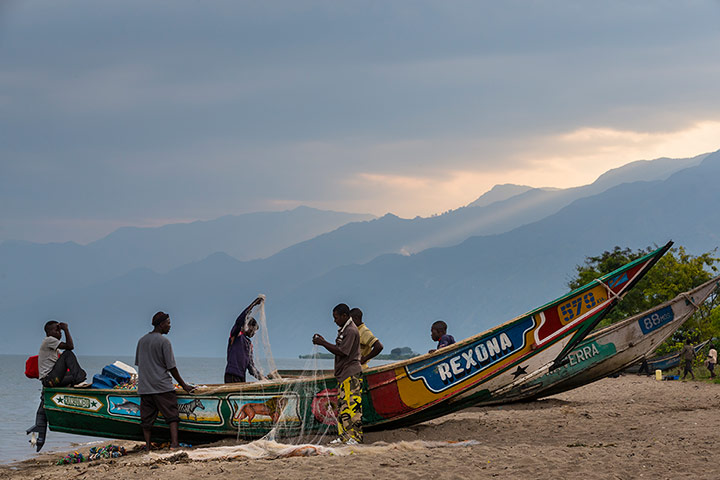
WWF Virunga Campaign: Scenes from the fishing village of Kavanyongi
Lake Edward, in Virunga’s internationally important wetlands, is crucial for local livelihoods and food
Photograph: Brent Stirton/Reportage by Getty Images/WWF-Canon
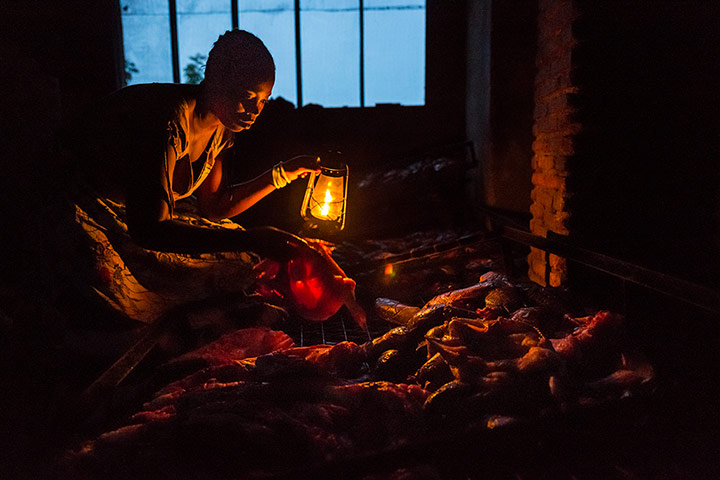
WWF Virunga Campaign: Villagers tending to their nets in the fishing village of Kavanyongi
Villagers tend to their nets in the fishing village of Kavanyongi. According to WWF, oil operations could lead to the loss of fishing jobs or revenue to an industry that employs 27,000 people in the developing country
Photograph: Brent Stirton/Reportage by Getty Images/WWF-Canon
WWF Virunga Campaign: A villager looking at fish in Vitshumbi fishing village
A villager looking at fish in Vitshumbi fishing village on the southern shores of Lake Edward
Photograph: Brent Stirton/Reportage by Getty Images/WWF-Canon
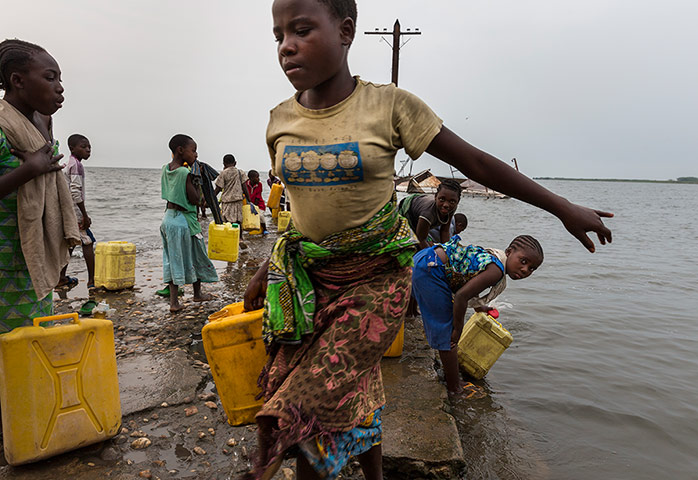
WWF Virunga Campaign: Fisherman working in Vitshumbi fishing village
Fisherman working in Vitshumbi fishing village on the southern shores of Lake Edward. More than 50,000 people depend on Virunga’s natural resources for their food, fuel and fresh drinking water
Photograph: Brent Stirton/Reportage by Getty Images/WWF-Canon
WWF Virunga Campaign: Villagers collecting water in Vitshumbi fishing village
Villagers collecting water in Vitshumbi fishing village on the southern shores of Lake Edward. From road-building, pipeline-laying, and of course the potential oil spills and pollution of land and water, WWF says the oil development could have serious negative impacts on wildlife, habitats and people
Photograph: Brent Stirton/Reportage by Getty Images/WWF-Canon
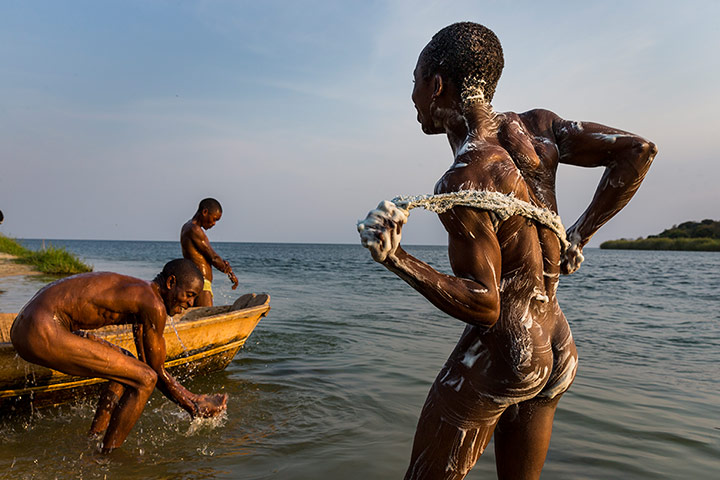
WWF Virunga Campaign: Men bathing in the Semliki River as it flows into Lake Edward
Men bathing in the Semliki River as it flows into Lake Edward, Ishango. There are 30 possible impacts on Virunga’s people, plants, animals, air and water, conservationists say. Environmental risks to Africa’s most biodiverse park include habitat loss, invasive species, poaching and pollution
Photograph: Brent Stirton/Reportage by Getty Images/WWF-Canon
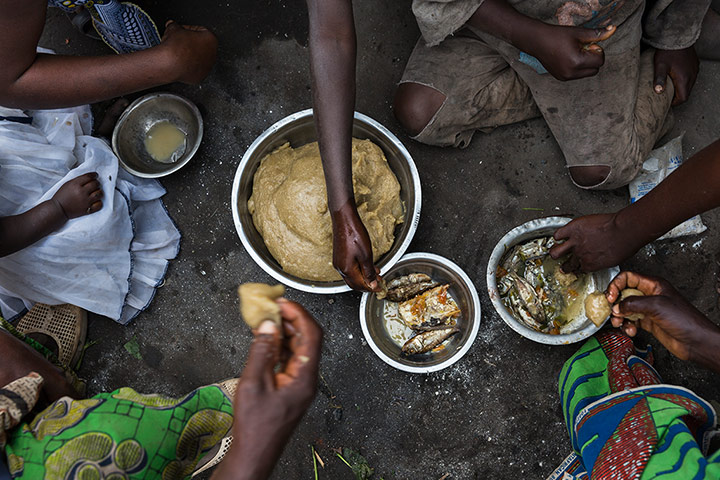
WWF Virunga Campaign: Local village family eating a meal of Fou Fou Kasava and fish
Local village family eating a meal of 'Fou Fou' (cassava and fish) in the west Lake Edward village of Lunyesenge
Photograph: Brent Stirton/Reportage by Getty Images/WWF-Canon
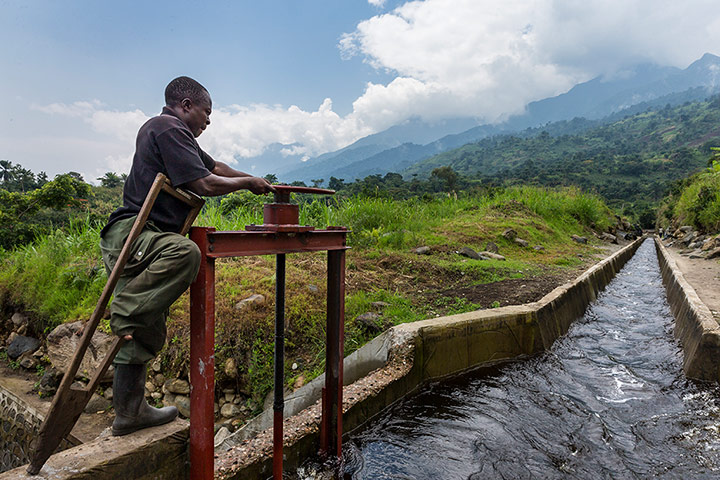
WWF Virunga Campaign: Newly installed Congolese Conservation Authority hydro-electric plant
Newly installed Congolese Conservation Authority hydroelectric plant in its finishing stages at Mutsora. WWF says there are much safer, more sustainable, financially viable development alternatives – including potentially lucrative eco-tourism and hydropower
Photograph: Brent Stirton/Reportage by Getty Images/WWF-Canon
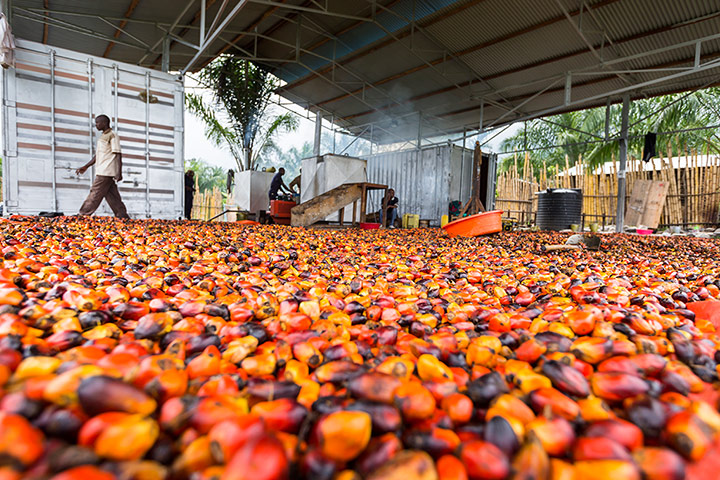
WWF Virunga Campaign: New soap factory that uses palm oil
A new soap factory that uses palm oil made possible by newly installed electricity lines in the Congolese town of Mutsora
Photograph: Brent Stirton/Reportage by Getty Images/WWF-Canon
Sign up to read this article
Read news from 100’s of titles, curated specifically for you.
Already a member? Sign in here
Related Stories
Top stories on inkl right now
One subscription that gives you access to news from hundreds of sites
Already a member? Sign in here
Our Picks
Fourteen days free
Download the app
One app. One membership.
100+ trusted global sources.