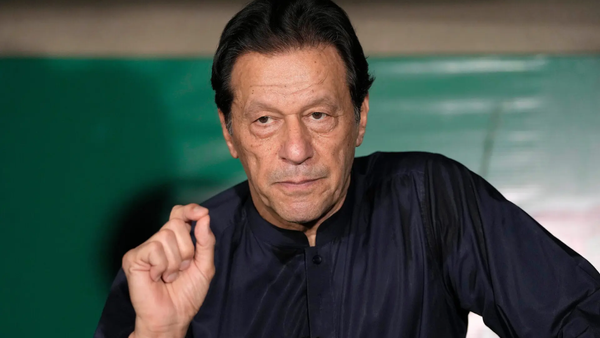
We are delighted that Kjell Magne Bondevik, the former Norwegian prime minister, came to parliament this week to address an audience of MPs and Lords alongside people who have experienced mental illness, writes Jonathan Naess.
Mr Bondevik spoke candidly about his depression, its causes and how it had changed him for the better both as a human being and as a politician. Who better than a prime minister to point out that people with mental illness can and do recover, and carry on doing challenging work - Mr Bondevik went on to be re-elected for a second term! And that work is key to what keeps us healthy.
It happened one Sunday in August 1998. I was not able to get out of my bed. I did not have any energy left in me. I stand here today because I became more aware and had a strong experience that day. I hit the wall. That did something to me - as a human being and as a politician. The three weeks that followed were the worst in my life. But I am not sure still whether I would like to be without those three weeks.
We may think of Norway as one of more enlightened Scandinavian neighbours, but in fact it wasn't easy. His foreign minister went up to his cottage in the Norwegian mountains to find Bondevik in his bed and ready to resign. Bondevik feared that otherwise he would have to go "missing" from official engagements until he recovered, but feared that speculation would be unbearable. The minister advised him not to make any big decisions if he was unwell, and ultimately he agreed thinking it might make a contribution to understanding mental illness if he simply told the truth.
What about the UK? Technically archaic common law that derives from the reign of Elizabeth I is still the authority and could prevent someone like Bondevik from standing for parliament. The case law provides that "Idiots" (those born without reason and therefore "incapable by law of gaining reason") and "lunatics" who are "capable of periods of lucidity" cannot stand. Who knows how many people have been discouraged from standing as an MP for fear of being "outed" during or after an election?
We think it is an outrage that a right so fundamental to stand in an electoral democracy is currently denied to at least one in four of us and that there isn't more of a fuss about it. What is perhaps more extraordinary is that just last year section 141 of the Mental Health Act - whereby MPs can be automatically removed from the house after six months in clear breach of the Human Rights Act - was considered and then retained by parliament.
What is the mischief that the section attempts to deal with? If an MP's constituents must not be left without representation for more than six months, how is it that for centuries parliament has managed without any equivalent provision for physical incapacity to protect constituents from a member suffering from a stroke or actually in a coma? The fair approach would be to welcome the person back once well and make reasonable adjustments, if any are required.
Notwithstanding the symbolic value of MPs in parliament, this is just one of a series of discriminating provisions, based on a knee-jerk reaction to mental illness, because it is assumed that we are unfit to manage our own affairs or those of others. Company directors - both public and private; partnership deeds; magistrates, jurors; and insolvency practitioners are all subject to restrictions which do not apply to people with physical disabilities, conditions or impairments. If they did, wouldn't it be extraordinary if we had provisions akin to a fixed penalty so a director with a physical impairment could be kicked out without the right to come back when they recovered?
Stand to Reason intends to campaign vigorously to repeal, and/or amend, these laws. If more MPs felt able to disclose their experience of mental illness too, without fear of the electorate or that their careers in politics would hit the buffers there is a fair chance that mental health would move up the political agenda. Bondevik made it a priority when he returned to power.
Would you choose not to vote for your preferred candidate if they revealed they had had an experience of mental illness?
· Jonathan Naess is founder of anti-stigma charity Stand to Reason