Morgan McSweeney is not the first person to have had their phone snatched on a London street, but the fact he was at the time Keir Starmer’s chief of staff, and that his phone most likely contained messages to and from Peter Mandelson, has prompted questions. So what do we know about the circumstances surrounding the theft of McSweeney’s phone?
What is the official story?
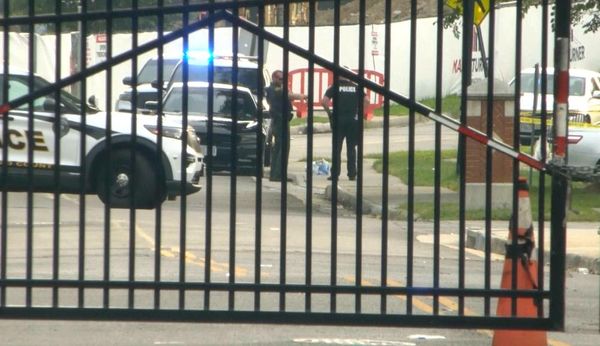
According to McSweeney, in an account backed up by the transcript of his call to the Metropolitan police at the time, he was using his government-issued phone on a street in Pimlico, central London, just before 10.30pm on 20 October last year when a young man on a bike snatched the iPhone and pedalled off.
McSweeney also had a personal phone with him, which he used to dial 999. He told the Met police handler that he had called his “office” to get the phone tracked before phoning them. McSweeney said it was a “government phone”, but did not set out his job or where he worked, and the call handler did not appear to recognise his name.
What evidence is there?
It is known McSweeney called the police, and Downing Street says security teams there were also told that night. An initial investigation found no CCTV footage, but that was in part because McSweeney initially gave the wrong street location – Belgrave Street rather than Belgrave Road – meaning the Met believed he had been robbed in Stepney, east London. The investigation is now being revisited.
Why has the stolen phone become an issue?
Two words: Peter Mandelson. McSweeney is seen as having been key to No 10’s decision at the end of 2024 to appoint the controversial former Labour minister as the UK’s ambassador to Washington DC, a move that backfired nine months later after the extent of Mandelson’s links to the convicted sex offender Jeffrey Epstein became apparent.
The controversy has reflected very badly on the government. McSweeney is – or at least was – close to Mandelson, and his phone would be likely to contain messages between the pair, potentially ones that could show up Starmer’s No 10 in a poor light.
And it is not as if the convenient loss of a phone never happens. The phone belonging to Rebekah Vardy’s agent fell off a boat, destroying messages potentially crucial in her libel trial against fellow spouse-of-a-footballer Coleen Rooney. And, closer to No 10, thousands of WhatsApp messages belonging to Boris Johnson and potentially relevant to the Covid inquiry vanished after he changed his phone and forgot a password.
When did this all take place?
As No 10 pointed out on Wednesday, the phone vanished in October, about four and a half months before a Conservative motion in the Commons that compelled ministers to release all Mandelson-relevant material.
It happened more than a month after Mandelson was sacked, and thus McSweeney might have had a sense that any messages between him and the disgraced ex-ambassador could become relevant. But at the same time, losing a phone should not mean messages can never be found – not least as they might be on the other person’s device.
Have any messages been lost?
We don’t know as yet, and Downing Street is refusing to say before the official release of more Mandelson documents in the coming weeks. Under the rules, officials are obliged to put a record into government systems of any WhatsApp or similar discussions relevant to their work, although what counts as this is left to their “professional judgment”. This is also the case if the messages were received and sent on a personal phone. We know McSweeney uses one, not least as he used it to call the police when his government one was swiped.
'Not a good look'
After opposition MPs accused Labour of a cover-up, Wes Streeting said the missing phone was “not a good look” for the party. He insisted it was more the result of a “cock-up” than a conspiracy.
Grassy knoll aficionados remain to be convinced, but it is probably fair to say the evidence generally points towards cock-up. Even Kemi Badenoch’s spokesperson would say nothing more on Wednesday than that the Tory leader had “raised an eyebrow” at events.
Perhaps the most convincing element is the transcript of McSweeney’s call. Immediately after a shock, it feels very understandable that someone would get a street name slightly wrong, or not necessarily choose to spell out exactly how important their job was. McSweeney is renowned as a political strategist, even a plotter. But he is not known as a thespian.