Hawaii was inundated with more than half a metre (2ft) of water in 24 hours, as thunderstorms deluged the island last week. This was caused by a plume of low-level moisture spreading northwards, which bumped into a strong upper-level trough. This trough enabled warm surface air to rise beyond the average height of the trade wind inversion, generating instability and intense thunderstorms. In Kauai, heavy rains triggered landslides that isolated communities, with more than 500 people airlifted to safety.

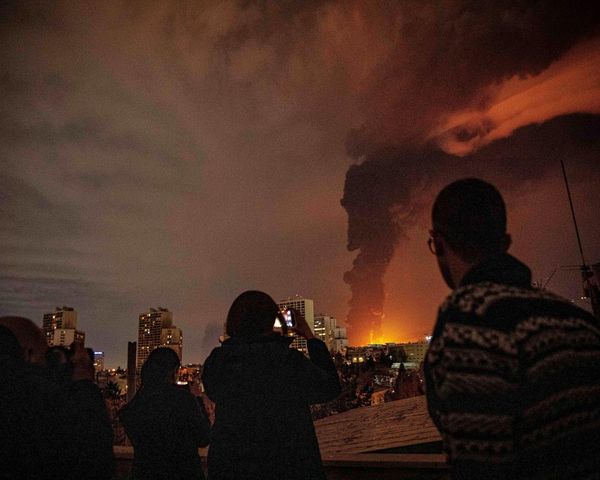
Fanned by dry, warm and windy conditions last week, Oklahoma saw two large wildfires. Oklahoma is no stranger to such conditions, but the state is facing a severe drought, and the fires burned through dry grass, destroying several buildings and causing two deaths. Last weekend, a storm system delivered up to 2.5cm (1in) of rainfall across much of the southern plains, helping to contain the fires.
Central and northern India have been reeling as temperatures have reached 40C in recent days. High pressure over the Arabian Sea strengthened, intensifying heat inland, with night-time temperatures staying above 27C. Thunderstorms brought some relief as contrasting humidity in advance of the monsoon collided with cold Himalayan air.
•A panel of Weatherwatch contributors will be taking part in Freak Weather in History, at the British Library on Wednesday 2 May, at 7pm
•This article was amended on Thursday 26 April to correct the byline.