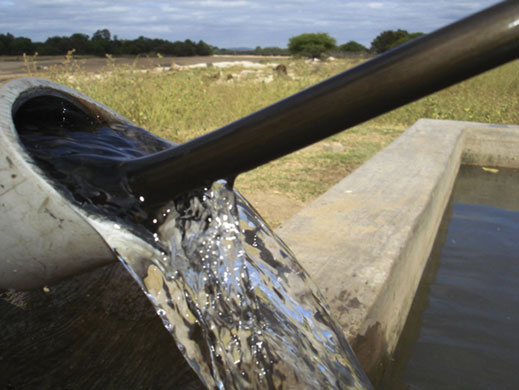
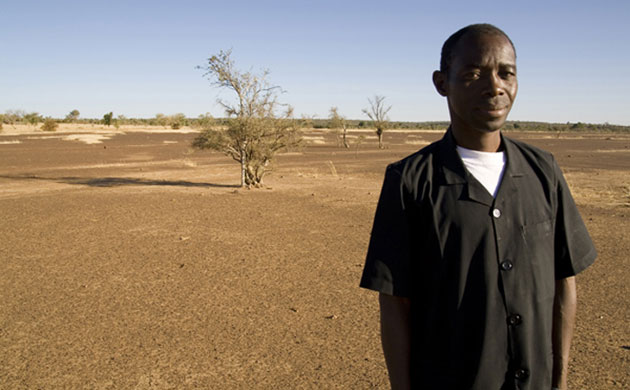
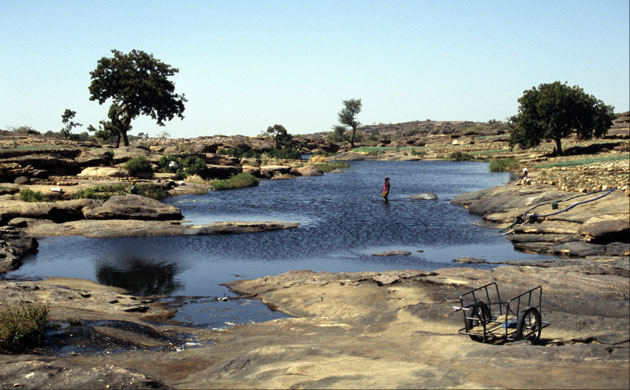
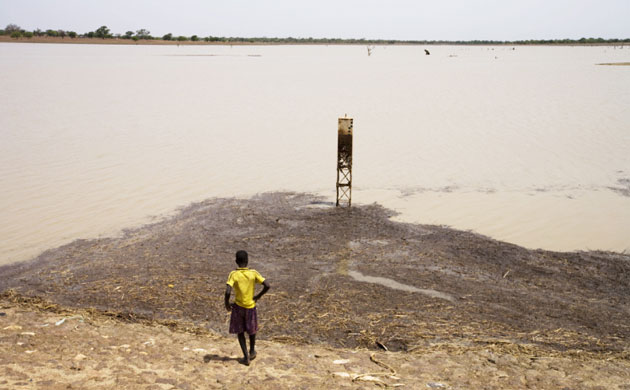
Pumping it up: This pump, beside the Shashane River in Zimbabwe, brings water into a drinking trough for cattle. Using 'sand abstraction technology', riverside communities build pumps that bring up water from beneath seemingly dry sand riverbeds with the help of the Dabane Trust, so they have water all year round. The annual dry season usually lasts from April to NovemberPhotograph: Sian Curry/Christian AidNo rain, no gain, no forest: Armand Kassogue, director of Christian Aid partner in Mali APH (Action pour la Promotion Humaine), standing with by a desert area. Armand grew up 1km from this place and recalls how during the rainy season: ‘No one would dare to come here - it was a dense forest.' A decline in rainfall has partly caused the forest and a large pond from which animals would drink to disappearPhotograph: Sarah Filbey/Christian AidDam brings life and hope: The dam at Kaman, Mali, has helped the village. Rice is grown in the river, and vegetables are cultivated on the banks. They now want a school in the village. 'We realise that we have all this because someone was educated and had the idea of a dam. Now we want our children to be educated too,' said Bize Timbelay Photograph: Mary Grant/Christian Aid
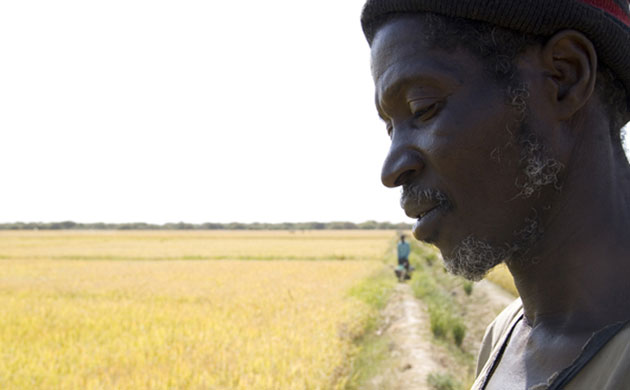
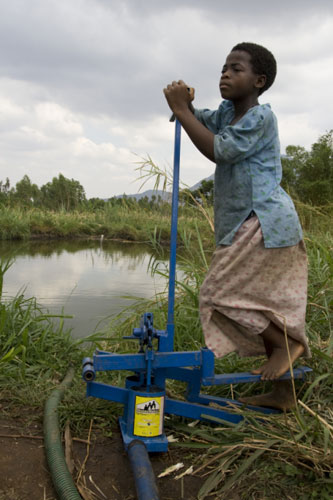
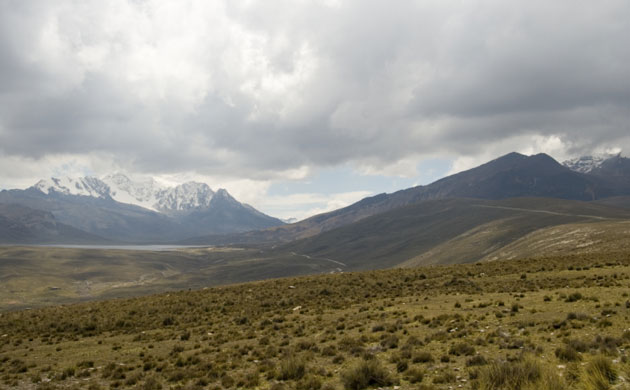
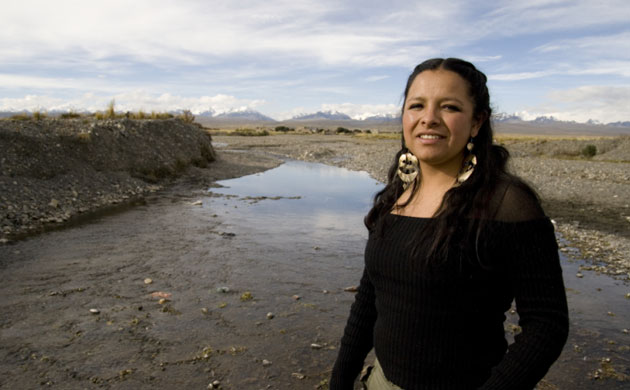
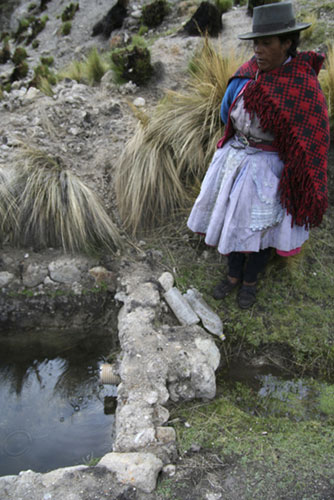
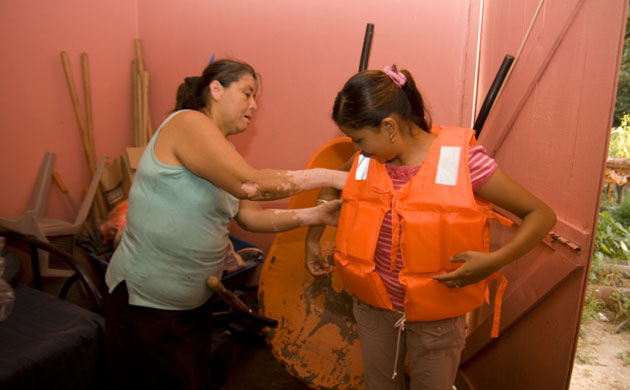
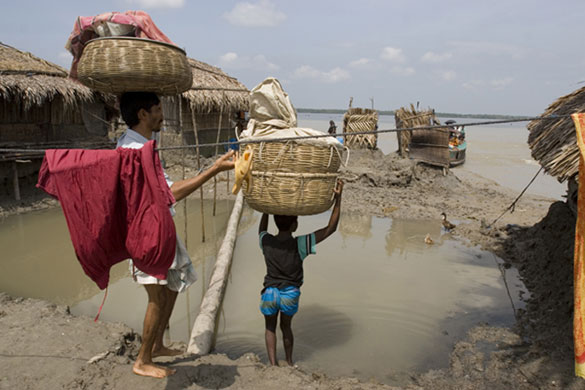
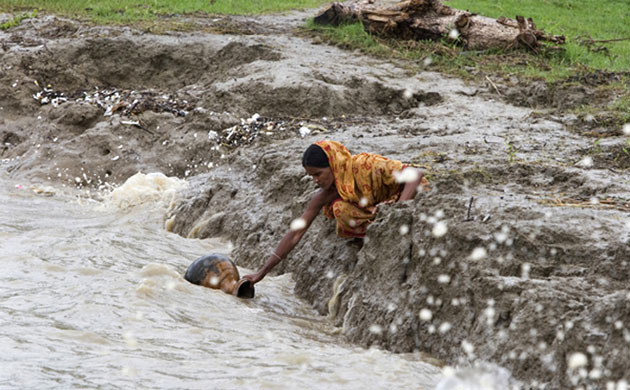
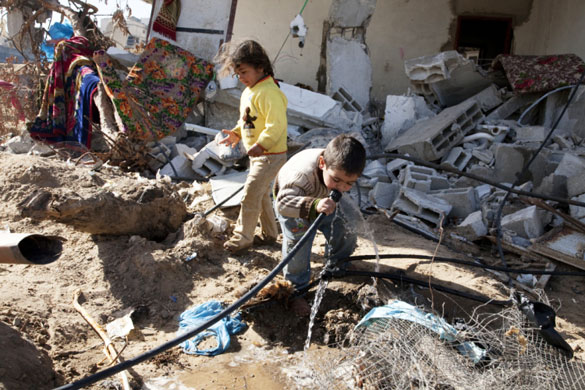
Ex-fisherman grow rice: Souleymane Diallo stands at the edge of his irrigated rice plot in Mali. A fisherman of the Bozo tribe, he found he could no longer support his family due to rainfall levels dropping on the Niger River. Christian Aid funded projects help fishermen in the village of Mendje to irrigate rice plots and teach them effective farming techniques Photograph: Sarah Filbey/Christian AidTaking turns on the treadle pump: A Malawi girl works the treadle pump that helps bring water from the dam created by residual water to water the Mukango's crops as well as those of other farmers on neighbouring plots. The pump is shared by a group of farmers growing crops in the same area.Photograph: Sarah Filbey/Christian AidBuilding dams to conserve water: The dam project in Zoungou, Burkina Faso, was built by the local population with the support of Christian Aid's partner ODE 10 years ago and now serves to conserve water and irrigate farming land, providing food self sufficiency in the areaPhotograph: Abbie Trayler-Smith /Christian AidNo snow, no ski slopes, no water: This glacial mountain range Chacaltalya, Bolivia, used to be the highest ski resort in the world 10 years ago. In 2015 there will be no snow left at all. In the nearby city of La Paz, and its suburb El Alto, more than 2 million people get about a third of their drinking water from glaciers and snow capped mountains like thesePhotograph: Hannah Richards/Christian AidHip hop about water: Elena does rapping to raise awareness about the right to water and climate change. Here she is in front of a snow capped mountain range outside of La Paz, Bolivia, where millions of people rely on water from glaciers. Those glaciers have shrunk by more than a third since the 1960sPhotograph: Hannah Richards/Christian AidDigging hard: With global warming, Peru's ice and snow capped peaks are melting, leaving highland communities in Paras, Ayacucho with fewer water reserves. Valentina and her family have now built a small reservoir and dug slow-release ditches to filter water gradually into their fields with the help of Christian Aid’s partner organization CEDAP (Centre for Agricultural Development). Photograph: Hannah Richards/Christian AidStorm preparation: Every year, the storm season brings life-threatening floods and landslides to riverside and coastal villages across Central America. Christian Aid’s local partner organisations are helping people prepare. Faustina (47) and Karen (18), pictured, are members of a newly formed village emergency committee in Honduras, and are responsible for maintaining and managing all the emergency equipment, such as life-jackets, rope, tools and waterproofsPhotograph: Sian Curry/Christian AidBangladesh at the tipping point: Two degrees of warming - the tipping point? Millions of poor people in Bangladesh are already at the tipping point with less than 1 degree of warming. The villages along the riverbanks near Mongla in south-west Bangladesh are particularly prone to erosion as storm winds get stronger and as rising sea levels cause river swirls cause homelessnessPhotograph: Mohammadur Rahman/Christian AidRiver bank swallows up possessions: ‘I swim and don’t know which shore I will land on in the end.’ Anora, Bangladesh, has spent her life watching her assets and property steadily shrink to nothing as the river has swallowed it all up when the water erodes the bankPhotograph: Mohammadur Rahma/Christian AidUnderwater drinks: Children drinking water from underground pipes, salvaged from the wreckage of their home in Beit Lahiya, northern Gaza Strip, after Israel's 22-day offensive on Gaza in January 2009Photograph: Sarah Malian/Christian Aid
Sign up to read this article
Read news from 100’s of titles, curated specifically for you.