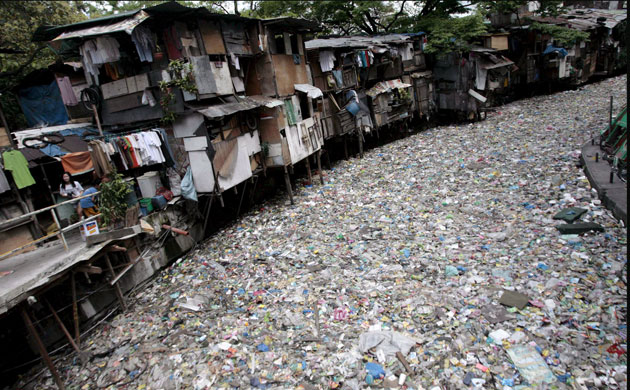
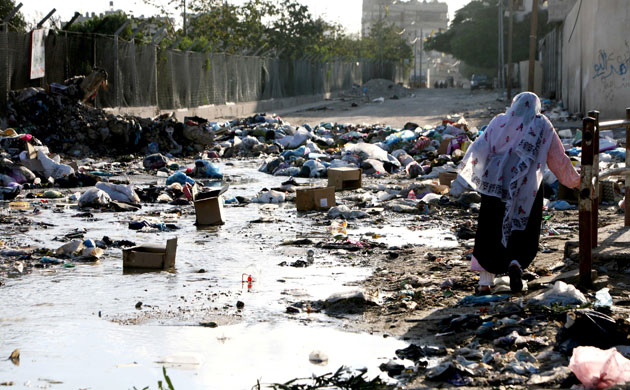
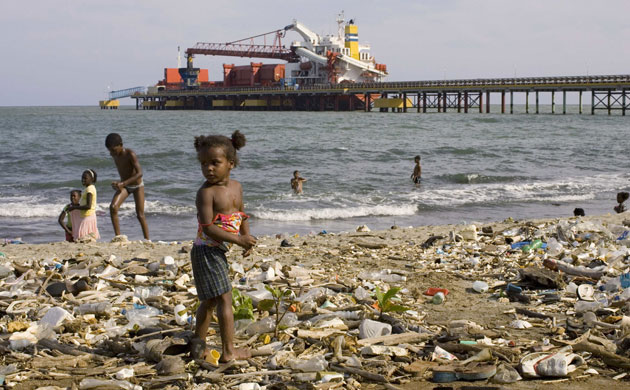
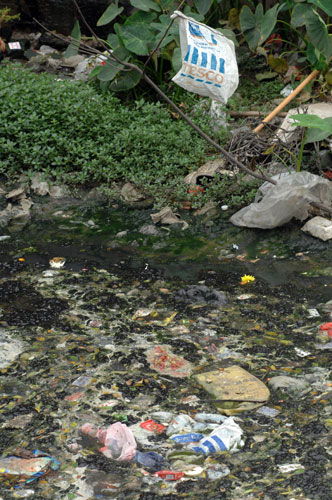
World Environment Day was established by the UN in 1972 to give a human face to environmental issues. But as these images show, developing countries suffer the worst effects of waste and pollution. Here, a trash-covered creek in Manila, Philippines, where slums often adjoin rubbish dumps. The country's poorest sift through the garbage to find discarded objects they can sell on or re-use, or even scraps of food to eatPhotograph: Francis R. Malasig/EPAA Palestinian woman tries to walk along a road in Gaza so full of rubbish and sewage that even vehicles can no longer drive on itPhotograph: Sipa Press /Rex FeaturesA girl stands on the rubbish-strewn beach in Haina in the Dominican Republic. The New York-based non-profit Blacksmith Institute is sending researchers to 80 developing countries to find and assess many of the world's dirtiest industrial waste sites. The institute recently led a clean up of a battery site in Haina, in which much of the underlying soil was 35% lead, a pollutant that leads to severe learning disabilities in childrenPhotograph: Eduardo Munoz/Reuters
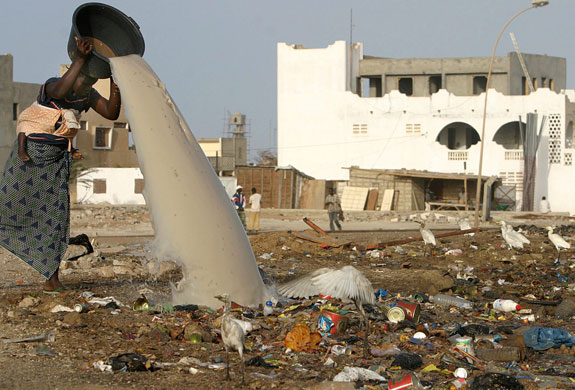
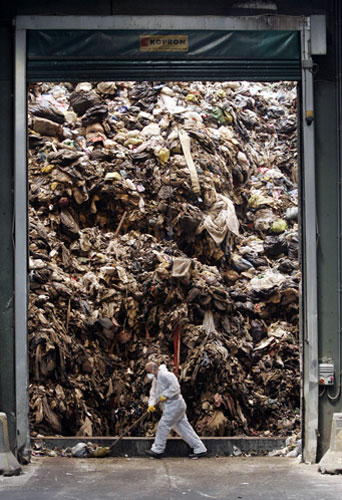
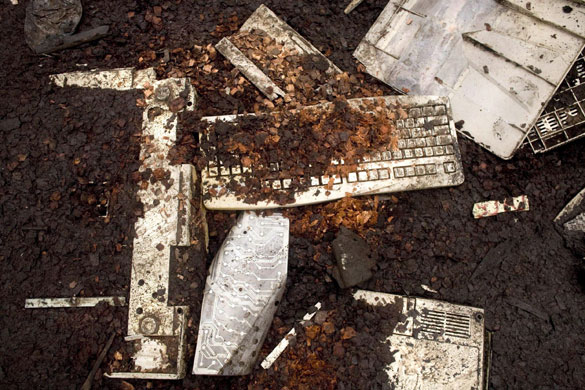
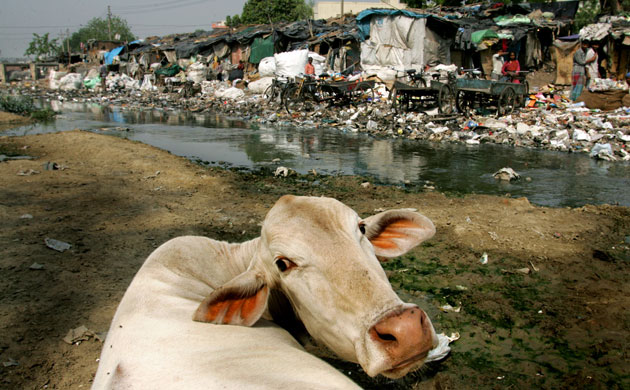
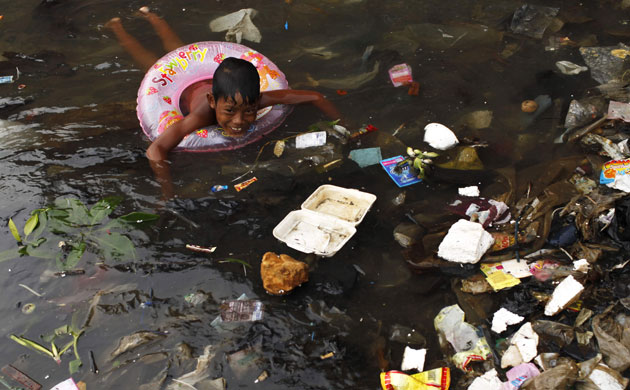
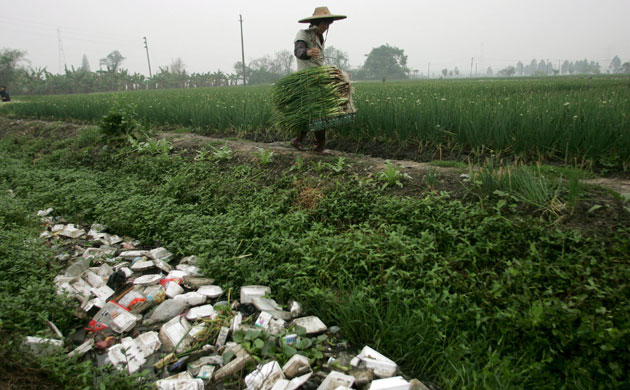
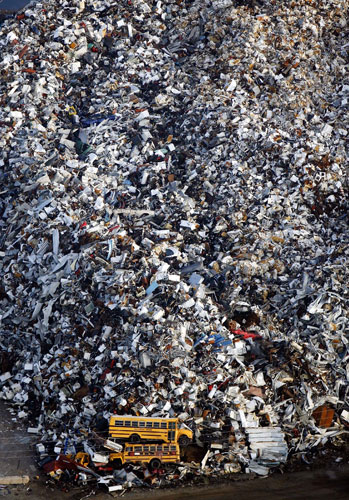
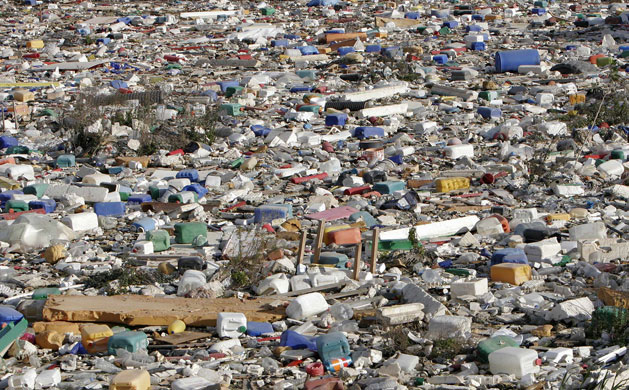
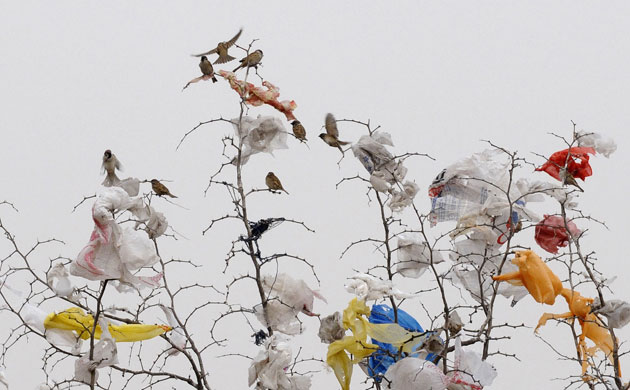
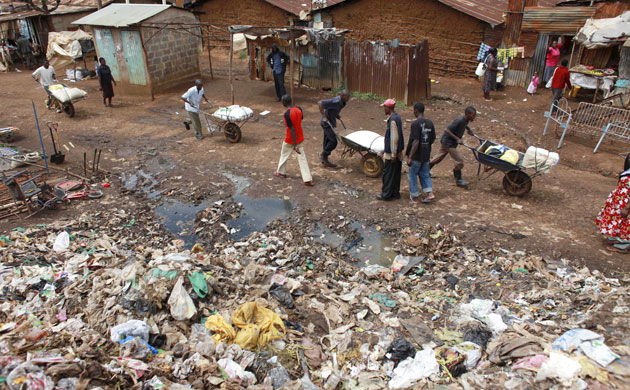
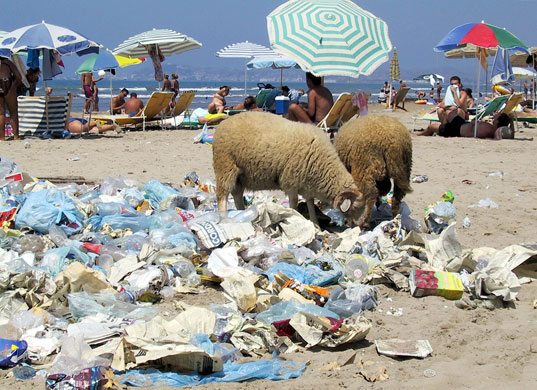
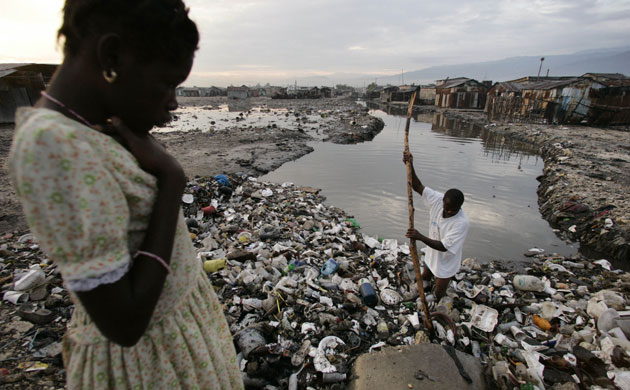
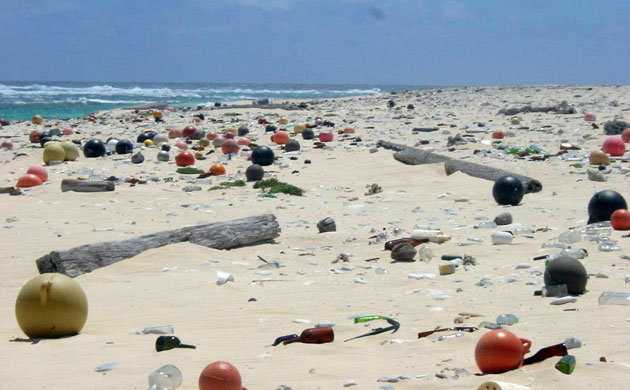
A woman carrying a baby discards waste water in the suburban area of Yoff outside Dakar, Senegal. According to Senegalese law it is illegal to dispose of garbage and waste water in public places. However, waste disposal facilities are inadequate, forcing many communities to dispose of their waste on public ground and in streams. The World Health Organisation estimates that most deaths and pathological complaints in developing countries are associated with a water-borne illnessesPhotograph: Nic Bothma/EPAAn employee works inside the Caivano dump, near Naples, southern Italy, where rubbish is turned into bales. Neapolitans took the law into their own hands after the city ran out of space to dump rubbishPhotograph: Salvatore Laporta/APComputer parts lie on the ground at a dump in Accra, Ghana. Thousands of discarded computers from western Europe and the US arrive in the ports of west Africa every day, ending up in massive toxic dumps where children burn and pull them apart to extract metals for cashPhotograph: Jane Hahn/EPAA cow feeds on plastic bags and other garbage along a stream in New Delhi, India. Photograph: DAVID GUTTENFELDER/APA child swims in the polluted waters in Cilincing, one of the poorest communities of Jakarta in Indonesia which has very poor access to clean drinking waterPhotograph: BEAWIHARTA/ReutersA farmer collects produce grown close to a stream containing dozens of discarded cartons and other waste items in Xinlou village, north-east of Guangzhou, Guangdong province, China. Pollution has become the ugly face of China's rapid economic growth. As many as 300 million people drink contaminated water every day, and 190 million are suffering from water-related illnesses each yearPhotograph: Alex Hofford/EPAA huge mound of waste at a dump in New Orleans, a year after Hurricane Katrina struckPhotograph: Alex Brandon/APFarm waste and used pesticide containers pile up in a natural water reserve, which has become an illegal dump, according to environmental group Ecologistas en Accion, in El Ejido, south-east SpainPhotograph: Francisco Bonilla/ReutersBirds on a tree among plastic materials in Changzhi, Shanxi provincePhotograph: Stringer Shanghai/REUTERSMen push goods past a pile of uncollected garbage in the Kibera slum in Nairobi, Kenya: Kibera, which houses almost 1 million people, is the largest slum in Africa, and one of the biggest in the world. It has only two main water pipes, and in most of the slums there is no sanitation, with one hole-in-the ground latrine being shared by up to 50 shacksPhotograph: KAREL PRINSLOO/APSheep feed off rubbish left on one of Albania's biggest beach resorts of Durres Photograph: Gent Shkullaku/AFPA man removes garbage brought in by the rain in an open canal at the slum of Cite-Soleil in Port-au-Prince, HaitiPhotograph: ARIANA CUBILLOS/APIn this photo released by National Oceanic and Atmospheric Administration, marine debris has been washed ashore on Laysan Island in the Hawaiian IslandsPhotograph: NOAA/APCarrier bags from the British supermarket chain Tesco contribute to pollution in the Shunde district of Guangdong, China. Italian, Dutch and British waste is recycled in the area, but as many as 3bn plastic bags are used in China every dayPhotograph: Richard Jones/Sinopix/Rex Features
Sign up to read this article
Read news from 100’s of titles, curated specifically for you.