World’s most comprehensive guide to primates - in pictures
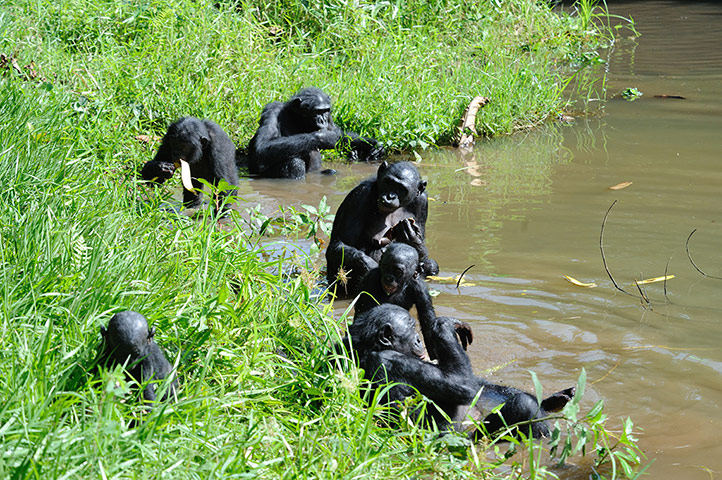
Black-and-white colobus male (Colobus angolensis ruwenzori) feeding on invasive Cercostachys vine, Nyungwe national park, Rwanda, July 2007Photograph: Russell A. Mittermeier/Conservation InternationalThe muriqui occurs in the heavily impacted Atlantic forest, Brazil. is the largest endemic mammal to Brazil. It travels over long distances in the forest canopy, helping to regenerate the forest as it disperses the seeds of the fruits it eatsPhotograph: Russell A. Mittermeier/Conservation InternationalIn the Democratic Republic of Congo, we find our closest living relative, the bonobo, a type of chimpanzee popularly known for its active sexual behavior. Half of all primates species, however, are threatened, primarily due to hunting and the widespread destruction of their forestsPhotograph: Russell A. Mittermeier/Conservation International
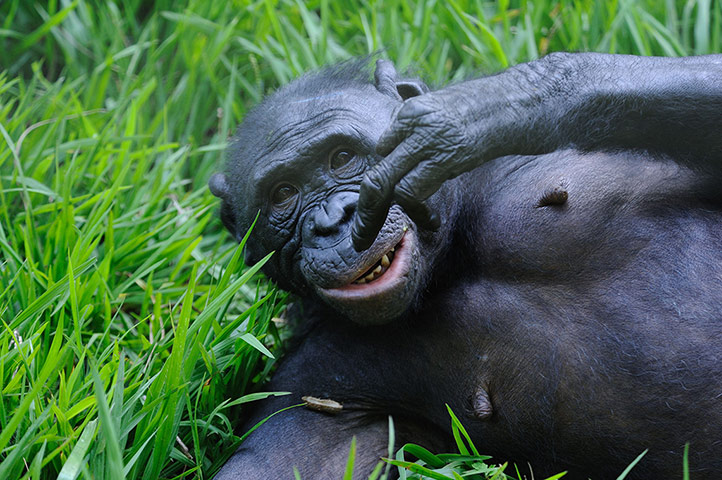
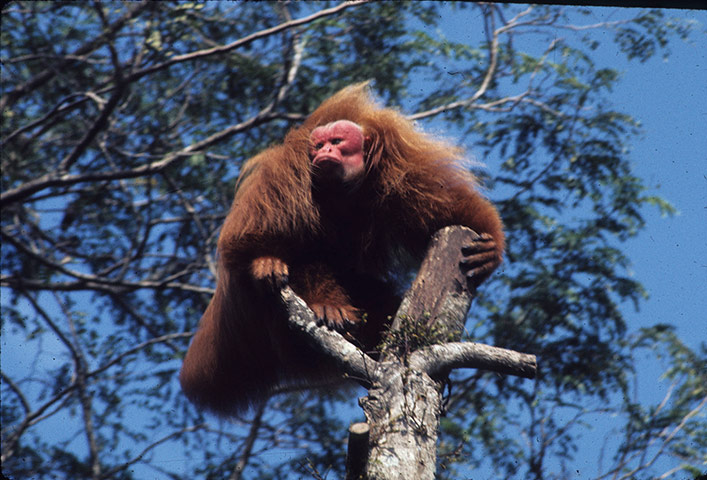
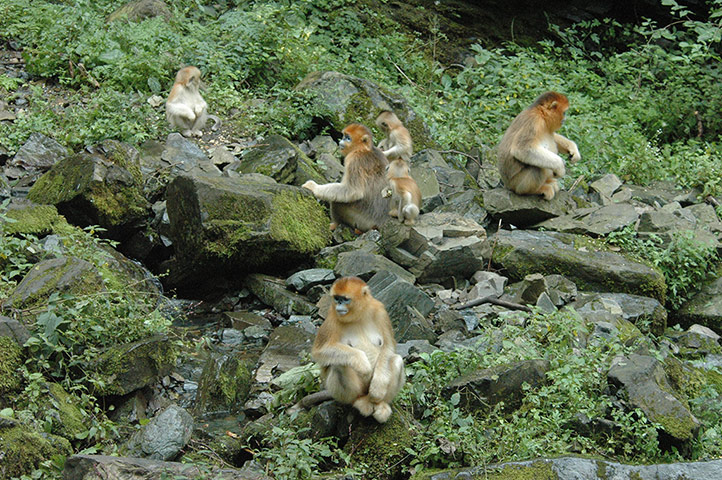
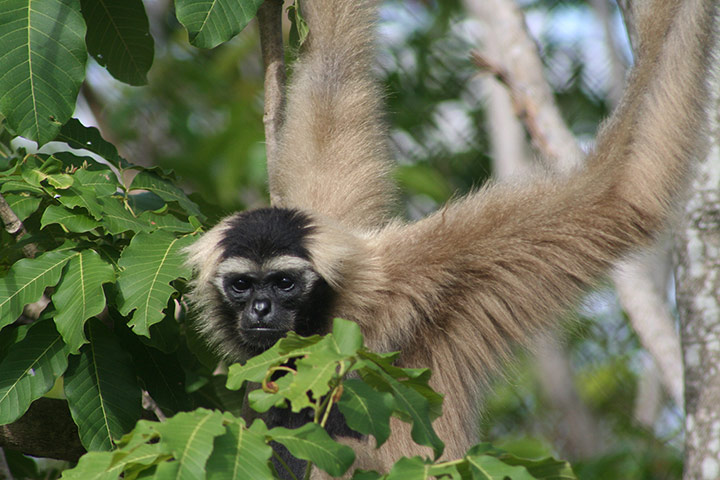
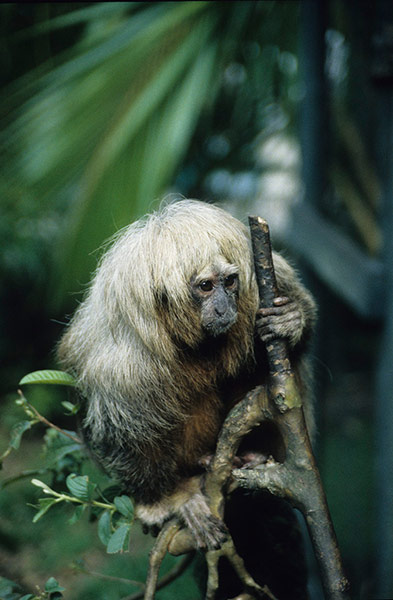
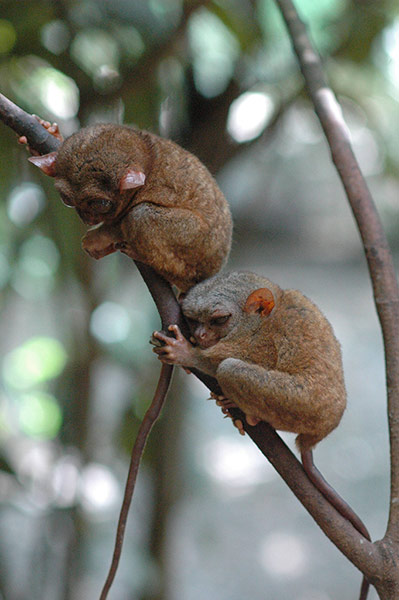
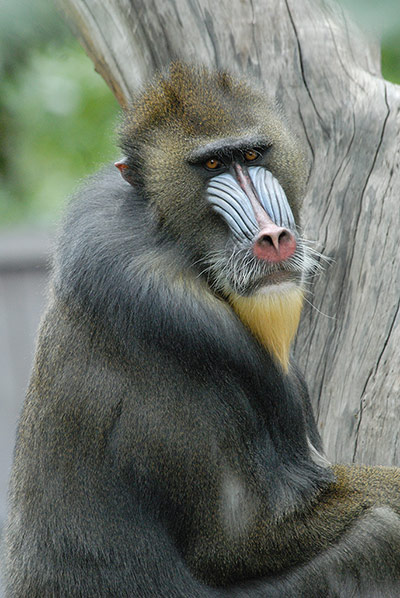
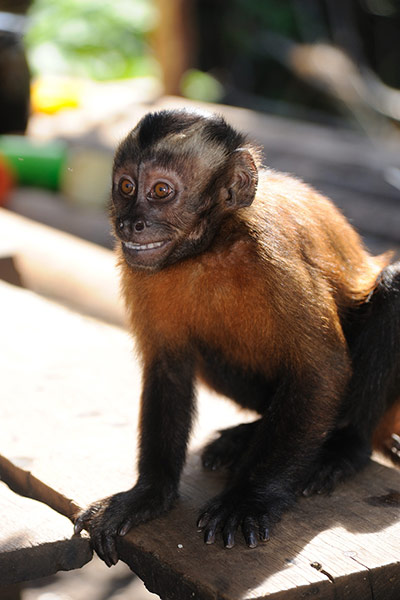
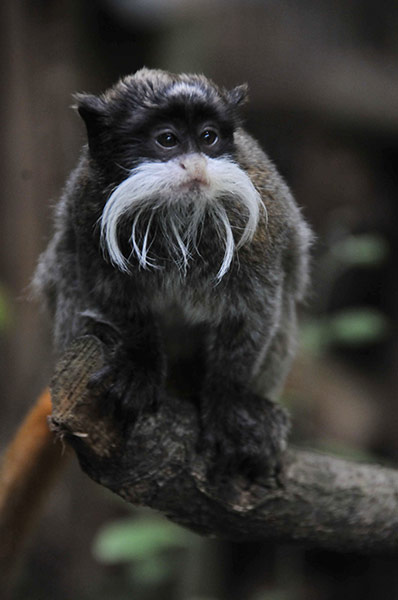
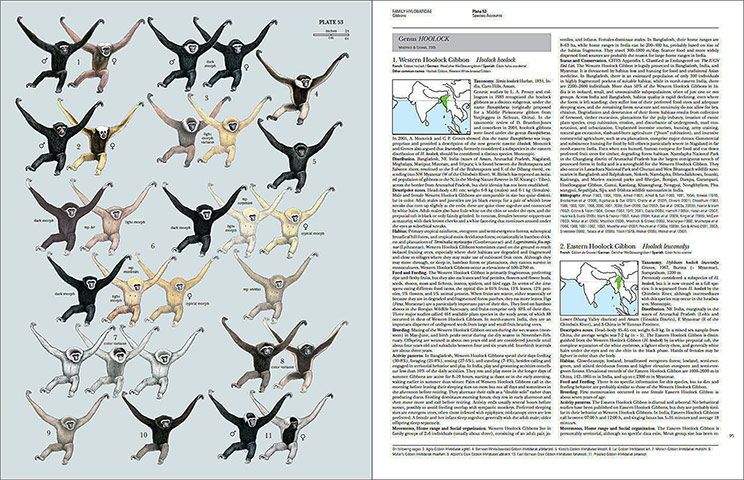
Bonobo are native to the Democratic Republic of the CongoPhotograph: Russell A. Mittermeier/Conservation InternationalIn Madagascar, the indri is known for its loud, haunting call that can be heard from miles awayPhotograph: Russell A. Mittermeier/Conservation InternationalRed bald-headed uakari (Cacajao calvus rubicundus), Amazonia, February 1973Photograph: Russell A. Mittermeier/Conservation InternationalThe facial skin and ears of the nald uacari (Cacajao calvus calvus) are unpigmented and appear pink-to-scarlet because of their blood in subcutaneous capillariesPhotograph: Luiz Claudio Marigo/Conservation InternationalQinling golden monkeys (Rhinopithecus roxellana qinlingensis) in Yuhuangmiao village, Zhouzhi Reserve, Shaanxi province, China, August 2005. This species, also known as snub-nosed monkeys, have small blueish-white faces, enlarged pink lips and upturned nosesPhotograph: Russell A. Mittermeier/Conservation InternationalQinling golden monkey (Rhinopithecus roxellana qinlingensis)Photograph: Russell A. Mittermeier/Conservation InternationalPileated gibbon (Hylobates pileatus), a species found in the Central Cardamom mountain range, Phnom Tamao wildlife rescue centre, CambodiaPhotograph: David Emmett/Conservation InternationalBuffy saki (Pithecia albicans), BrazilPhotograph: Russell A. Mittermeier/Conservation InternationalTwo Bohol tarsier (Tarsius syrichta) in the Philippines, November 2006. Hunting for the pet trade and habitat loss are the main threats to this speciesPhotograph: Russell A. Mittermeier/Conservation InternationalMale mandrill (Mandrillus sphinx), Liberia. Mandrill and drill alpha males show off their brightly colored genitalia to advertise their dominant statusPhotograph: Russell A. Mittermeier/Conservation InternationalLarge-headed capuchin (Cebus macrocephalus), Rio Jurua, BrazilPhotograph: Russell A. Mittermeier/Conservation InternationalEmperor tamarin (Saguinus subgrisescens)Photograph: Russell A. Mittermeier/Conservation International'We are hopeful that this book, published as part of such a prestigious series, will make great strides in helping to stimulate interest in primates, and, in doing so, make a major contribution to the conservation of this important group of animals,' said Dr Russell Mittermeier, president of Conservation International and chair of the IUCN’s species survival commission’s primate specialist groupPhotograph: Conservation InternationalThe 952-page book has been three years in the making by some of the world's top experts in primatesPhotograph: Conservation InternationalHandbook of the Mammals of the World is launched by Lynx Edicions in association with Conservation International and the International Union for the Conservation of Nature. The third volume counts more than 470 primates: 138 species of prosimians — lemurs, lorises, pottos and tarsiers in Africa and Asia; 156 species of monkeys in the New World tropics; another 158 monkeys in the Old World tropics; and 25 apes, 19 of them gibbons along with six chimpanzees, gorillas and orangutansPhotograph: Conservation International
Sign up to read this article
Read news from 100's of titles, curated specifically for you.