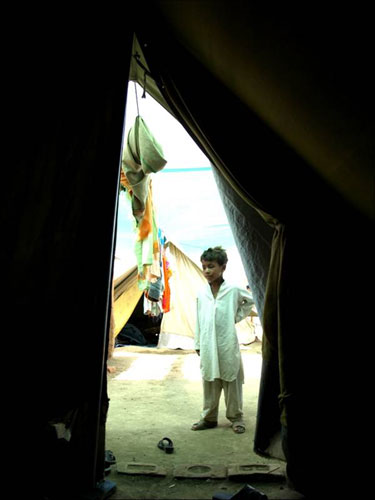
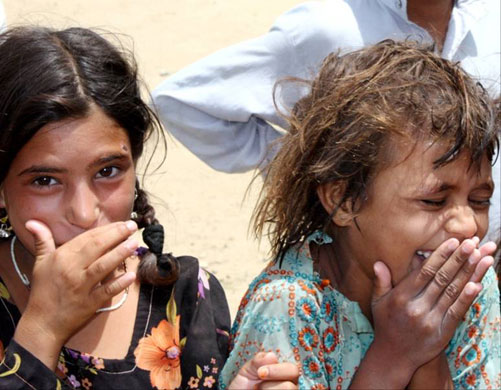
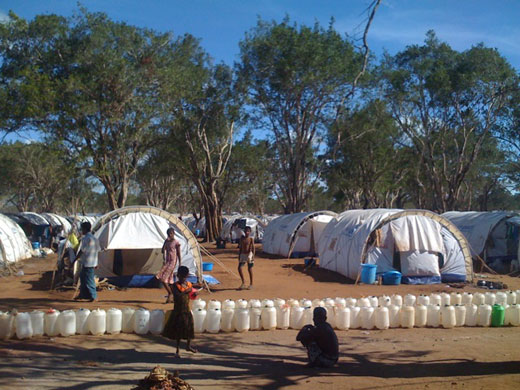
Pakistan, July 2009. More than 2 million people were displaced by the recent fighting in the north of Pakistan. UK funds are being used by international humanitarian agencies to meet the most immediate needs of those displaced - food, shelter, water and sanitation facilities and medicine. Photograph: DfidPakistan, July 2009. Protection for the most vulnerable groups – such as children – is a priority.Photograph: DfidSri Lanka, June 2009. Some 5,000 Dfid-funded tents are providing temporary accommodation to people displaced by fighting in northern Sri Lanka. Since September 2008, Dfid has allocated £12.5m of humanitarian assistance to help rebuild the lives of the 284,000 Sri Lankans forced to flee their homes.Photograph: Dfid
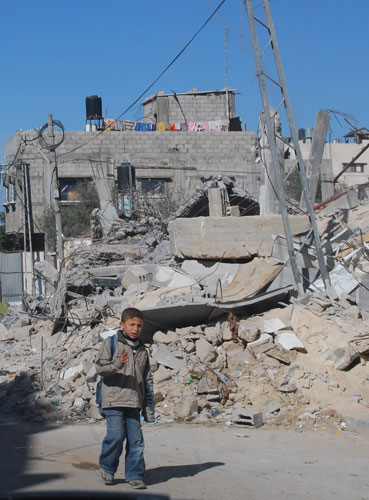
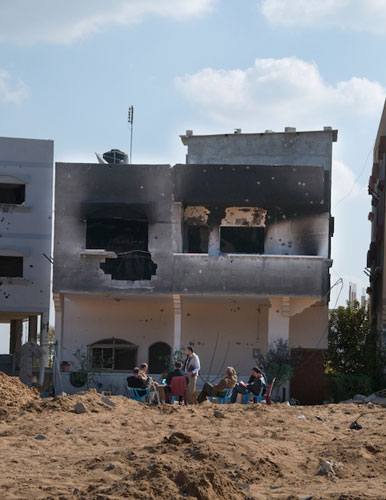
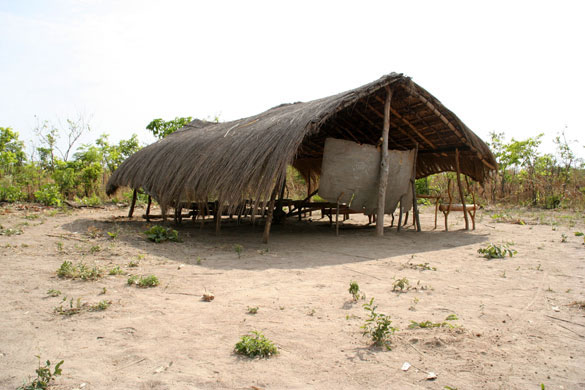
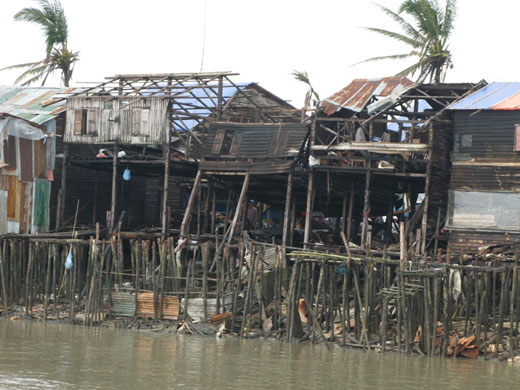
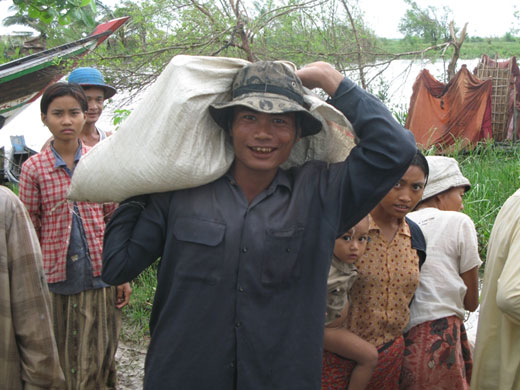
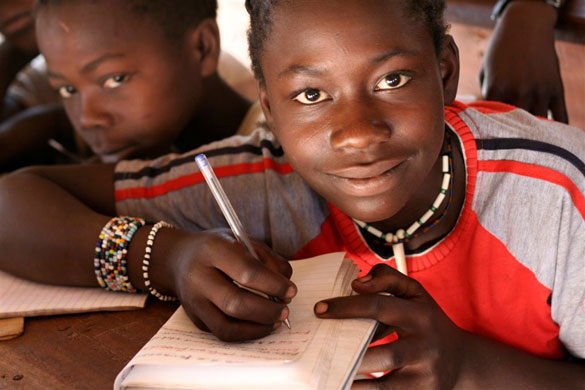
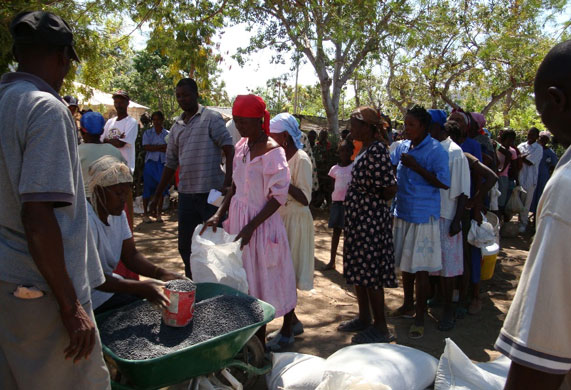
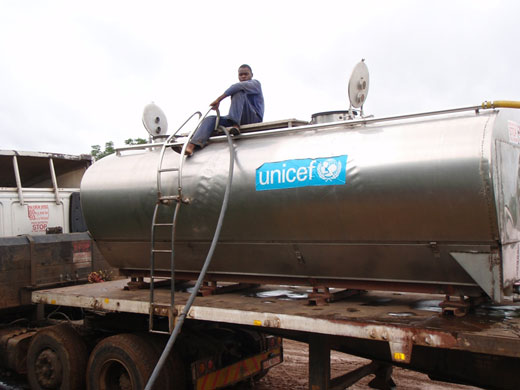
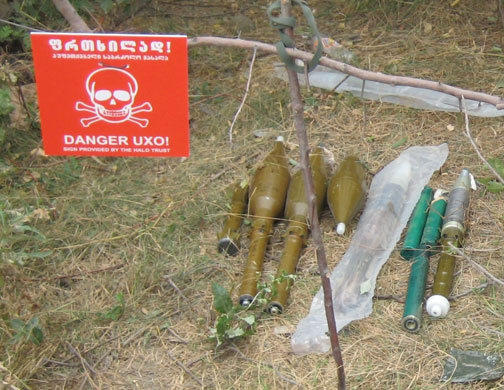
Gaza, February 2009. The UK government has allocated more than £26m through Dfid to provide emergency help for people in Gaza. The money will be spent by NGOs operating in Gaza on projects including providing clean drinking water and helping repair damaged homes. Psychological support will also be given to help people deal with the trauma and shock they have suffered.Photograph: DfidGaza, February 2009. Residents outside their burnt out house in Gaza.Photograph: DfidCentral African Republic, April 2009. Violence in the war-torn Central African Republic forces thousands of children to abandon their education. But makeshift bush schools in safe scrubland areas provide a solution. As part of a programme supported by Dfid, bush schools are set up by communities using simple materials: local timber for benches, straw roofing for shelter and a blackboard. Photograph: DfidBurma, June 2008. Cyclone Nargis struck Burma with catastrophic force. More than 150,000 people are thought to have died with huge numbers left homeless. Dfid despatched a relief team to help co-ordinate the international aid effort. Funds were sent immediately to NGOs, Red Cross and UN agencies working in the hard-hit Irrawaddy delta region of the country. Photograph: DfidBurma, June 2008. A recipient of food aid.Photograph: DfidCentral African Republic, April 2009. Pupils at a bush school.Photograph: DfidHaiti, March 2009. The 2008 hurricane season caused much damage across the Caribbean. £7.5m of UK government aid went to relieve hardship in Haiti, Turks and Caicos, and Cuba. The aid was delivered through the Red Cross, the UN and non-governmental organisations who work in the region. Dfid supported agricultural inputs to farmers, building projects to mitigate the effects of future hurricanes and cash grants to individuals whose livelihoods were damaged, as well as clean drinking water, shelter and sanitation designed to prevent the spread of disease.Photograph: DfidZimbabwe, December 2008. After years of social and economic decline, Zimbabwe has faced deep-seated humanitarian problems and the near collapse of basic services. This included the worst cholera outbreak in the country's history when, from late 2008 until spring 2009, more than 100,000 people were infected and more than 4,000 died. Throughout the outbreak Dfid worked with UNICEF to provide emergency health care supplies and to ensure clean water reached those communities in most urgent need. In some urban areas no piped water was available to residents for days at a time. In this photo, Dfid funding is providing clean water to communities affected by the cholera epidemic.Photograph: DfidGeorgia, August 2008. Humanitarian work is frequently hazardous. Dfid funds organisations like the HALO Trust to make areas safe following conflict by clearing mines and other unexploded munitions. In 2008, 260 humanitarian aid workers were killed, kidnapped or seriously injured in violent attacks. The 2008 fatality rate for international aid workers exceeds that of UN peacekeeping troops.Photograph: Dfid
Sign up to read this article
Read news from 100’s of titles, curated specifically for you.