World Habitat Day 2014: urban design in Cape Town – in pictures
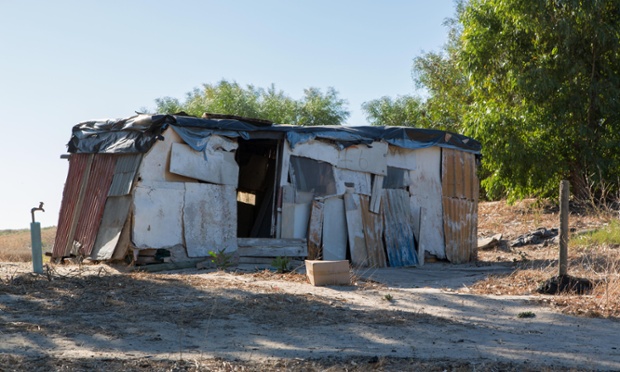
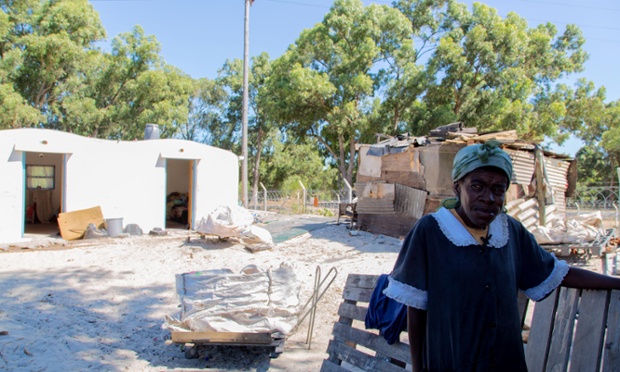
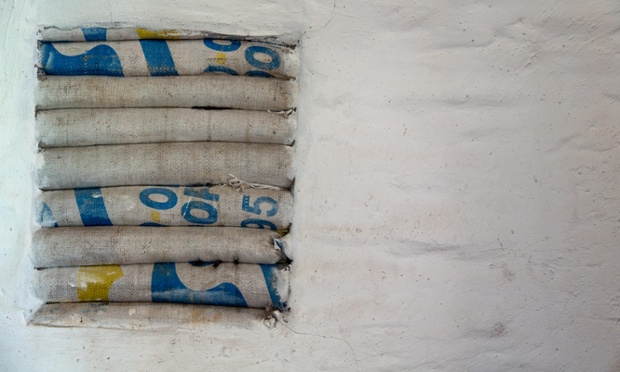
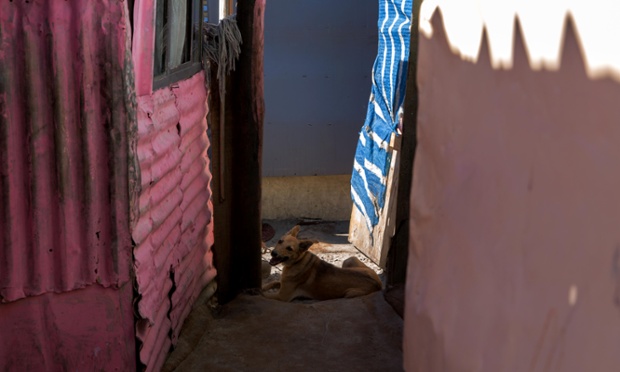
An example of the existing housing prevalent in Blue Downs township in Cape Town. Photograph: Sarah GoodmanGloria, the owner of the first e-khaya, in front of her house in Blue Downs. The e-khaya structure is built around a removable frame. To construct it requires no building skills and can be done by locals. The cost of an e-khaya is roughly 1,100-1,200 USD, approximately 10% of a government-funded brick house. Photograph: Sarah GoodmanEarth-filled polypropylene bags provide the main material for the structure. Here they have been left intentionally exposed. The walls and the roof are then covered with fibreglass mesh and a simple fire-resistant plaster. Photograph: Sarah Goodman
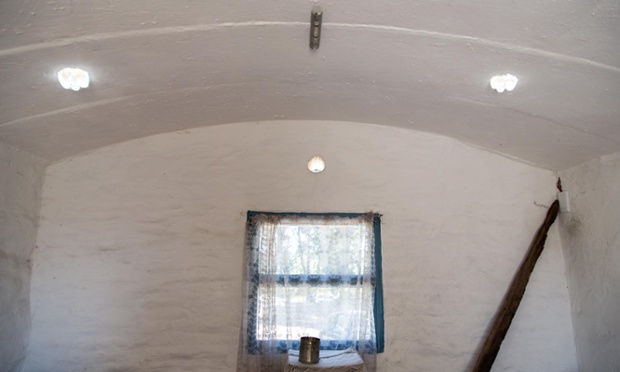
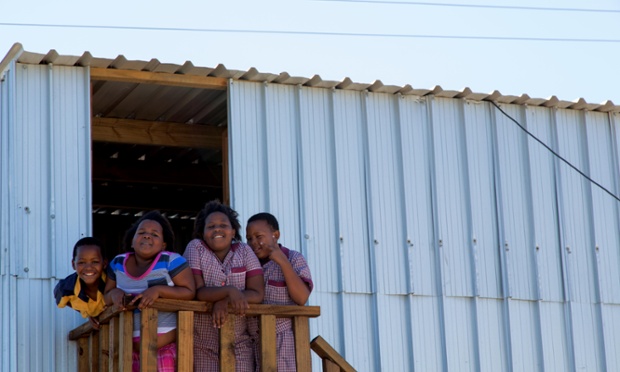
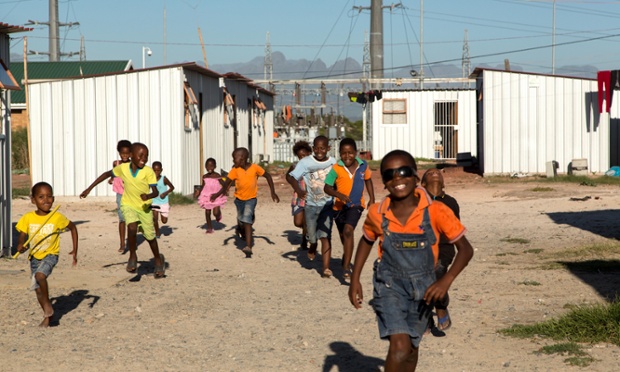
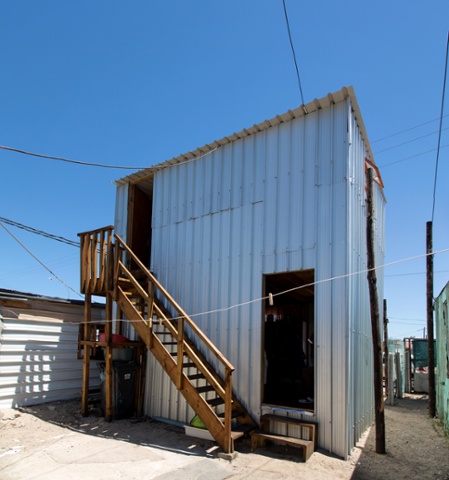
The plastic bottles seen here let through natural light during the day. To generate electricity the e-khaya uses a 10W solar panel to power LED-lighting and mobile chargers. Rainwater is collected and pumped to a tank on the roof which then goes through a heater system and comes out as warm water from the tap inside. The house also has a low-cost rocket stove. Photograph: Sarah GoodmanIn Khayelitsha, another township in Cape Town, a dense layout of housing made from flammable materials has proved to be a health and safety issue. This was highlighted in January 2013 when a fire destroyed 800 houses and fire brigades struggled to access parts of the township. Photograph: Sarah GoodmanFollowing the fire, upgraded shacks were designed to accommodate those left displaced. The new shacks are part of the 'blocking-out' approach to design aims to reconfigure the use of space in dense townships. The old shacks have been demolished and the new ones built around open courtyards as seen here.The open courtyards keep eyes on the street, making them safer for children and women. They also free up space for taps and sewage. Photograph: Sarah GoodmanThe open courtyards keep eyes on the street, making them safer for children and women. They also free up space for taps and sewage. Photograph: Sarah GoodmanThough the community is still waiting for permanent brick houses, the Empower shacks are a safe alternative in the short run. Photograph: Sarah Goodman
Sign up to read this article
Read news from 100's of titles, curated specifically for you.