
We’re often told to ‘look on the bright side’, to ‘count your blessings’, that situations ‘could be worse’. A lot of the time though, optimism is easier said than done.
In the face of things like job stress, long working hours, illness, financial worries or relationship problems, it’s easy to fall into a ‘woe is me’ mindset, but could focusing on what you’re grateful for be a key to a more positive outlook on life?
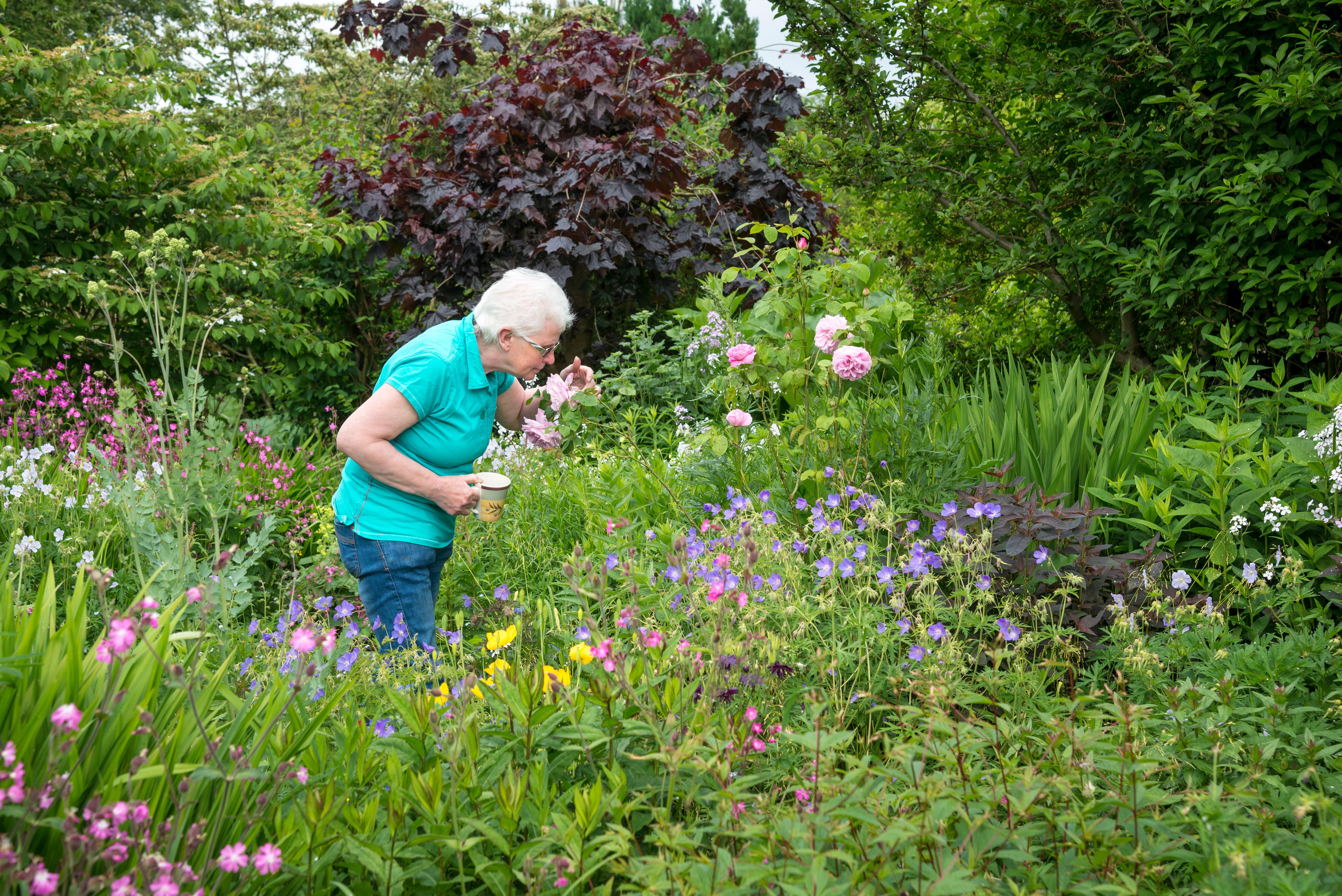
“Gratitude is becoming an integral part of working on mental health, and as a result we’re seeing therapies like compassion focused therapy become ever more popular,” says Dr Gregory Warwick counselling psychologist at Quest Psychology Services.
“The theory of how gratitude improves our mental health is that if we are focusing and taking a moment to appreciate what we have, we are less likely to be in our ‘threat system’, which most people know as ‘fight or flight’.”
That’s when we experience a stress-inducing surge of adrenaline or cortisol. On the other hand, gratitude has been found to trigger a release in our brain of “a cocktail of dopamine and serotonin, feel-good neurochemicals that make us more optimistic for our future,” says Chloe McNiven, neurolinguistic programming coach and owner of The Soul Hub.
“It helps build stronger relationships, meaning the benefits are wide spread across all areas of your life.”
Dr Warwick adds: “The other key part of how gratitude helps is that we start to be kinder to ourselves and others, and this reduces the negative self-criticism that often gets us caught up in cycles of anxiety and depression.”
So how can you train your brain to start focusing on the positives and tapping into gratitude a little more?
“There are a variety of ways in which people can slot gratitude into their daily lives,” says Warwick. “This could be in the form of a short gratitude diary, reflecting on the great things you experienced today, your good deeds you completed, and how you will make tomorrow better.”

Alternatively, if you tend to feel gloomy when you wake up, you might want to journal in the morning instead, to help set yourself up for the day ahead. You don’t have to write an essay every time, and they don’t have to be major achievements – gratitude is often about appreciating the little things.
“No matter what you have going on in your life, there are always things to be grateful for,” says McNiven. “A beautiful sunny day, a warm mug of tea, laughter from your children or a cuddle from your favourite pet. These moments are so often missed in the busyness of our daily lives.”
To get those feel-good hormones flowing, try to include an act of kindness in your life each day, she recommends: “Call a family member you haven’t spoken to in a while and let them know you are thinking of them. Message someone and let them know how much you appreciate them, or give a thank you card or some flowers to make them feel extra special.”
Create pockets of joy by getting outside and “noticing the beauty around you in the trees, flowers, birds and wildlife”, or have a night in to “cook your favourite meal, and switch off from distractions to really allow you to enjoy the flavours”.
Gratitude is closely connected with mindfulness, the practice of being more fully present and ‘in the moment’, so make an effort to “pause and savour these small memories and moments to keep forever,” says McGiven.
“The benefits are endless. What have you got to lose?”