World Cup fans head underground to explore Stalin's bunker
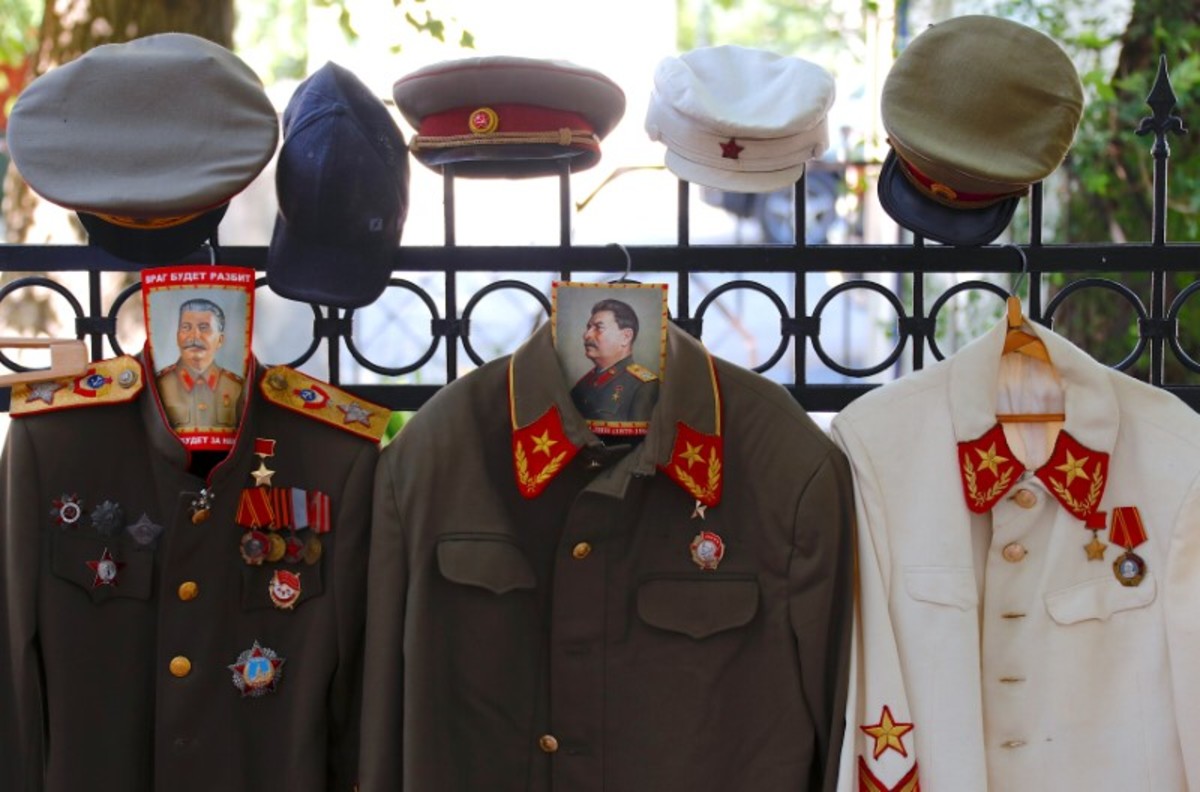
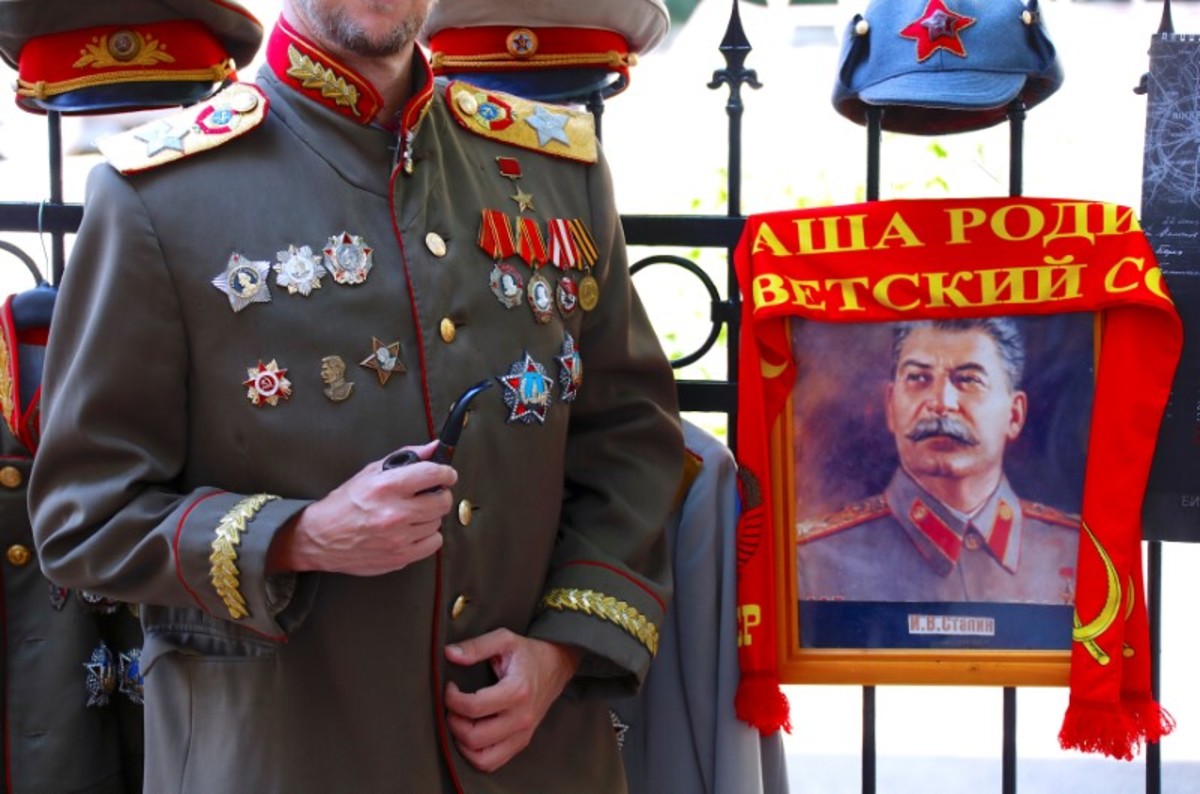
Russian military costumes for tourists to wear hang from a fence outside the entrance to Stalin's Bunker, a bunker complex built in 1942 as an alternative headquarters for the Soviet Union leader Joseph Stalin, in Samara, Russia, July 4, 2018. Picture taken July 4, 2018. REUTERS/David Gray
SAMARA, Russia (Reuters) - As the Russian city of Samara gears up for Saturday's England-Sweden clash, some fans have been taking time out to discover a darker side of the city hidden underground.
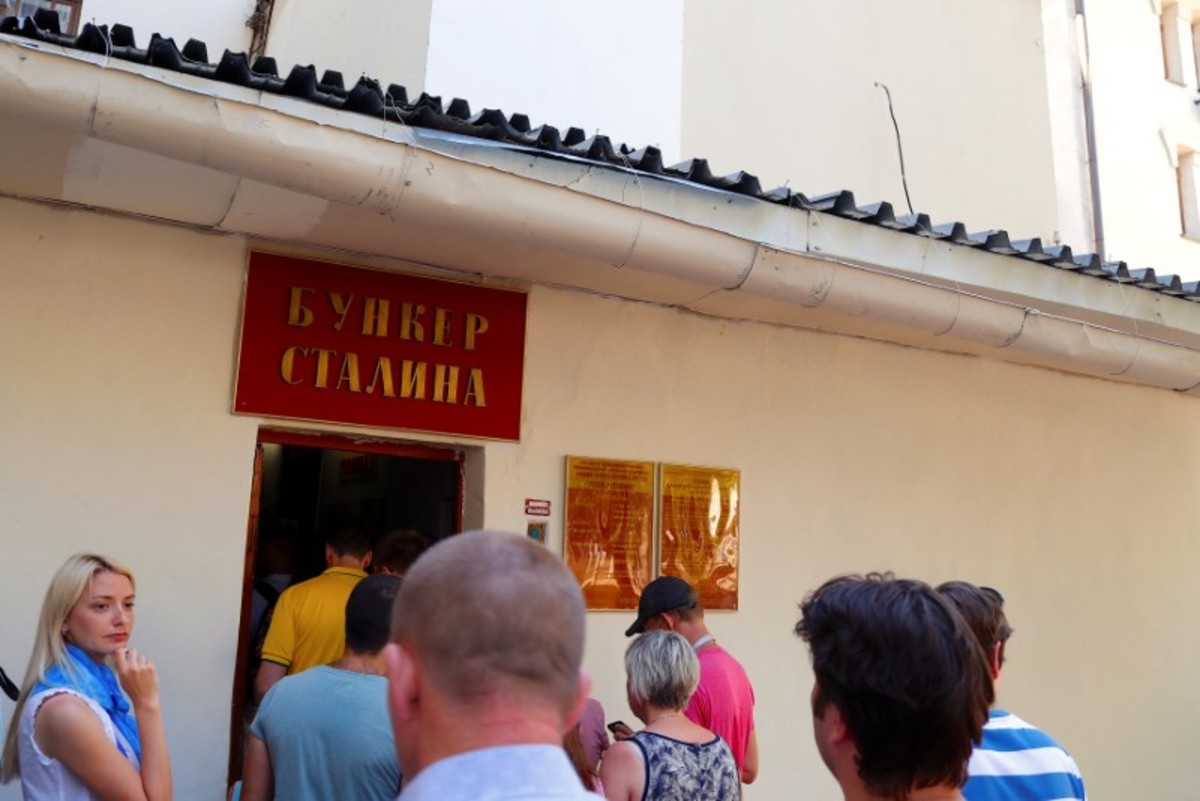
Hundreds of visiting supporters have been queuing up to visit Josef Stalin's bunker - chambers dug out underneath the southwestern city to protect the Soviet leader from a Nazi German assault that never came.
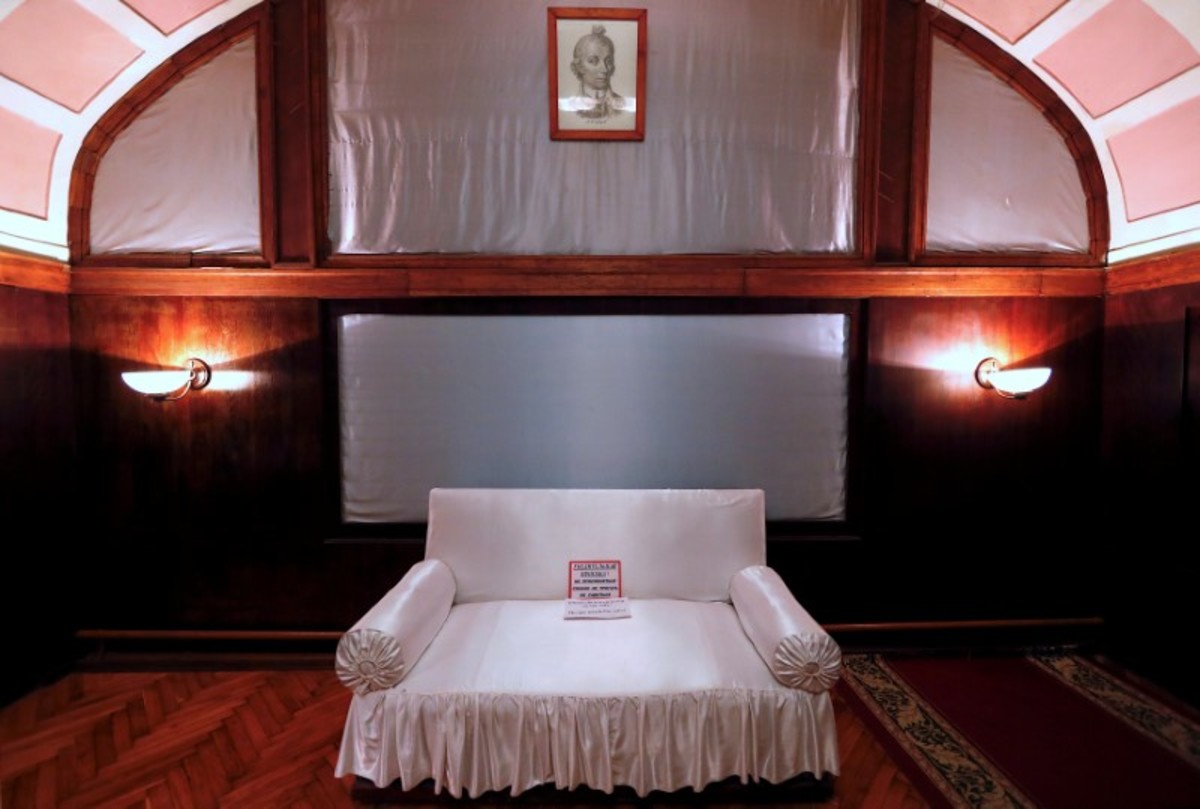
A couch is seen inside Stalin's Bunker, a bunker complex built in 1942 as an alternative headquarters for the Soviet Union leader Joseph Stalin, in Samara, Russia, July 4, 2018. Picture taken July 4, 2018. REUTERS/David Gray
"You get goosebumps. You can't imagine all of that happened just here and only a few years ago. It is a very good experience to take back to our country," said Mexico fan Josue Resendis.
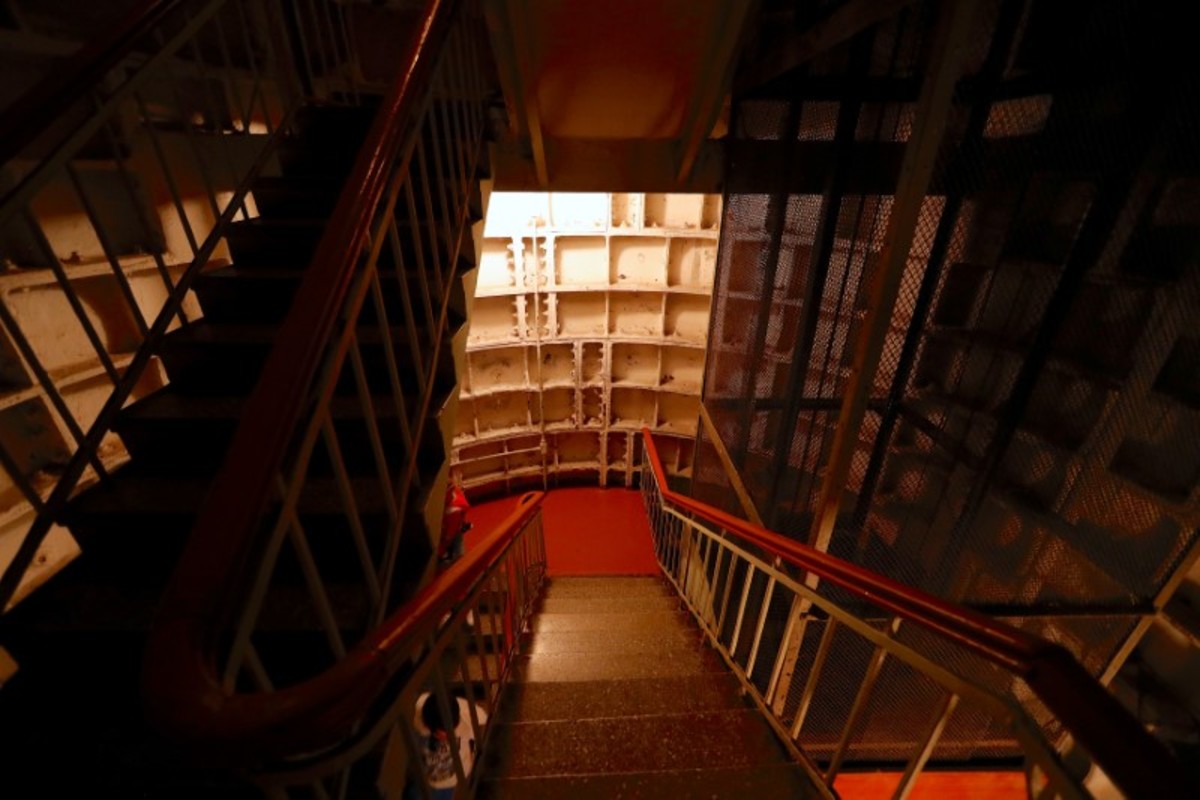
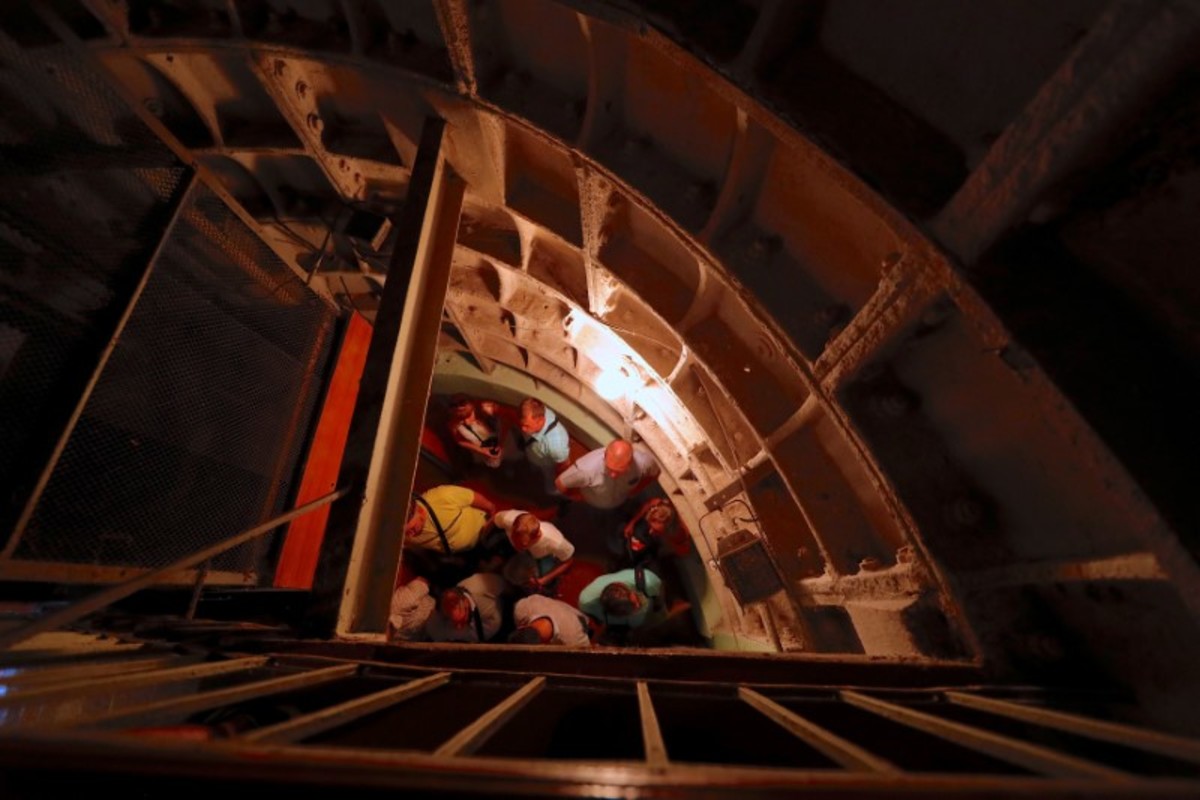
Supporters, many still wearing their team's tops, carefully walk down flights of narrow stairs until they are 37 metres (120 feet) below the soccer celebrations.
"To think that a place that today shows so much happiness has had a past in which children, women were carrying arms and building planes in order to have one human being fighting another human being because of an ideology...” Thiago Andrade from Brazil told Reuters.
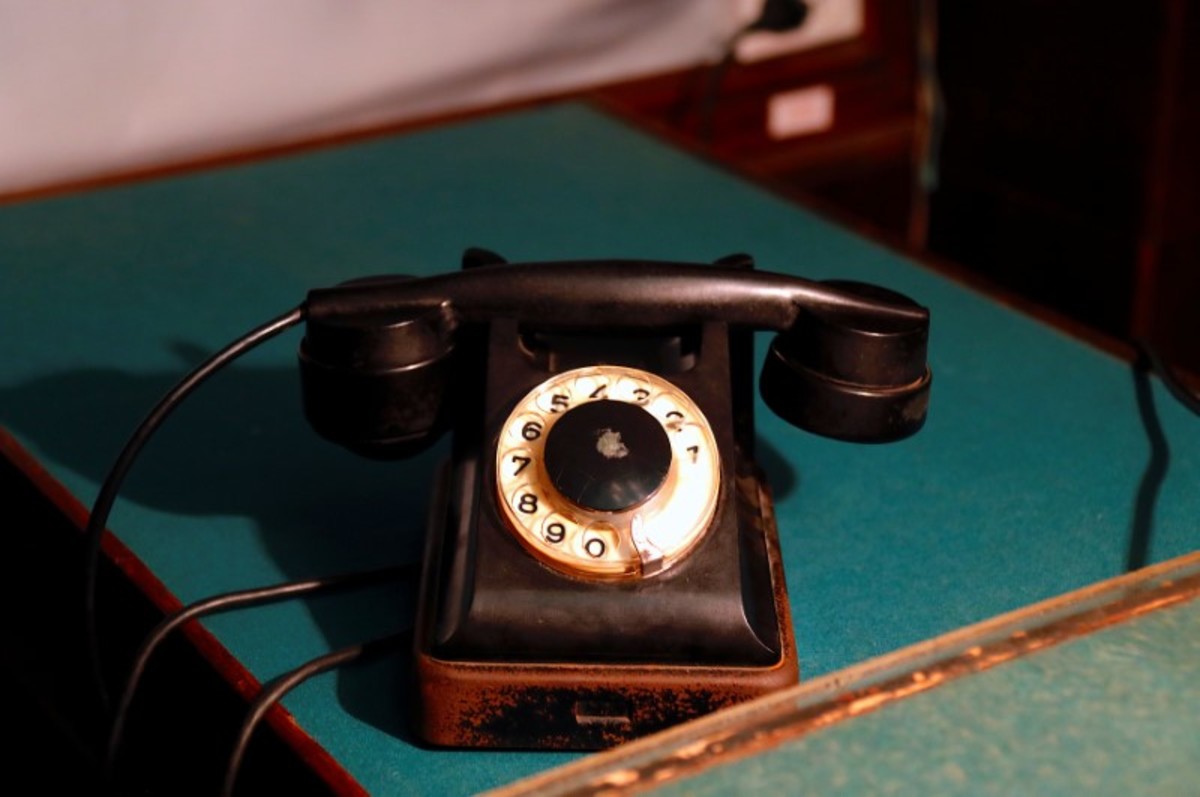
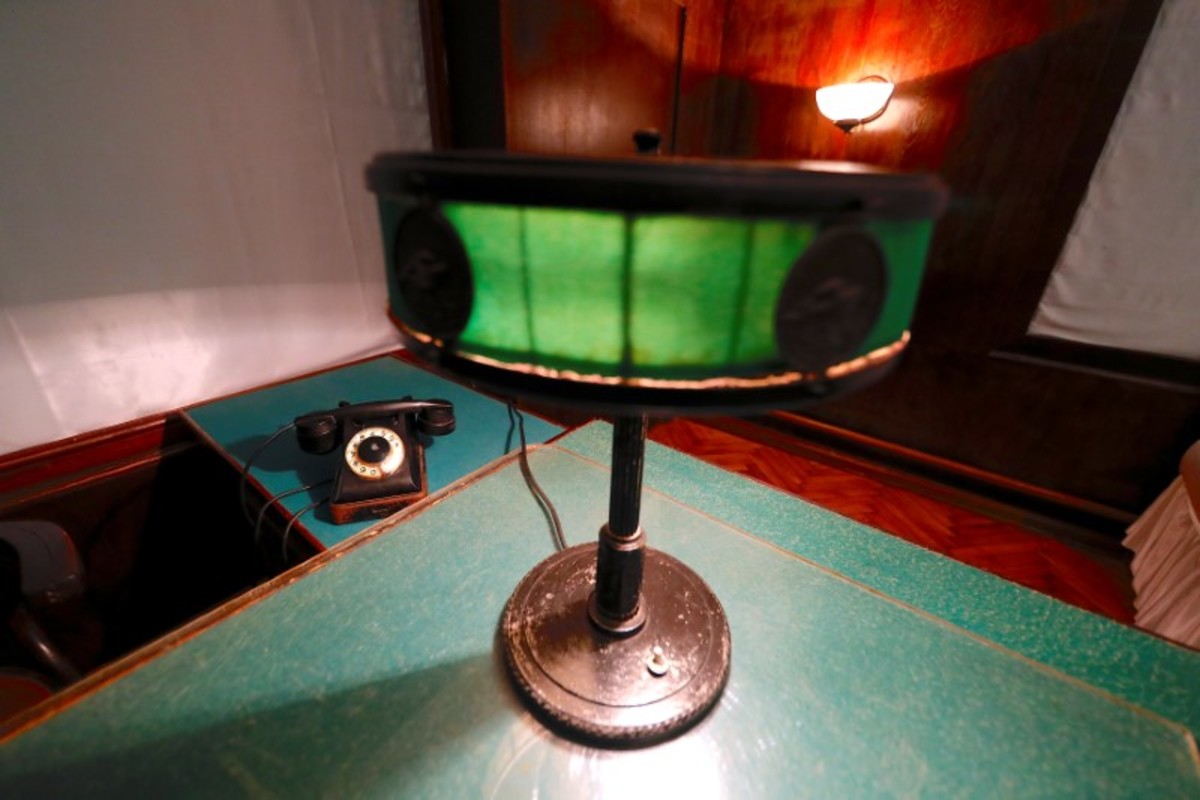
A telephone sits on a desk inside Stalin's Bunker, a bunker complex built in 1942 as an alternative headquarters for the Soviet Union leader Joseph Stalin, in Samara, Russia, July 4, 2018. Picture taken July 4, 2018. REUTERS/David Gray
“It is good that it is over and that things in the world are now solved in a different way.”
The bunker was built in 1942, but remained a secret to Samara’s citizens until 1990, when it was uncovered and later turned into a museum.
Its walls were built to withstand a direct hit from an aerial bomb and held enough provisions to feed Stalin and his entourage for up to five days.
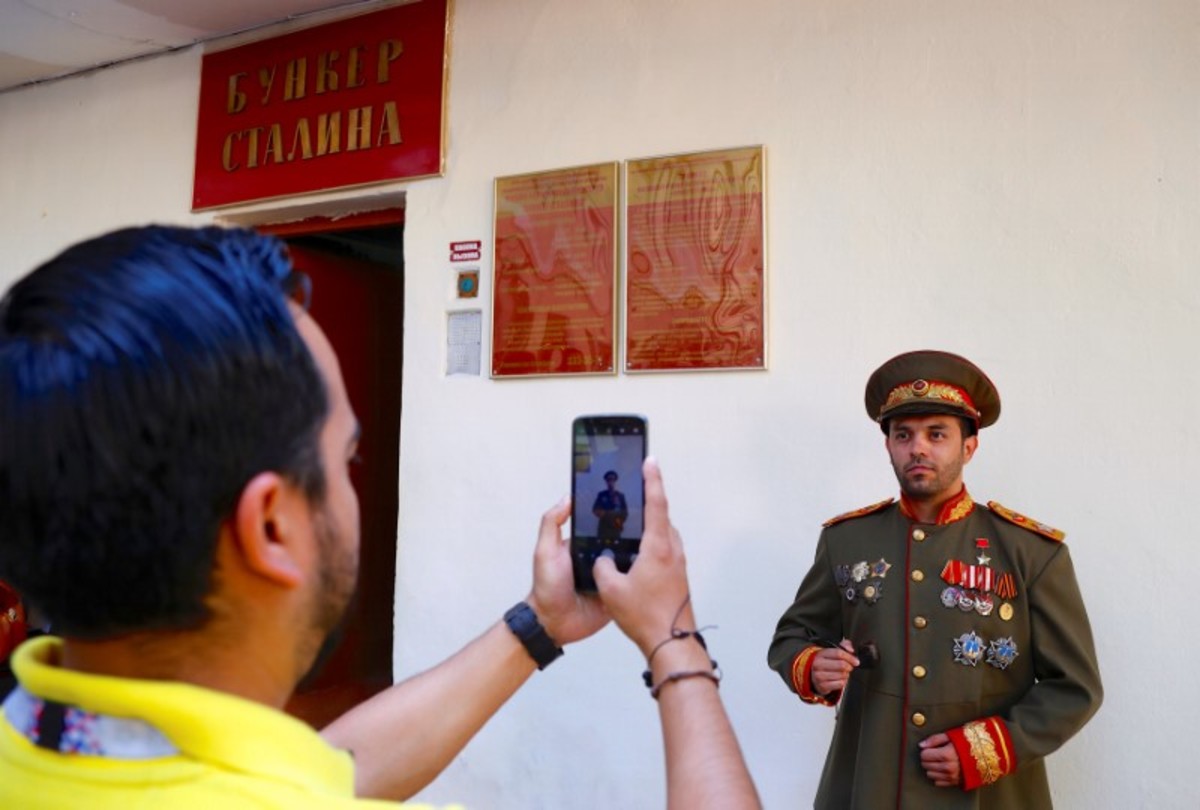
A tourist, visiting Russia during the Soccer World Cup, poses for a photograph dressed in a Russian military costume outside the entrance to Stalin's Bunker, a bunker complex built in 1942 as an alternative headquarters for the Soviet Union leader Joseph Stalin, in Samara, Russia, July 4, 2018. Picture taken July 4, 2018. REUTERS/David Gray
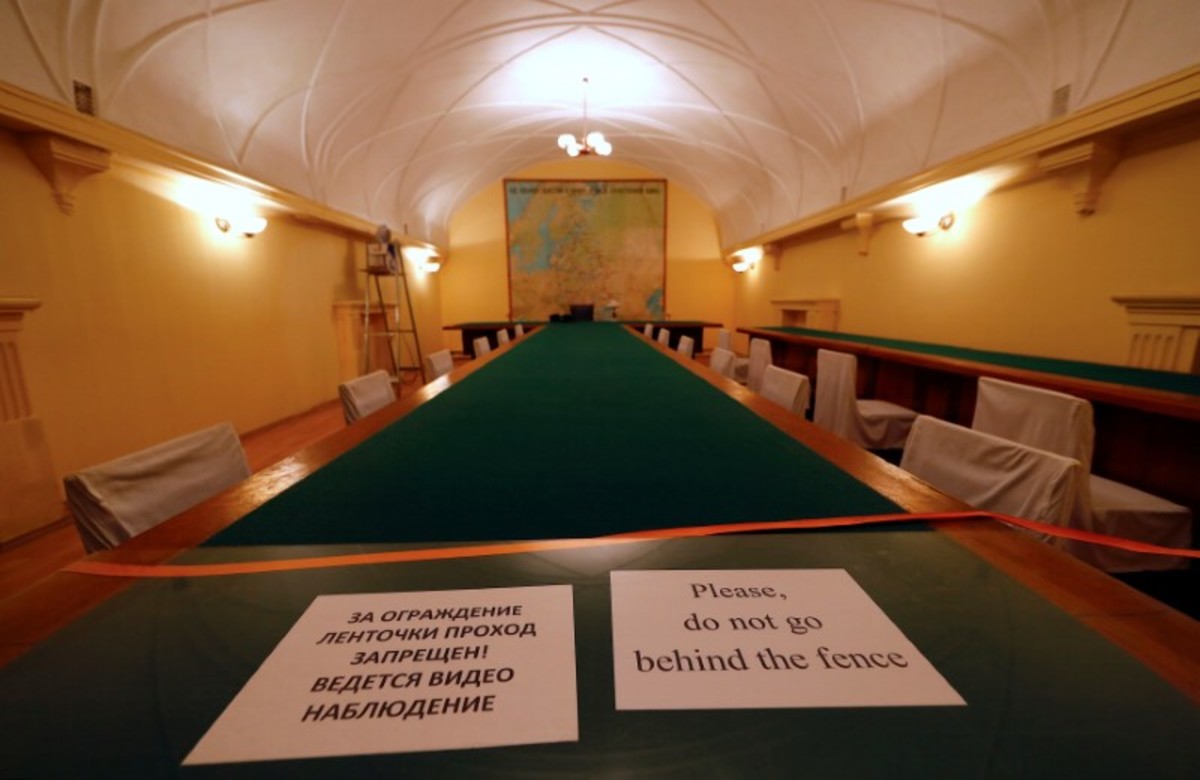
During World War II, Samara - then named Kuybyshev - was chosen to be the alternative capital of the Soviet Union should Moscow fall to the German troops, and the shelter was meant to be the headquarters of the Armed Forces, led by Stalin.
He never had to use it.
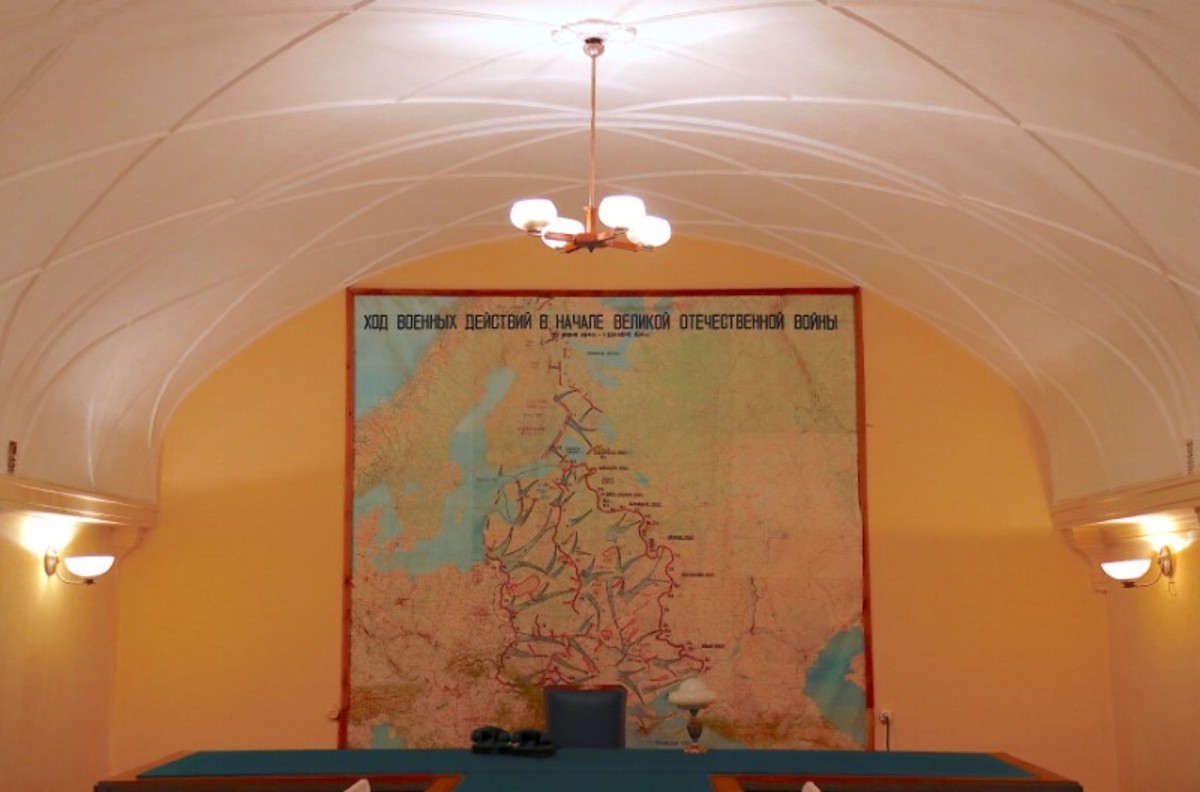
The bottom floor contains two rooms: the main chamber which could accommodate 115 people and was meant to serve as meeting room, and Stalin’s personal chamber, the tourists' favorite.
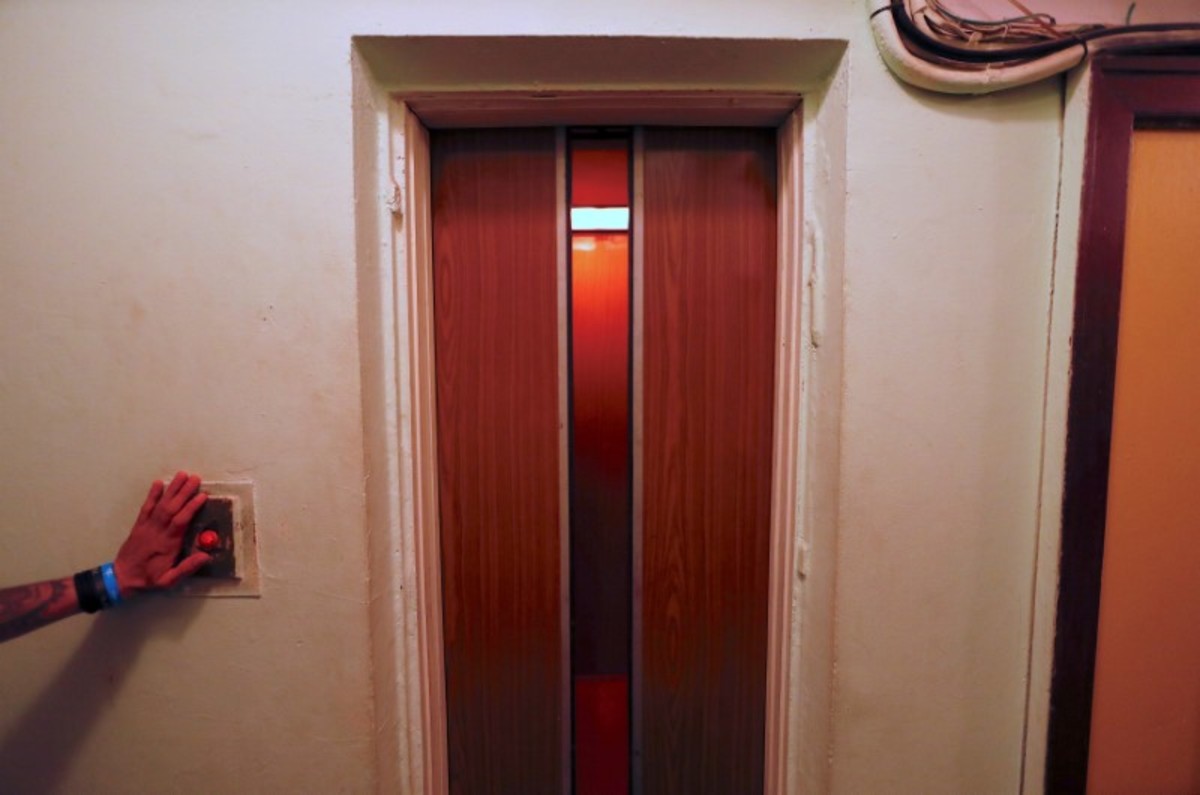
A guide touches a call button for a small elevator inside Stalin's Bunker, a bunker complex built in 1942 as an alternative headquarters for the Soviet Union leader Joseph Stalin, in Samara, Russia, July 4, 2018. Picture taken July 4, 2018. REUTERS/David Gray
Here they can sit at Stalin's desk, pick up the handset and "call the Kremlin".
Legend has it, according to a museum guide, that the phone line used to be live until a French tourist called home and ran up an extortionate bill.
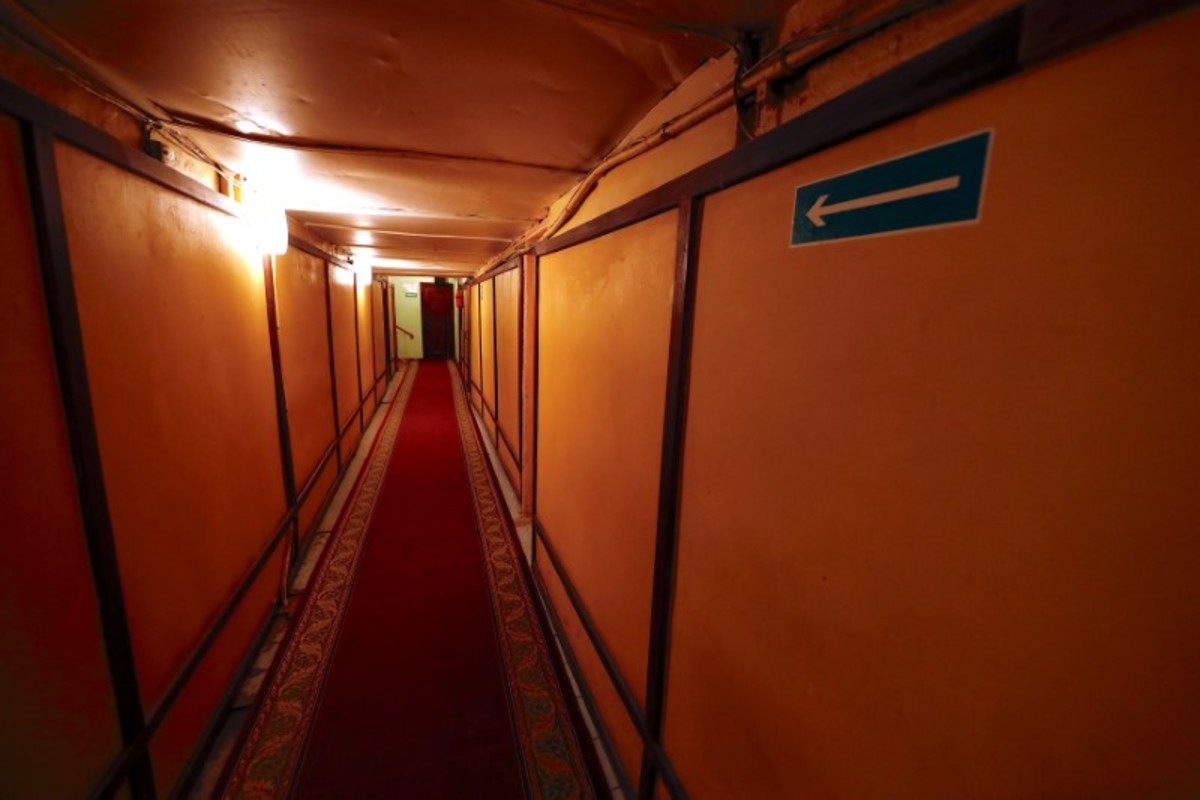
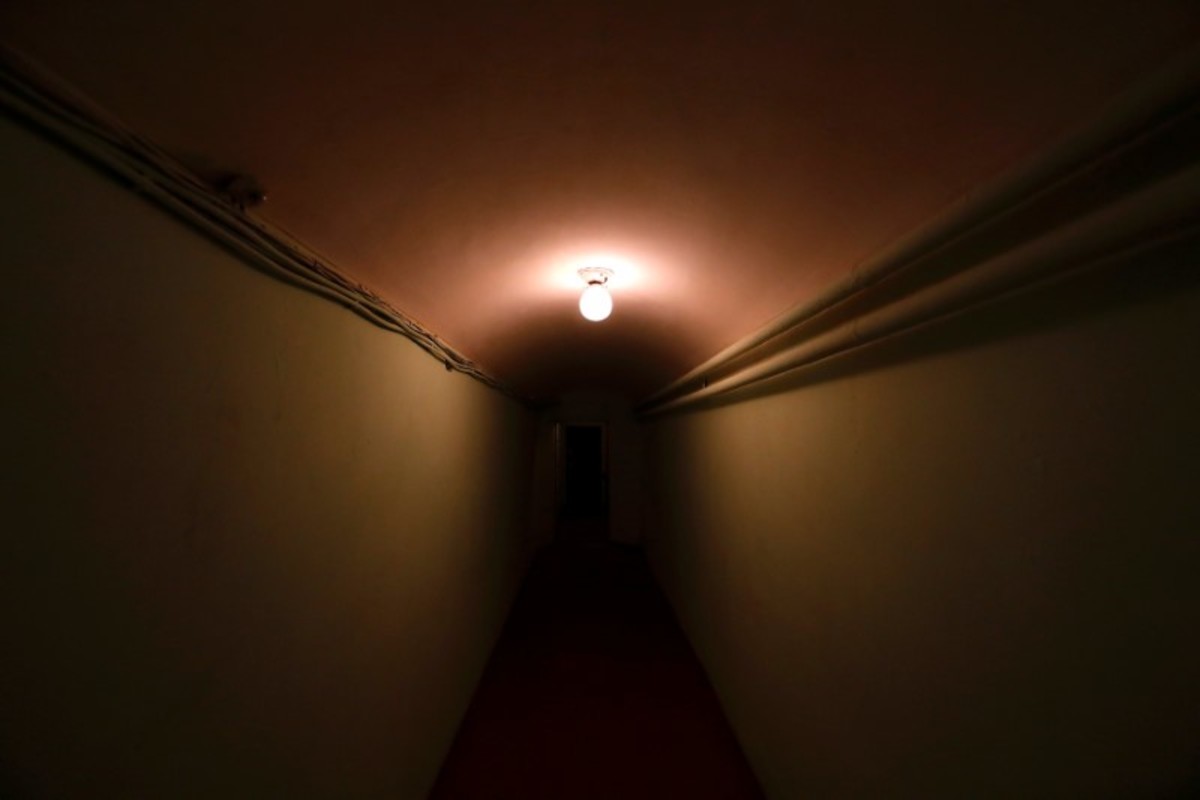
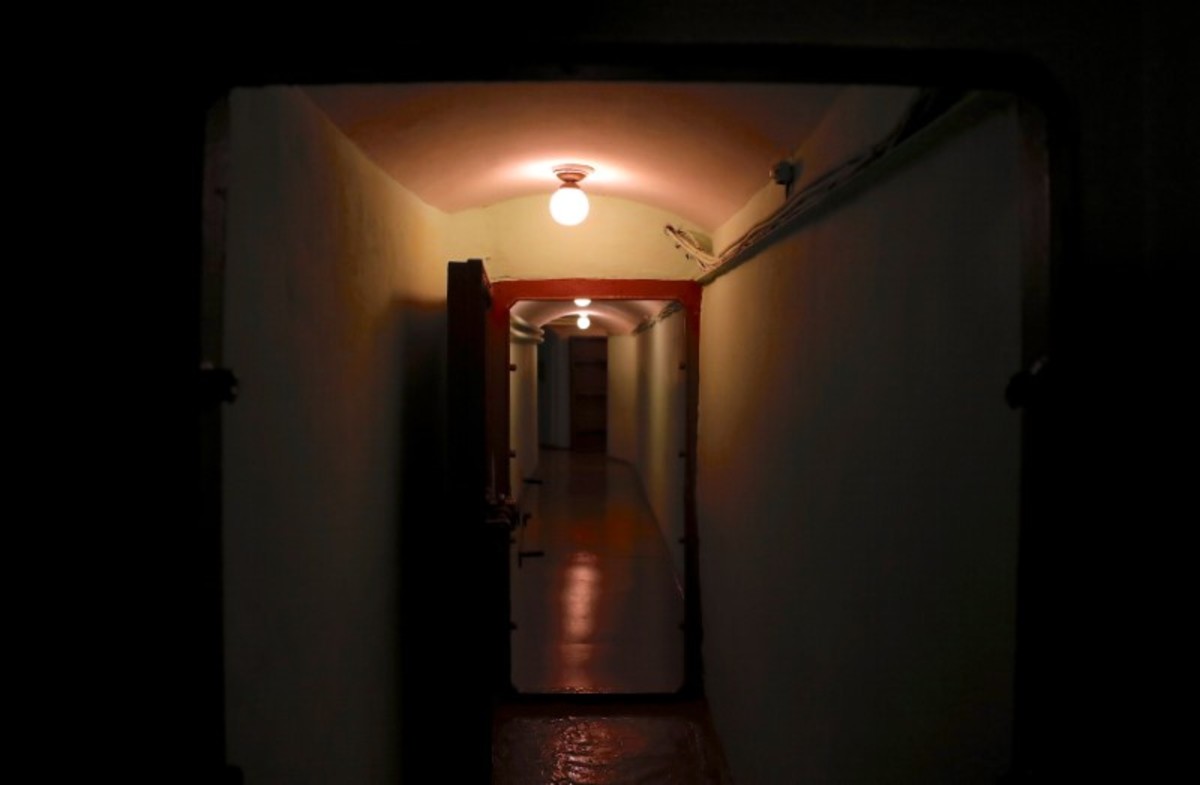
A lamp illuminates a corridor inside Stalin's Bunker, a bunker complex built in 1942 as an alternative headquarters for the Soviet Union leader Joseph Stalin, in Samara, Russia, July 4, 2018. Picture taken July 4, 2018. REUTERS/David Gray
(Reporting by Elena Glydenkerne; Writing by Jack Tarrant; Editing by Andrew Heavens)
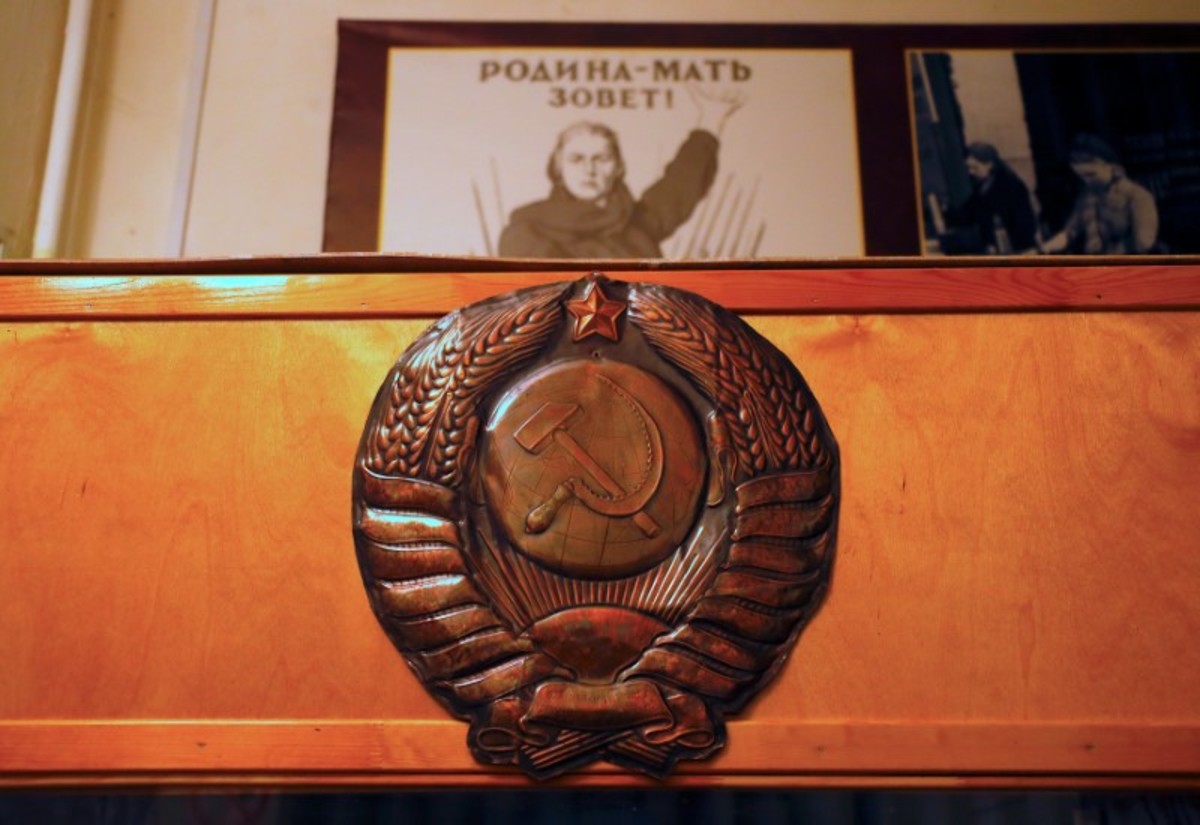
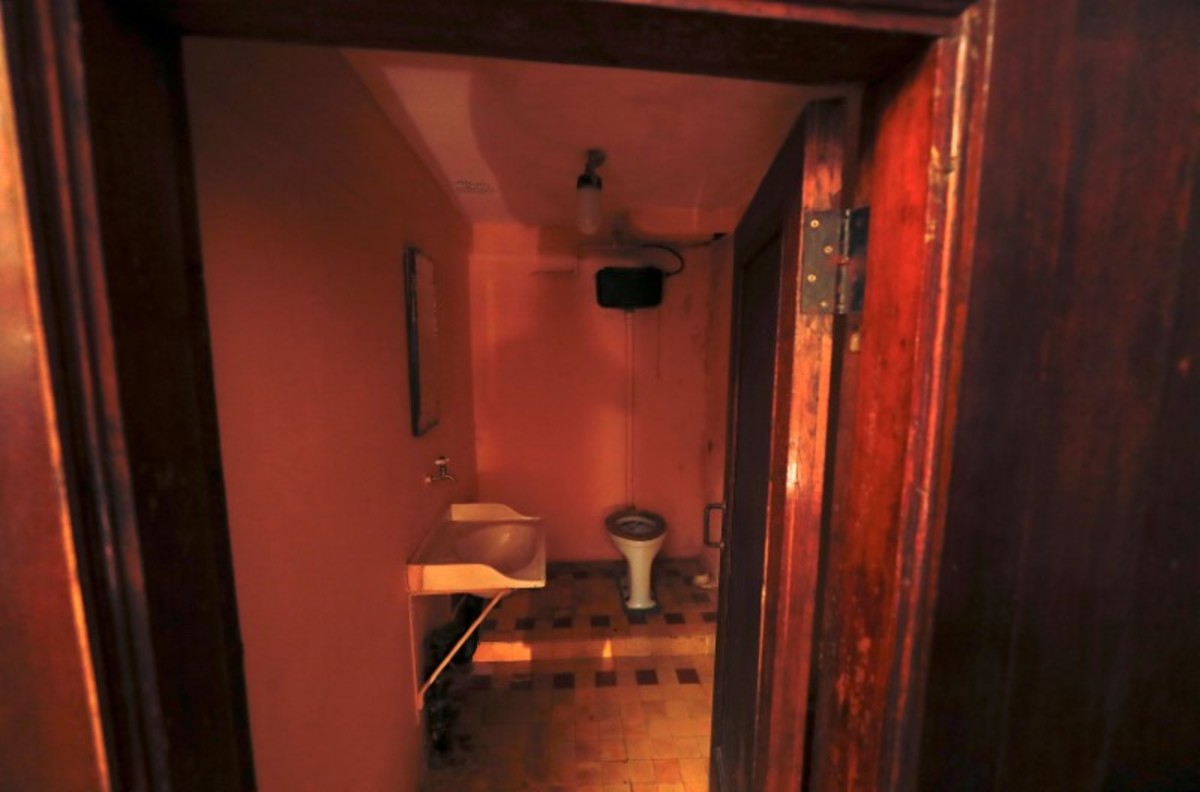
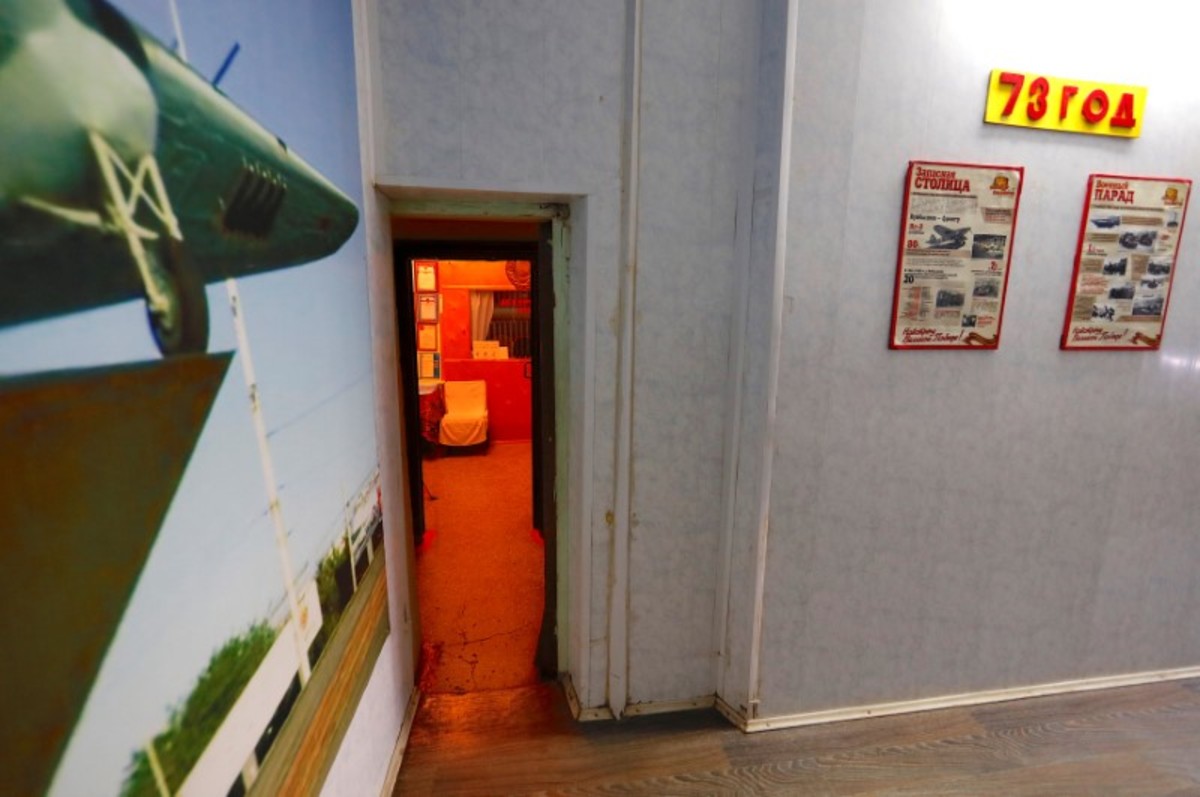
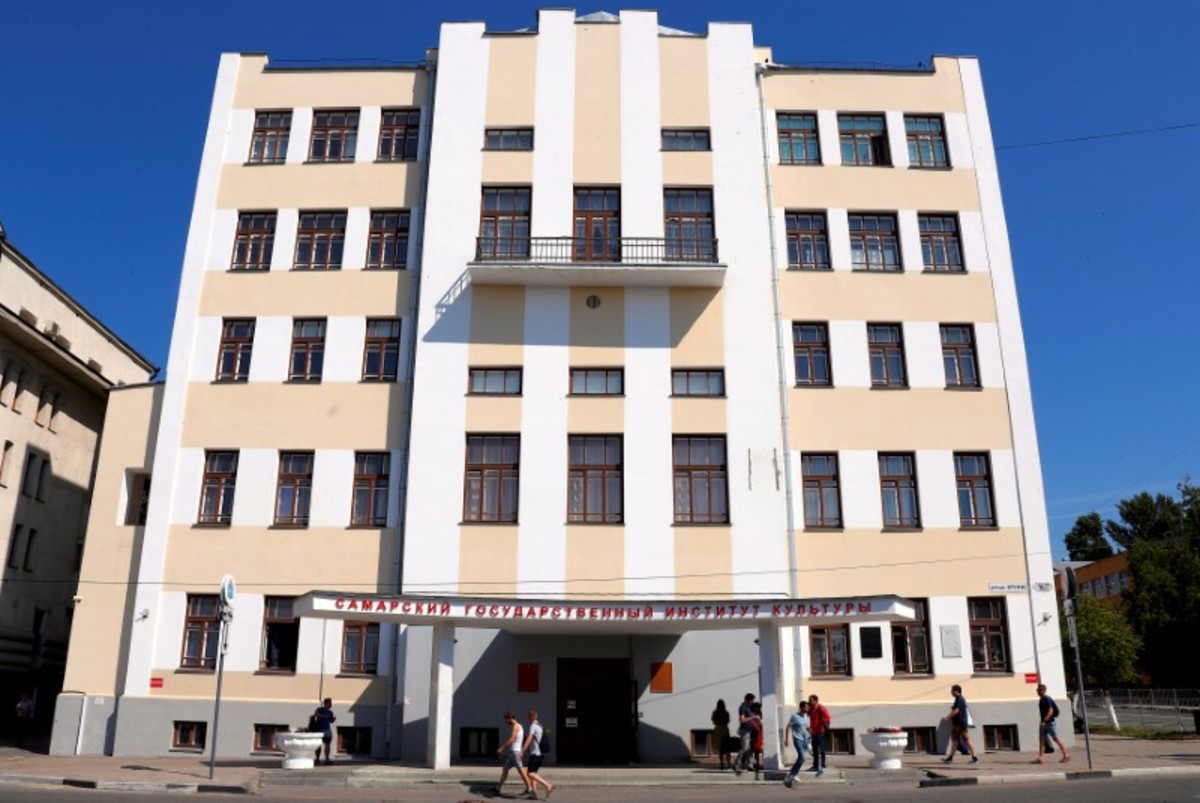
A stairway leading into Stalin's Bunker, a bunker complex built in 1942 as an alternative headquarters for the Soviet Union leader Joseph Stalin, is seen in Samara, Russia, July 4, 2018. Picture taken July 4, 2018. REUTERS/David GrayA lamp illuminates a corridor inside Stalin's Bunker, a bunker complex built in 1942 as an alternative headquarters for the Soviet Union leader Joseph Stalin, in Samara, Russia, July 4, 2018. Picture taken July 4, 2018. REUTERS/David GrayPosters and symbols decorate the walls of Stalin's Bunker, a bunker complex built in 1942 as an alternative headquarters for the Soviet Union leader Joseph Stalin, in Samara, Russia, July 4, 2018. Picture taken July 4, 2018. REUTERS/David GrayA toilet in a bathroom is seen inside Stalin's Bunker, a bunker complex built in 1942 as an alternative headquarters for the Soviet Union leader Joseph Stalin, in Samara, Russia, July 4, 2018. Picture taken July 4, 2018. REUTERS/David GrayA lamp sits next to a telephone on a desk inside Stalin's Bunker, a bunker complex built in 1942 as an alternative headquarters for the Soviet Union leader Joseph Stalin, in Samara, Russia, July 4, 2018. Picture taken July 4, 2018. REUTERS/David GrayTourists stand near the stairway leading into Stalin's Bunker, a bunker complex built in 1942 as an alternative headquarters for the Soviet Union leader Joseph Stalin, in Samara, Russia, July 4, 2018. Picture taken July 4, 2018. REUTERS/David GrayA small door leads into Stalin's Bunker, a bunker complex built in 1942 as an alternative headquarters for the Soviet Union leader Joseph Stalin, in Samara, Russia, July 4, 2018. Picture taken July 4, 2018. REUTERS/David GrayA meeting room with a map hanging on a wall is seen inside Stalin's Bunker, a bunker complex built in 1942 as an alternative headquarters for the Soviet Union leader Joseph Stalin, in Samara, Russia, July 4, 2018. Picture taken July 4, 2018. REUTERS/David GrayA tourist, visiting Russia during the Soccer World Cup, poses for a photograph dressed in a Russian military costume outside the entrance to Stalin's Bunker, a bunker complex built in 1942 as an alternative headquarters for the Soviet Union leader Joseph Stalin, in Samara, Russia, July 4, 2018. Picture taken July 4, 2018. REUTERS/David GrayA lamp illuminates a corridor inside Stalin's Bunker, a bunker complex built in 1942 as an alternative headquarters for the Soviet Union leader Joseph Stalin, in Samara, Russia, July 4, 2018. Picture taken July 4, 2018. REUTERS/David GrayA tourist guide watches as tourists walk into the entrance of Stalin's Bunker, a bunker complex built in 1942 as an alternative headquarters for the Soviet Union leader Joseph Stalin, in Samara, Russia, July 4, 2018. Picture taken July 4, 2018. REUTERS/David GrayPeople walk past the building that stands above Stalin's Bunker, a bunker complex built in 1942 as an alternative headquarters for the Soviet Union leader Joseph Stalin, in Samara, Russia, July 4, 2018. Picture taken July 4, 2018. REUTERS/David GrayA meeting room with a large map hanging on a wall is seen inside Stalin's Bunker, a bunker complex built in 1942 as an alternative headquarters for the Soviet Union leader Joseph Stalin, in Samara, Russia, July 4, 2018. Picture taken July 4, 2018. REUTERS/David Gray
Sign up to read this article
Read news from 100's of titles, curated specifically for you.