Get all your news in one place.
100’s of premium titles.
One app.
Start reading
The Guardian - UK
The Guardian - UK
World
Mark Tran

World Aids Day: 25 years of campaigning – in pictures

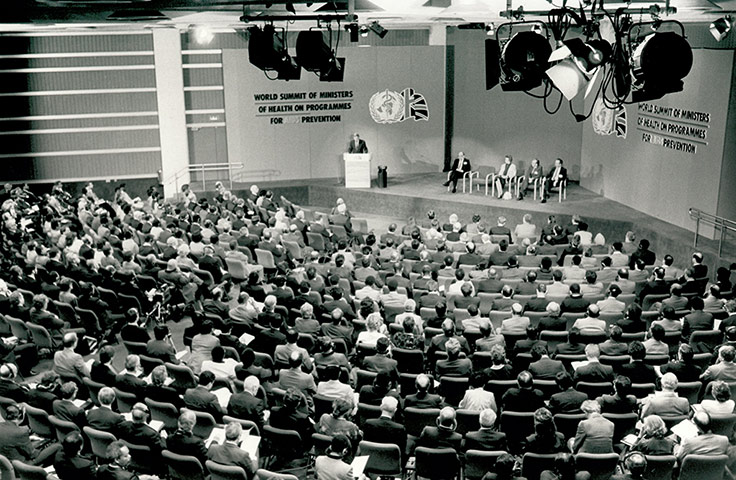
World Summit of Ministers of Health on programmes for Aids prevention
Health ministers from around the world hold a summit on programmes for Aids prevention in London in 1988. The London Declaration on Aids emphasised education, free exchange of information and experience, and the need to protect human rights and dignity. The World Health Organisation (WHO) said it would promote Aids awareness each year on 1 December
Photograph: Martin Argles/The Guardian
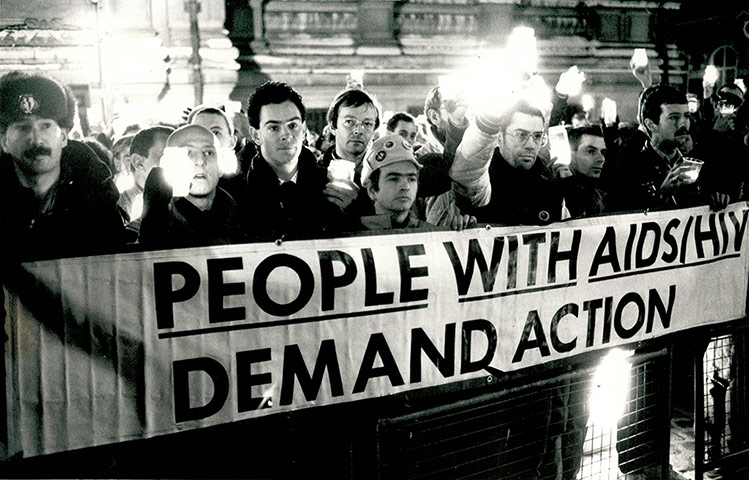
Insurance companies dealing with question of Aids, 24 January 1988
By the late 1980s, groups such as Act Up in the US are taking to the streets to demand more research into new drugs that would be available quickly and at affordable prices
Photograph: Martin Argles/The Guardian
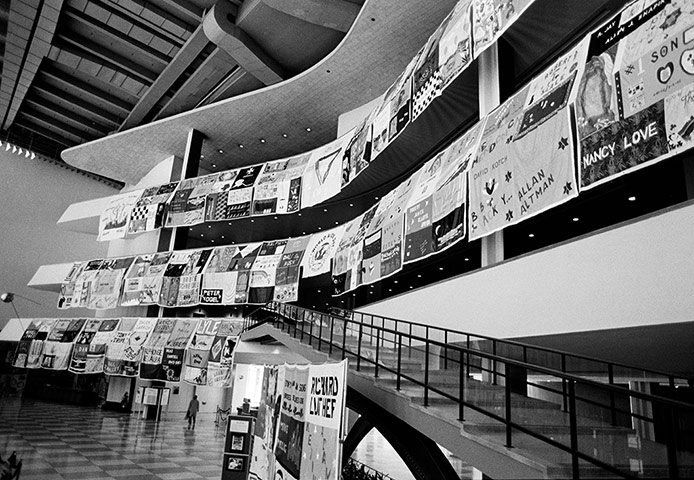
World AIDS Day: International Exhibition Commemorating World Aids Day Opens at UN
In November 1988, an exhibition commemorating World Aids Day opened at the UN headquarters in New York. It featured quilts representing the names of more than 10,000 people who had died of Aids Photograph: UN Photo/x/UN Photo
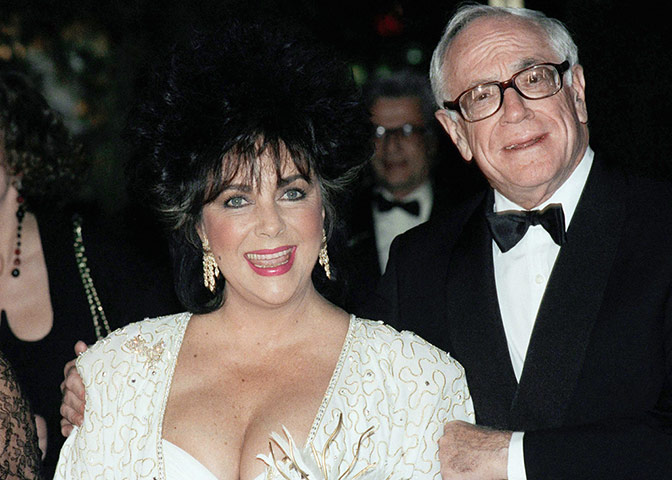
World AIDS Day: Actress Elizabeth Taylor
Hollywood actor Elizabeth Taylor and her friend, publisher Malcolm Forbes, attend a dinner at the World Financial Centre in New York in 1989. After the death of her friend and co-star Rock Hudson in 1985, Taylor helped establish the Foundation for Aids Research, amfAR, which went on to raise millions of dollars for research grants Photograph: Frankie Ziths/AP
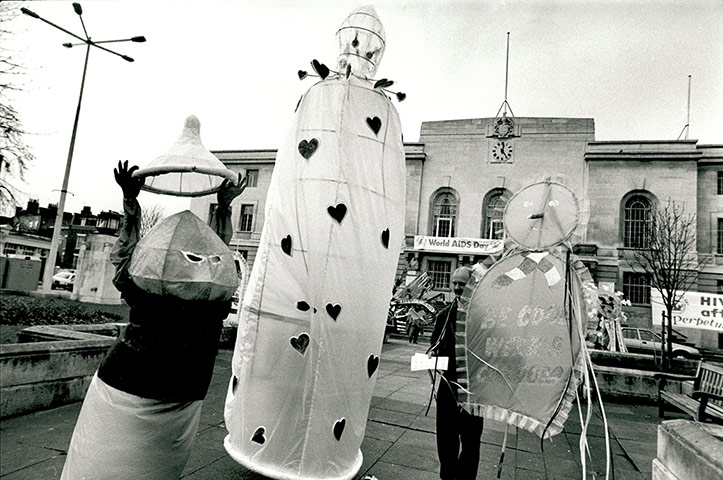
World AIDS day: Put a condom on it
A campaign to 'put a condom on' in London in 1990. Condoms have helped to reduce HIV infection. Thailand's efforts to promote the use of condoms for sex workers and their clients dramatically reduced HIV infections in these communities. Brazil's early and vigorous condom promotion among the general population and vulnerable groups successfully contributed to sustained control of the HIV epidemic. Increased condom use is also believed to be a factor in the decline in HIV infection reported in Zimbabwe between 2003 and 2005
Photograph: Warren Powell/The Guardian
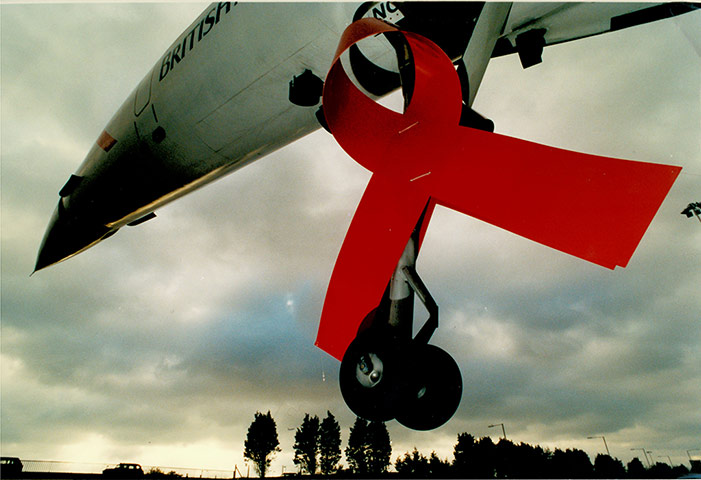
Red Ribbon on Concorde at Heathrow  27 November 1996
In 1991, a group of 12 artists gathered in New York's East Village to discuss a new project for Visual Aids; an arts organisation that raises awareness of HIV. After a short discussion, they came up with one of the most recognised symbols of the decade: the red ribbon, which is worn to signify awareness and support for people living with HIV
Photograph: Martin Godwin/The Guardian
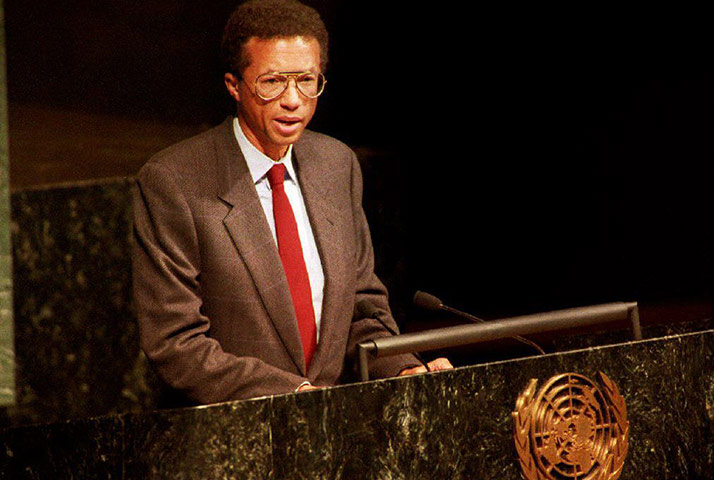
World AIDS Day: Former tennis player Arthur Ashe address
Former tennis player Arthur Ashe addresses a WHO meeting on World Aids Day in 1992. Ashe had revealed to the world in an emotional press conference in April that year that he had contracted HIV, apparently from a blood transfusion, and that he had known about his condition for more than three years. The former Wimbledon and US Open champion died less than a year later Photograph: HAI DO/AFP/Getty Images
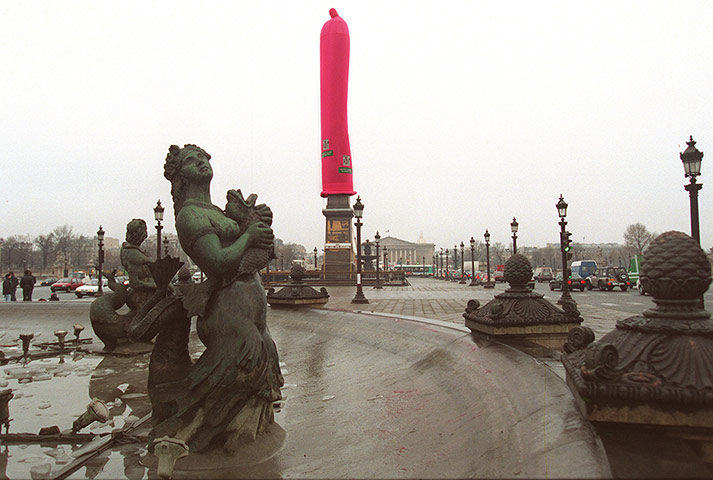
World AIDS Day: A general view of a giant pink condom placed over
A giant pink condom placed over the obelisk at Place de la Concorde, Paris, in December 1993 by French campaigners linked to Act Up and Italian clothes maker Benetton, to mark World Aids Day Photograph: Gerard Julien/AFP/Getty Images
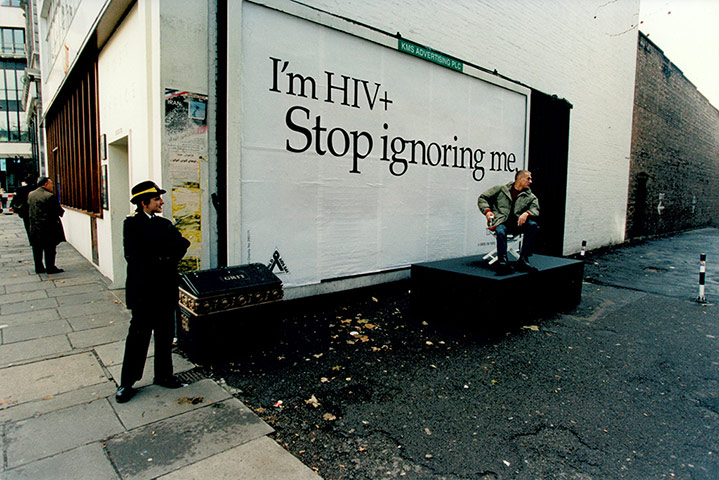
World AIDS day: I'm HIV stop ignoring me
A campaign in the UK in 1995. In Britain around 100,000 people are living with HIV now. Globally, the number of people living with HIV has reached an estimated 35 million. Between 1981 and 2007, more than 25 million people died from the virus, making it one of the most destructive pandemics in history. There are laws to protect people living with HIV, but stigma and discrimination remain a reality for many with the virus
Photograph: Sean Smith/The Guardian
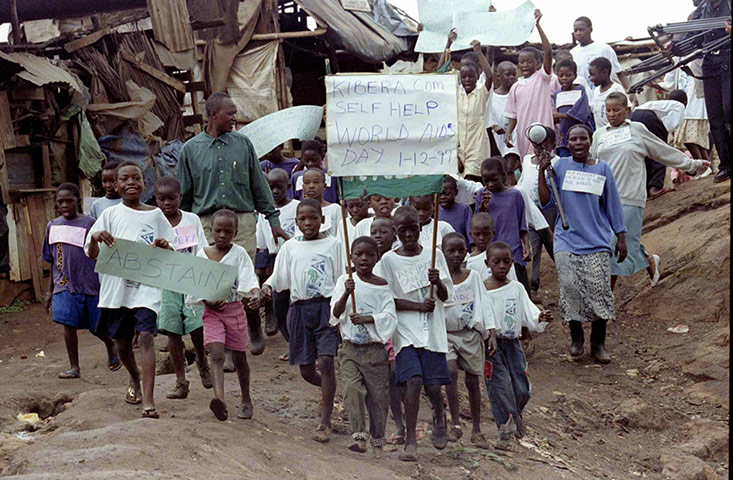
World AIDS Day: ORPHANED CHILDREN TAKE PART IN WORLD AIDS DAY COMMEMORATION
A group of orphans, including many who are HIV-positive, march through Kibera, one of Nairobi's biggest slums, on World Aids Day in 1997. Sub-Saharan Africa is the region in the world most affected by HIV; 69% of all people living with HIV live in sub-Saharan Africa Photograph: Reuters
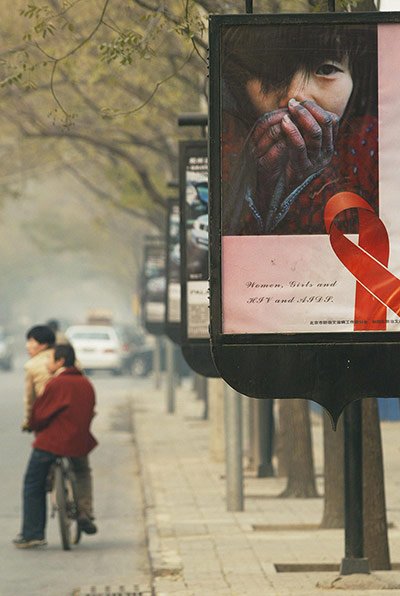
World AIDS Day: CHINA-AIDS-POSTER-CYCLE
A couple cycle past a poster to promote Aids awareness before World Aids Day in Beijing in 2004. This year's campaigns are focused on the dramatic spread of Aids and HIV among women with statistics showing that, of the 39.4 million people with Aids or HIV around the world, 47% are female, an increase of six percentage points since 1997, according to UN estimates. Photograph: Peter Parks/AFP/Getty Images
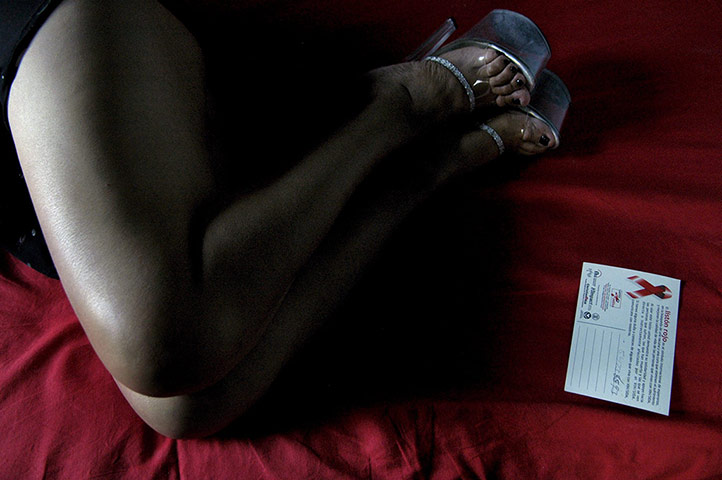
World AIDS day: GUATEMALA WORLD AIDS DAY
A Guatemalan prostitute waits for clients in her room, a day before the commemoration of the Word Aids Day in 2006. Prostitution is one of the main risk factors for the transmission of the disease, while unprotected sex between men accounts for 12% of reported Aids cases. The number of people living with HIV in Guatemala is estimated to be around 58,000 Photograph: Ulises Rodriguez/EPA
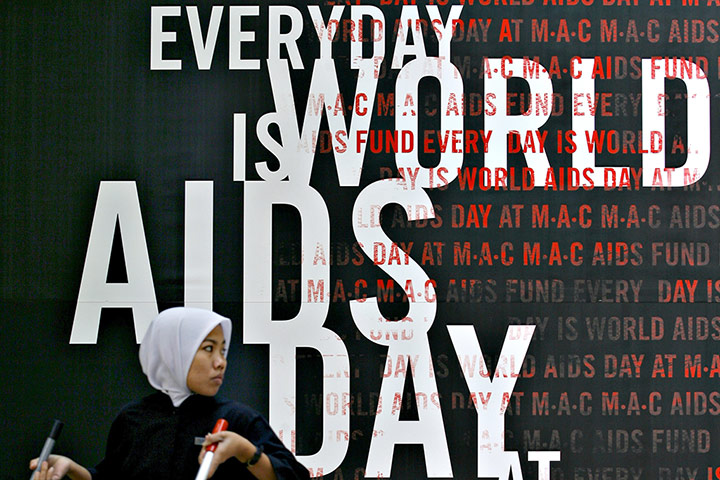
World AIDS day
A woman walks past a World Aids Day awareness billboard in central Kuala Lumpur, Malaysia, on 1 December 2006. At the time, WHO was calling on Asian leaders to make a greater effort in the fight against HIV and Aids as the number of people with the virus kept growing. In 2006, an estimated 8.6 million people in the region were living with HIV, WHO said, including 960,000 who had been infected the previous year
Photograph: Tengku Bahar/AFP/Getty Images
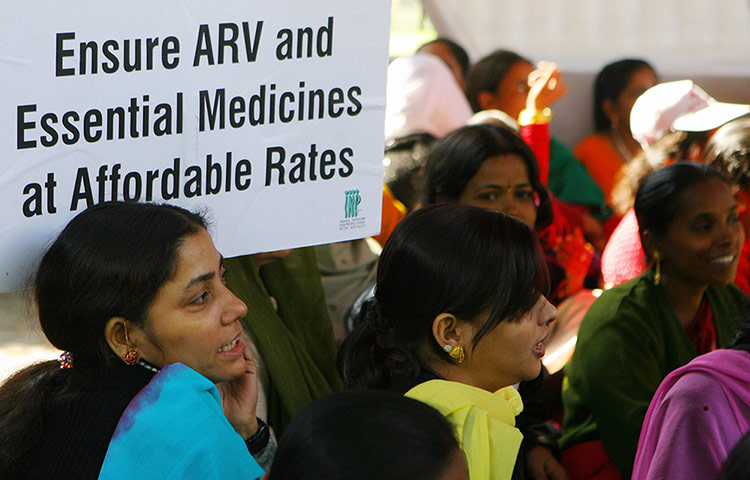
World AIDS Day Delhi: Indian people living with HIV/AIDS from
In November 2006, Indian people living with HIV from around the country protest at the start of a three-day demonstration to demand that the government provides new Aids drugs (second-line treatment) to those who need it Photograph: Raveendran/AFP/Getty Images
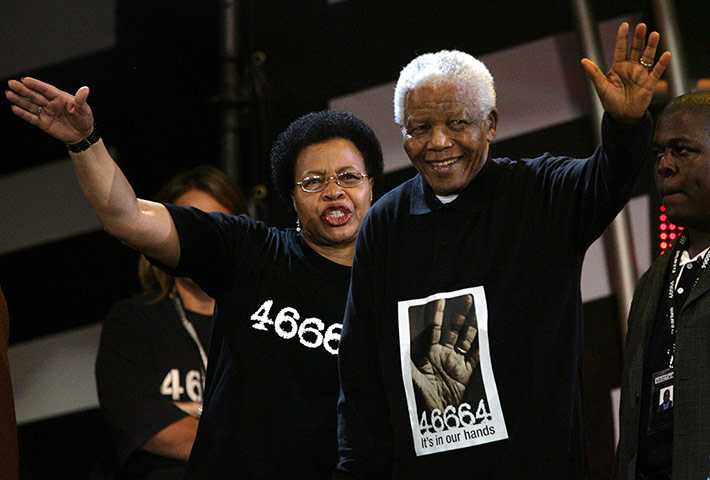
World AIDS day: Former South African President Nelson Mandela
Nelson Mandela waves to the crowd during the 46664 (from Mandela's prison number) Aids charity concert at Ellispark stadium in Johannesburg on 1 December 2007. Mandela criticised his successor, Thabo Mbeki, for questioning the link between HIV and Aids Photograph: Siphiwe Sibeko/REUTERS
Sign up to read this article
Read news from 100’s of titles, curated specifically for you.
Already a member? Sign in here
Related Stories
Top stories on inkl right now
One subscription that gives you access to news from hundreds of sites
Already a member? Sign in here
Our Picks
Fourteen days free
Download the app
One app. One membership.
100+ trusted global sources.