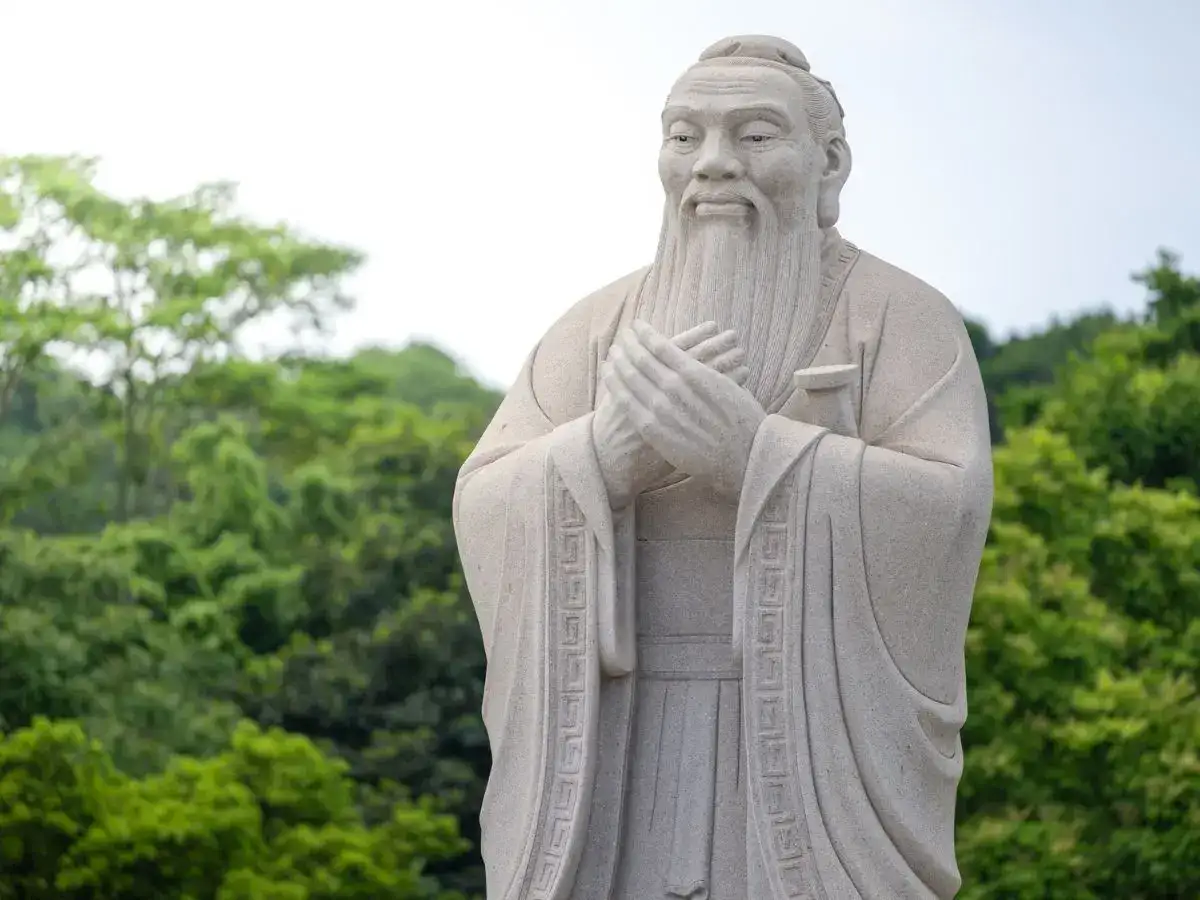
Words of Wisdom by Confucius "By Three Methods We May Learn Wisdom: First, by Reflection, Which Is Noblest; Second, by Imitation, Which Is Easiest; and Third by Experience, Which Is the Bitterest" shows Wisdom is one of the most valuable qualities a person can possess. It enables individuals to make sound decisions, solve problems, and lead meaningful lives. Chinese philosopher Confucius' profound statement explains the different ways through which human beings gain knowledge and understanding. It highlights that wisdom can be acquired through thoughtful reflection, learning from others, and personal experience. Each method has its own value, and together they contribute to human growth and development.
The first method mentioned by Confucius is reflection, which he describes as the noblest way to learn wisdom. Reflection involves careful thought and self-examination. It means analyzing our actions, experiences, and decisions to understand their consequences. Through reflection, people become aware of their strengths and weaknesses and gain deeper insights into life.
Confucius Quote of the Day Meaning
Reflection is considered noble because it requires intellectual effort and honesty. A reflective person does not simply act without thinking but takes time to evaluate situations carefully. Such individuals learn from their successes and mistakes alike. For example, students who reflect on their study habits can identify areas for improvement and achieve better results. Similarly, leaders who reflect on their decisions become wiser and more effective in guiding others.
Reflection also promotes self-awareness and personal growth. By examining our thoughts and behaviors, we can develop better values, improve our relationships, and make wiser choices. Great philosophers, scientists, and leaders throughout history have relied on reflection to deepen their understanding of the world. Thus, reflection remains one of the most powerful tools for acquiring wisdom.
The second method of learning wisdom is imitation, which Confucius describes as the easiest. Imitation means learning by observing and following the examples of others. From childhood, human beings naturally imitate those around them. Children learn language, manners, and social behavior by observing parents, teachers, and peers. In this way, imitation plays a vital role in education and development.
Learning through imitation is easier because it allows people to benefit from the knowledge and experiences of others without facing every challenge themselves. Students learn from teachers, apprentices learn from skilled professionals, and athletes learn from experienced coaches. By observing successful individuals, people can adopt positive habits and avoid common mistakes.
However, imitation requires careful judgment. Not every example is worth following. People must choose role models wisely and imitate virtues such as honesty, kindness, discipline, and perseverance. Blind imitation without critical thinking can lead to poor decisions. Therefore, while imitation is an easy way to gain wisdom, it should be combined with reflection and understanding.
The third method of learning wisdom is experience, which Confucius calls the bitterest. Experience refers to the lessons gained through direct involvement in life’s events. People learn through successes, failures, hardships, and challenges. Experience often leaves a lasting impression because it involves personal emotions and consequences.
Experience is described as bitter because it can involve pain, disappointment, or hardship. Mistakes may lead to failure, and poor decisions can have serious consequences. However, these difficult experiences often provide valuable lessons that cannot be learned through books or advice alone. A person who has faced adversity often develops resilience, patience, and maturity.
For example, an entrepreneur who experiences business failure learns important lessons about planning and decision-making. A student who performs poorly on an examination gains insight into the importance of preparation. These experiences may be painful at the time, but they contribute significantly to personal growth. Experience teaches lessons that are deeply remembered because they are earned through real-life challenges.
Although experience is the bitterest teacher, it is often the most effective. People tend to remember lessons learned through direct experience more vividly than those gained in other ways. However, relying solely on experience may be costly because mistakes can sometimes have serious consequences. Therefore, it is wise to learn from reflection and imitation whenever possible to avoid unnecessary suffering.
Confucius Quote
Confucius’s quote suggests that all three methods of learning wisdom are important and complementary. Reflection allows us to think deeply and understand ourselves. Imitation enables us to benefit from the experiences of others. Experience provides firsthand knowledge that strengthens character and understanding. A wise person uses all three methods to continue learning throughout life.
In modern society, the relevance of Confucius’s wisdom remains strong. In an age of rapid technological advancement and abundant information, people have more opportunities than ever to learn from books, mentors, and personal experiences. However, true wisdom requires more than access to information. It requires thoughtful reflection, careful observation, and meaningful experience.
Education systems also reflect these three methods of learning. Schools encourage students to reflect through critical thinking, imitate through guided instruction, and learn through practical activities and experiences. Together, these approaches create well-rounded individuals capable of making informed decisions and contributing positively to society.