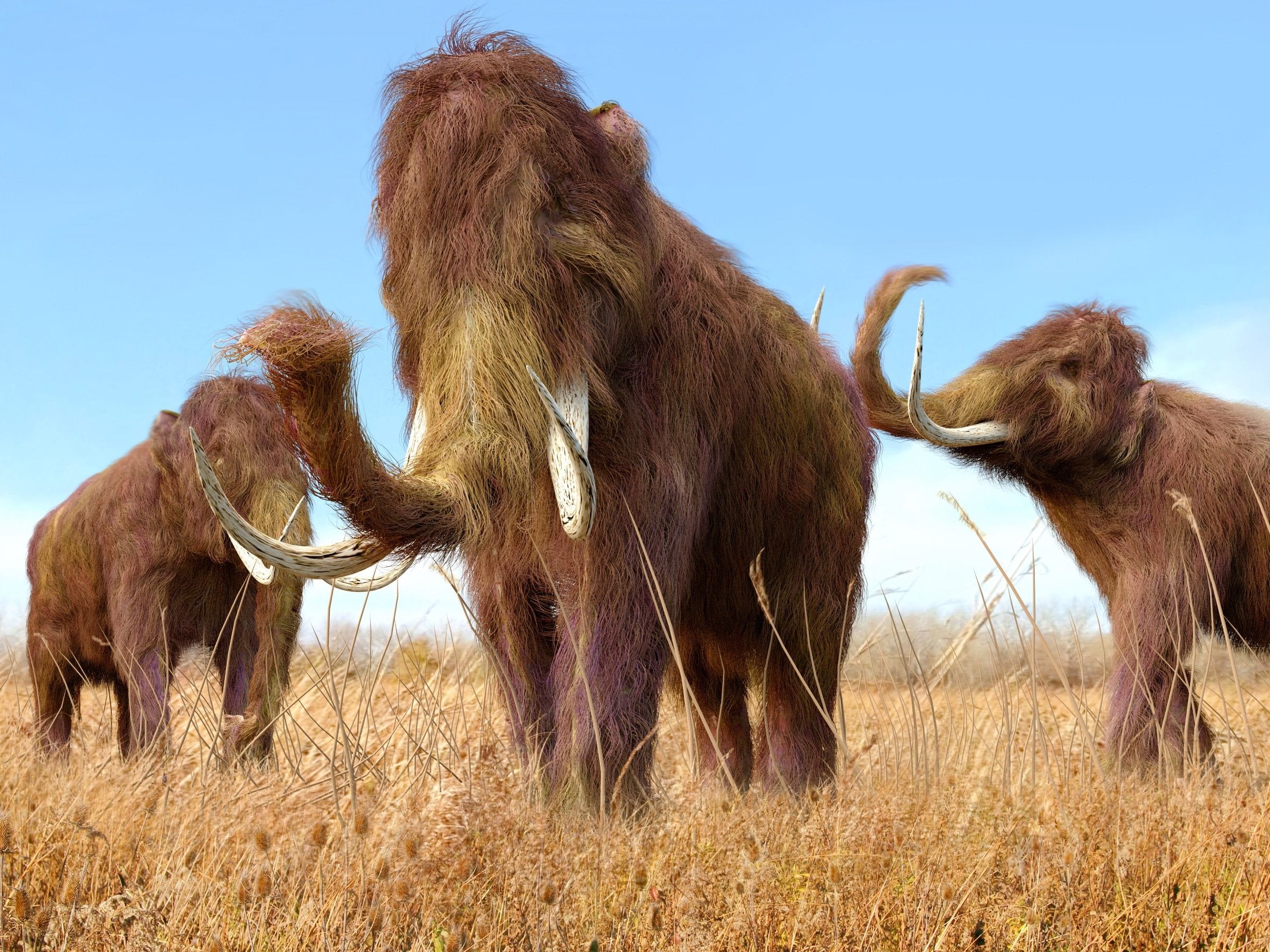
The last woolly mammoth populations died out just over 4,000 years ago, but the prehistoric giants could soon be back and plodding about just like they were during the ice age.
Scientists in Japan claim to have taken a “significant step” towards bringing the extinct species back to life, after they transplanted cells extracted from the carcass of a mammoth into a mouse, where they subsequently recorded positive biological activity.
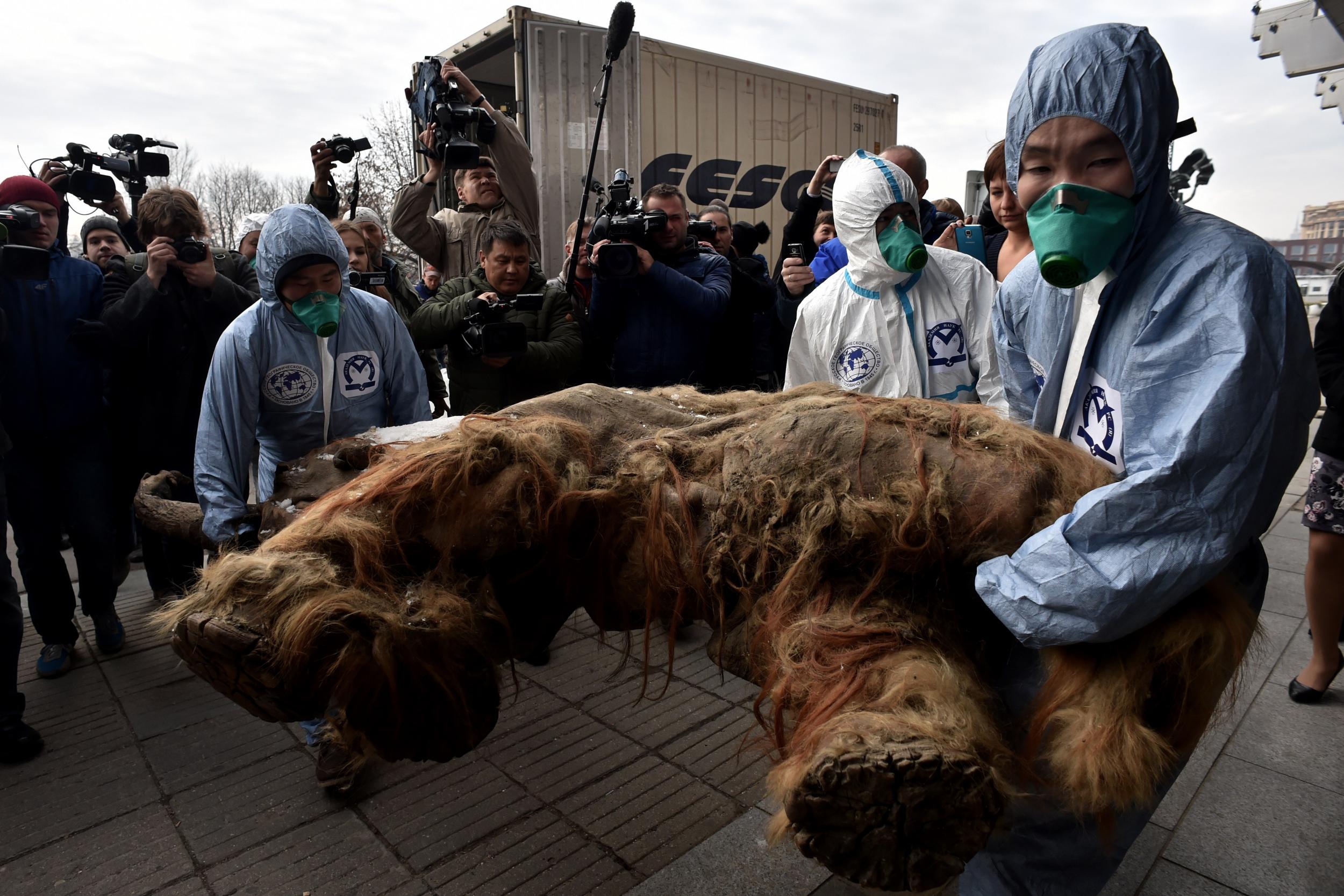
The cells were taken from the 28,000-year-old mummified remains of a woolly mammoth, named Yuka, found in Siberian permafrost in 2010. The animal, which died when it was about seven-years-old, is one of the best preserved mammoths known to science.
The team extracted tissue samples from the animal’s bone marrow and muscle, which they described as “well preserved”.
They then began searching for cell nuclei remains. In total, 88 nucleus-like structures were collected from the muscle sample.
The structures were then injected into mouse oocytes – a cell in an ovary which can undergo genetic division to form an egg cell.
The team said following the procedure a “pronucleus-like structure budded from the injected … mammoth nucleus”.
They also found possible signs of repair to damaged mammoth DNA.
“These results indicate that a part of mammoth nuclei possesses the potential for nuclear reconstitution,” the scientists said, in a paper published in the journal Nature.
Despite the successes, the scientists did not observe the further cell division necessary to create a viable egg, “possibly due to the extensive DNA damage in the transferred nuclei”.
This marks a “significant step toward bringing mammoths back from the dead”, researcher Kei Miyamoto, one of the study’s authors told Japan’s Nikkei news outlet.
“We want to move our study forward to the stage of cell division,” he added, but acknowledged “we still have a long way to go”.
Most mammoth populations died out between 14,000 and 10,000 years ago. The last mainland population existed in the Kyttyk peninsula of Siberia until 9,650 years ago.
But the species survived for another 5,000 years on Siberian islands, which became cut off from the mainland by retreating ice following the last ice age.
The last known population remained on Wrangel Island in the Arctic Ocean until 4,000 years ago – well beyond the dawn of human civilisation, but finally becoming extinct around the time of the construction of the pyramids of Giza in Egypt.
There is no scientific consensus on the chief cause for the creatures’ demise, but climate change significantly reduced habitable parts of the globe for mammoths, and they were also hunted by humans.