It has been a rough week for stricken payday loan company Wonga.
First came the news that it was lining up potential administrators as it buckles under the weight of legacy loan claims. And now the business has stopped offering new loans.
Its difficulties have prompted delighted jokes about tiny violins on Twitter as well as some genuine concern that more borrowers could be forced into the clutches of loan sharks if a major provider of legitimate credit goes under.
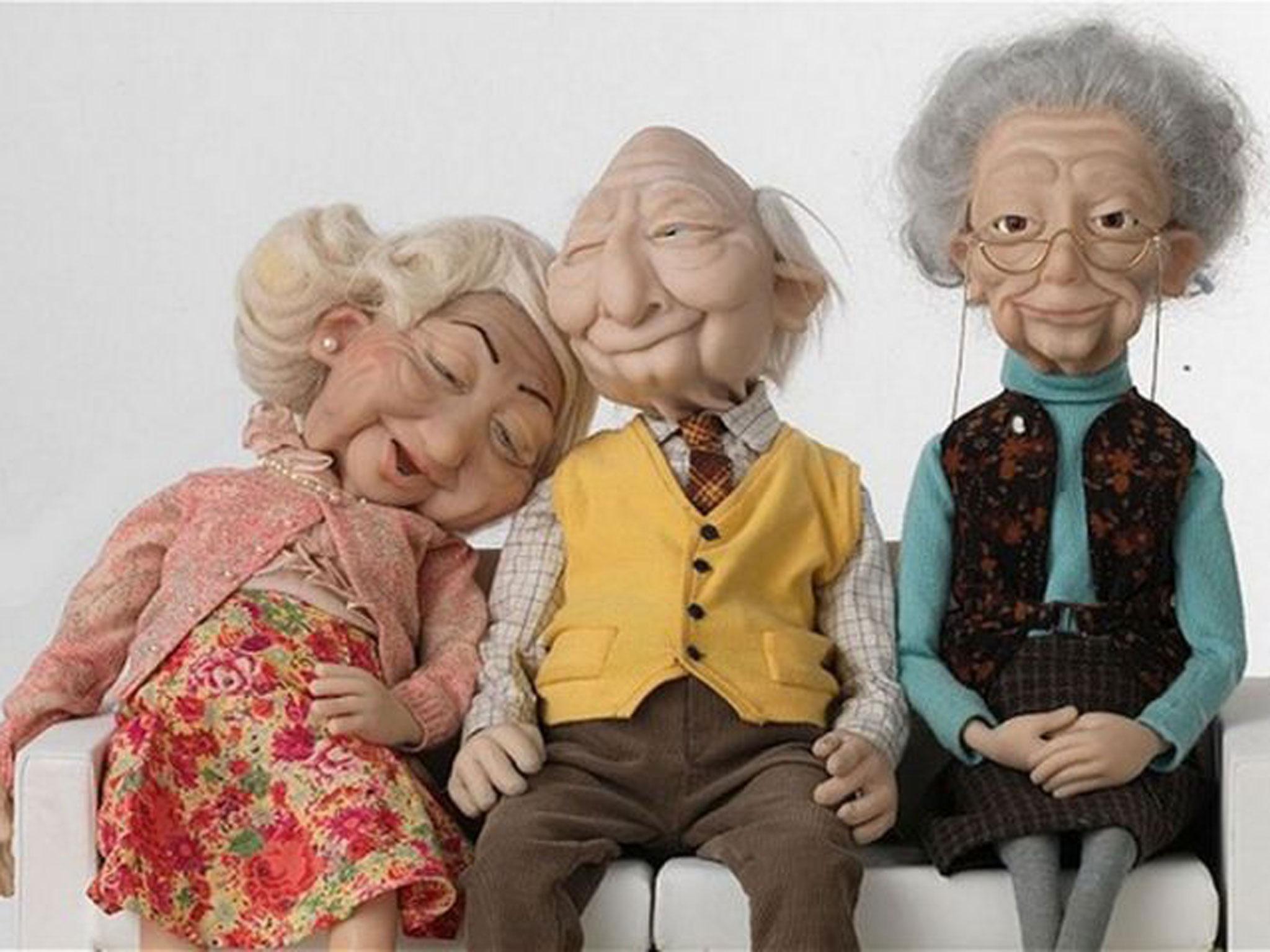
For those repaying debts to the company there’s another question: what will happen to their loans if the famously puppet-fronted firm does collapse?
With market conditions leading to major shifts on our high streets and within financial services, it’s an important question for anyone holding credit or repaying debt to a company.
What happens when a loan business goes bust?
If Wonga’s woes do sink it then that doesn’t mean its debtors will be able to walk away from their repayments.
The firm’s administrators would take over the running of the company, although that does not mean they would make new loans. The existing loan book would then be sold on to new creditor and borrowers would have the same responsibility to repay them.
That may sound worrying; we’re all familiar with stories of debts being sold onto businesses that use aggressive tactics and send collectors around to pressure people into making repayments faster.
However, there’s actually a lot of protection for borrowers in these circumstances.
The charity StepChange says that borrowers rights cannot be changed just because a debt has been sold on. The buyer has to follow the same rules as the original creditor, so if borrowers keep making their repayments on time then nothing will change except the name of the company they repay.
So Wonga customers are unlikely to notice a difference and are protected from any changes to terms and conditions.
Wonga can sell its loan book if it goes under but other companies are allowed to sell on People who are in arrears, whether for loans or bills, may find that the way their debts are chased changes if their debt is sold on but that doesn’t mean that their rights have been changed.
Debts in arrears are often sold onto businesses that specialise in chasing overdue repayments, meaning that the demand for payment scales up accordingly. These businesses buy a book of overdue debt for less than its face value and then chase the debt – making a profit if they succeed in securing full repayment.
However, they can’t increase interest rates or add charges to a debt unless that was agreed in the original credit agreement. And it isn’t in their interests to drive a borrower into insolvency, so it’s usually possible to make new arrangements to pay with them.
So, rights don’t change and if Wonga went under then customers would simply begin making repayments to a new creditor.
However, anyone who runs up arrears, whether on a loan or for services such as household bills, may find their debts are sold onto debt purchasers. And while their rights wouldn’t change, the efficiency with which their debt is pursued might.
What happens if I’m in credit and a business goes bust?
For debtors, the amount they owe a business is one of its assets that can be sold. For creditors, it’s slightly different.
With banks, building societies or credit unions there’s a good level of protection in place. If one of those went bust the Financial Services Compensation Scheme provides protection up to a maximum of £85,000.
For joint accounts the protection available doubles. For savers with even greater sums stashed, they can share their money across more than one banking group to get the same protection on every account – although that’s only if they share your money across more than one banking group, not brand. Some groups own several brands so it’s important to check.
But what about those people who are in credit with a company? Perhaps they’ve paid for an order that hasn’t been delivered or they keep a balance on their account and make occasional purchases, such as with a wine club.
In those situations, it can be much harder to get back what’s owed and there are no guarantees. The first step is to submit a claim to the administrator outlining what money is owed and what for, the consumer champion Which? warns that if creditors don’t act they won’t get a penny back.
Another option may be to make a claim against the card provider used. Customers who made a purchase or even part of the purchase using a credit card can demand their card provider reimburse them.
Which? explains: “For example, if you ordered a new sofa from a furniture store, paid a £500 deposit with your credit card and then paid the balance of £1,000 by cheque, you’d be covered for the whole £1,500 if the company went out of business and you didn’t receive your sofa.”
If a customer made the full payment using a debit card then they need to act fast when the company they paid goes bust. If they act within 120 days they may be able to claim their money back through chargeback, although this isn’t enshrined in law and so rights can vary.
A very common form of credit leftover when a company goes bust are gift vouchers. It’s common for these to be refused as soon as a business goes into administration, even if its stores remain open.
Gift voucher holders may not feel like creditors but they are, and that means they have to get in line with other creditors such as the Inland Revenue, landlords and loan companies – and they will not be prioritised.
What if I’m a lender?
It’s increasingly common for savers to become lenders themselves using a peer-to-peer lending platform. This can muddy the water because it feels like a savings account but it isn’t – meaning that bad debts risk sinking an investment, with no protection scheme to call on.
Many peer-to-peer platforms offer contingency funds that may pay out if a borrower defaults but there are no hard and fast rules as it varies from website to website. That means it’s vital would-be lenders check what protection is available before they commit their cash.