Reproductive coercive control is where a woman’s decisions about contraception and pregnancy are interfered with. The concept was first described in 2010. We wanted to update the evidence to 2017 and widen the range of control activities to include family pressure and criminal behaviour, such as sex trafficking. We found that up to one in four women at sexual health clinics report coercion over their reproductive lives.
For our narrative review, we searched relevant databases of medical and social sciences research, looking at women’s experiences of interference with their reproductive autonomy. We included only heterosexual relationships where women were controlled and excluded government control of women by laws and regulations. We wanted to concentrate on interpersonal aspects of the subject.
Most of the relevant studies were from the US, with a few from Asia and Africa. There was a notable lack of studies from Europe.
How men control women’s reproductive lives
Women being coerced are often put under pressure to get pregnant. Men sometimes use emotional blackmail, saying things like: “You would have my baby if you loved me”. But the behaviour can be more extreme, such as threatening to starve their partner, threatening to take her children away from her or even harming her. It can also include rape.
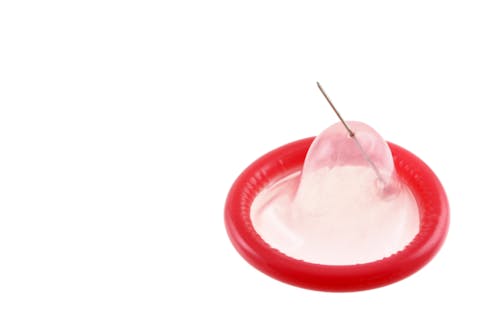
Control may include trying to dissuade a partner from using contraception, showing a lack of effort to use condoms or stopping their partner ordering more of her contraceptive. More extreme contraceptive sabotage includes puncturing condoms, throwing away contraceptives, secretly removing a condom during sex (a practice known as “stealthing”), and ripping off contraceptive skin patches and pulling out vaginal rings or intrauterine devices.
Healthcare professionals usually suspect reproductive control when they see certain patterns of behaviour in the patient, such as not using contraception (despite not wanting to become pregnant), repeatedly asking for emergency contraception, constantly asking for pregnancy testing or sexually transmitted infection testing or asking for more than one abortion.

How some women respond
Women’s responses to reproductive control include, at the extremes, giving in to the controlling man or ending the relationship. But the man may retaliate with increased control or violence in response to being rejected.
Some women manage the situation by getting a hidden form of contraception, such as injectable contraceptives (which are truly invisible), implants (which cannot be seen but can be felt just below the skin), intrauterine devices (threads can be cut short so they cannot be felt), or by being sterilised (this leaves small abdominal scars but they tend to fade over time).
A woman who tries to have an unwanted pregnancy terminated may be thwarted by the man. On the other hand, usually as part of violent abuse, women may be forced into terminating a pregnancy. Occasionally, men have spiked a woman’s food or drink with abortion-inducing drugs. In the few known cases where this has been reported, the man has received a prison sentence.
Given the many negative consequences of reproductive control – including unwanted pregnancies and unwanted abortions – we urgently need more studies on this subject, especially from Europe. We also need a better understanding of why men engage in this behaviour and how women can resist it.

Sam Rowlands does not work for, consult, own shares in or receive funding from any company or organisation that would benefit from this article, and has disclosed no relevant affiliations beyond their academic appointment.
This article was originally published on The Conversation. Read the original article.