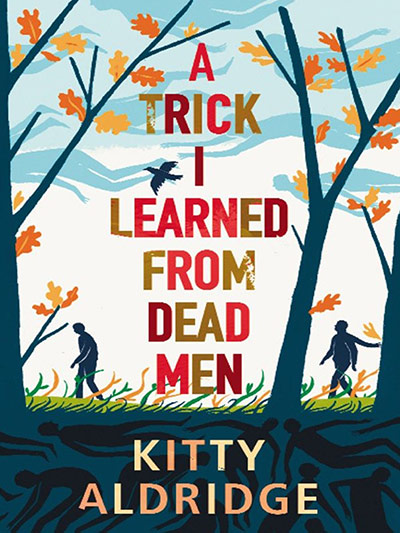
The hero of Aldridge’s third novel works in a funeral home, where black humour is the order of the day. It’s a 'wonderfully funny, original' book about loss and bereavement, said the Guardian’s review. 'Aldridge builds scenes around the parts other novelists leave out – conversations about work, cups of tea, the weather. And yet somehow these small things make us more aware of the importance of these moments.' Photograph: PR
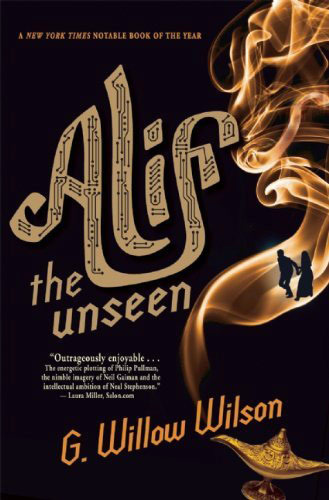
This spectacular, unorthodox debut mixes 'Islamic theology, the hacking underworld, Philip Pullman's His Dark Materials, spy thrillers and the events of the Arab spring to weave an urban fantasy in which the everyday and the supernatural collide,' wrote Rachel Aspden in her Observer review. The longlist’s wildcard, and one to watch. Photograph: PR
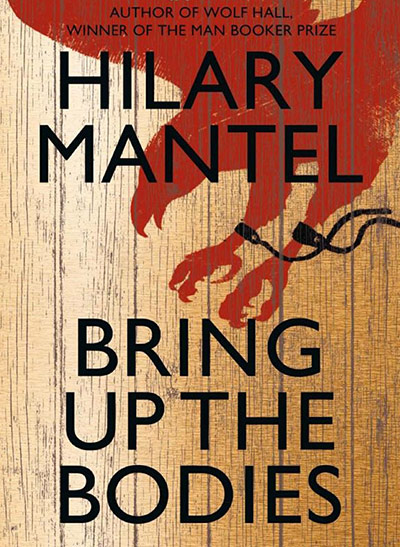
Could she really do it again? The second volume of Mantel’s all-conquering trilogy about Thomas Cromwell and Henry VIII’s court goes up for yet another prize. 'Oh, those Tudors! We can't get enough of them,' wrote Margaret Atwood in her Guardian review, and the last 12 months have certainly proved her right. Photograph: PR
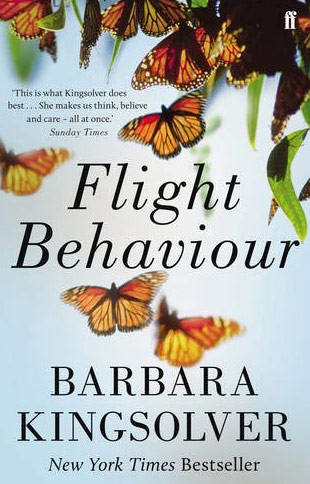
Kingsolver has already won (what was) the Orange prize for Lacuna in 2010. In her eighth novel, she tackles climate change, when a young woman discovers that the unexpected arrival of a huge flock of monarch butterflies is a signpost on the road to environmental hell. 'Urgent issues demand important art,' wrote Liz Jensen in the Guardian. 'Flight Behaviour rises – with conscience and majesty – to the occasion of its time.' Photograph: PR
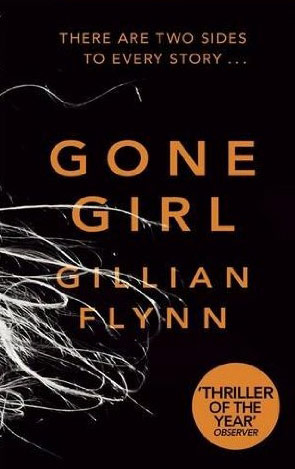
This ingenious, elegantly written American thriller about a toxic marriage, a wife’s disappearance and the ultimate revenge is already a global bestseller. It offers literary pleasures and heart-thumping suspense in equal measure. Photograph: PR
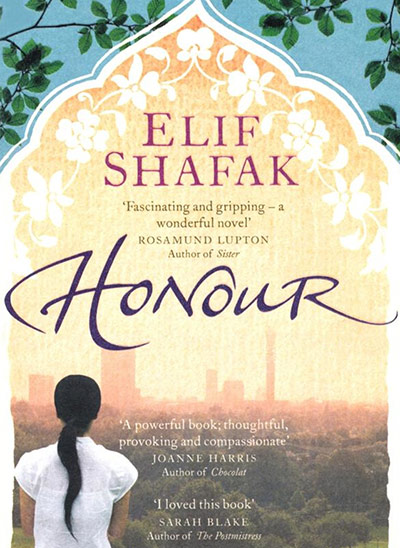
Shafak is a bestseller in her native Turkey; this tale of a Turkish family who have moved to the UK is both a family history and a fierce examination of male violence. 'Her portrayal of Muslim cultures, both traditional and globalising, is as hopeful as it is politically sophisticated,' wrote Maureen Freely in her Guardian review. 'This alone should gain her the world audience she has long deserved.' Photograph: PR
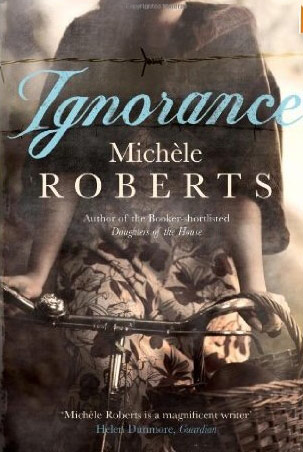
Set in a French convent school around the second world war, Roberts’s 13th novel is a sensuous, poetic examination of society’s willingness to turn its eyes from horror, whether nazism or child abuse. She is 'a magnificent writer of the body,' wrote Helen Dunmore in her Guardian review. 'Few novelists can match her sense of what it is to live in the flesh, chillblained in winter, sweating, desirous, enchanted by a drop of orange liqueur, disgusted but ravenous in the face of a bowl of greasy wartime cabbage soup.' Photograph: PR
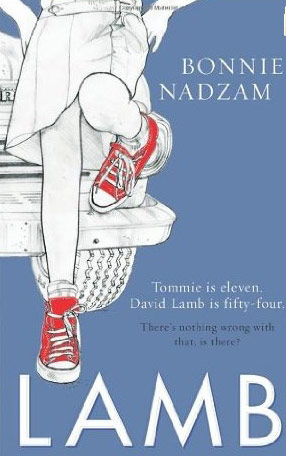
This dark, lyrical debut about the relationship between a jaded fiftysomething and an 11-year-old girl is, said the Guardian review, even more disturbing than Nabokov’s take on the same subject: 'Tommie is no precocious Lolita, but a gap-toothed pre-teen whose very ordinariness is arresting.' It won an American first novel prize. Photograph: PR
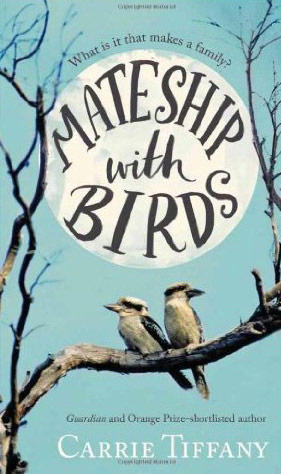
'At once quietly beautiful and briskly sensual,' said the Guardian review of this quirky tale of desire and birdwatching in the Australian bush that takes its name from a book of bird notes written by Australian naturalist Alec Chisholm in 1922. An appealing, eccentric book that deserves more attention. Photograph: PR
Smith’s fourth novel, an episodic tale of ambition and dislocation among modern Londoners, had a mixed critical reaction. 'It is written on an inch of ivory: a universe away from the roaring, schematic books of her male counterparts,' wrote Rachel Cooke in the Observer. 'Her sentences are truly, distractingly ace; she has all of the sass of the young Martin Amis, and none of the swagger.' Photograph: PR
This updating of Edith Wharton’s Age of Innocence, about the pre-marriage wobbles of childhood sweethearts, has already won the Costa first novel prize. 'Part ambiguous morality tale, part guidebook on north London Jewish community culture, it’s hugely enjoyable,' wrote Viv Groskop in the Observer. Photograph: PR
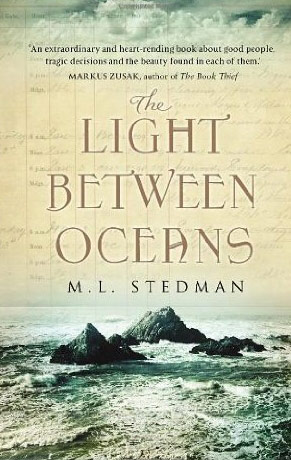
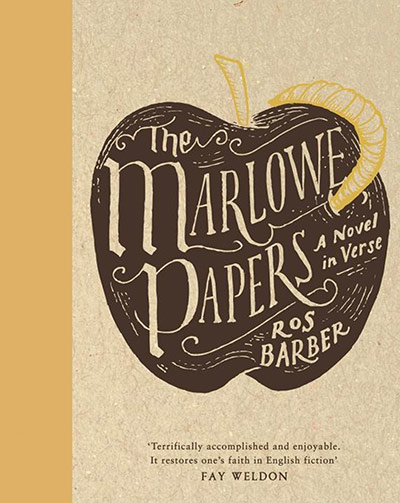
This novel in verse about playwright Christopher Marlowe’s secret life as Shakespeare, acclaimed by Hilary Mantel and Benjamin Zephaniah, is certainly ambitious. The verse keeps the story rolling along, wrote Andrew Motion in the Guardian, but raises questions about plausibility and can lapse into Elizabethan-lite. Photograph: PR
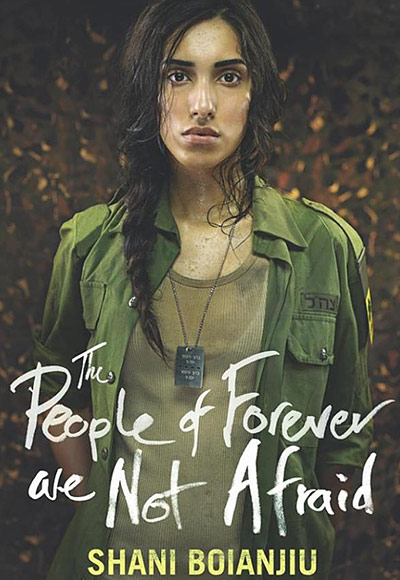
This unflinching debut about female schoolfriends conscripted into the Israeli army on turning 18 exposes the dehumanising effects of war, juxtaposing the terror and boredom of military life with the ordinary trials of being a teenager. Photograph: PR
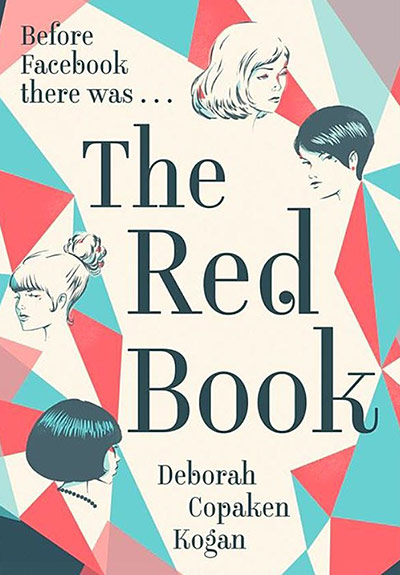
'The Big Chill meets The Group' in this wry, witty novel about Harvard alumni at their 20th-anniversary reunion. We follow four women, once close friends, and discover the truth behind the careful updates of their lives committed to the famous 'Red Book' published in advance of every five-year meet-up.' Photograph: PR
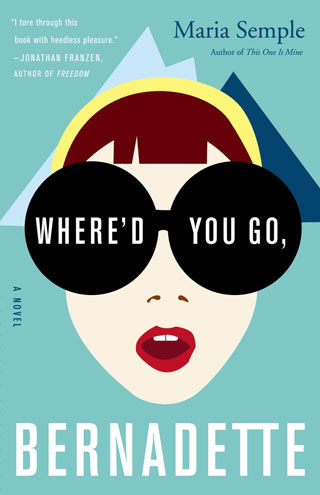
A witty epistolary detective novel spanning Seattle to the South Pole, in which a young girl searches for her brilliant but damaged mother. It’s a mad comic jumble of emails, transcripts, school reports and FBI files; modernity, motherhood and ambition are skewered, but love and sarcasm win the day. Photograph: PR