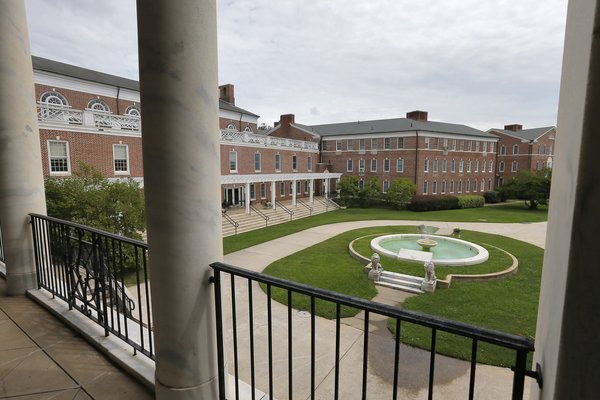
MACON, Ga. _ Like other first-year students corralled in Wesleyan College's auditorium in Macon, Dana Amihere didn't know what to make of the spectacle unfolding on stage.
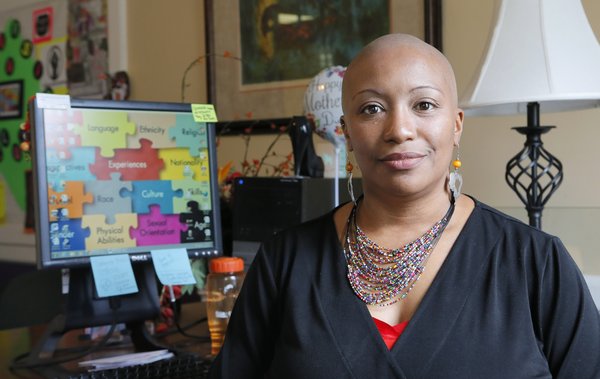
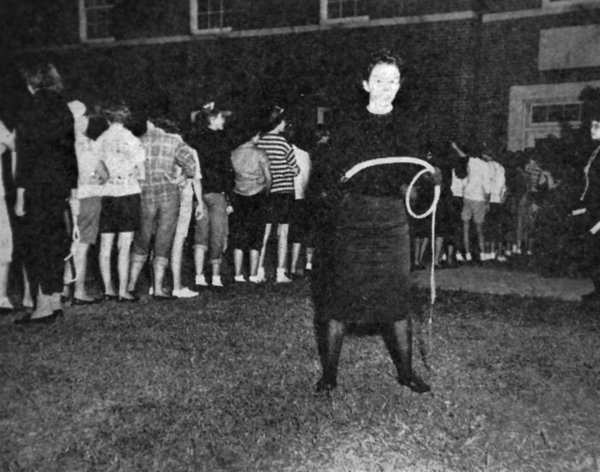
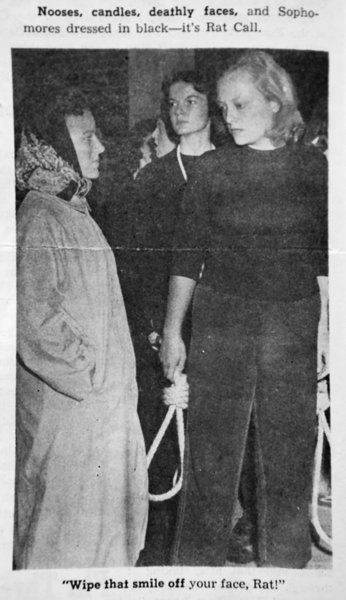
It was fall 2006 and the freshman had been awakened in the dead of night. A group of sophomores stood on stage yelling, screaming and cheering as part of a hazing ritual that seemed part pep rally, part seance, she said. But one feature struck Amihere, an African-American, about the young women on stage tormenting the first-year students: They wore purple, hooded robes.
"They looked just like Klan robes," she said. "It was kind of like bells and whistles going off."
Amihere had no idea at the time how close she was to the truth.
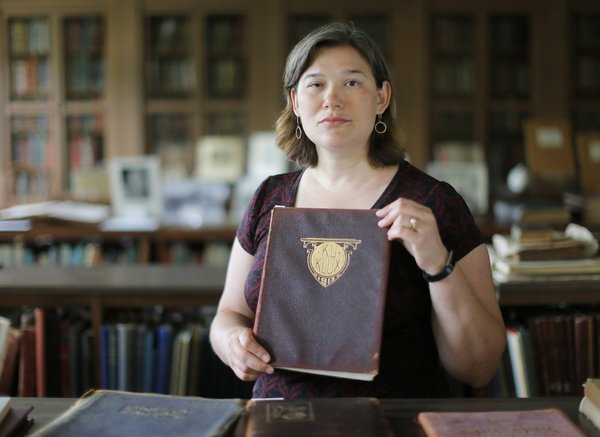
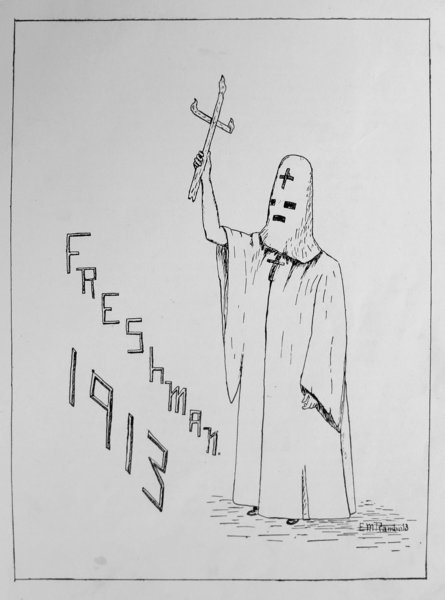
For more than a century, the nation's oldest college chartered for women has had historical links to the Ku Klux Klan that have never been formally acknowledged. Its class names in 1909, 1913 and 1917 were the Ku Klux Klan. The 1913 yearbook is named the "Ku Klux."
A sketch of a masked night rider on horseback galloping under crescent moon graces the title page. The 1910 yearbook contains a prominent sketch of a female figure in white hood and robe holding a burning cross.
The striking images signal the dawn of decades of overt racism at Wesleyan that belies the school's identity today as one of the most diverse small colleges in the country. The school for years identified with the Klan through class names and fomented extreme hazing rituals and traditions that carried forward into the late 20th century, often involving racist symbolism such as nooses, hooded costumes, blackface and figures hung in effigy.
For decades, successive generations of school leaders seemed to downplay the troubling history, but they broke their silence Thursday after The Atlanta Journal-Constitution published its story online. Officials acknowledged the school's Klan history and apologized for the pain that it had caused, according to a statement posted on Wesleyan's website.
"Wesleyan's people were products of a society steeped in racism, classism, and sexism," the statement said. "They did appalling things _ like students treating some African Americans who worked on campus like mascots, or deciding to name one of their classes after the hate-espousing Ku Klux Klan, or developing rituals for initiating new students that today remind us of the Klan's terrorism."
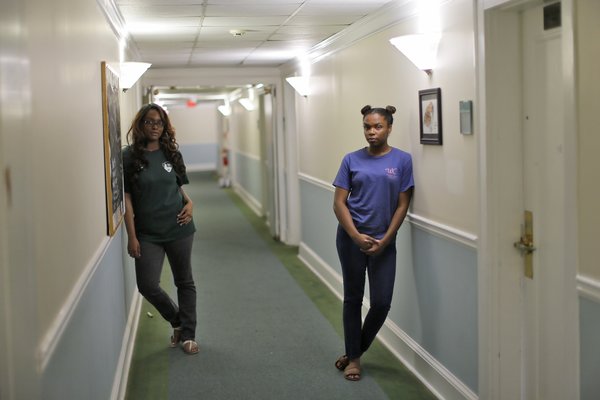
The acknowledgment follows an incident in January where classes were canceled for a day after racist graffiti appeared on dorm walls. Someone wrote the N-word in black marker and targeted an international student with offensive language.
"We probably should have done it 20 years ago but we didn't," said Vivia Fowler, who formally takes the helm as Wesleyan president on July 1 after serving as vice president of academic affairs the past decade. "So we're doing it now. ... We can't ignore what happened in the past."
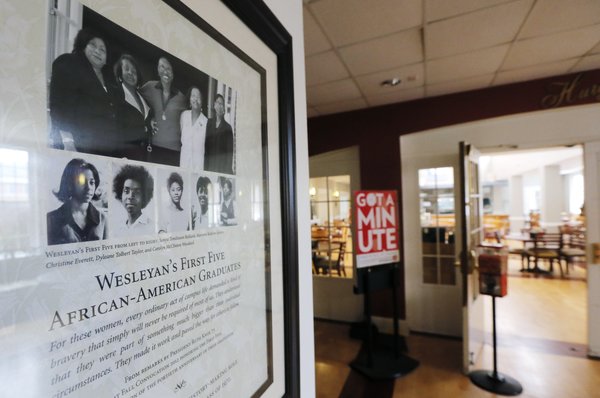
The institutional atonement will include a public statement and a revision of the school's history on its website and other materials _ a project launched in February 2016 by President Ruth Knox, who steps down June 30. The school will also recognize the role African-Americans played on campus dating back to its founding in 1836.
Over the past decade or so, a handful of colleges and universities, including Emory University, have also attempted to reconcile their connections to slavery or historical racism and apologize for it.
For Amihere and others, Wesleyan's acknowledgment should have come years ago.
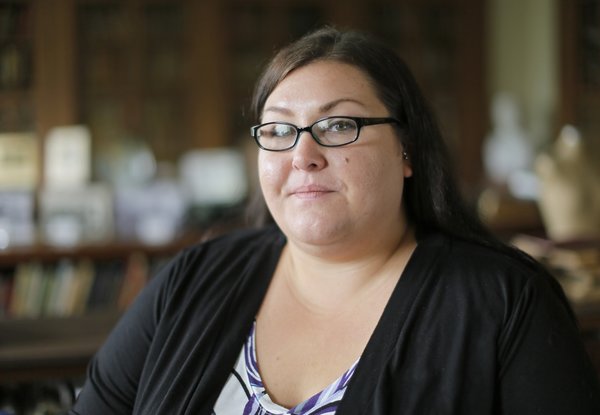
"This is something that's been known for decades," she said. "The administration has scratched at the surface of acknowledging racism before. I commend the efforts being made now, but I think that they're long overdue."
Knox, who has been Wesleyan's president for 15 years, said it's a fair criticism of the school for not acting sooner.
"It's not that we've been hiding anything," Knox said. "We haven't known exactly what that history involves and it became crystal clear that we needed to do that and so that's what we did."
Knox has commissioned a Wesleyan professor to write a history of race on campus and the school is digitizing its yearbooks and other archival materials for the web. Fowler and Wesleyan's leaders will decide whether to issue a formal apology once the commissioned history is complete.
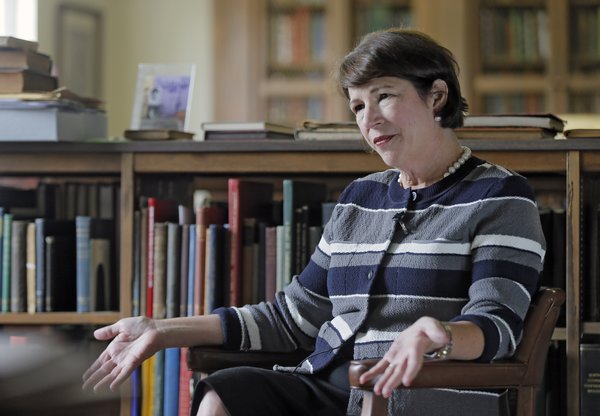
Professor Karen Huber is conducting the study and provided a partial timeline of her findings to the Atlanta Journal-Constitution.
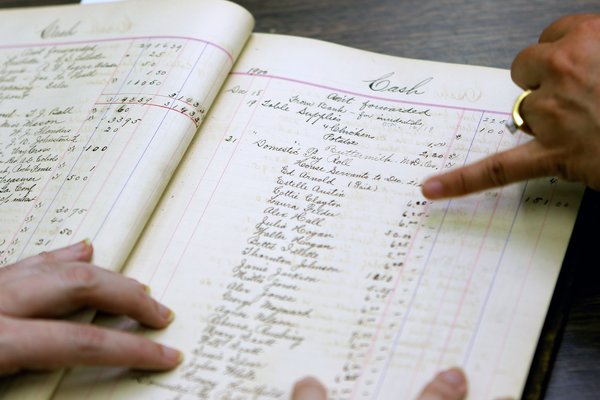
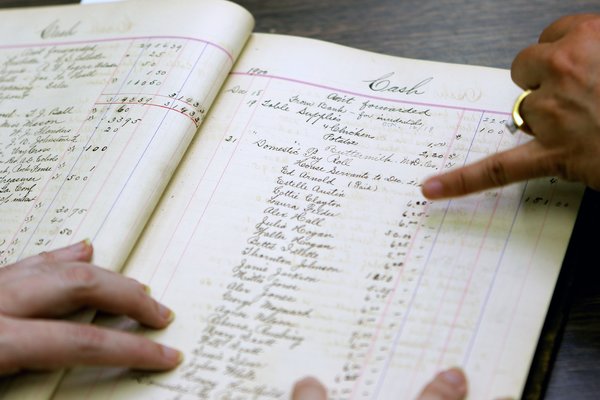
In addition to outlining the Klan ties, the research will identify the school's founding president as a slaveholder and defender of the pro-slavery Methodist movement in the South. It also outlines the school's use of low-paid, African-American domestic laborers on campus well into the 20th century.
"I think that it's important for us to acknowledge that this history exists," said Huber.