A woman who claimed to be Madeleine McCann has been found guilty of harassing the missing girl’s parents.
Julia Wandelt, 24, turned up at the home of Kate and Gerry McCann and sent sinister letters and messages repeatedly begging for a DNA test.
The 24-year-old Polish national, who now faces deportation, gasped and put her hands to her face when jurors returned a guilty verdict for harassment on Friday, but was acquitted of stalking.
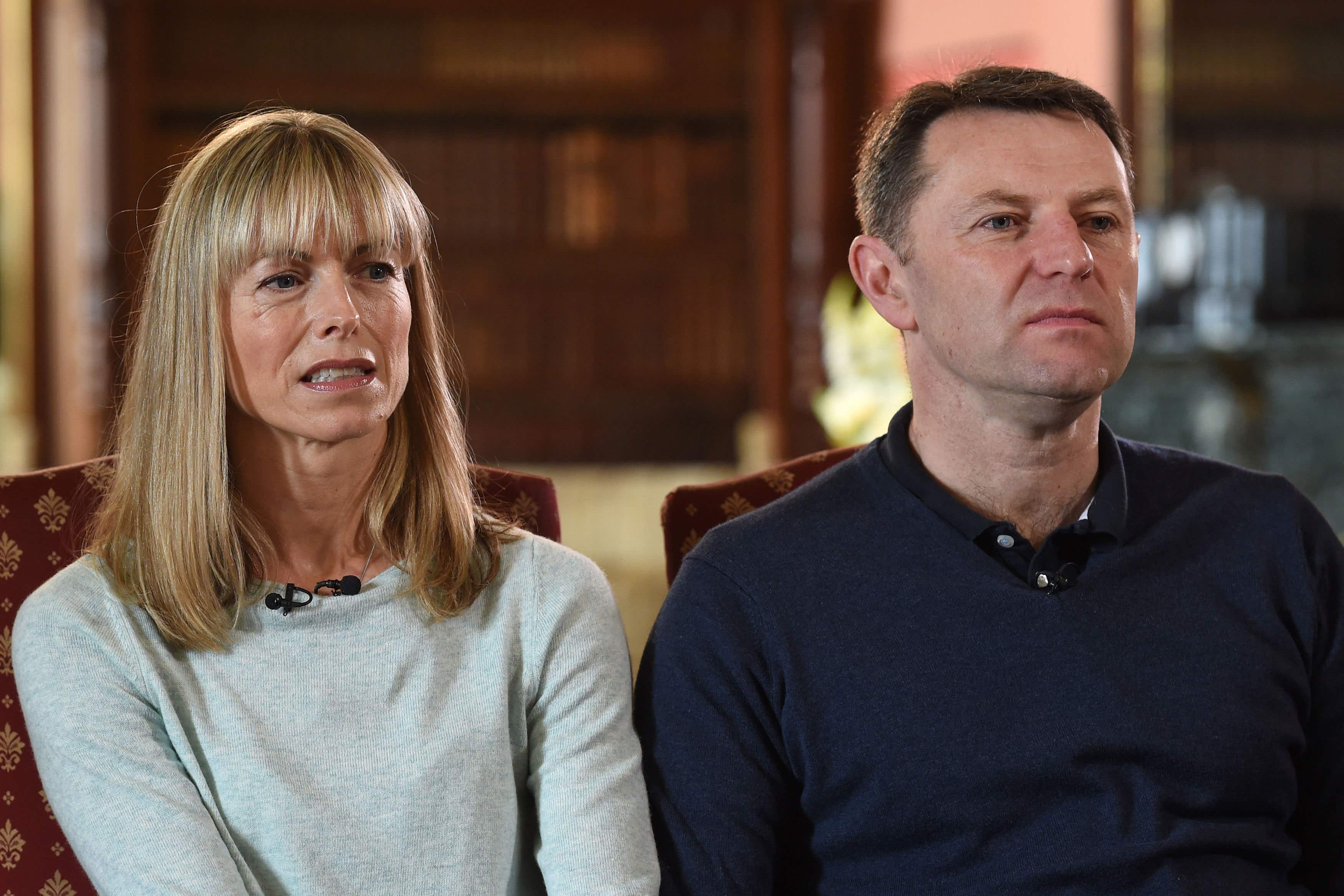
In a statement following the hearing, the couple said they “take no pleasure in the result” and they “only wanted the harassment to stop”.
“The decision to prosecute was taken by the Crown Prosecution Service, based on the evidence gathered by the police,” the McCanns said.
“We hope Ms Wandelt will receive the appropriate care and support she needs and any vulnerability will not be exploited by others.”
The parents urged anyone with new information about Madeleine’s unsolved disappearance to contact the police.
The five-week trial at Leicester Crown Court heard Wandelt claimed to have memories, induced by hypnosis sessions, of being abducted and of living with the McCanns as a child, including feeding Madeleine’s younger brother Sean and playing ring-a-ring-a-roses.
Jurors heard that Wandelt, who had an emotional outburst while Ms McCann gave evidence against her, tried to persuade “anybody prepared to listen” that she was Madeleine, and that she had been kidnapped from Portugal and abused with other girls in Poland.
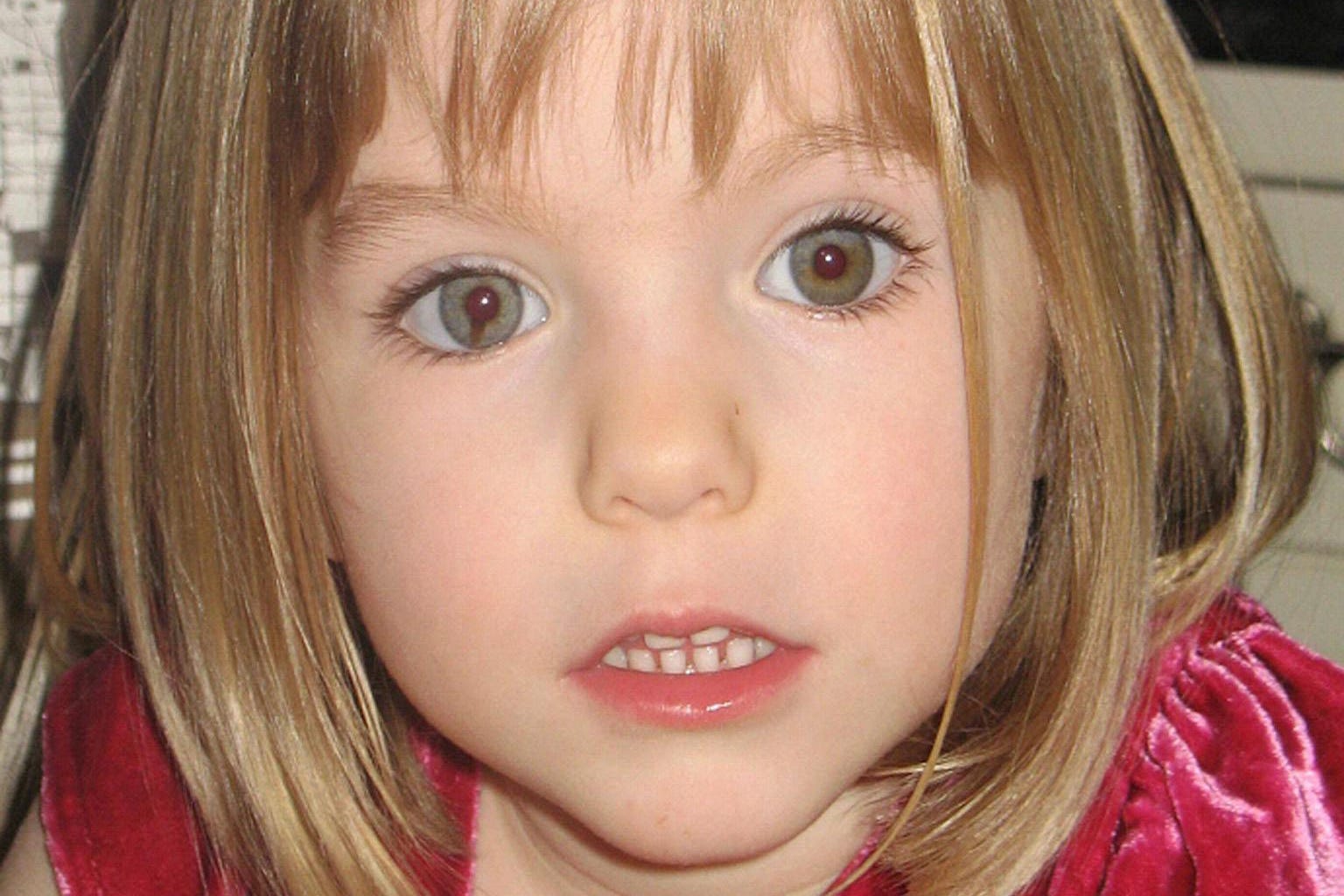
Madeleine vanished on 3 May 2007 as the family enjoyed a holiday in Praia da Luz in Portugal’s Algarve.
Wandelt called and messaged Mrs McCann more than 60 times in one day during April last year, claiming to have a memory of the mother stroking her head and saying she would find her before the abduction.
Wandelt and her co-defendant, Karen Spragg, held hands in the dock before the verdicts were handed down. Spragg cried as jurors returned not guilty verdicts to both the stalking and harassment charges against her.
Ms Justice Cutts told Wandelt her sentence would be one of six months’ imprisonment, which is less than the time she has served on remand awaiting trial, and that she would be made the subject of a restraining order because she posed a “significant risk of harassment” towards the McCanns in future. The judge told Wandelt her “pestering” and “badgering” of the couple was “unwarranted” and “unkind”.
The McCanns were confronted by Wandelt on their driveway last December, where they were begged for a DNA test.
Both Madeleine’s parents gave evidence during the trial, from behind a curtain shielding them from Wandelt.
During their emotional evidence, Mr McCann said he and his wife still cling to hope that Madeleine may be alive today.

He also claimed Wandelt’s actions were hampering the ongoing inquiry into his daughter’s disappearance, while Ms McCann said she had been distressed by Wandelt’s behaviour, particularly a letter sent by the defendant addressing her as “Mum”.
In recordings of the interaction outside their home, Ms McCann can be heard saying: “You’re causing us a lot of distress.”
The following day, the couple received a sinister letter addressed “Dear Mum (Kate)” and signed “Lots of love, Madeleine”.
Wandelt referred to Ms McCann as “mummy” and said “you are my real mother” in other messages sent to her phone.
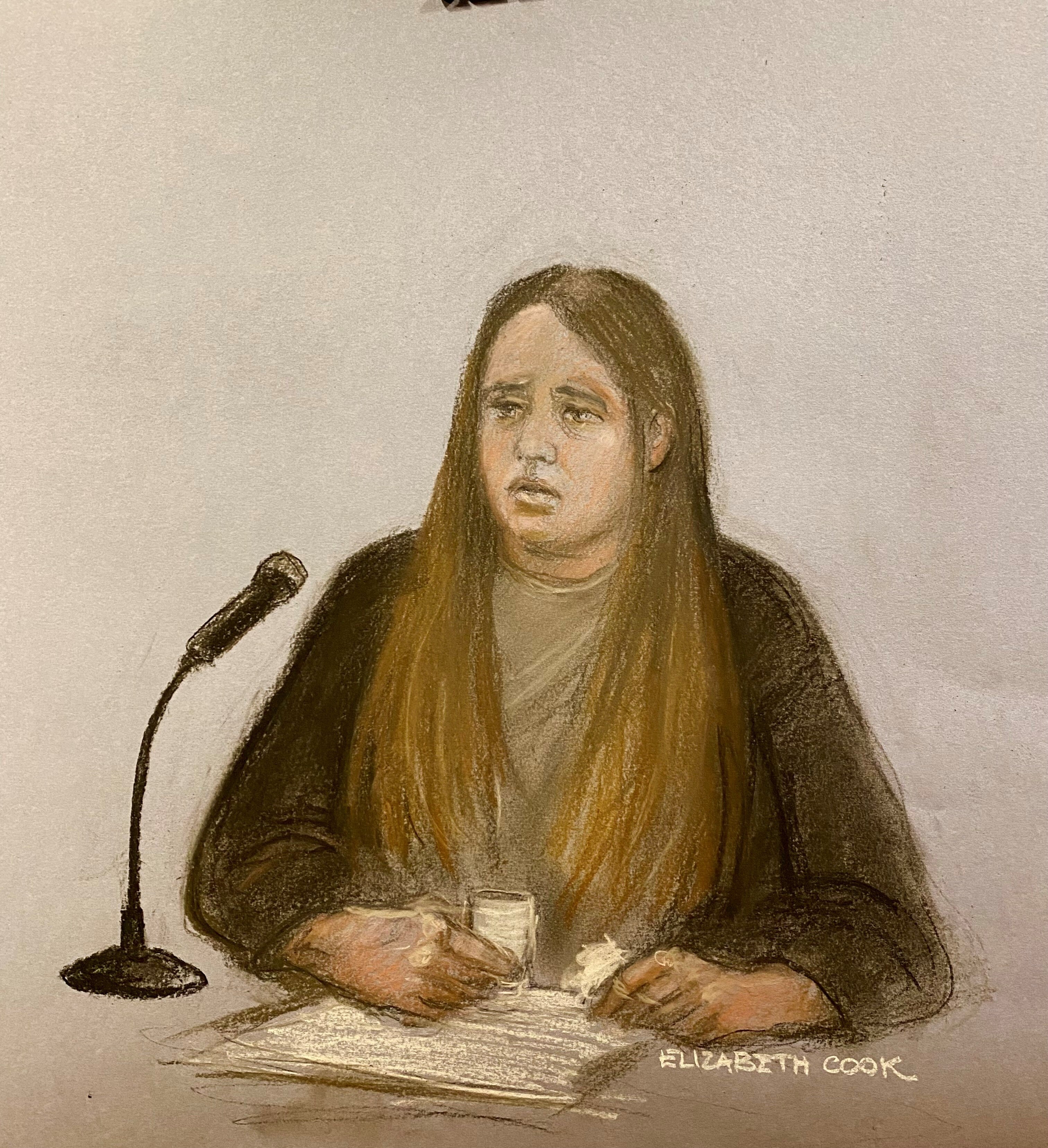
She told the jury during her evidence that she persistently contacted the couple because she thought they were being “misled” by the police, and she wanted a DNA test to prove her relation to them.
Wandelt also told jurors she believes Mr McCann was involved in Madeleine’s disappearance and that Ms McCann knew of the abduction, but they “had no other choice”.
The defendant also suggested that the ongoing police investigation into the girl’s disappearance, called Operation Grange, which has received more than £13m in funding, involves money laundering.
Forensic expert Rosalyn Hammond told jurors that “Julia Wandelt cannot be Madeleine McCann” because their DNA profiles do not match.
Wandelt’s DNA sample was taken by police after she was arrested at Bristol airport in February, which was against the investigation’s policy, in an attempt to “stop her behaviour” towards the McCanns.
Her profile was compared with a sample recovered from Madeleine’s embroidered pillowcase at the family home in Rothley, Leicestershire, days after she disappeared and a blood sample taken when she was born.
Asked in court whether she still thought she was Madeleine, Wandelt said she was “fifty-fifty” and added she would like to see the full paperwork proving they are different people.
The following day in the witness box, Wandelt said: “I do believe I’m her. I do remember them, but I’m exhausted, I’m completely exhausted with all of this.”
Wandelt told the trial she could not remember early parts of her childhood, and after looking into missing persons cases, she realised she had a similar mark in her eye to Madeleine.