A relationship when one person already has kids comes with its own set of complications, different possible pitfalls and a lot more need for good communication. But sometimes things just don’t work out even when people try their best.
A woman asked the internet if she was wrong for not wanting to fix her relationship when she decided she had enough of her fiancé’s daughter. She seemed to never want a real relationship and would constantly complain. We reached out to her via private message and will update the article when she gets back to us.
It can be hard to develop a relationship with a partner’s kids from a previous relationship

Image credits: Getty Images / Unsplash (not the actual photo)
But one woman had enough of her partner’s daughter
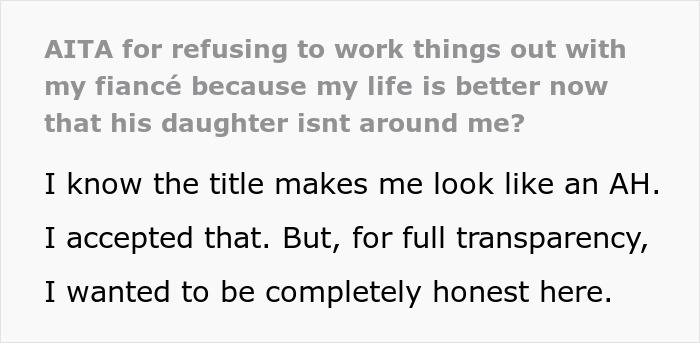
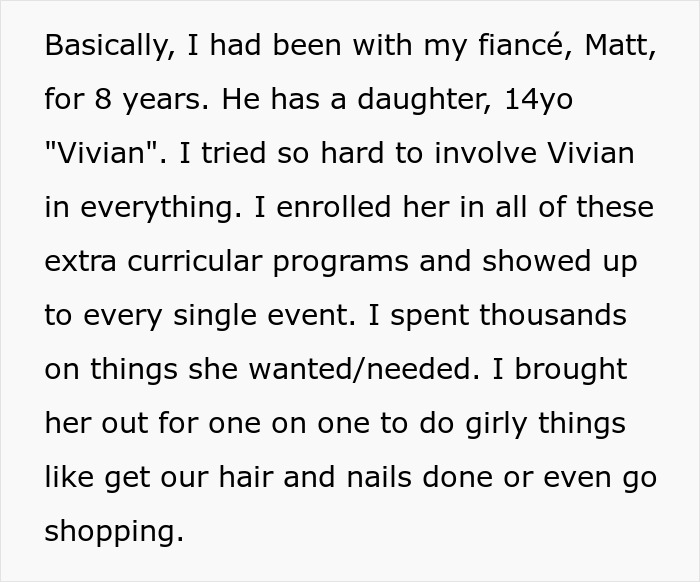
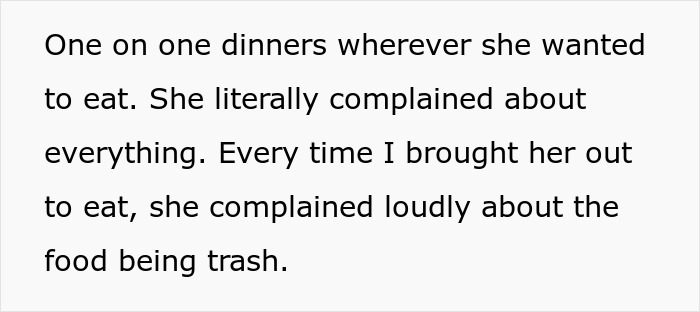

Image credits: RDNE Stock project / Pexels (not the actual photo)
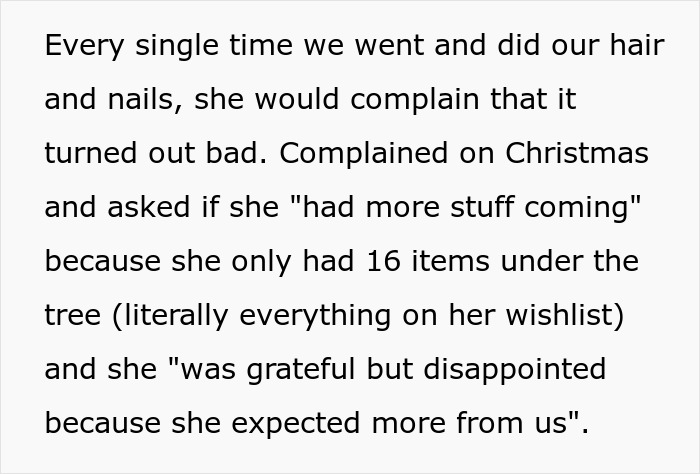
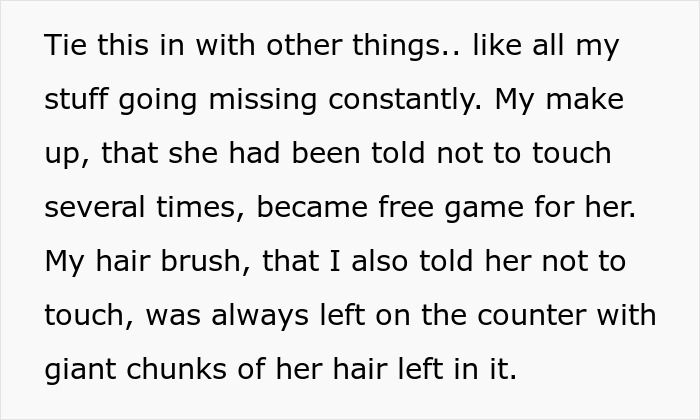
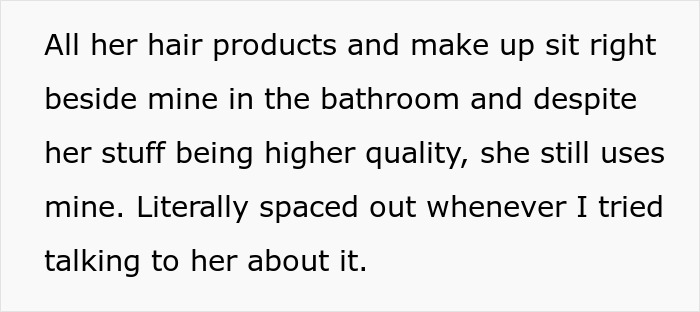
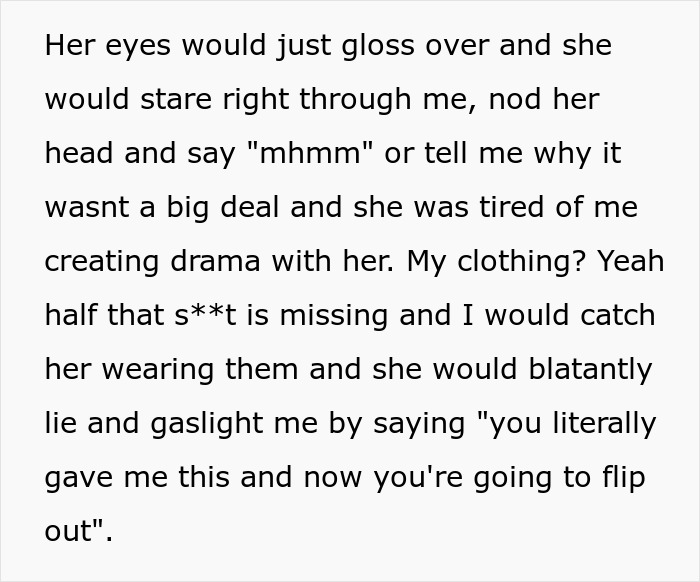

Image credits: Curated Lifestyle / Unsplash (not the actual photo)

Image credits: cottonbro studio / Pexels (not the actual photo)
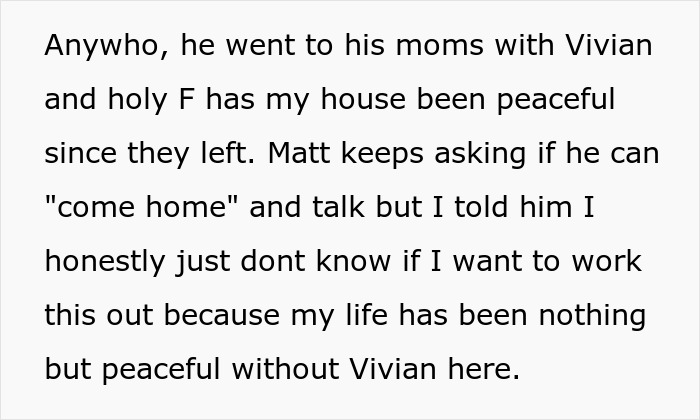
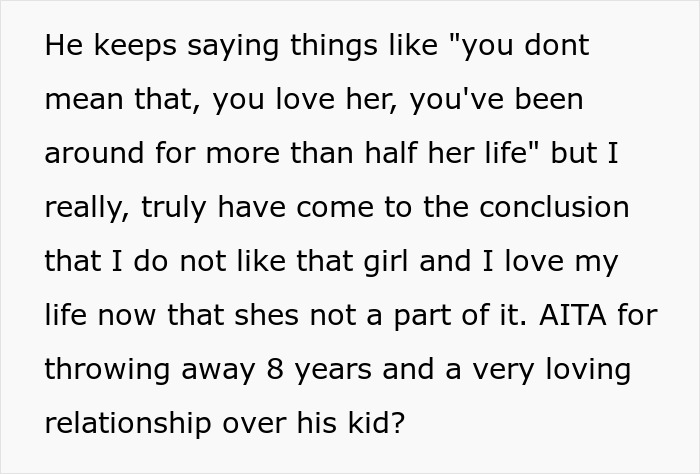
Image credits: MassivePrimary8649

Image credits: Emma Bauso / Pexels (not the actual photo)
Blended families are quite common, but often rather complicated to navigate
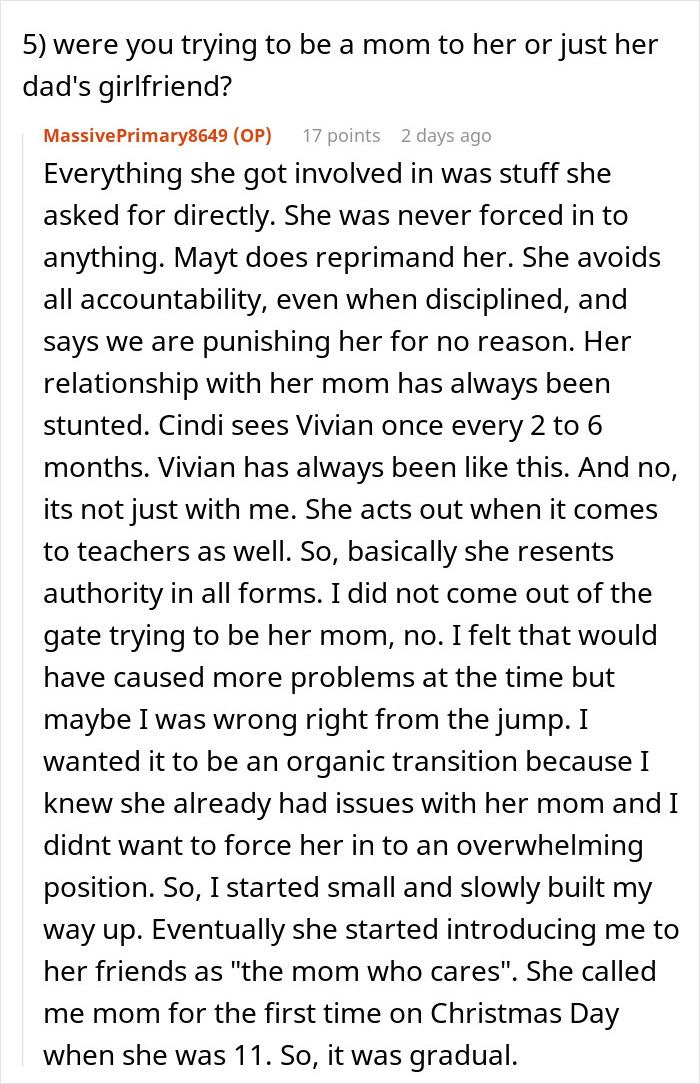
The internet often gives us stories that sound like they belong in a soap opera, but the “Tuna Incident” is a masterclass in the slow-burn destruction of a household. A woman who spent eight years playing the role of a dedicated stepparent finally snapped, not over a major betrayal, but over a stolen bowl of tuna. While the headlines make it sound petty, the reality is a deep dive into what happens when a person’s boundaries are treated as suggestions rather than rules. To understand if she was right or wrong, we have to look past the fish and into the dynamics of a blended family under pressure. She wasn’t just fighting over a snack; she was fighting for her right to exist as a person with needs in her own home.
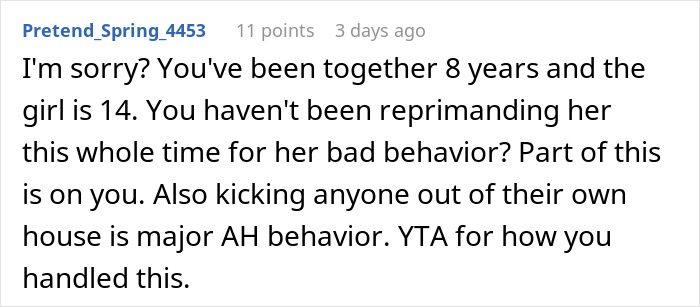
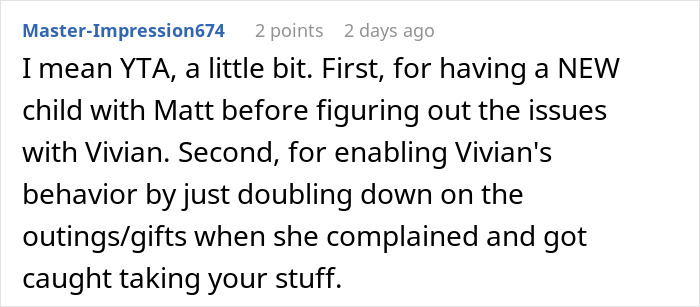
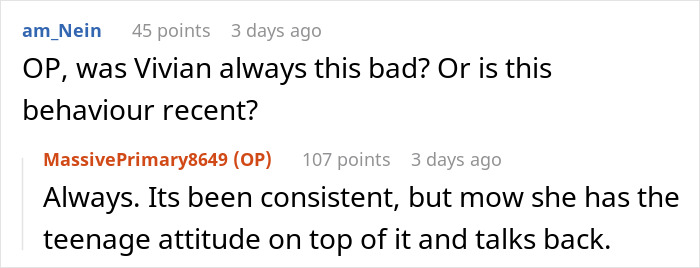
Blended families are notoriously difficult to navigate, and the deck is often stacked against the stepparent from the start. Statistics suggest that about 60 to 70 percent of marriages involving children from previous relationships end in divorce, often because the roles are undefined and the emotional stakes are incredibly high. In this case, the woman went above and beyond, providing financial support, emotional labor, and “girly” bonding time, only to be met with a teenager who treated her belongings like communal property and her feelings like a nuisance. This isn’t just a case of “teenagers being teenagers”, it’s a symptom of a deeper lack of respect that had been festering for nearly a decade. When a child is allowed to disregard the person providing for them for eight years, it creates a toxic power dynamic that is nearly impossible to fix without a total reset.
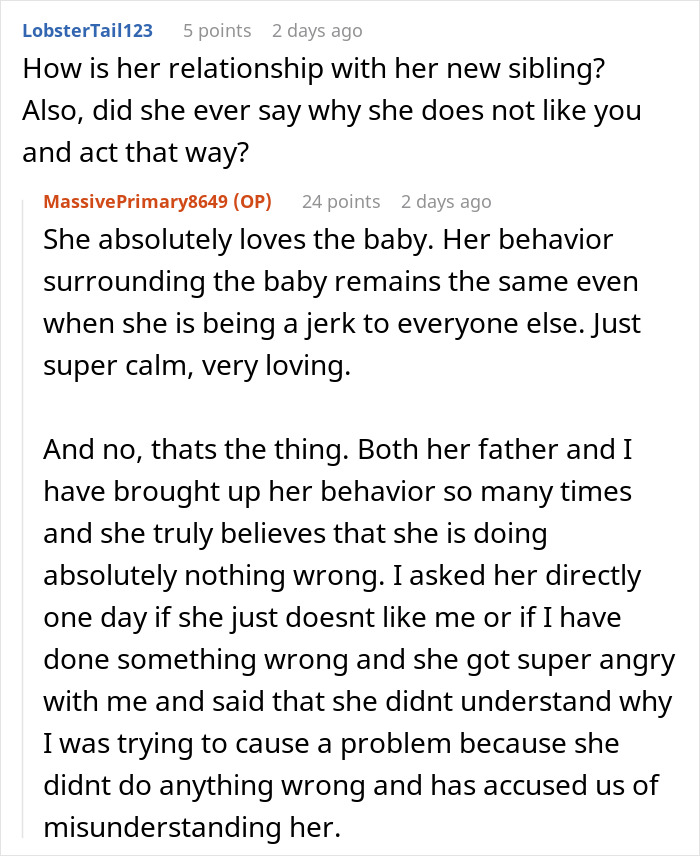
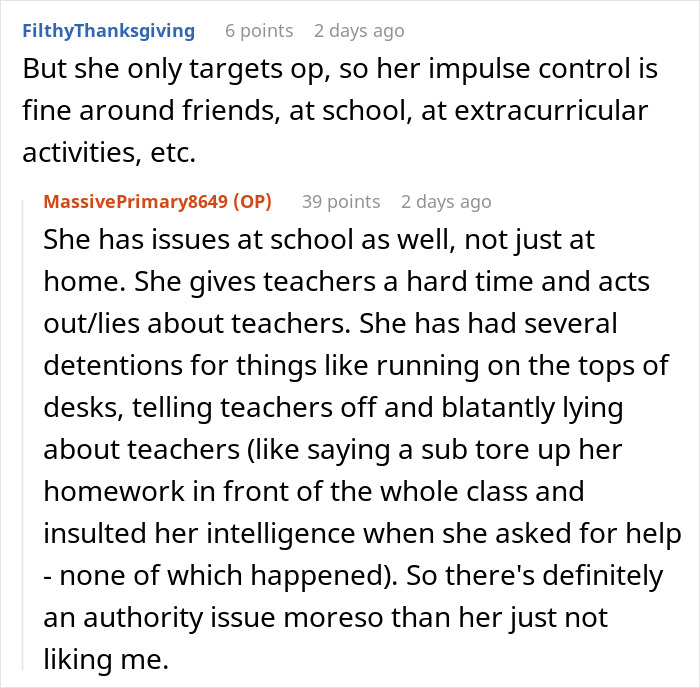
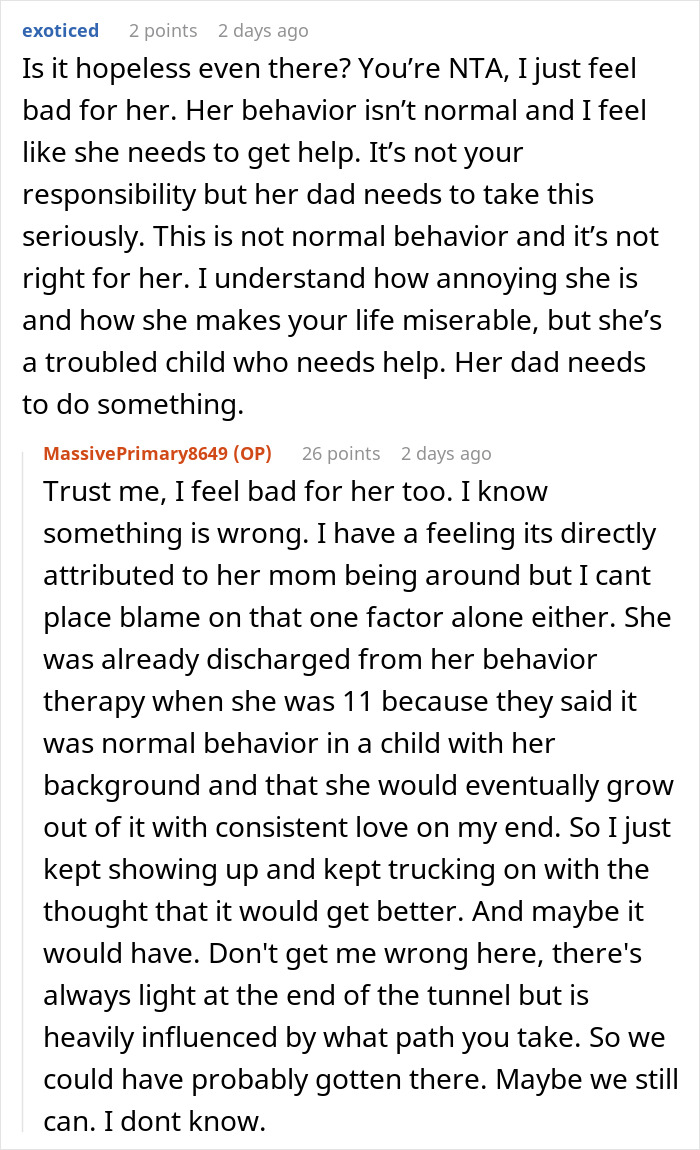
The 14-year-old daughter, Vivian, exhibited classic signs of entitlement and what some psychologists call “boundary testing,” which is common in adolescence. However, the consistent gaslighting and theft of personal items cross into a territory that makes a home feel like a hostile environment. When your own bathroom isn’t a safe space for your makeup and your closet is a revolving door for someone who lies to your face about it, the sense of psychological safety evaporates. A study on the impact of family conflict on mental health shows that chronic low-level stress in the home can be just as damaging as a single traumatic event. The woman was living in a state of hyper-vigilance, waiting for the next item to go missing or the next eye-roll, which is an exhausting way to live.

Image credits: Ketut Subiyanto / Pexels (not the actual photo)
It might be excessive to blame a teenage girl over her own father
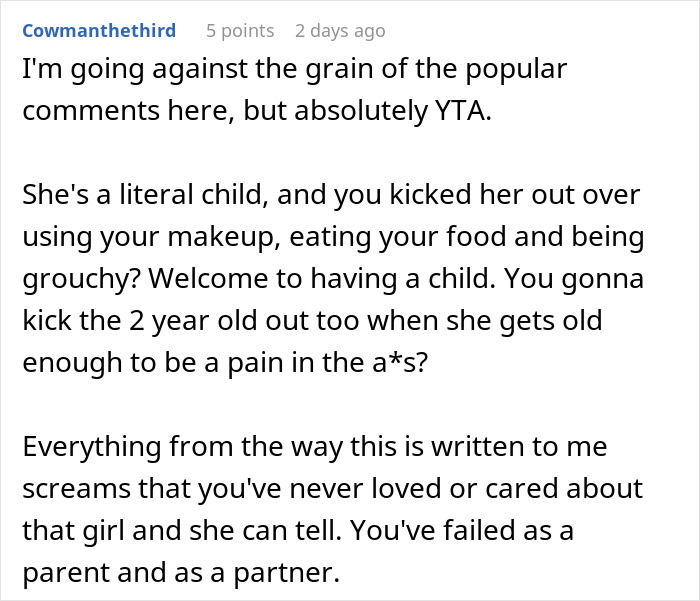
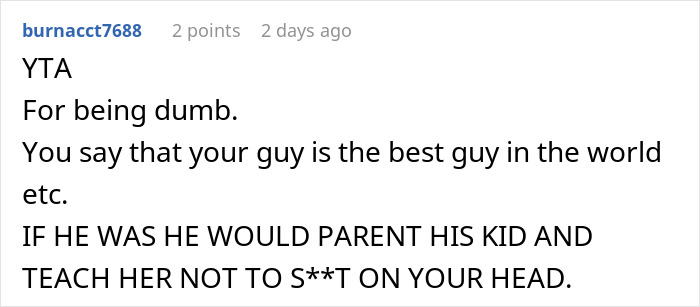
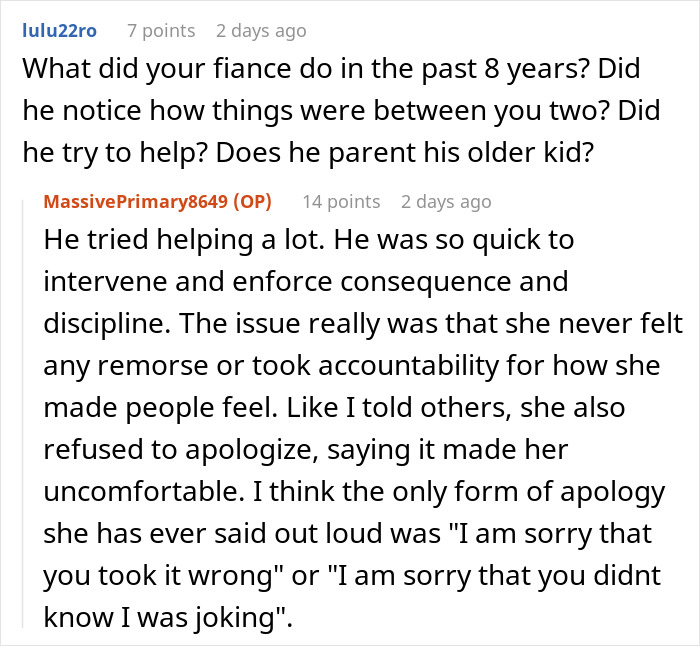
Then we have Matt, the fiancé, who is perhaps the most at fault here. While he “reprimanded” his daughter, his efforts were clearly ineffective. In a blended family, the biological parent is the primary disciplinarian and the bridge between the stepparent and the child. If the behavior doesn’t change over eight years, the reprimands are likely “empty” or lack meaningful consequences. This is often referred to as permissive parenting, which research indicates can lead to higher levels of entitlement and lower empathy in children. Matt failed to protect his partner’s peace, effectively allowing his daughter to treat her like a second-class citizen in her own house. By not setting firm, unshakeable boundaries, he forced his fiancé into a position where her only choice was to endure the abuse or leave.
The “tuna” was the final straw that broke the camel’s back. For a mother of a sick two-year-old who hadn’t eaten all day, that bowl represented the only moment of self-care she had left. When Vivian took it after already having dinner, it was a physical manifestation of her taking everything the woman had to give. The woman’s reaction to kick them out might seem extreme to an outsider, but it was a survival response to an environment where she was no longer seen as a person with needs. The fact that her home felt “peaceful” the moment they left is the most telling piece of evidence. That peace is the sound of a nervous system finally exiting “fight or flight” mode, a state many people don’t realize they are in until the stressor is removed.
So, was she right? From a perspective of self-preservation and mental health, she was absolutely justified. We often talk about the importance of “staying for the kids,” but we rarely talk about the cost of staying in a situation where you are being actively devalued and gaslighted. Choosing a life of peace over a life of constant agitation isn’t “throwing away” eight years, it’s deciding that the next eight years should be better. Relationship experts often point out that a healthy relationship cannot exist without mutual respect, and Matt’s inability to ensure his daughter respected his partner meant the relationship was already on life support. The woman in this story didn’t end a relationship over a bowl of fish; she ended it because she realized she was living with two people who took everything and gave nothing back. Her story is a powerful reminder that you cannot pour from an empty cup, and sometimes, the only way to fill that cup back up is to clear the room of the people who keep knocking it over.
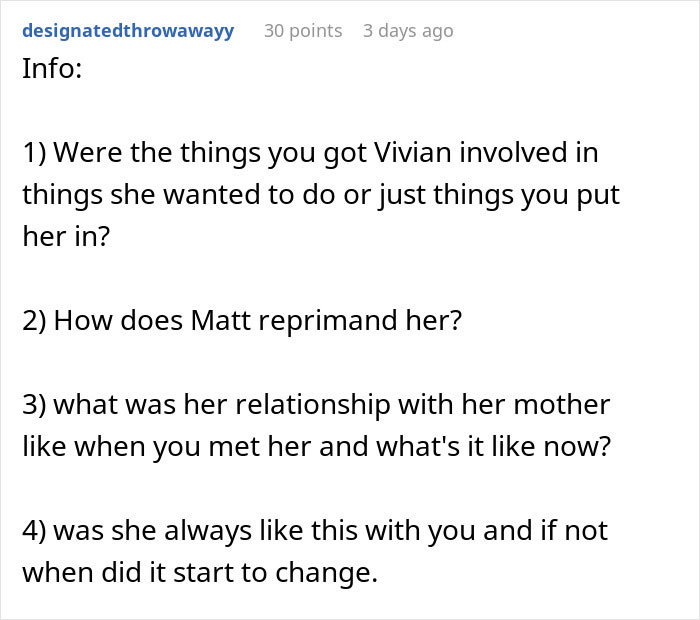
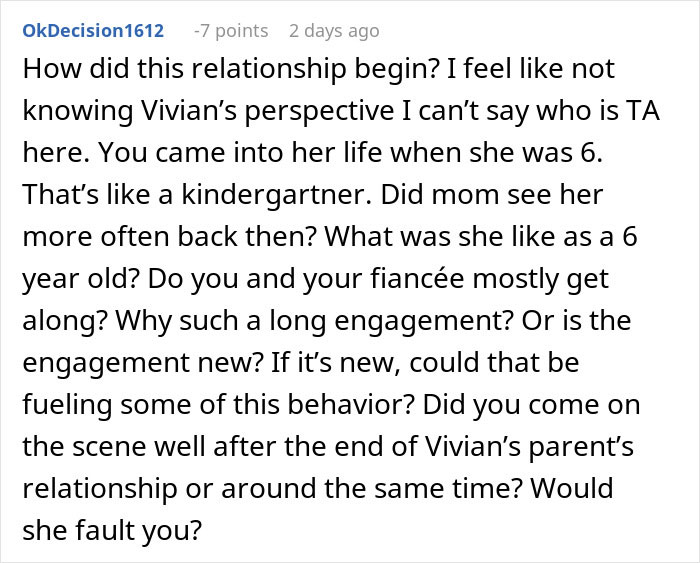
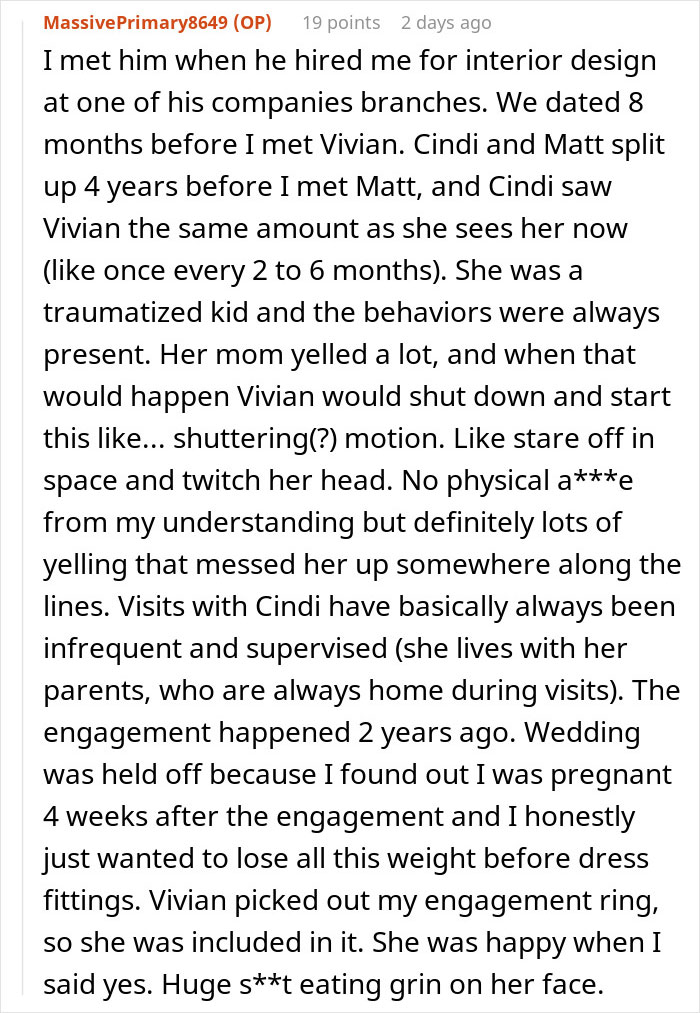
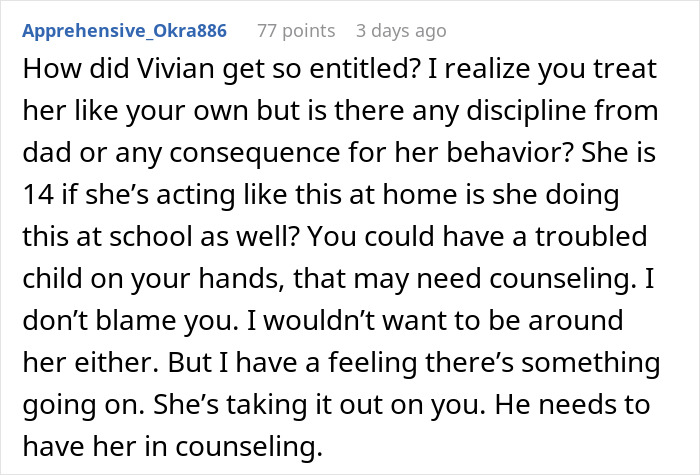
Some folks needed more info
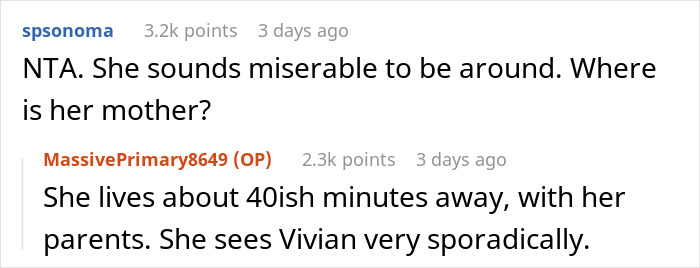
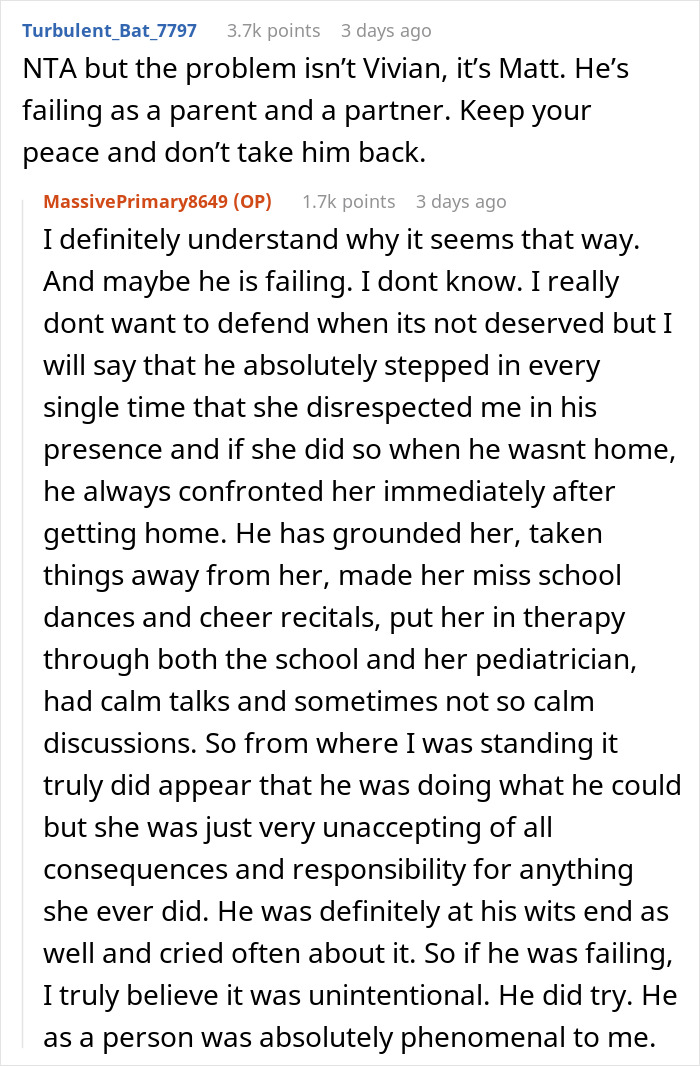
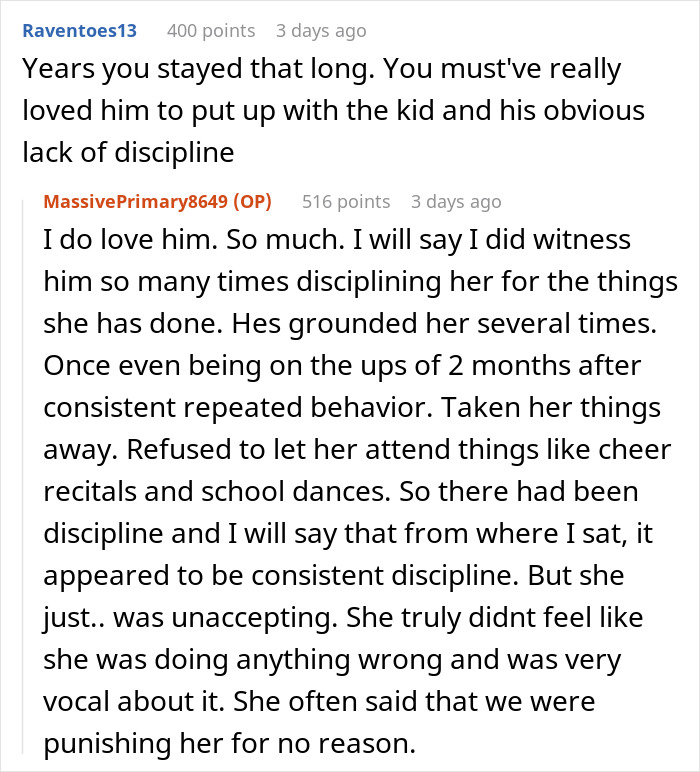
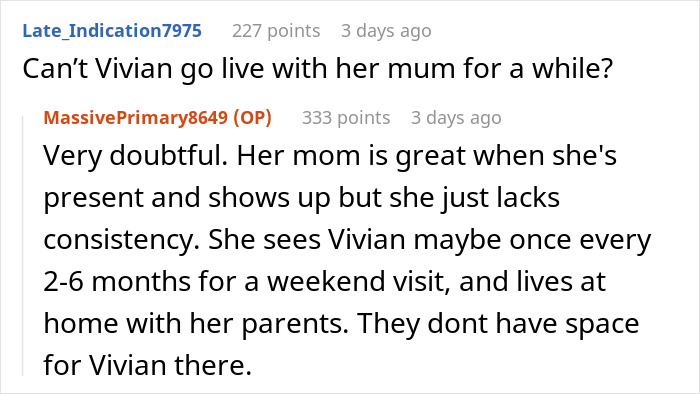
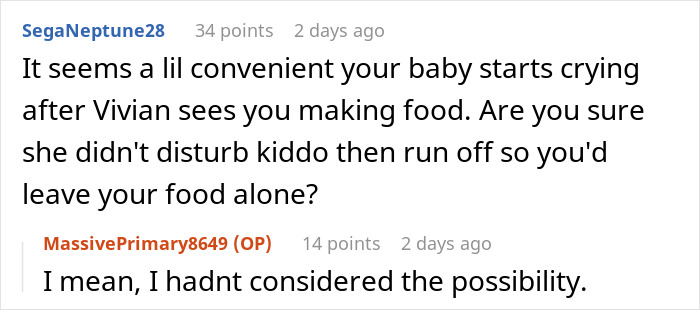


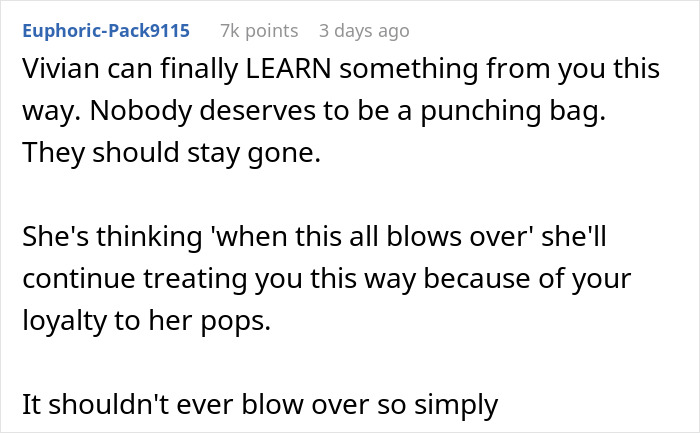
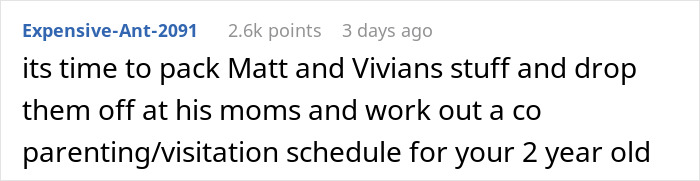
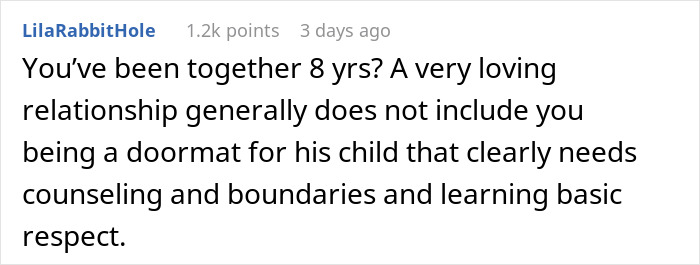
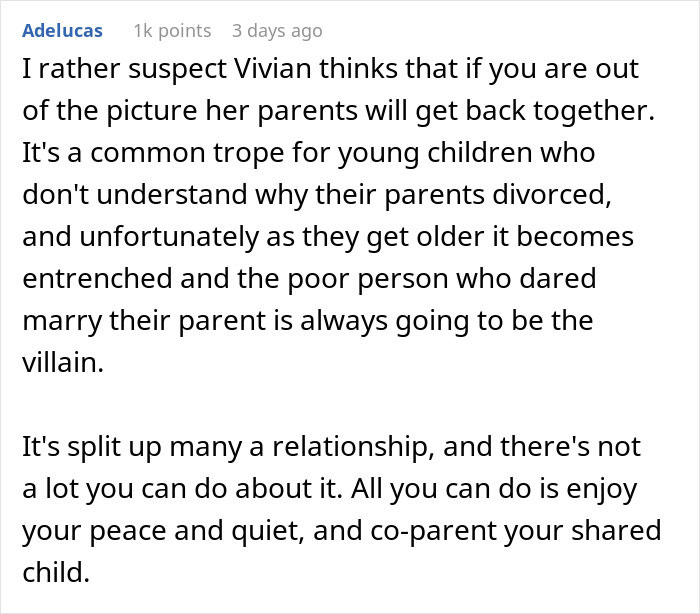
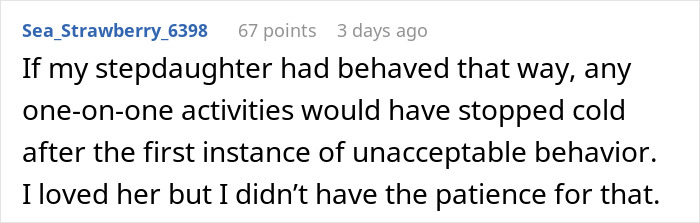
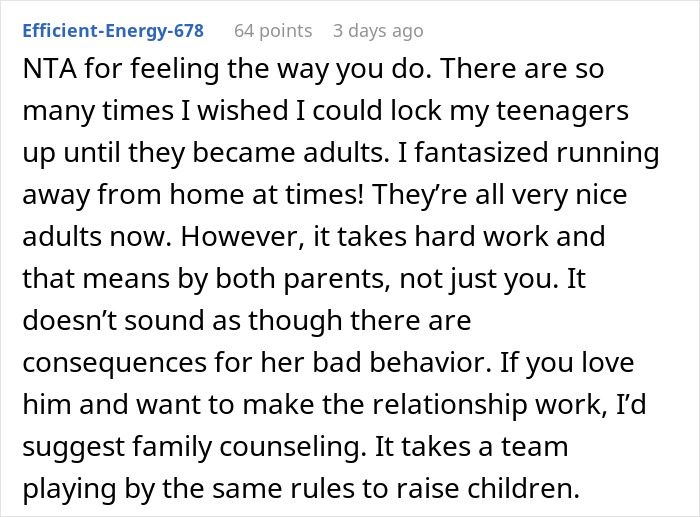
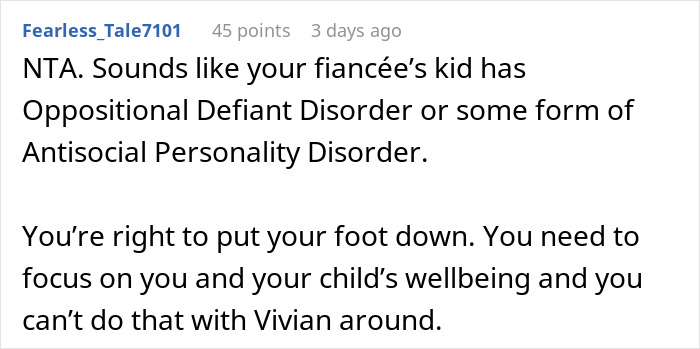
Many people understood her point

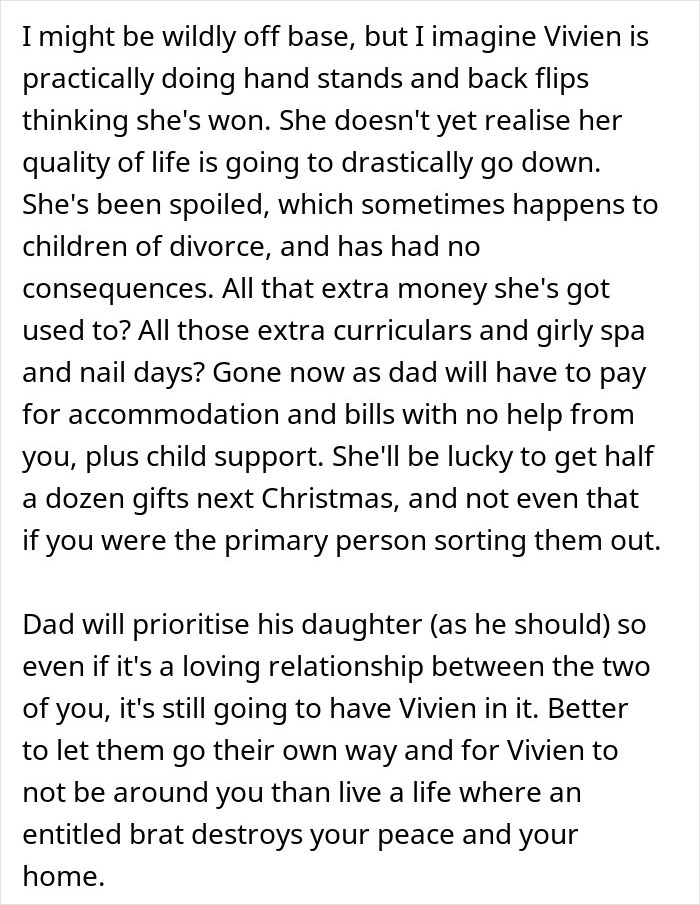
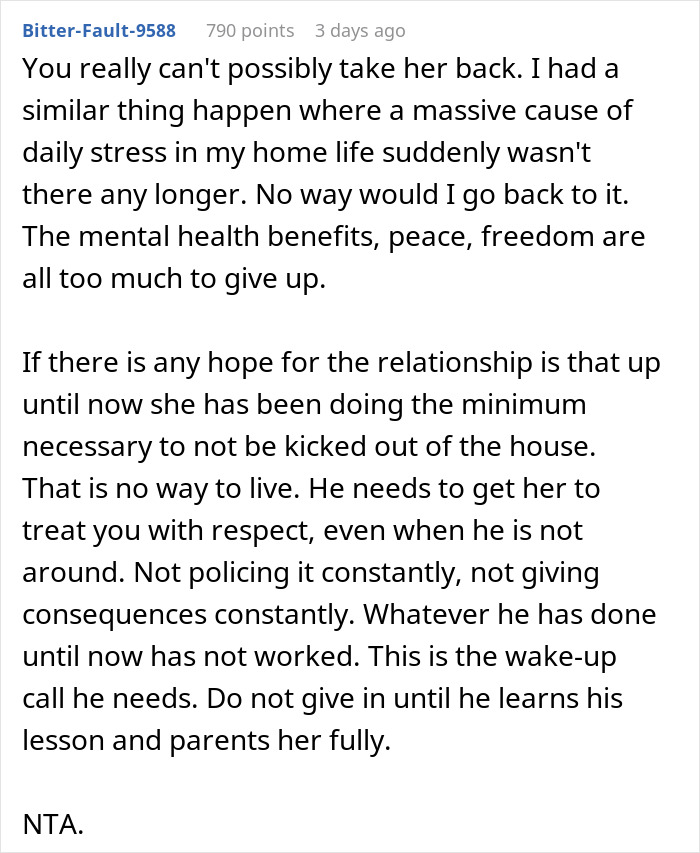


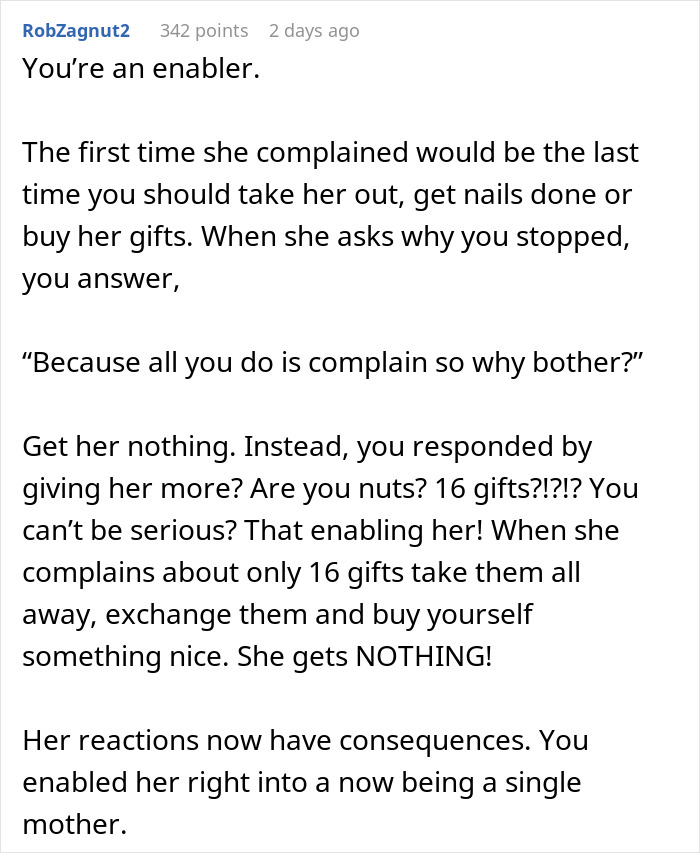

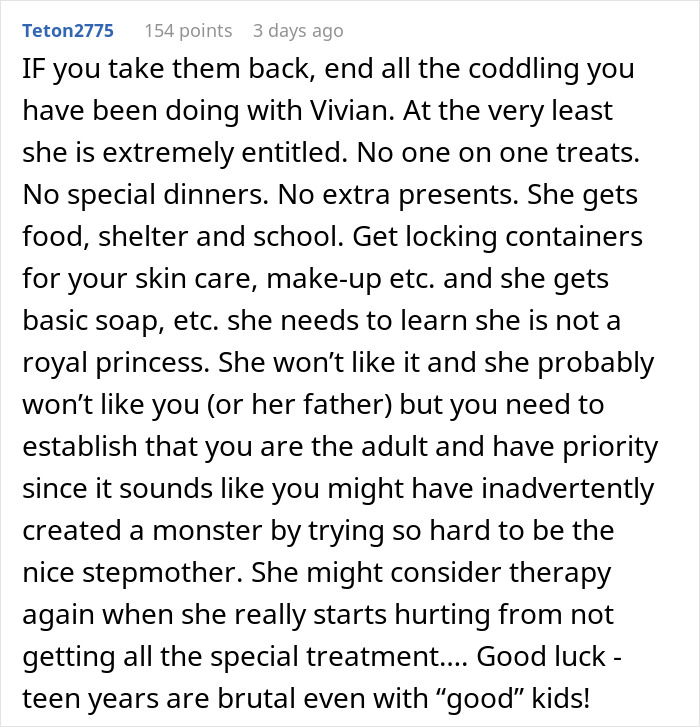


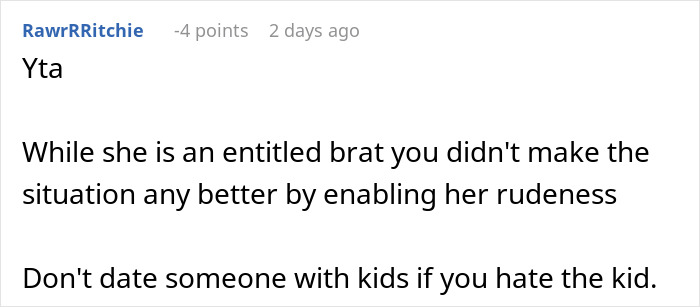
A few thought she could do better