Aging is a normal part of life that humans have been trying to mentally deal with for, probably, much of human history. However, modern medicine does now allow people to take a bit more control back and change how they look. As it turns out, it’s not just Hollywood celebrities that are interested in cosmetic procedures.
A 74 year old woman went viral after she shared photos of how she looked from as far back as the 60s, including of the facelift she got at 70. The internet shared their thoughts on her life and her beauty choices. We reached out to her via email and will update the article when she gets back to us.
It can be fascinating to see how a person’s appearance has changed over the decades
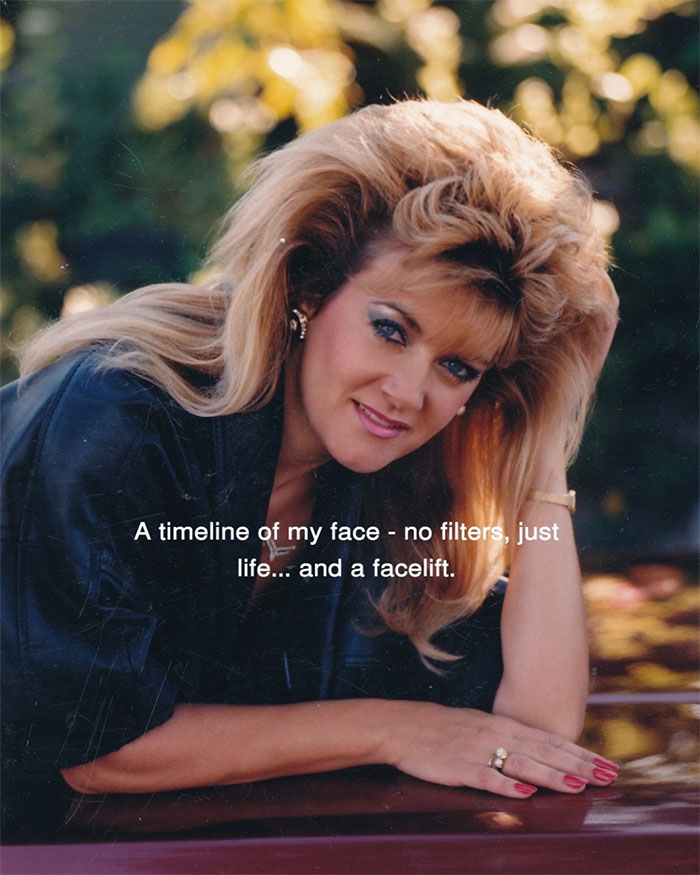
Image credits: seventywaves
Which is one reason this woman went viral for sharing decades worth of pictures
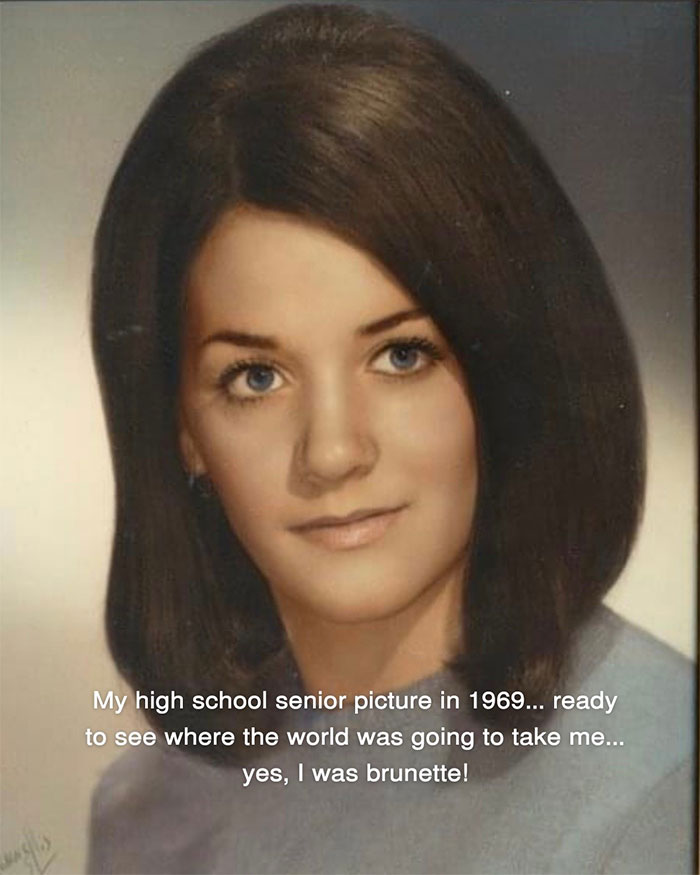
Image credits: seventywaves
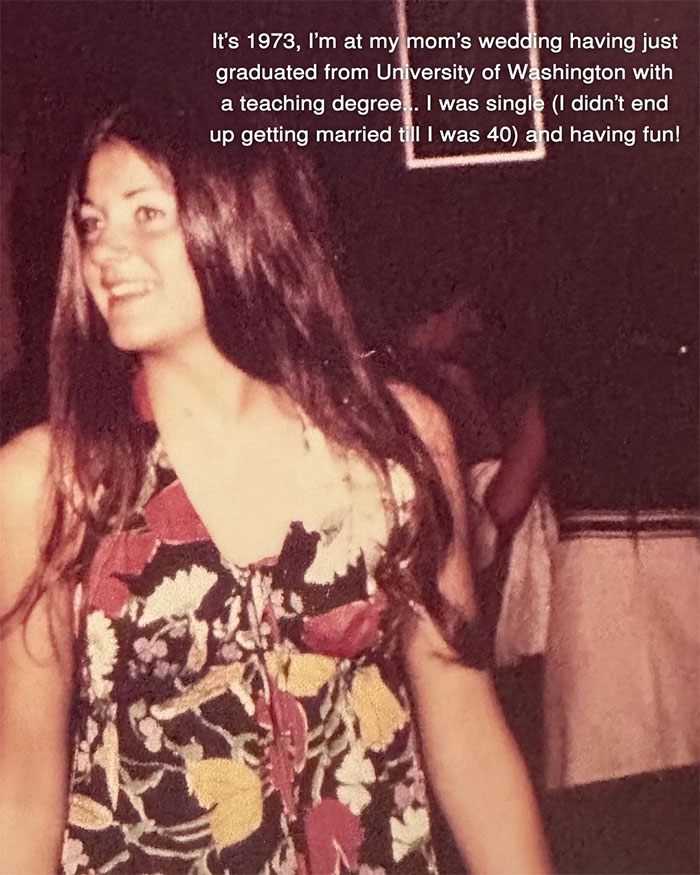
Image credits: seventywaves
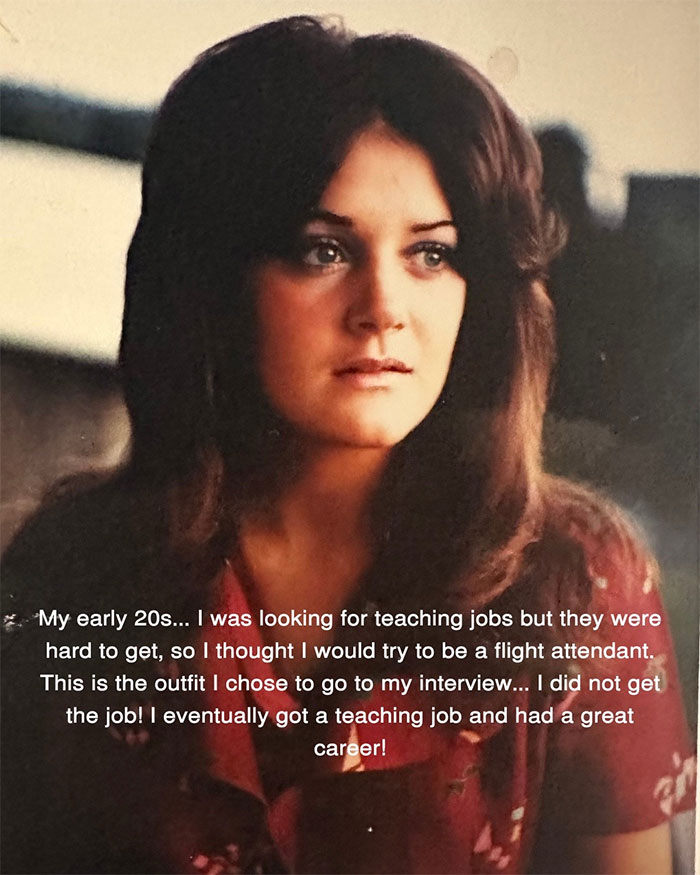
Image credits: seventywaves
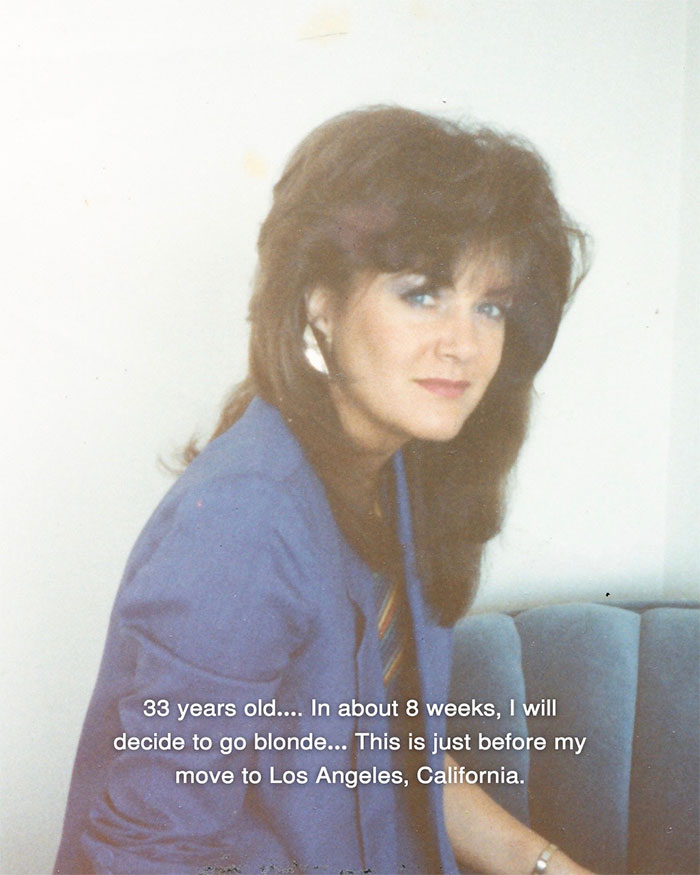
Image credits: seventywaves
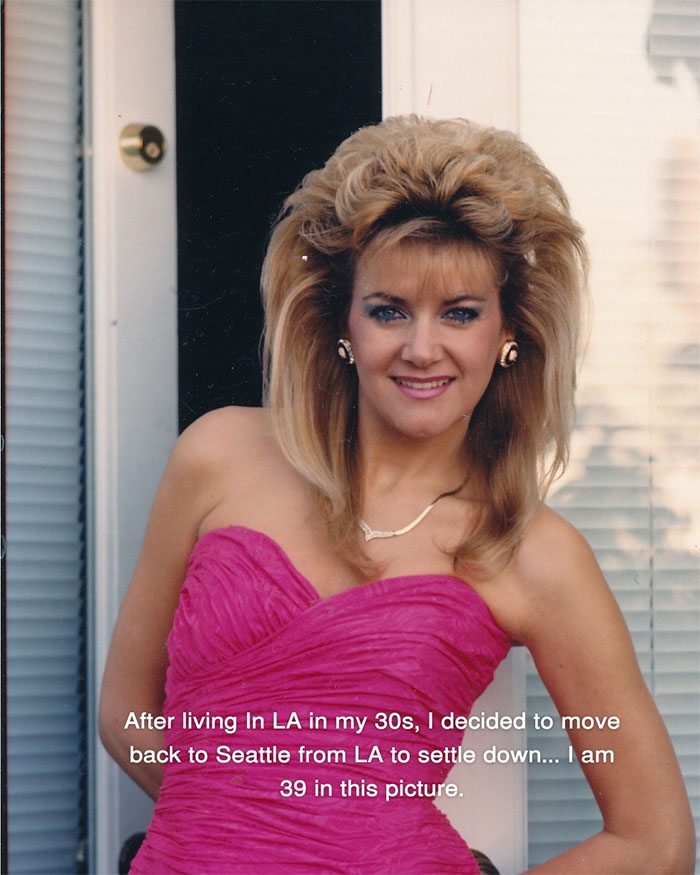
Image credits: seventywaves
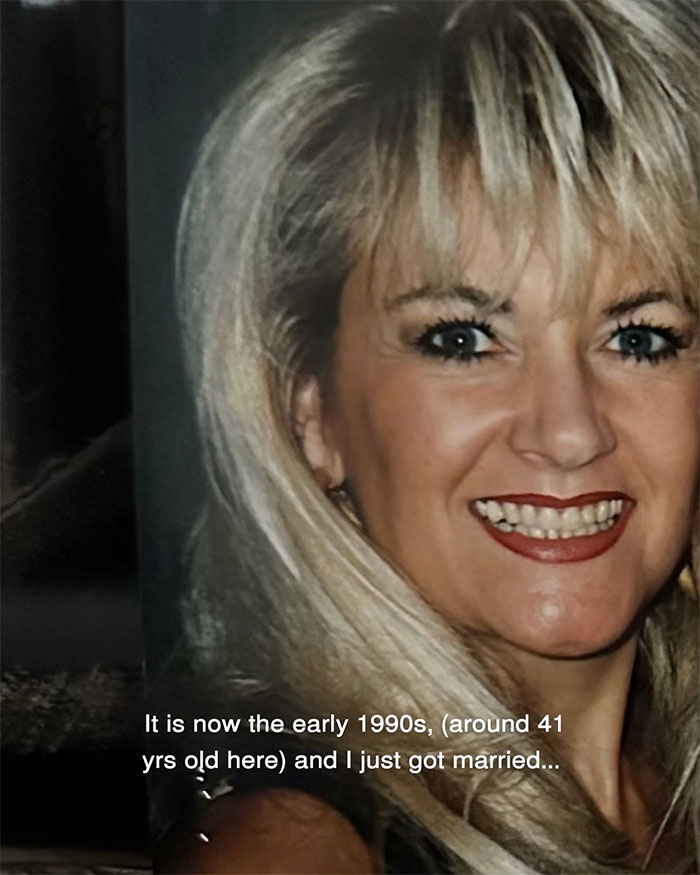
Image credits: seventywaves
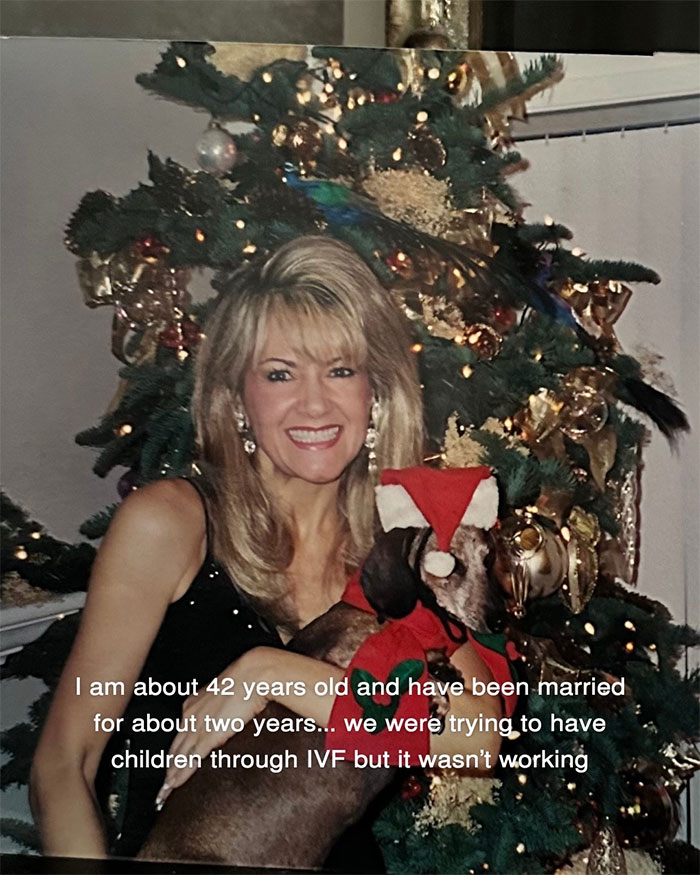
Image credits: seventywaves
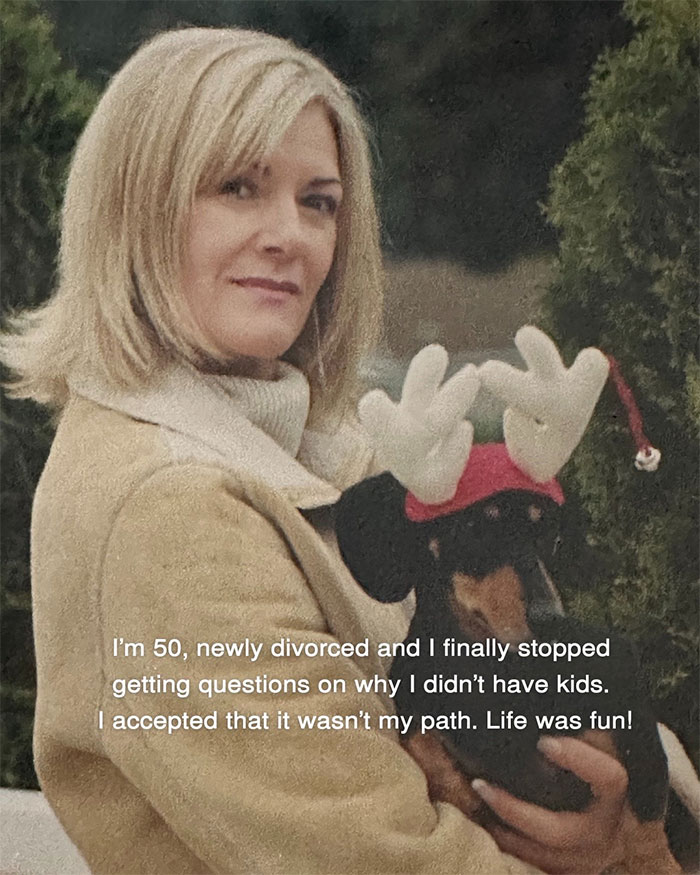
Image credits: seventywaves
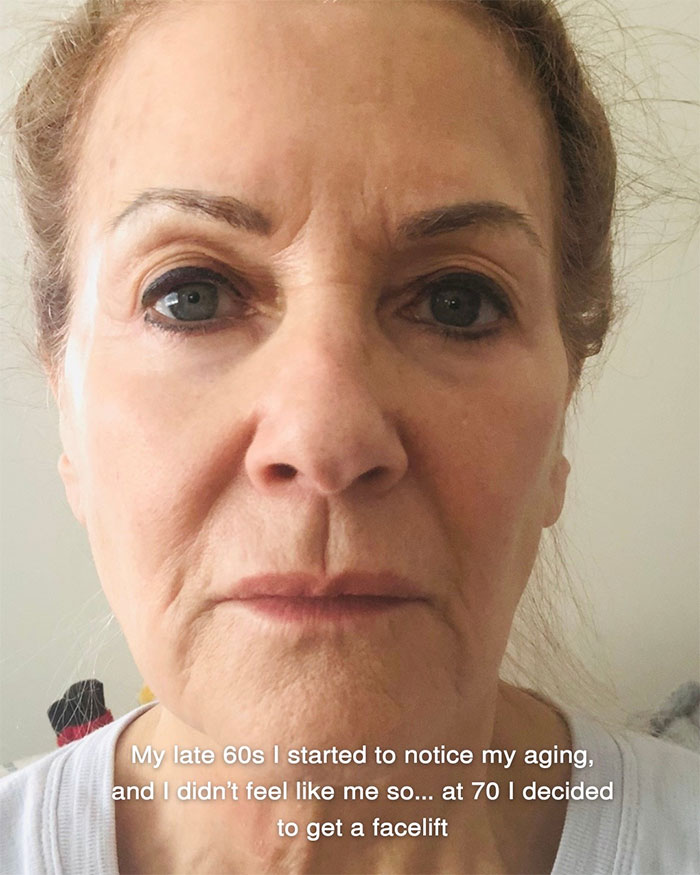
Image credits: seventywaves
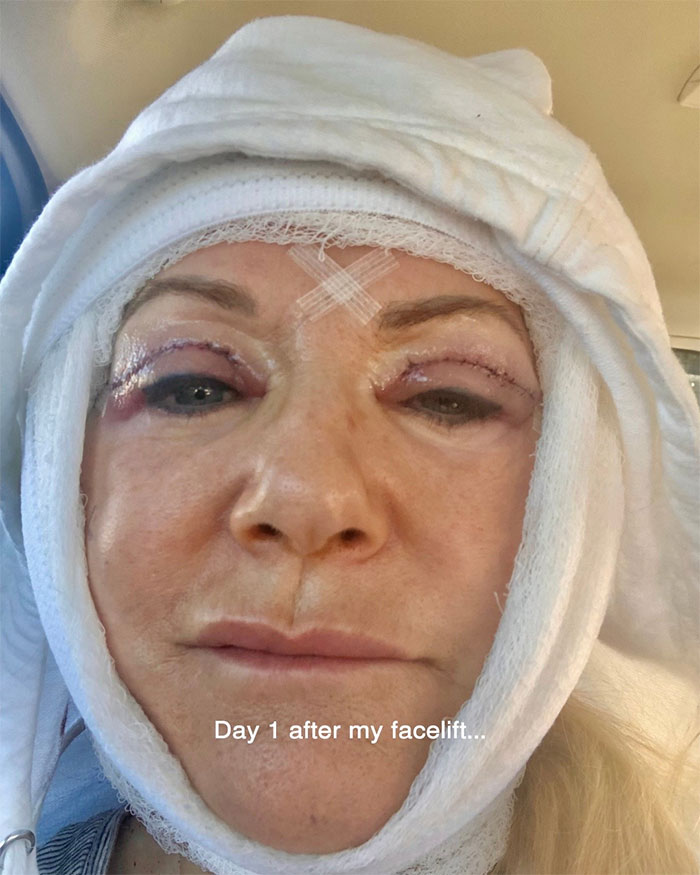
Image credits: seventywaves
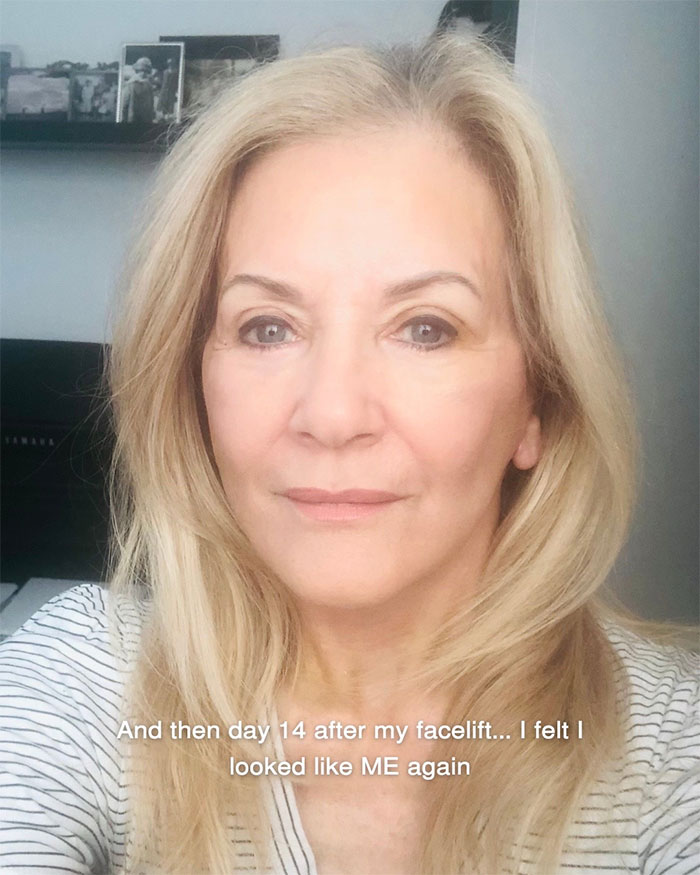
Image credits: seventywaves
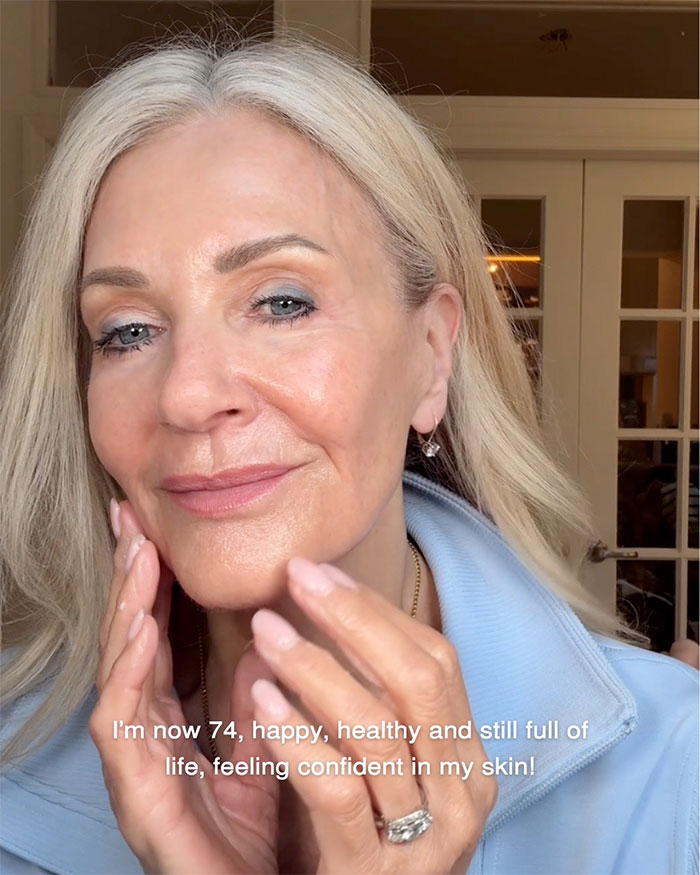
Image credits: seventywaves
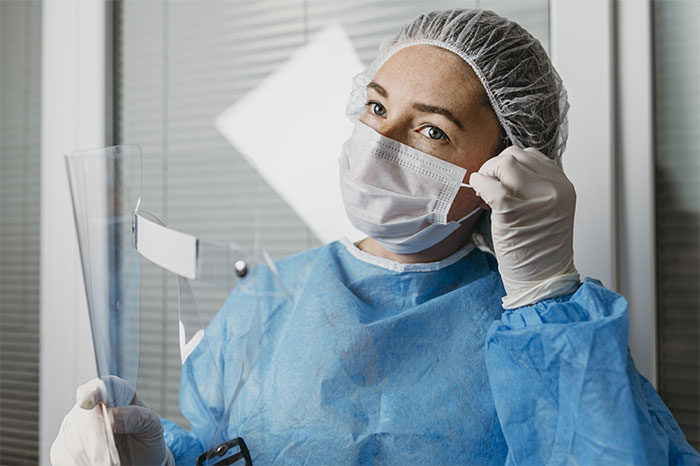
Image credits: freepik / Freepik (not the actual photo)
Facelifts are by no means a rare or difficult procedure anymore
The facelift has gone from being a hush-hush procedure that rich people whispered about in Beverly Hills to something your neighbor casually mentions over brunch between bites of avocado toast. What was once the exclusive domain of aging Hollywood stars desperately clinging to their careers has become increasingly mainstream, though people still get weirdly cagey about admitting they’ve had work done, preferring to credit their dramatically tighter jawline to drinking more water and using a jade roller. Understanding how facelifts actually work and why they’ve surged in popularity requires looking at both surgical advances and shifting cultural attitudes toward cosmetic procedures.
A facelift, or rhytidectomy if you want to sound fancy at parties, is a surgical procedure that reduces visible signs of aging in the face and neck. The surgeon makes incisions typically along the hairline and around the ears, then literally lifts and repositions the underlying tissue and muscles before removing excess skin and redraping what remains. It sounds like upholstering a couch except the couch is your face and the consequences of bad upholstery are significantly more permanent. Modern techniques have evolved considerably from the older “wind tunnel” look that made people appear perpetually startled, with surgeons now focusing on natural results that don’t scream “I had work done” quite so loudly.
According to the American Society of Plastic Surgeons, facelift procedures have increased by approximately 7 percent over the past decade, but this statistic actually undersells the transformation in cosmetic surgery culture. What’s changed more dramatically is who’s getting facelifts and how openly they discuss it. The procedure has shifted from being predominantly women over 60 to including increasing numbers of younger patients in their 40s and 50s, as well as growing numbers of men who apparently also have feelings about their jowls. Research published in the Aesthetic Surgery Journal indicates that social media and video conferencing, particularly the Zoom boom during the pandemic, contributed significantly to increased demand as people spent unprecedented hours staring at their own faces and deciding they looked tired, old, or like they were slowly melting.
The technical advances in facelift procedures have made them simultaneously more effective and less obviously detectable. Traditional facelifts involved pulling skin tight, which created that characteristic “done” appearance where everyone could tell something happened even if they couldn’t quite articulate what. Modern techniques like the deep plane facelift work on deeper tissue layers, repositioning fat pads and muscles rather than just yanking skin around. Studies in plastic surgery journals show these advanced techniques produce more natural, longer-lasting results, though they also require significantly more surgical skill and cost considerably more than your average impulse purchase.
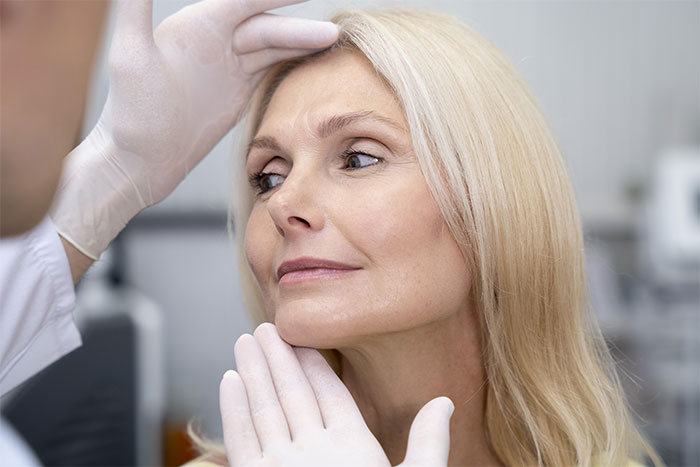
Image credits: freepik / Freepik (not the actual photo)
People might not admit to getting them, but facelifts are increasingly popular
The rise of minimally invasive procedures has actually increased rather than decreased facelift numbers, which seems counterintuitive until you understand the psychology involved. Research from the International Society of Aesthetic Plastic Surgery shows that people who start with injectables and non-surgical treatments often graduate to surgical procedures once they’ve normalized the idea of cosmetic enhancement. Someone gets Botox, decides they enjoy looking less exhausted, tries fillers, realizes those are temporary and expensive over time, and suddenly a surgical facelift seems like a reasonable next step rather than a dramatic leap.
Celebrity culture and social media have dramatically reduced the stigma around cosmetic procedures, though plenty of cognitive dissonance remains. Stars now openly discuss their procedures on Instagram while simultaneously crediting their appearance to clean eating and meditation, creating a confusing landscape where everyone knows facelifts happen but pretends they don’t. Psychological research published in Body Image journal indicates this transparency paradox actually increases procedure demand because it normalizes cosmetic surgery while maintaining the fiction that it’s not really necessary, just a personal choice some people make, like getting highlights or buying organic produce.
The cost of facelifts has remained relatively stable when adjusted for inflation, ranging from $7,000 to $15,000 on average depending on technique and location, though this doesn’t include associated costs like anesthesia, facility fees, or the emotional cost of telling people you’re “going on vacation” for two weeks while you actually recover from looking like you fought a bear. The financial accessibility combined with financing options has democratized procedures that were once exclusively available to the wealthy, though calling elective surgery that costs as much as a used car “democratized” might be stretching the definition.
What was once a last resort for desperate celebrities has become an accepted if still somewhat secretive part of aging for those who can afford it. So it’s good to have stories like this to avoid the bizarre situation where everyone knows these procedures are common but individuals still pretend they just have really good genes and an excellent skincare.
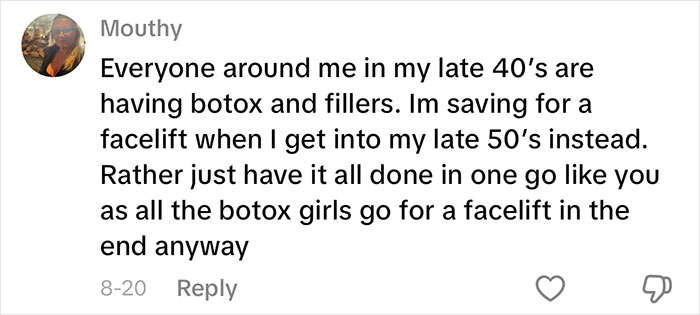
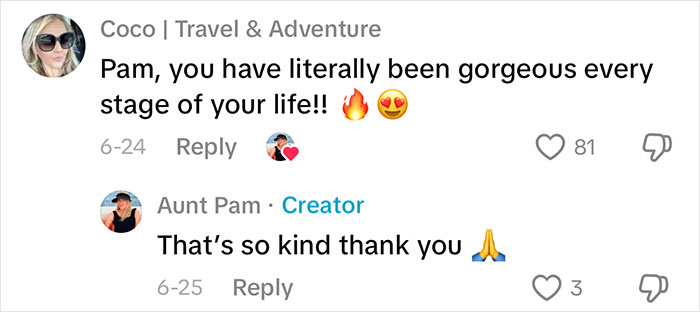
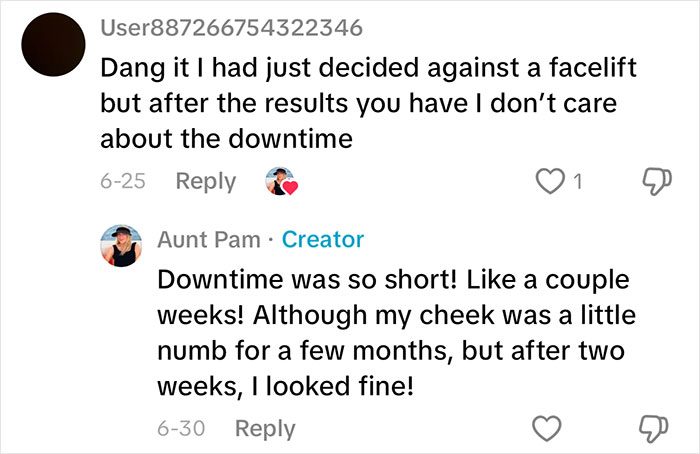
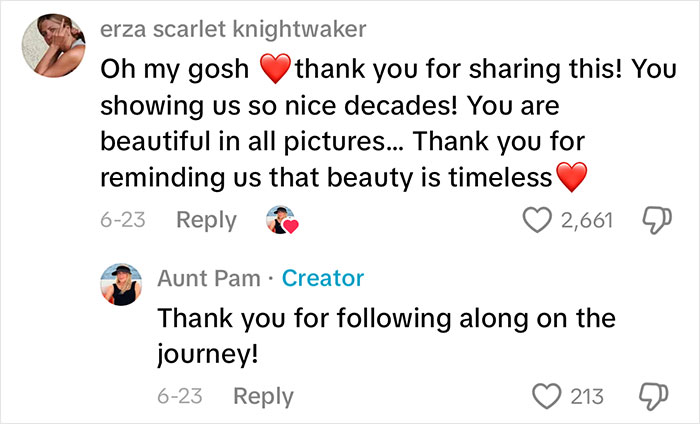
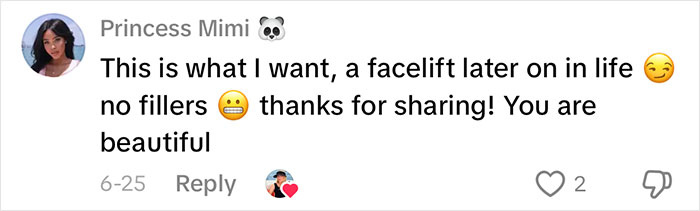
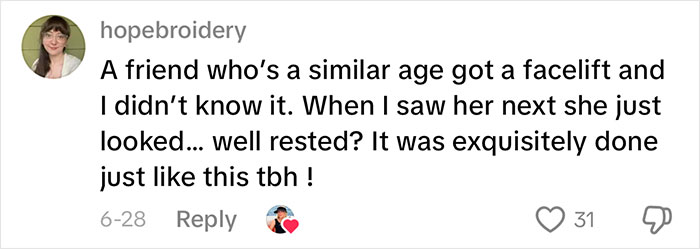
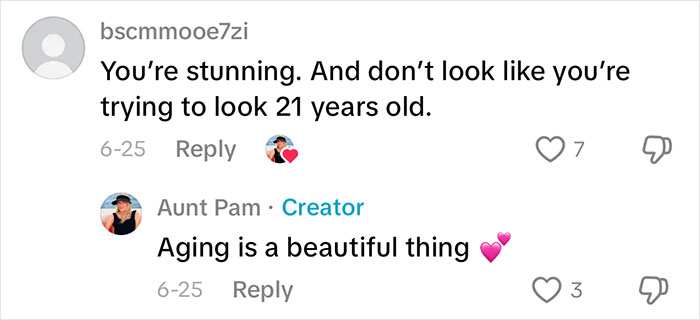
Netizens shared their thoughts on her pictures