Many people nowadays can’t imagine their lives without the internet and the never-ending news feed. But that’s no surprise, bearing in mind that the algorithms make the news feed feel like a personal collection of everything that one finds interesting.
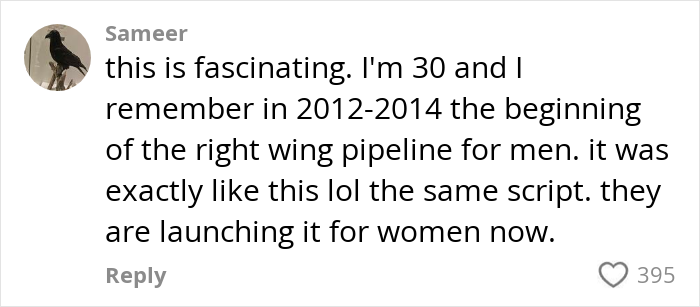
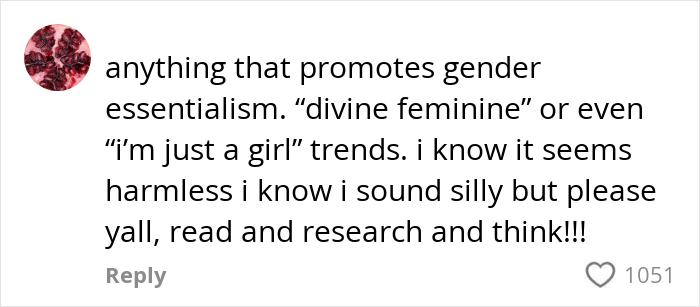
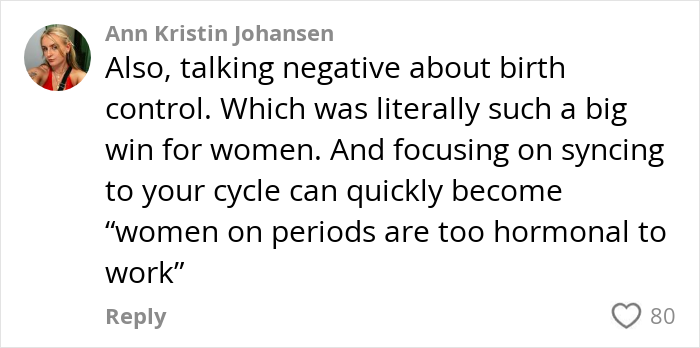
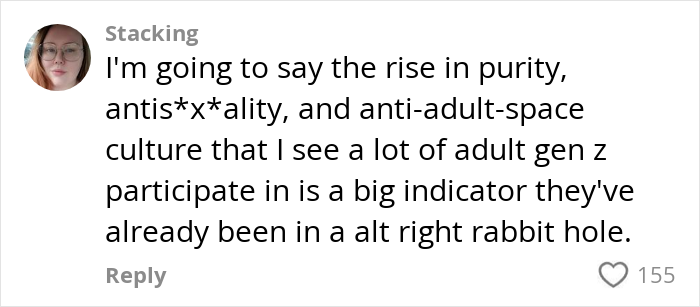
Be that as it may, there are certain rabbit holes people might fall into, even if they only scroll through what they consider popular trends and nothing more. Online content creator Jess Britvich has taken to TikTok to discuss the way social media and algorithms can influence people’s views, especially towards the alt-right movement. In one of her videos, she discussed the most dangerous alt-right rabbit holes for women, and it didn’t take long to go viral, starting an important discussion. If you’re interested in seeing what Jess had to say, scroll down to find her video, as well as fellow netizens’ opinions, below.
Jess used social media to point out what trends she believes might lead to the alt-right movement

In her video, she discussed the most dangerous alt-right rabbit holes for women in particular
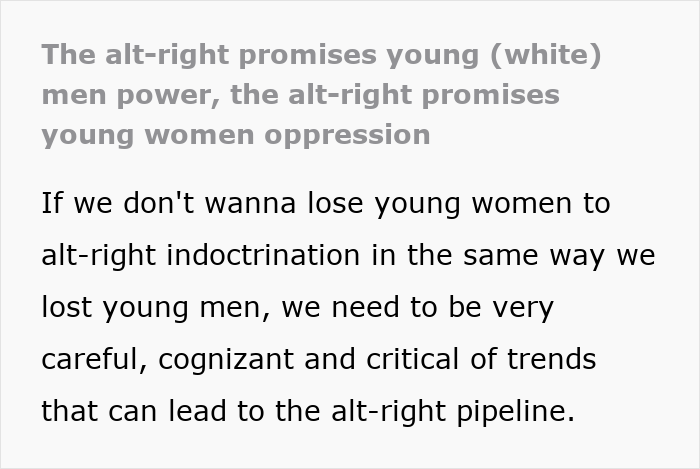





Image credits: lookstudio / freepik (not the actual photo)
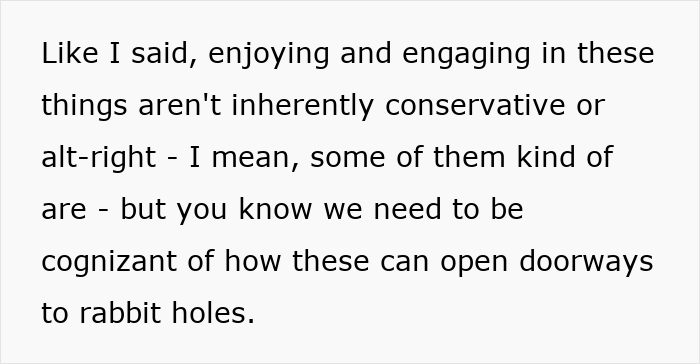
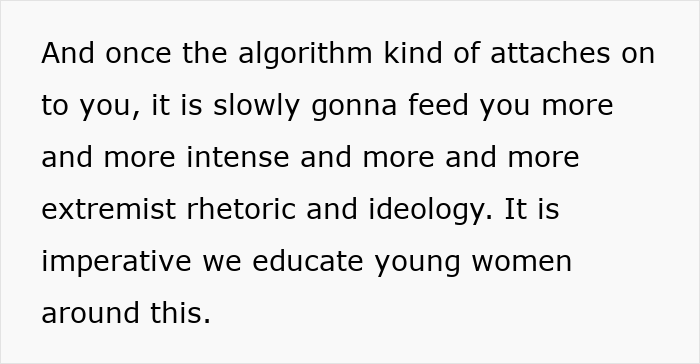
Image credits: jessbritvich
Her TikTok video was viewed more than 1.3 million times on the platform
@jessbritvich @Jess B The alt-right promises yong (white) men power, the alt-right promises young women oppression #progressivetiktok #leftisttiktok #altrightpipeline #altrightpipelinebelike #trumpisadisgrace #trumpism #tradwifecontroversy ♬ original sound – Jess B
Algorithms can influence people’s perception of the social world

Image credits: pvproductions / freepik (not the actual photo)
It’s no secret that information—whether factually correct or not—as well as all sorts of trends spread like wildfire on social media. They can reach millions of people in a matter of days, bearing in mind that as of February 2025, nearly 5.6 billion people were internet users—5.24 billion of whom were social media users, too.
It’s also not a secret that the flow of information and the content we are presented with are determined by algorithms, which are used to keep us glued to the screen as long as possible.
Writing for Scientific American, William Brady, an assistant professor of management and organizations at Northwestern University, noted that “algorithms are mainly designed to amplify information that sustains engagement.” And unfortunately, there’s a side effect to that—“algorithms amplify information people are strongly biased to learn from.”
The expert continued to explain that algorithms meeting human psychology can lead to dysfunction, as “social learning supports cooperation and problem-solving, but social media algorithms are designed to increase engagement.” Such dysfunction is called ‘mismatch functional misalignment,’ which, according to Brady, can result in people forming incorrect perceptions of their social world.
“For example, recent research suggests that when algorithms selectively amplify more extreme political views, people begin to think that their political in-group and out-group are more sharply divided than they really are. Such ‘false polarization’ might be an important source of greater political conflict,” Brady wrote.
According to Jess, the alt-right tends to “prey on people’s emotions”
Image credits: freepik (not the actual photo)
In the piece for Scientific American, Brady also explained that functional misalignment can lead to a greater spread of misinformation. He noted, “People who are spreading political misinformation leverage moral and emotional information—for example, posts that provoke moral outrage—in order to get people to share it more. When algorithms amplify moral and emotional information, misinformation gets included in the amplification.”
According to content creator Jess Britvich, the far-right groups tend to use emotions to “win” the “algorithm war.” In one of her videos, she suggested that nowadays, the right is “winning” by being everywhere and “preying on people’s emotions,” or trying to be relatable and infiltrating different spaces, like “clean beauty, homesteading, spirituality, or growing your own food,” thus taking over the narrative.
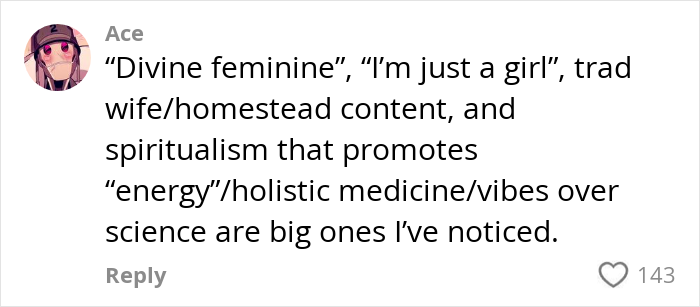
In her video about the alt-right rabbit holes for women, Jess emphasized that the trends related to the aforementioned things like homesteading or spirituality “aren’t inherently conservative,” though they can become a slippery slope towards alt-right indoctrination.
Talking about emotions, the alt-right, and social media engagement, philosopher and sociologist Renata Salecl noted that if we took a look at the statements on social networks made by alt-right-leaning people, we would notice a wide range of emotions, such as anger, sadness, anxiety, or general indignation. That, together with a sense of belonging, can create the perfect environment for certain groups to form.
“On the one hand, information can quickly scare people and make them paranoid, but, on the other hand, emotions can also lead people to organize themselves,” Salecl wrote for Praxis 13/13, the Columbia Law School Blog. “The feeling that one is part of something bigger or that one is taking part in a joint action is a great motivator for people to form groups and engage in social movements.
“When people are full of painful feelings, when they suffer psychically and physically, they often seek an explanation for these feelings, while they are also hoping that someone might recognize what they feel. It is precisely in this recognition of people’s feelings that populism, alt-right, and authoritarian leaders today excel.”
In the video about how the alt-right uses emotions and creates a sense of relatability, Jess suggested that we need more progressive creators online, which is why it’s important to engage in their content. “You do control your algorithm, at the end of the day,” Jess said, adding that it’s important not only to engage in content that isn’t “red-pilled” but share it, too, so the content that isn’t right-leaning would take up more space in the online world.
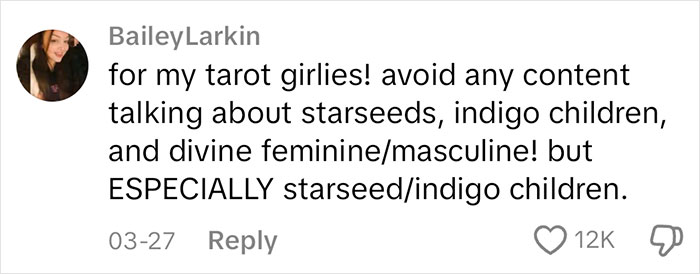
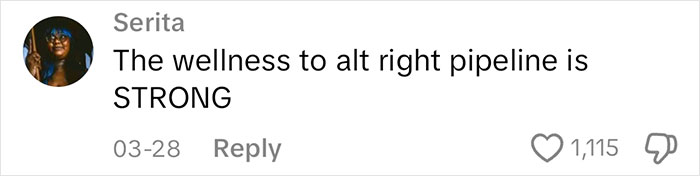
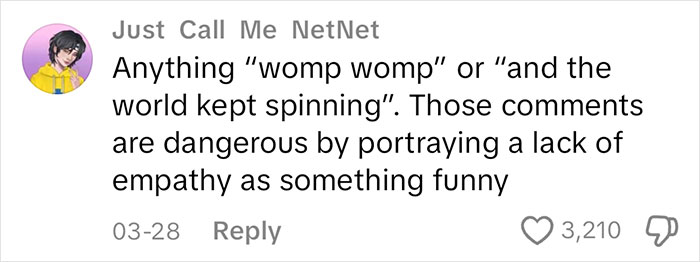
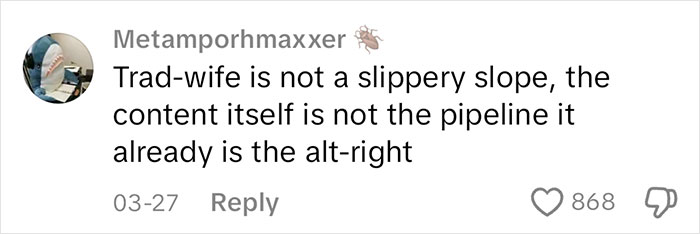
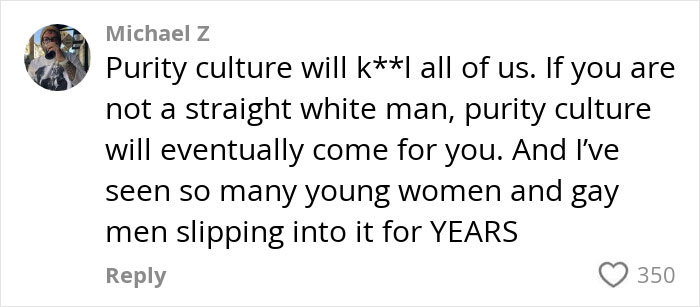
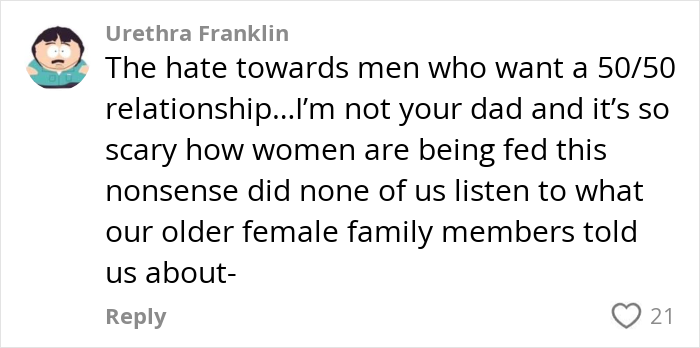
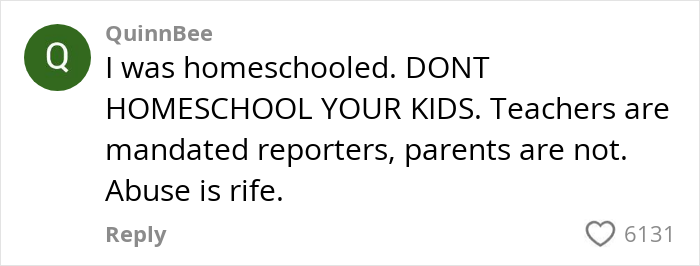
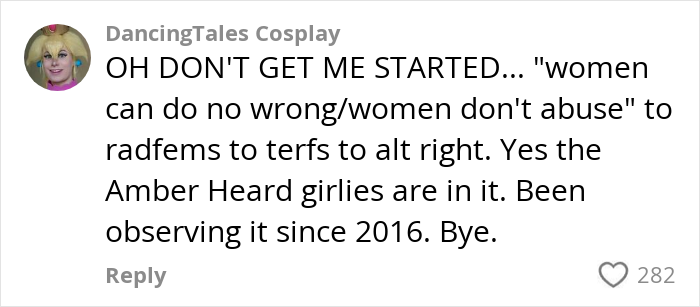
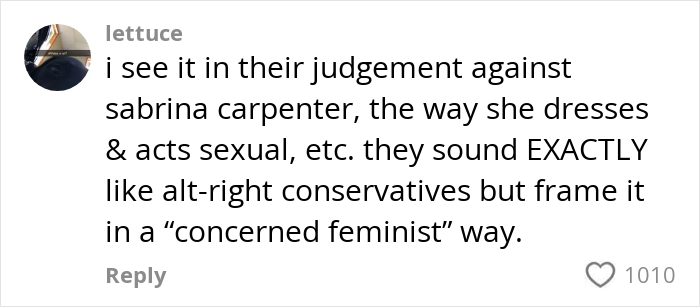
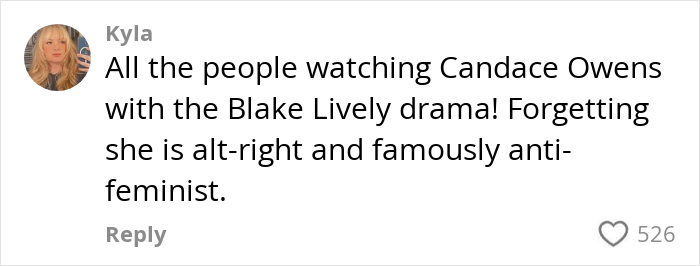
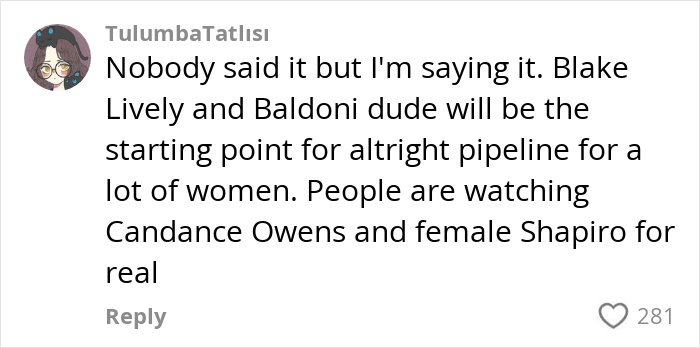
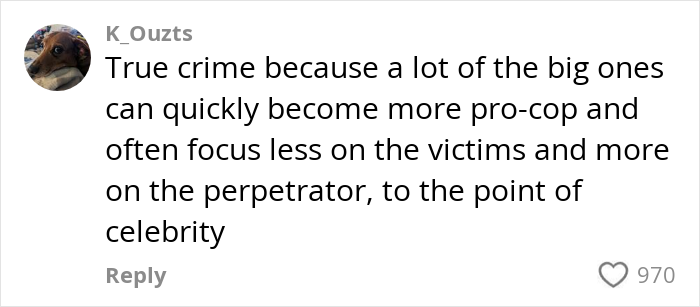
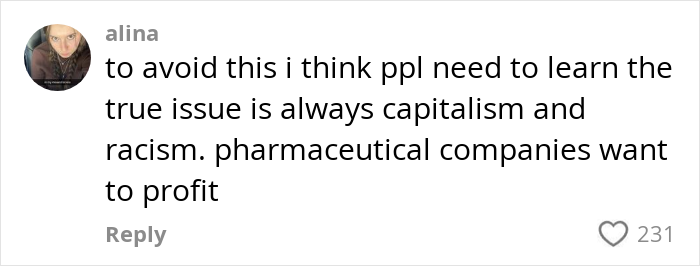
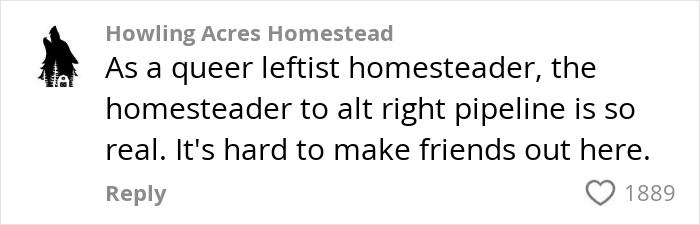
Fellow netizens shared their thoughts on her ideas in the comments