The year’s first full moon, the Wolf supermoon, illuminated clear UK skies this weekend, offering a spectacular display for observers across much of the country.
Despite cold temperatures, visibility was good for many admiring the celestial event, also known as the Wolf Moon.
The Royal Observatory in Greenwich explains its name was inspired by hungry wolves howling as they prowled for food during midwinter months.
The January 2026 Full Wolf Super Moon setting behind Stonehenge this morning glowing in the golden tones of the morning sun🐺🌞 Photo credit Nick Bull 🙏#morning #January #winter #fullmoon #wolfmoon #supermoon #sunrise pic.twitter.com/StXQ8GnzVG
— Stonehenge U.K (@ST0NEHENGE) January 3, 2026
Striking images captured the supermoon setting behind Stonehenge in Wiltshire, south-west England, on Saturday morning.
Further photographs showed it looming above Glasgow, Scotland, and the Thames Estuary in Minster, Kent, in the south-east.
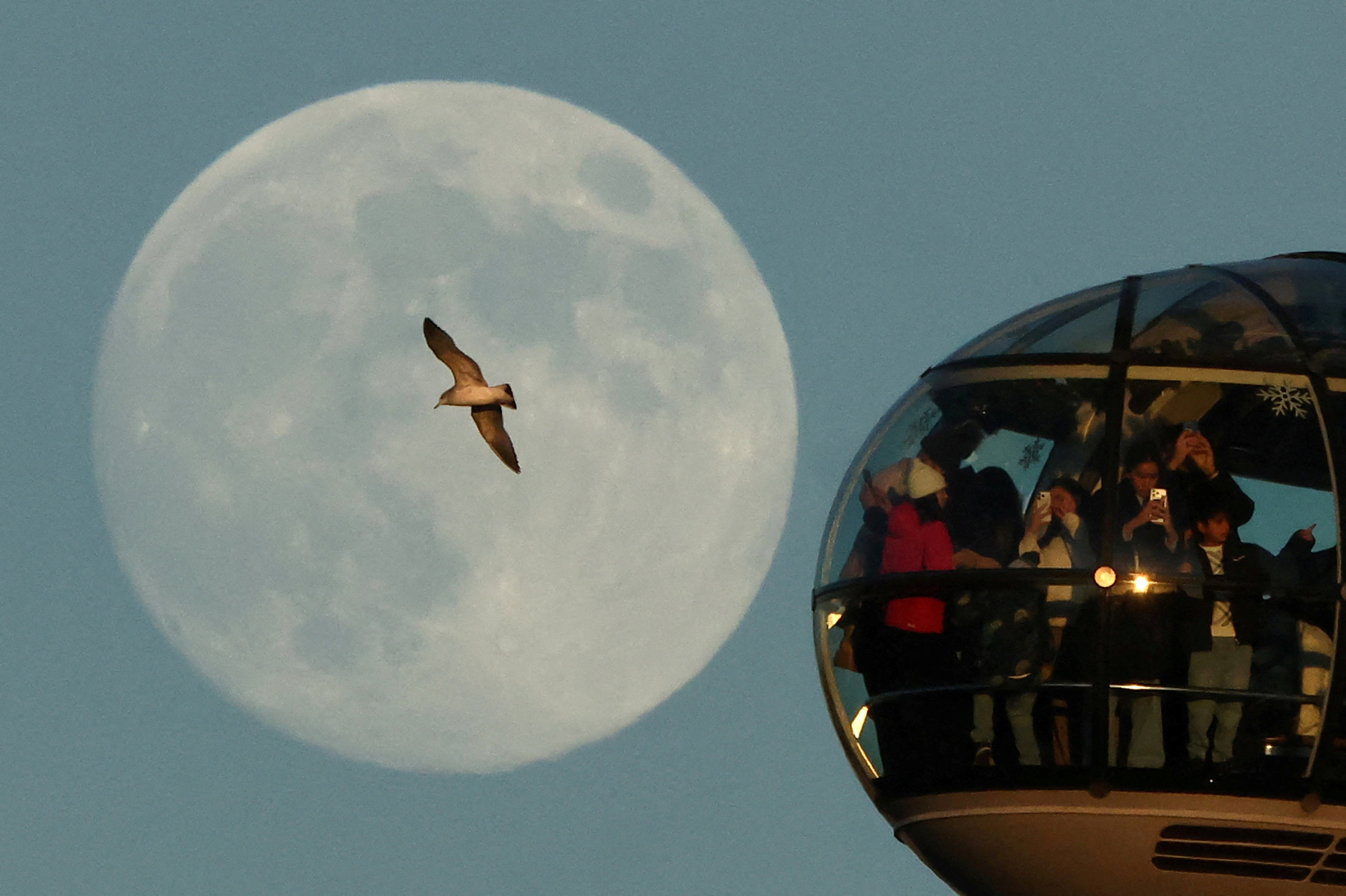
The Wolf Moon was at its fullest at around 10am on Saturday, the Royal Observatory in Greenwich said.
Temperatures fell below freezing overnight for many, and were still around 0C at 10am.
South-west England and west Wales were warmer and some places had reached 4C by the moon’s zenith.
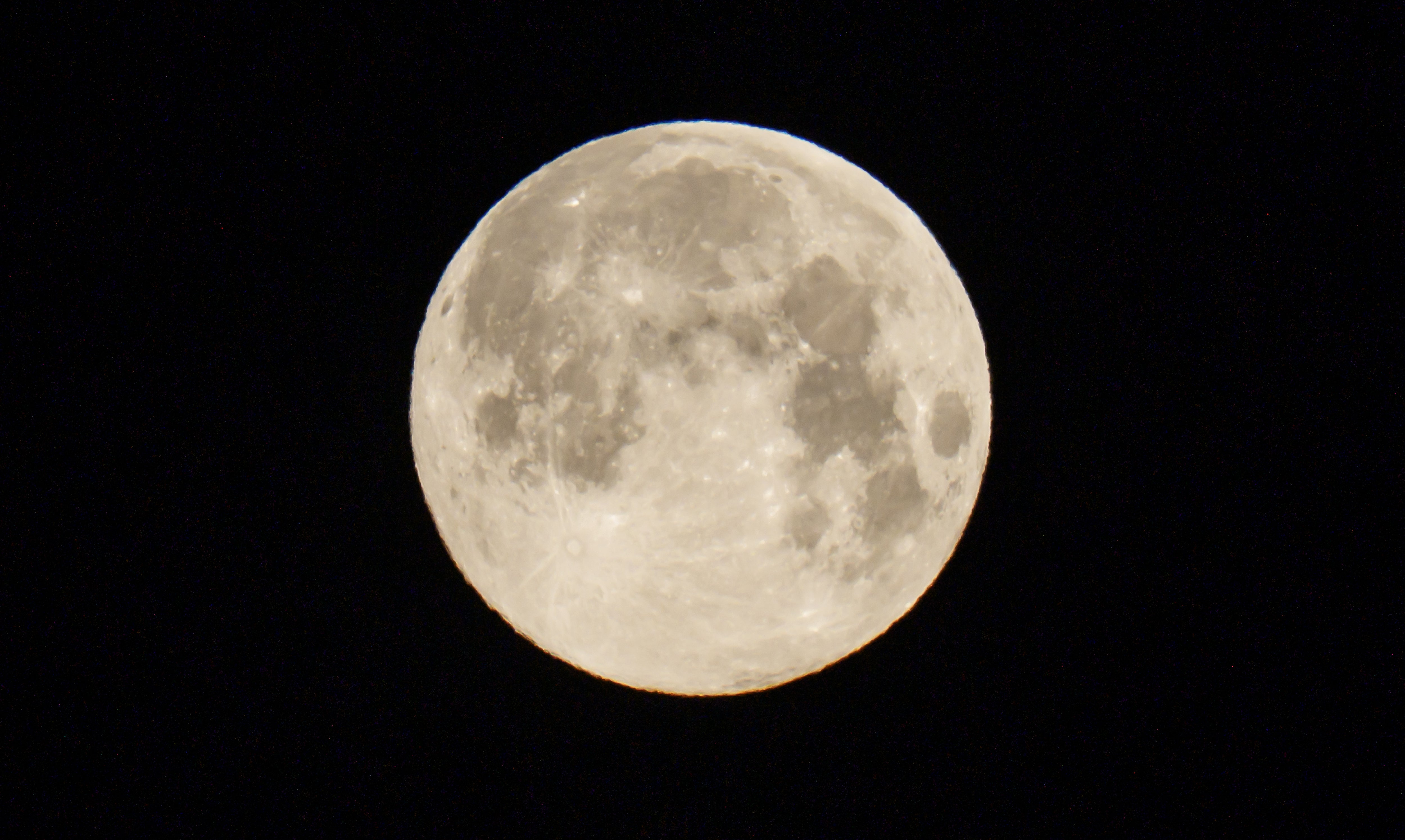
It was a supermoon, which occurs when a full moon is near its closest point to the Earth in its orbit – meaning it appears up to 14 per cent bigger and 30 per cent brighter compared to when it is furthest away.
Jess Lee, astronomer at the Royal Observatory Greenwich, said on Friday: “Every full moon throughout the year has its own unique nickname.
“The January full moon is often called the Wolf Moon, a name inspired by wolves that were thought to roam during the long winter nights.”
She added: “You don’t need any special equipment or to escape light pollution to enjoy the view, it’s a beautiful sight in cities and rural areas alike.”