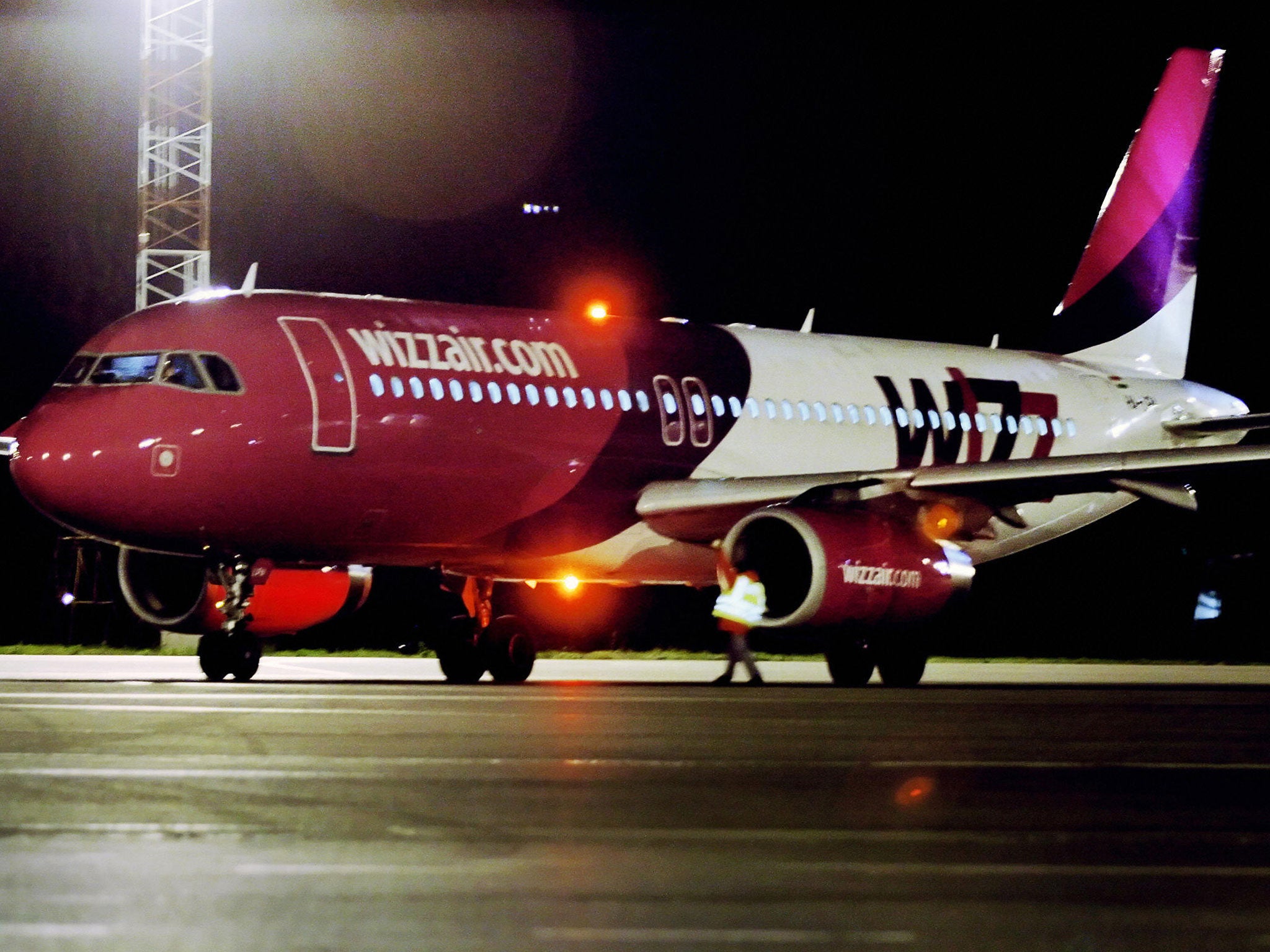
Wizz Air flight had to abort
A Wizz Air flight had to abort take-off after insect larvae caused a speed sensor to fail.
The cause of the instrument failure was revealed in a recently released report from the Air Accidents Investigation Branch (AAIB).
The incident occurred on 16 June, when the Airbus A321 jet was preparing to take off from Doncaster airport.
There were no passengers onboard at the time.
The plan was to fly the empty aircraft to London Stansted, but while approaching V1 – the speed by which any decision to reject a take-off must be made – the captain realised the speed sensor had suddenly stopped working, and was showing a speed of zero.
The first officer quickly aborted take-off in response and brought the plane to a halt.
A second, slower attempt revealed the same problem.
The investigation classed the incident as “serious”, in part because the aircraft had reached the V1 speed of 120 knots before being aborted, recording an airspeed of approximately 128 knots at its fastest point.
It was the plane’s first journey in months, having previously been grounded by the pandemic.
However, it had been left in a “flight ready” condition – the speed sensors had previously been covered, with covers only removed the day before the scheduled departure on 15 June.
The malfunction’s cause was only discovered when the system was flushed.
The three insect eggs that had stopped the sensor from working were each the size of a grain of rice according to the report.
“Examination of the aircraft found insect larvae within one of the pitot probes,” said the AAIB report.
“The aircraft had been parked for nearly 12 weeks prior to the flight.”
According to the AAIB’s findings, Wizz Air has since amended its procedures to ensure the same thing doesn’t happen again.
“The operator has taken safety action to introduce a procedure that flushes the static and total pressure lines on any aircraft that has been parked for more than three days before it is returned to operation,” said the report.
The Independent has contacted Wizz Air for comment.